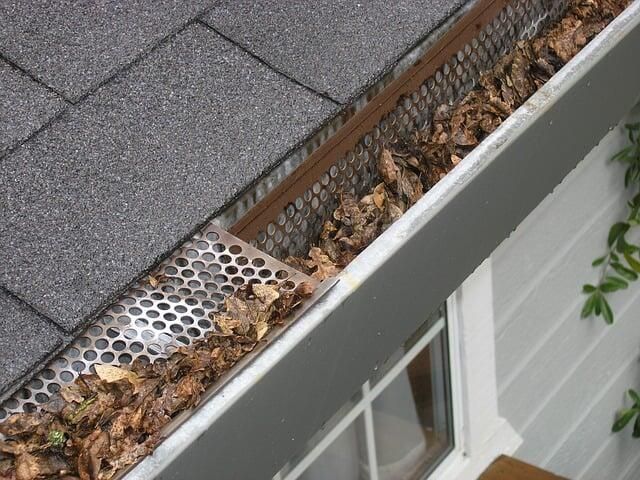
A clogged gutter can cause water to overflow, damage your siding, and weaken your home's foundation. Clearing the blockage and restoring proper flow is usually simple, but only when you know the right steps.
Many homeowners in Chicago deal with sudden backups during heavy rain. Leaves, seeds, and roof grit quickly pile up, and the gutter system stops doing its job. Water spills over the edges, leaks into walls, and can even pool around the basement. These issues often start with one overlooked blockage.
This guide walks you through why gutters clog, how to clear them safely, what tools you need, and how to stop the problem from returning. It also shows when it is time to call in a professional team that can handle complex repairs and high-risk cleaning.
Why Do Gutters Become Clogged?
Gutters clog when debris builds up faster than water can carry it away. Leaves, twigs, seeds, and roof granules settle in the trough and block the path of water. When this happens, the system overflows instead of directing rainwater away from your home.
Once water backs up, it begins to spill behind the gutter or over the sides. This can stain siding or saturate the soil around your foundation. Over time, this moisture weakens surrounding structures and becomes a costly repair.
Another reason for clogs is improper pitch. If the gutter is not angled toward the downspout, water collects in the lowest point and forms a sludge of debris. Birds' nests, moss, and even small branches can also lodge inside the downspout, stopping the entire system from flowing.
How Do You Fix a Clogged Gutter?
You fix a blockage by clearing the debris and restoring water flow. Start by inspecting the gutter and removing buildup before flushing the system with clean water.
Begin by placing a ladder on solid ground and wearing gloves. Scoop out leaves and twigs with a small trowel or by hand. Work from one end toward the downspout so debris does not move backward. Once loose material is removed, rinse the gutter with a garden hose.
A downspout blockage is common. If water pools at the top of the downspout, that means the path below is blocked. Tap the downspout sides to loosen debris or remove the bottom elbow to clear it manually.
Here are useful tools for the job:
- Sturdy ladder
- Gloves
- Gutter scoop
- Bucket
- Garden hose
- Downspout snake
What Are the Signs of a Blocked Gutter?
Blocked gutters show clear warning signs. If you know what to watch for, you can stop damage before it grows.
Overflowing water during rain is the most obvious sign. This happens when the trough is full and cannot drain fast enough. You may also see water running down the side of your home or pooling around the foundation.
Sagging gutters are another red flag. When debris collects and water cannot escape, the entire system becomes heavy. Brackets loosen, and gutters bend. If neglected, sections may detach from the fascia board and lead to more serious repairs.
Other Common Indicators
Look out for these simple clues:
- Wet patches under the gutter
- Soil erosion below roof edges
- Mold or algae streaks
- Dripping from seams
- Rust or warping
These signals show that cleaning or minor gutter repair is needed to keep your home protected.
How Can You Prevent Gutters From Clogging Again?
Prevention keeps your gutter cleaning tasks easy and protects your roof longer. When you maintain the system throughout the year, water flows freely, and damage is unlikely.
Regular cleaning is the best method. Most homes need service twice a year, but houses with heavy tree coverage may need more frequent checks. Removing debris early prevents large buildups that block downspouts.
Gutter guards can help limit debris, though they do not eliminate cleaning. They reduce the size of materials that fall inside, but dust, seeds, and grit still enter the system. Guards are best used as part of a wider home protection advice strategy.
Helpful Prevention Habits
These simple habits reduce future clogs:
- Trim branches
- Check gutter slope
- Clear roof debris
- Inspect downspouts
These steps support long-term roof maintenance and keep your water drainage system working smoothly.
Frequently Asked Questions
How Often Should Gutters Be Cleaned?
Most homes need cleaning twice a year, usually in spring and fall. Homes with tall trees nearby may require more frequent checks. Seasonal storms can also push extra debris into gutters, so inspecting after heavy weather is useful.
Can A Clogged Gutter Damage My Home?
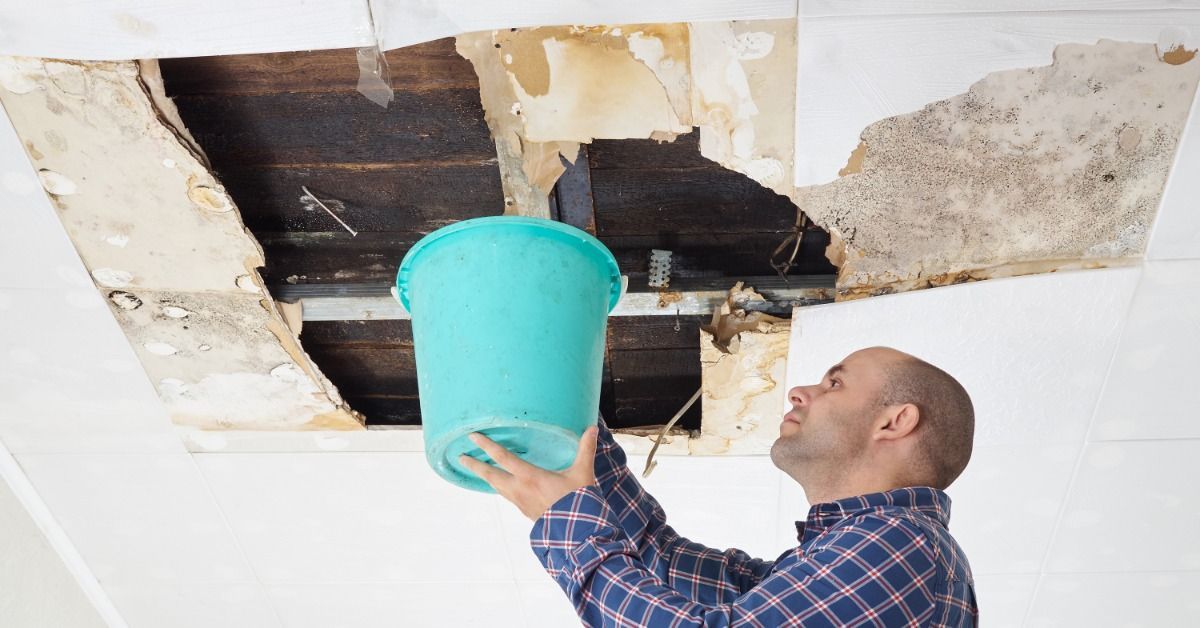
Yes. When water cannot drain, it overflows onto siding, seeps into walls, and erodes the soil near your foundation. Prolonged moisture encourages rot and mold growth, creating far more expensive repairs if not addressed early.
What Causes Downspouts To Clog So Easily?
Downspouts narrow the flow of water, so small debris becomes tightly packed. Seeds, roof grit, and wet leaves often lodge inside bends or elbows. Once this happens, water backs up into the gutter and causes overflow.
Are Gutter Guards Worth Installing?
They help reduce debris but do not stop all materials from entering the gutter. Guards limit large leaves and twigs, but dust and small particles still pass through. Regular inspections are still needed to prevent unexpected clogs.
When Should I Call A Professional For Help?
Call a professional when gutters are very high, sagging, or damaged. If water is leaking behind the gutter or sections appear loose, the repair may require tools and expertise beyond a simple cleaning.
Fixing a Clogged Gutter With Professional Help
Understanding how to clear a clogged gutter helps protect your home and keep rainwater flowing safely away. Regular cleaning, early signs of blockage, and proper maintenance all support long-term home protection.
For tougher jobs, Prusak Roofing offers a unique advantage. The company is family-owned and operated for more than 55 years, provides honest, free estimates, never adds hidden fees, and guarantees the work is done right the first time. Our experience makes gutter repair simple and dependable.
If you're ready to protect your home and avoid costly damage, contact Prusak Roofing through our website to schedule your free estimate today.