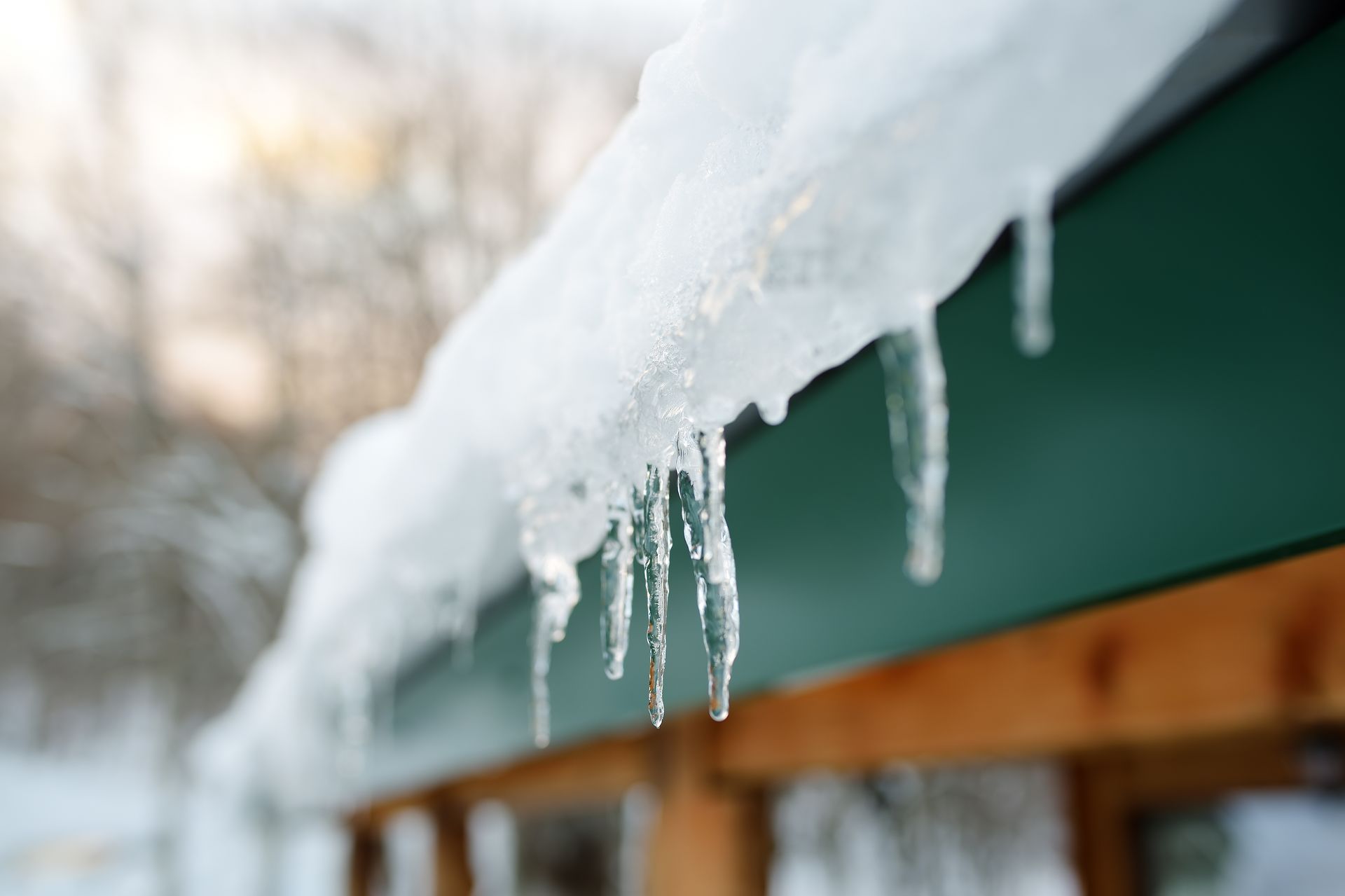
Ice dams are among the biggest threats to your roof during winter. That said, there are many ways to prevent them, from stopping attic leaks to installing heat cables.
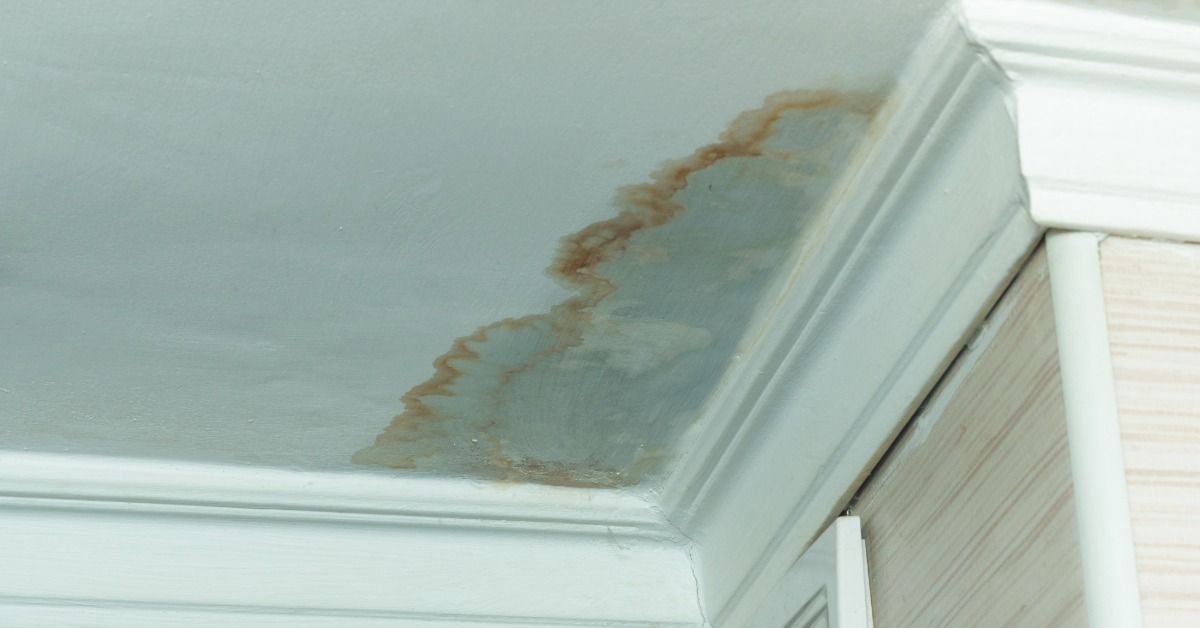
Why are roof ice dams such a big issue? The main reason is that they trap water, which then works its way back under the shingles. This can have a variety of negative effects for both your roof and home, including:
- Causing attic leaks
- Destroying insulation
- Creating structural issues
- Causing mold and mildew
- Forcing a roof replacement
Since ice dams are tough to get rid of, your best bet is to stop them from forming in the first place. Read on to learn how this happens and what to do about it!
How Do Ice Dams Form on a Roof?
Ice dams form when the snow melts, runs down the roof, and refreezes close to the edge. This will only occur if a roof area warms to above 32°F.
In general, this scenario is usually the result of a warm attic. In most homes, heat escapes into the attic, warming the shingles and wood above it. Even if the outdoor temperature is below freezing, the snow will still melt over the warm roof area.
How to Prevent Roof Ice Dams?
The best way to prevent ice dams and avoid roof water damage is to keep your roof and attic cold. Here are six tips that will help you make that happen!
1. Close Up Attic Leaks
In an average home, about a third of all heat loss is through the ceiling into the attic. Most of this loss comes from air leaks, which can be tricky to stop. They can be caused by a variety of factors, such as:
- Gaps in drywall
- Unblocked walls
- Cracks around pipes and fixtures
Closing up these leaks should be a winter project, as your attic will be too hot otherwise. You'll need to pull back insulation and plug the leaks using foam or caulk. Wear a mask and long sleeves to avoid skin irritation.
2. Use Prevention Products
Ice dam prevention products are another potential solution. This is an adhesive ice-and-water barrier that waterproofs your roof decking. The barrier should be installed from three to six feet up from the edge of your roof.
In most regions, this type of product is already required by the building code. If you have to reroof, this is cheap insurance against ice dams. However, tearing up a roof that's in fine shape just to install the barrier is much more expensive.
3. Rake the Snow off the Roof
After a heavy snowfall, it often pays to do some winter roof maintenance. This involves using a snow rake to pull the snow down and prevent it from forming a dam. A snow rake is an aluminum scrapper mounted on a telescoping pole.
Of course, this is only a viable solution for a single-story home. You'll also have to be careful not to break the shingles, which get brittle in cold weather. You can get a snow rake in most hardware stores and home centers.
4. Measure Attic Insulation
Check your attic insulation level and, if needed, upgrade it to about R-40. Most building codes require 12-14 inches of cellulose or fiberglass. If you have less than eight inches and you've had ice dam issues in the past, add some more.
As far as roof insulation techniques go, it's best to use blown-in options, as they're minimally invasive and leave fewer gaps. It's usually better to hire a professional for this task, as DIY projects are unlikely to save you too much money.
5. Install Heat Cables
If all else fails, heat cables are a great one-stop solution. These are high-resistance wires that you can mount on the edge of your roof and plug into a GFCI receptacle. They're best used in the areas where ice dams form regularly.
The issue with heat cables is that you'll have to route the meltwater away. If you don't, it will refreeze along the roof edge and in the gutters. You'll also have to run a heat cable inside a downspout, or the downspout will get clogged.
Frequently Asked Questions (FAQ)
What Is the Most Likely Cause of Ice Damming?
The most likely cause of ice damming involves uneven roof temperatures. This phenomenon is also known as a "hot attic," and it's often caused by leaks and poor insulation. Other factors that may contribute to ice dams forming are:
- Poor ventilation
- Heavy snowpack
- Poor gutter guard installation
- Complex roof designs
- Fluctuating weather
Do Roofers Fix Ice Dams?
If you already have an ice dam, roofers can remove it by using a low-pressure steamer. Most professional roofers can also help you prevent further ice dam issues by improving ventilation, adding insulation, and so on.
Are Ice Dams Covered by Homeowners Insurance?
Yes, homeowners' insurance often covers water damage caused by ice dams under dwelling coverage. However, they're unlikely to cover the cost of removing the dam itself, as that's generally seen as a maintenance issue.
How Do I Know if My Roof Has an Ice Dam?
The most obvious sign of ice dams is seeing big icicles on the eaves. This is particularly true if the icicles appear when it's not very warm outside. Other common indicators that you may be dealing with ice dams include:
- Ice ridges along the roof's edge
- Uneven snow melt on the roof
- Gutters clogged with ice
We Can Solve Your Ice Dam Problems!
The bottom line: roof ice dams are an issue every homeowner should take seriously. The above guide will help you prevent their formation, but dealing with existing ice dams is usually a job best left to professionals.
At Prusak Roofing, we've been offering professional roofing services in the Chicago area for 55+ years. We'll use the latest technology and industry-best materials to help you remove or prevent ice dams, and we'll do it right the first time!
We have an A+ rating with the Better Business Bureau, reflecting our exceptional trust and transparency. Visit our website and receive a free estimate right now!