Storms can do a lot of damage to a roof, and the signs aren't always obvious. After a storm, it's crucial to inspect your roof and identify wind damage correctly.
This is particularly important in states like Illinois, which sees many storms during all seasons. Even a relatively common occurrence, like a gale-force wind (39-54 mph), can do serious damage to most roofs.
Has your home weathered a storm lately? If so, here's a quick guide on how to identify wind damage to a roof and what to do next!
How to Inspect a Roof After a Storm?
First of all, resist the temptation to go up on the roof after a storm. Doing so can put you at risk of many rooftop fall hazards, including:
- Compromised roof structure
- Loose or broken shingles
- Slippery surfaces
- Electrical hazards
Instead, examine your roof from the ground. Walk around the house to view the roof from many angles and use binoculars to check for shingle or flashing damage. You should inspect the attic for stains, leaks, or damp insulation.
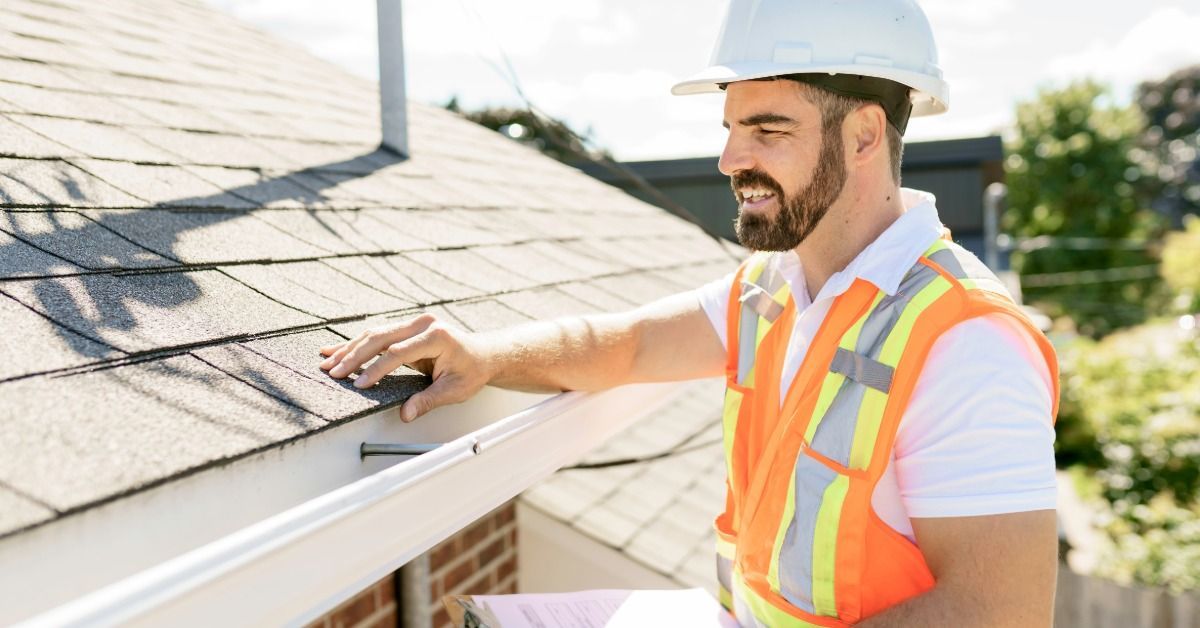
Another option is to invest in professional roof inspection services. An expert will know exactly what to look for and can identify problems most homeowners would miss. They'll also have access to drones and other specialized tools.
What Are the Signs of Wind Damage to a Roof?
When it comes to roofs, even a seemingly minor issue can be costly in the long run. Here are some examples of roof wind damage you shouldn't ignore.
1. Damaged Shingles
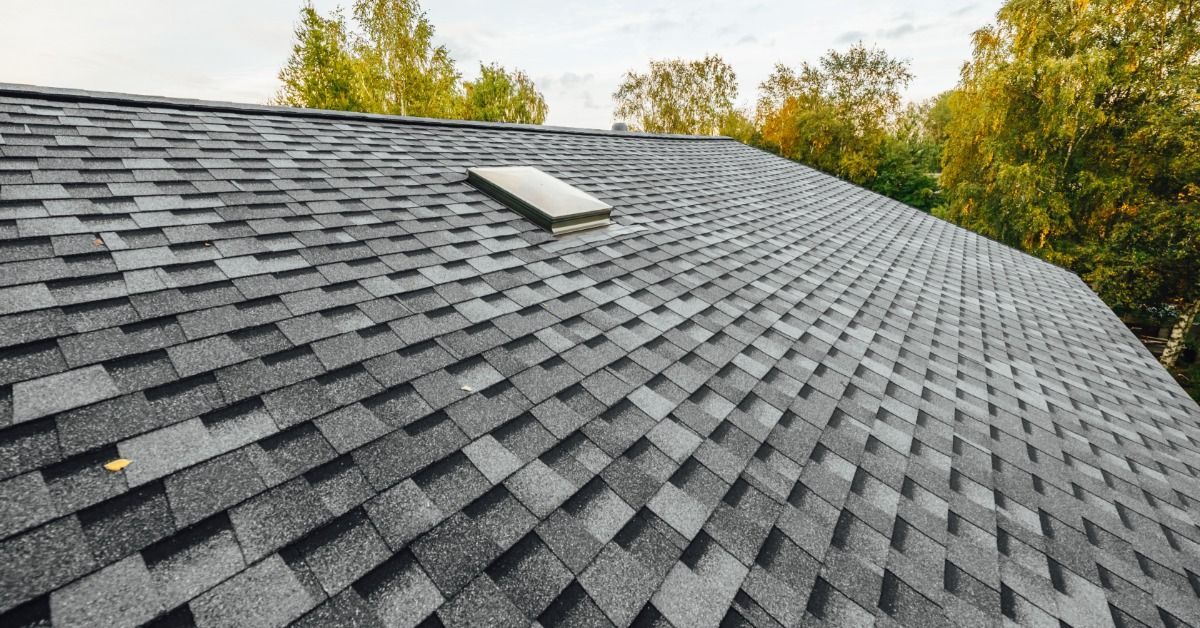
Shingle damage is among the most common reasons for a roof repair. A strong wind will often cause cracks or dents, and may even lead to peeling. Keep in mind that this type of damage can be tough to spot from the ground.
2. Missing Shingles
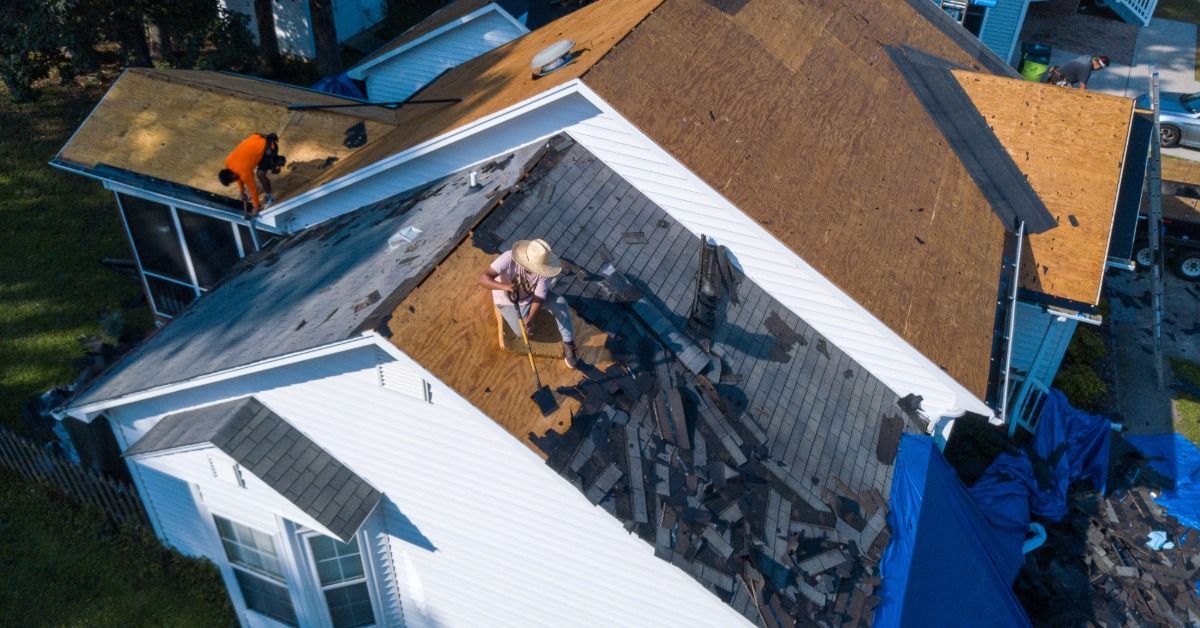
High winds frequently cause entire shingles to tear from the roof, particularly if they were already damaged. This issue is generally easy to see from the ground, and you may also notice some pieces of roofing material scattered about.
3. Flashing Damage
Beyond shingles, there are plenty of other roof sections that can take a battering during a storm. For example, the flashing can shift out of place, breaking the seal and letting in water into your home's interior.
The same applies to things like soffits and gutters. A strong enough wind can cause fittings to come loose or force debris into the gutters. After a storm, inspect these areas for signs of cracking or loosening and clean the gutters if needed.
4. Crooked Chimney
If the flashing seal is broken, the chimney may no longer be able to sit straight. However, the change may be minor and hard to spot with the naked eye. If you're worried, consider hiring a certified professional to take a look at it.
5. Debris Damage
Tree limbs and other natural debris often end up on your roof during high winds. The impact may cause shingle damage and structural issues. The storm may take debris elsewhere, so you may need to look for evidence of its impact.
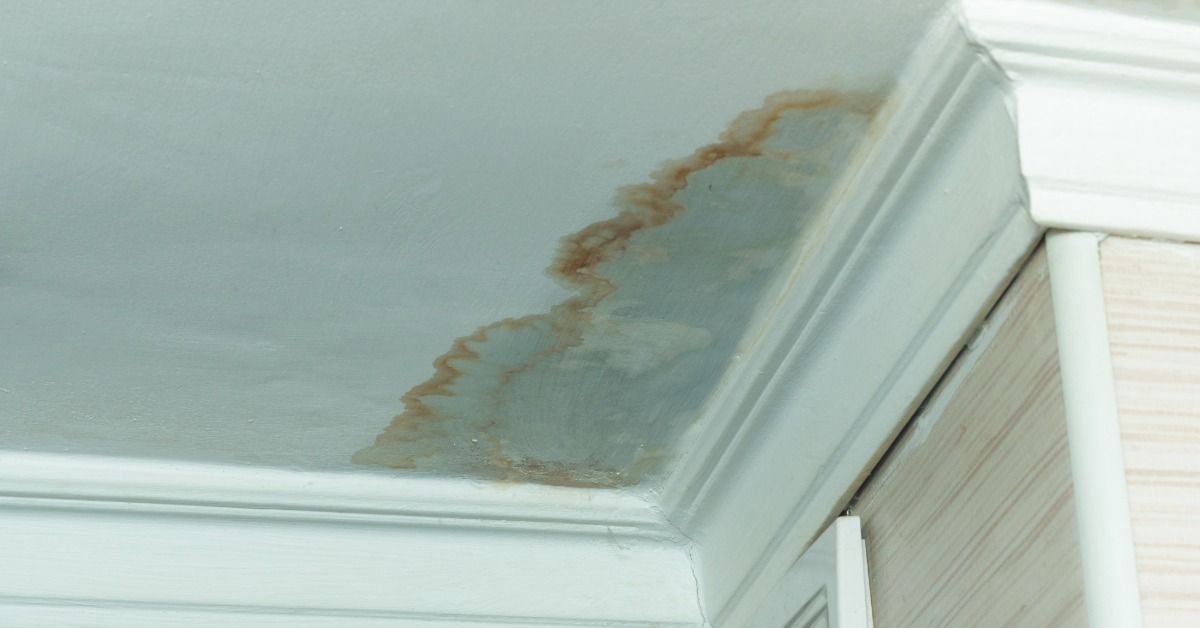
6. Leaks in the Attic
After a storm, it's often a good idea to head to your attic with a flashlight. Look for indicators of leaks, as they can lead to water damage and major issues down the road. Some common signs of attic leaks include:
- Discoloration or stains on the walls
- Wet or damp insulation
- Mold and mildew
- Musty odors
What to Do If Your Roof Has Wind Damage?
If you notice roof wind damage, your priority should be to remain calm and avoid going up the roof to take a closer look. Instead, take the following steps:
Step 1: Document the Damage
First, take pictures and videos of any roof damage you can see. If you own a drone, use it to take photos from an aerial view as well. Add all pictures and videos to a spreadsheet to keep all the evidence in one place.
Step 2: Contact the Insurance Company
Next, file a claim with your homeowners' insurance company right away. The process can be complex, so have their representatives help you out. They might also send their own inspector to evaluate the damage.
Step 3: Hire a Reliable Roofing Contractor
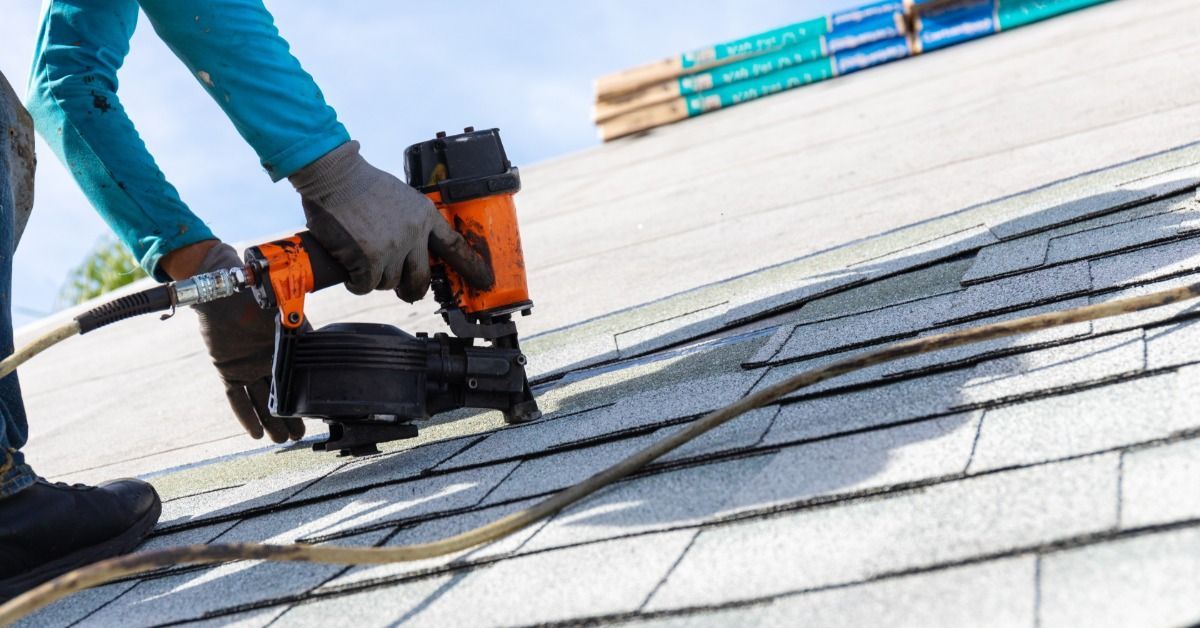
No homeowner roofing guide will be as effective as hiring the experts. A licensed and experienced contractor can take care of any long-term roof issues. They may also have a few tips for wind damage prevention in the future.
Frequently Asked Questions (FAQ)
How Much Does It Cost to Repair Roof Wind Damage?
The average roof repair cost ranges between $400 and $1000 for minor issues and up to $6,000 for moderate issues such as damaged flashing. Meanwhile, severe structural damage and roof replacements may cost $8,000 to $15,000.
How to Choose a Roofing Contractor?
You can start your search by asking friends and family for recommendations. Next, check the online reviews on sites like BBB or Yelp. Make sure to always get multiple quotes and be aware of estimates that seem too low.
How to Protect a Roof From High Winds?
One way to prevent wind damage is to reinforce the roof with hurricane clips. These connect the roof rafters to the walls, providing extra support. You can also invest in impact-resistant shingles for added durability.
Can Maintenance Prevent Roof Wind Damage?
Yes, roofing maintenance can do a lot to prevent wind damage. Ideally, you would inspect your roof twice a year and after major storms to catch issues early. Some things regular roofing maintenance can help you with include:
- Repairing loose or cracked shingles
- Ensuring flashing is sealed and secure
- Cutting back overhanging branches
Prusak Roofing Can Help!
Dealing with wind damage to a roof can be a complex process. The above guide will help you prepare for this situation and plan the best course of action.
At Prusak Roofing, we can also take care of any roof wind damage for you. As a family-owned and operated company for 55+ years, we know what it takes to keep our customers happy. We also offer free, honest estimates with no hidden fees!
With an A+ BBB rating, we're among the most reliable roofing contractors in Chicago, IL. Head to our website to get in touch with us or learn more about our services!