A roof leak inspection is a systematic check of your roofing system to find signs of water intrusion, diagnose common roof leak causes, and determine whether repairs or replacement are necessary. During this process, inspectors evaluate both the exterior and interior of your roof, identify vulnerable points like damaged flashing or missing shingles, and help prioritize roof maintenance before small problems become big expenses.
Have you ever noticed water stains on your ceiling after a storm? That's often a symptom of a hidden problem that a thorough roof leak inspection can uncover. Let's look into how inspectors evaluate your roof, what they check for at the first sign of trouble, and more.
What Is the 25% Rule in Roofing?
The 25% rule refers to building code guidelines used in many areas. If more than 25% of a roof's surface is damaged within a 12-month period, local codes may require a full replacement instead of partial repairs. Inspectors measure the affected sections to determine if the damage crosses that threshold.
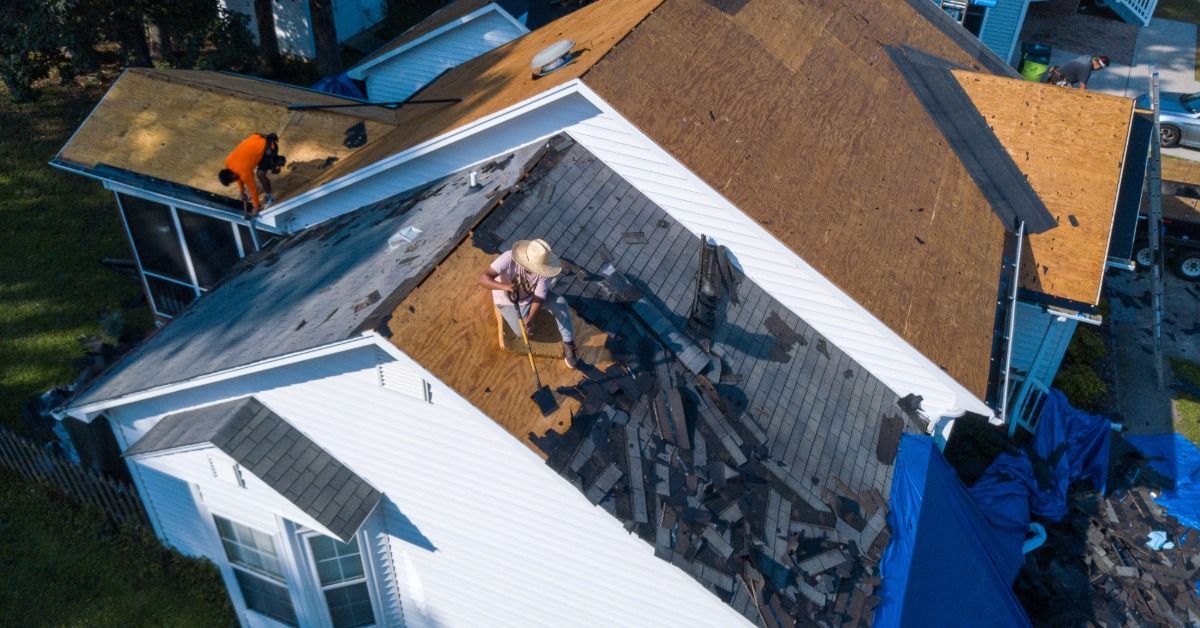
When roof leak causes lead to widespread shingle failure or underlayment damage, repairs may not be enough. Crossing the 25% mark can mean replacing the entire roofing system to meet code.
Why a Roof Leak Inspection Is Essential
Water often travels before it becomes visible inside your home. By the time you notice common roof leak signs like stains or peeling paint, moisture may have already reached insulation or framing. A proper roof leak inspection traces the path of water and identifies roof leak causes before rot spreads.
Moisture trapped in attics or ceilings creates the right conditions for mold growth. Wood decking can weaken over time. Identifying these risks early protects both your home's structure and indoor air quality.
Regular roof maintenance reduces the chance of sudden failure. An inspection helps homeowners fix minor issues before they grow into major repairs.
Exterior Evaluation During the Roof Inspection Process
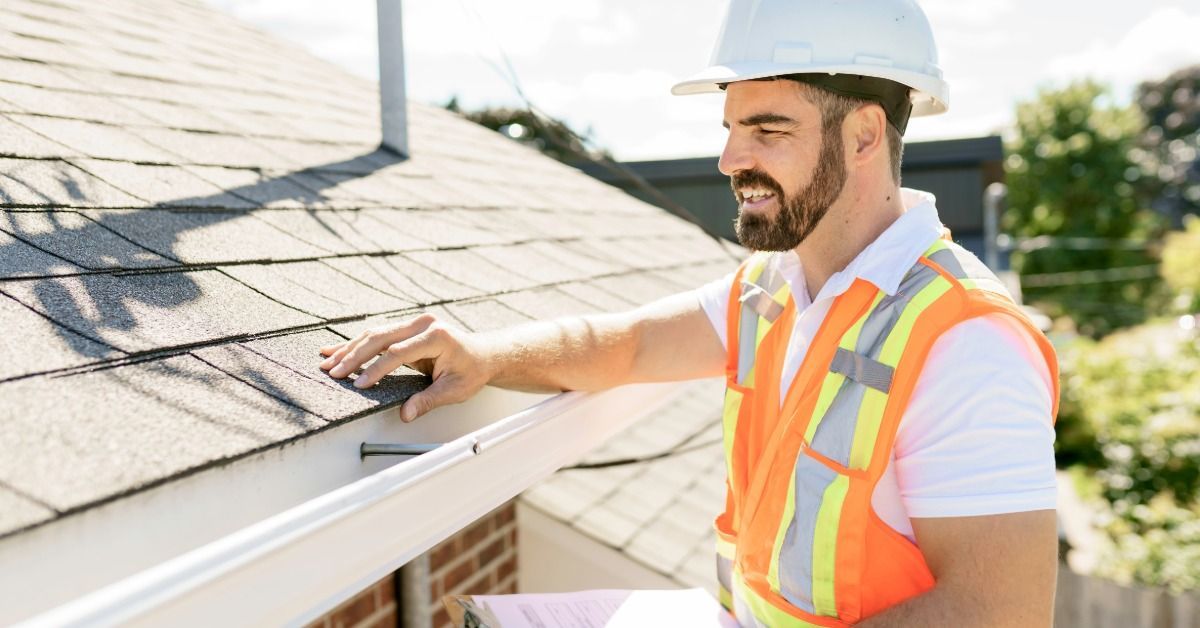
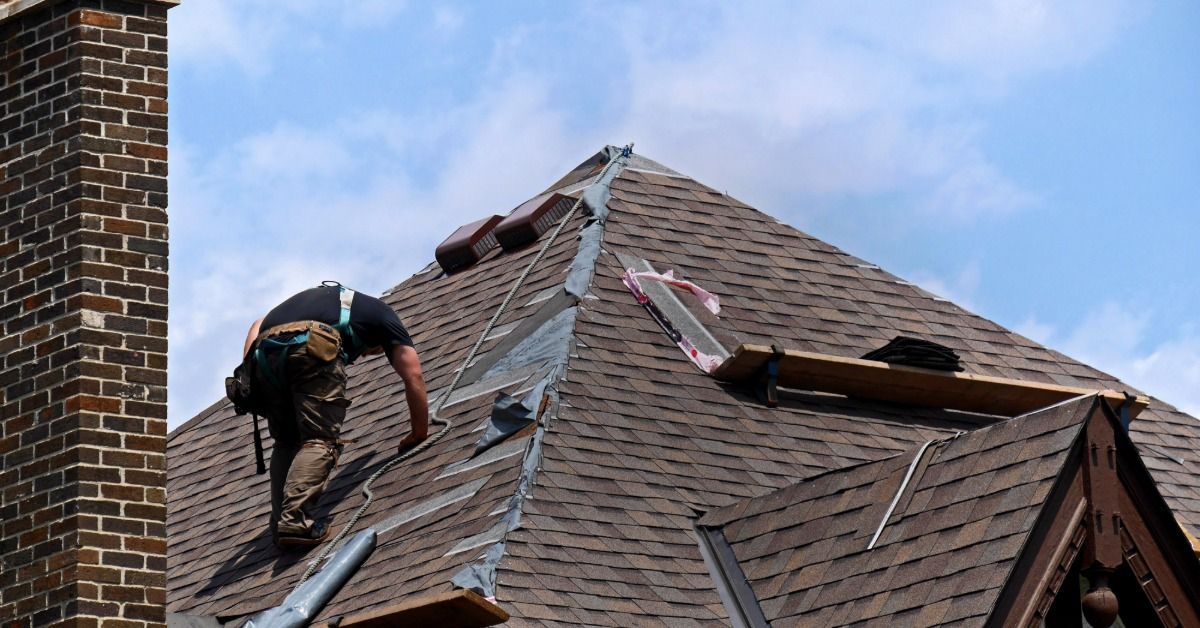
A thorough exterior check is a major part of the roof inspection process. Inspectors look for visible damage and areas where water may enter the home.
Several exterior components receive close attention during an inspection:
- Shingle condition
- Flashing and sealants
- Gutters and drainage systems
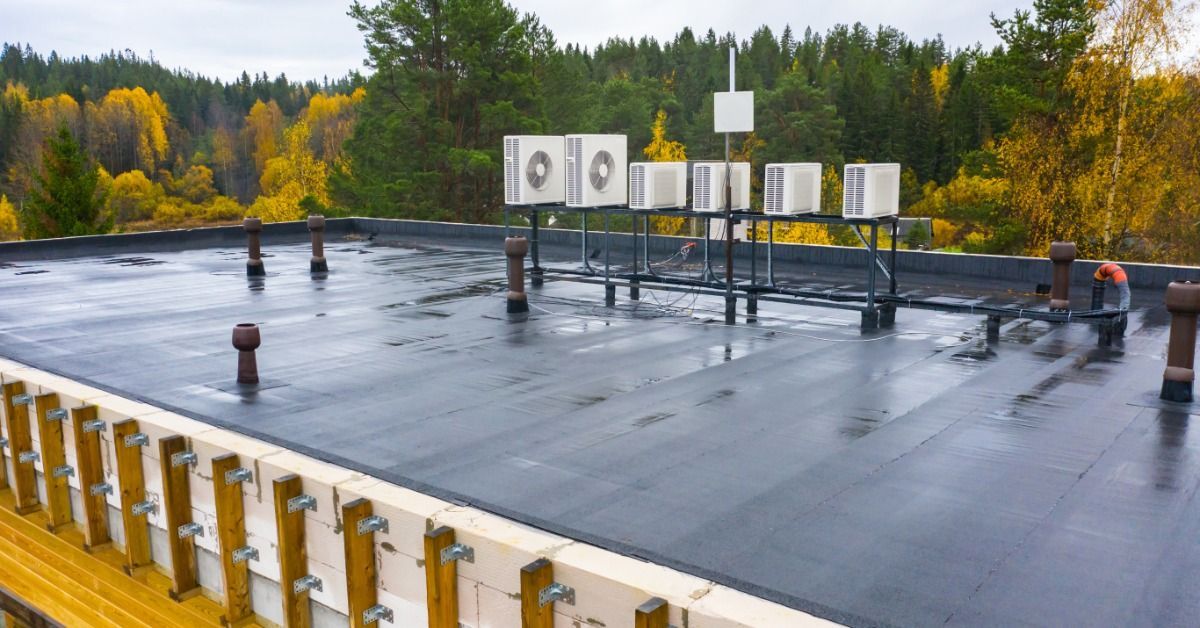
- Roof penetrations and structural features
Shingle Condition
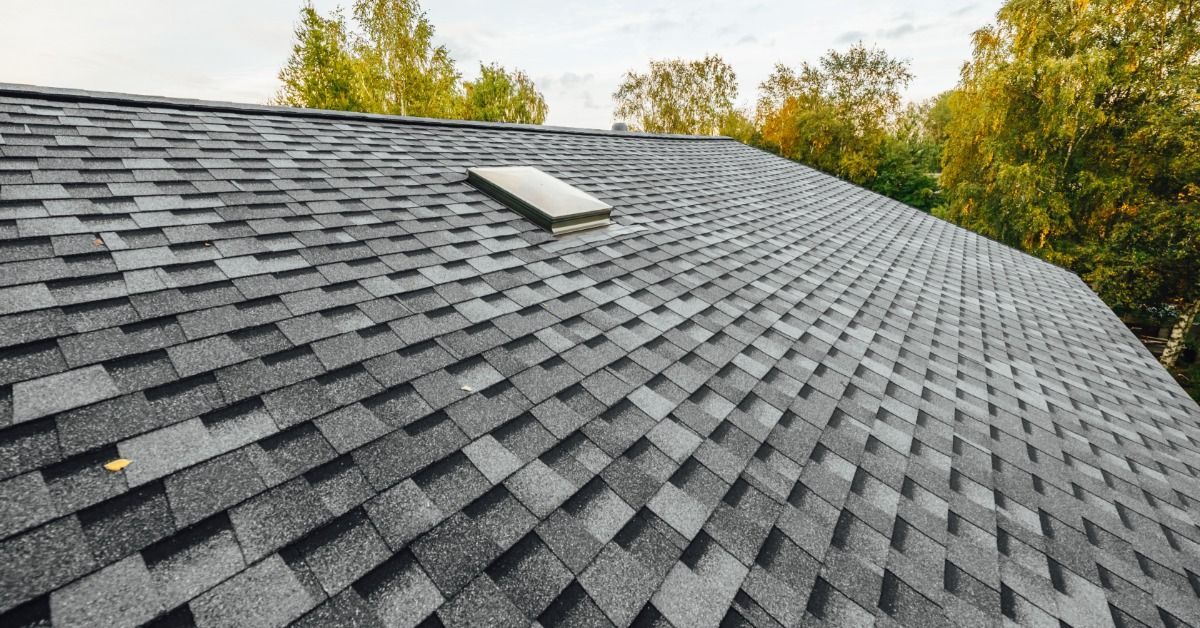
Shingles form the first layer of defense against rain and wind. Inspectors look for cracking, curling, blistering, and missing pieces. Loose shingles can expose the underlayment to moisture. Granule loss may signal aging materials and possible roof leak causes.
Flashing and Sealants
Flashing surrounds chimneys, vents, and skylights. Damaged or rusted flashing often leads to common roof leak signs inside the home. Inspectors check for gaps, lifted edges, and worn sealant.
Gutters and Drainage Systems
Clogged gutters can push water back onto the roof surface. Standing water increases the risk of leaks and wood rot. Proper drainage supports long-term roof maintenance.
Roof Penetrations and Structural Features
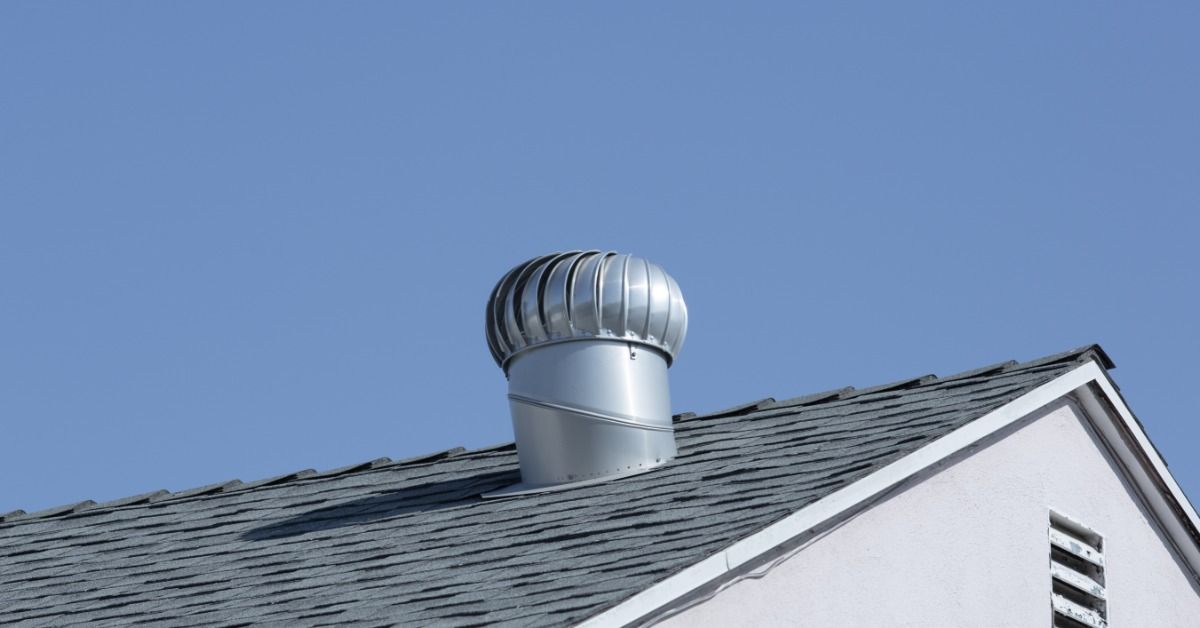
Vents, valleys, and ridgelines are vulnerable spots. Inspectors check these areas for storm damage and signs of wear that could lead to leaks.
Interior Assessment and Moisture Detection
A roof leak inspection does not stop at the shingles. Interior checks often focus on several problem areas:
- Attic structure and decking
- Insulation condition
- Ceiling and wall surfaces
- Ventilation performance
Attic Structure and Decking
The attic gives inspectors a clear view of the underside of the roof. They look for water stains, dark spots, and soft wood. Damp decking can signal ongoing roof leak causes that have not yet appeared on ceilings below.
Insulation Condition
Wet insulation loses its ability to regulate temperature. Inspectors check for clumping, sagging, or compressed areas. Moist insulation can trap water and increase the risk of mold growth.
Ceiling and Wall Surfaces
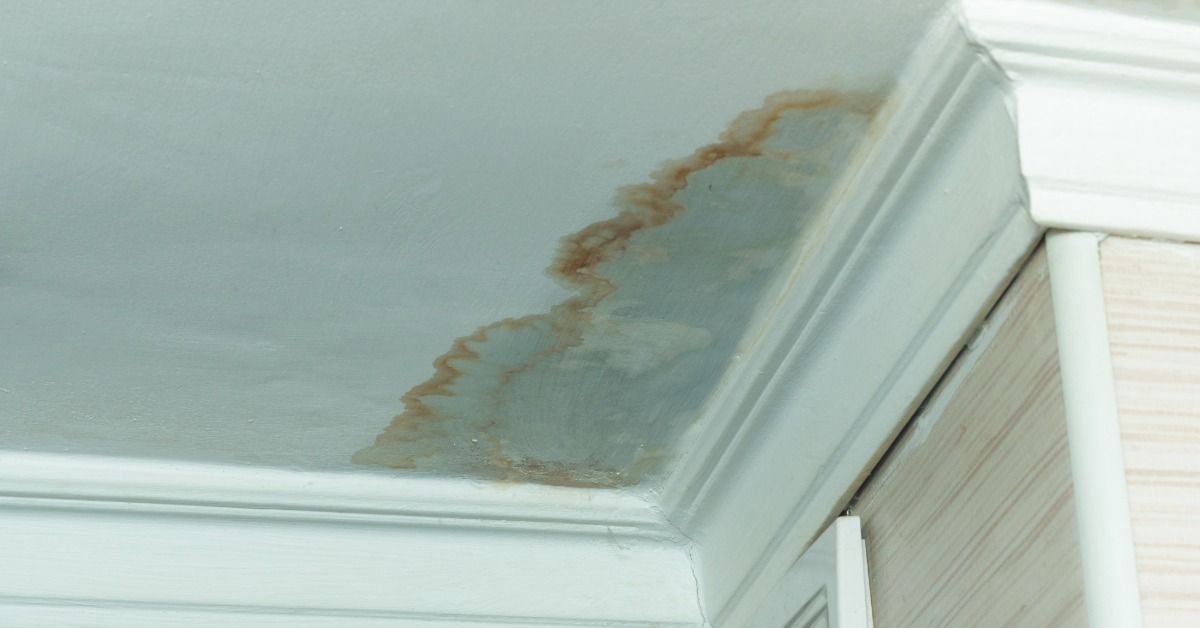
Common roof leak signs often show up as discoloration, bubbling paint, or warped drywall. Inspectors trace these marks to locate the source of the problem.
Ventilation Performance
Poor airflow can trap moisture in the attic. During the roof inspection process, professionals assess vents and airflow patterns to reduce long-term moisture buildup.
Identifying the Root of Roof Leak Causes
Finding the true source of a leak takes more than spotting a wet ceiling. Several factors often contribute to ongoing leaks:
Aging Roofing Materials
Over time, shingles lose flexibility and protective granules. Underlayment can weaken. As materials age, small cracks can allow water to seep beneath the surface.
Weather-Related Damage
Strong winds can lift shingles and break seals. Hail may bruise roofing materials. Heavy rain can expose weak spots that were not obvious before.
Improper Installation
Poor workmanship can create gaps around flashing or vents. Misaligned shingles can leave seams exposed. A detailed roof inspection process helps uncover these hidden issues.
Drainage and Seasonal Issues
Clogged gutters and ice dams can trap water along the roofline. Water that cannot drain properly often finds its way inside, leading to repeated leaks and ongoing repair needs.
Frequently Asked Questions
How Long Does a Roof Leak Inspection Typically Take?
Most standard inspections take between 45 minutes and two hours. Larger homes or steep roofs may require more time.
Weather conditions can slow the roof inspection process, especially if surfaces are wet or icy.
Homes with multiple roof levels or complex layouts often take longer to assess. Inspectors need enough time to review both exterior materials and interior spaces without rushing.
Will Homeowners Insurance Cover a Roof Leak Inspection?
Insurance coverage varies by policy and situation. If roof leak causes relate to storm damage, your provider may cover the inspection as part of a claim.
Some insurers require documentation from a licensed professional before approving repairs. Routine inspections tied to general roof maintenance are often not covered. Hiring a roof inspector after severe weather can help support a claim and provide written proof of damage.
Roof Inspection in Chicago
A thorough roof leak inspection gives homeowners clear insight into their roof's condition and hidden risks.
For more than 55 years, Prusak Roofing has proudly served homeowners and businesses throughout Chicago, IL, and the surrounding suburbs with dependable residential and commercial roofing services. As a family-owned company, we focus on clear communication and personal service from start to finish. We provide honest, free estimates and complete every project with care and efficiency.
Get in touch today to find out how we can help with your roofing needs!