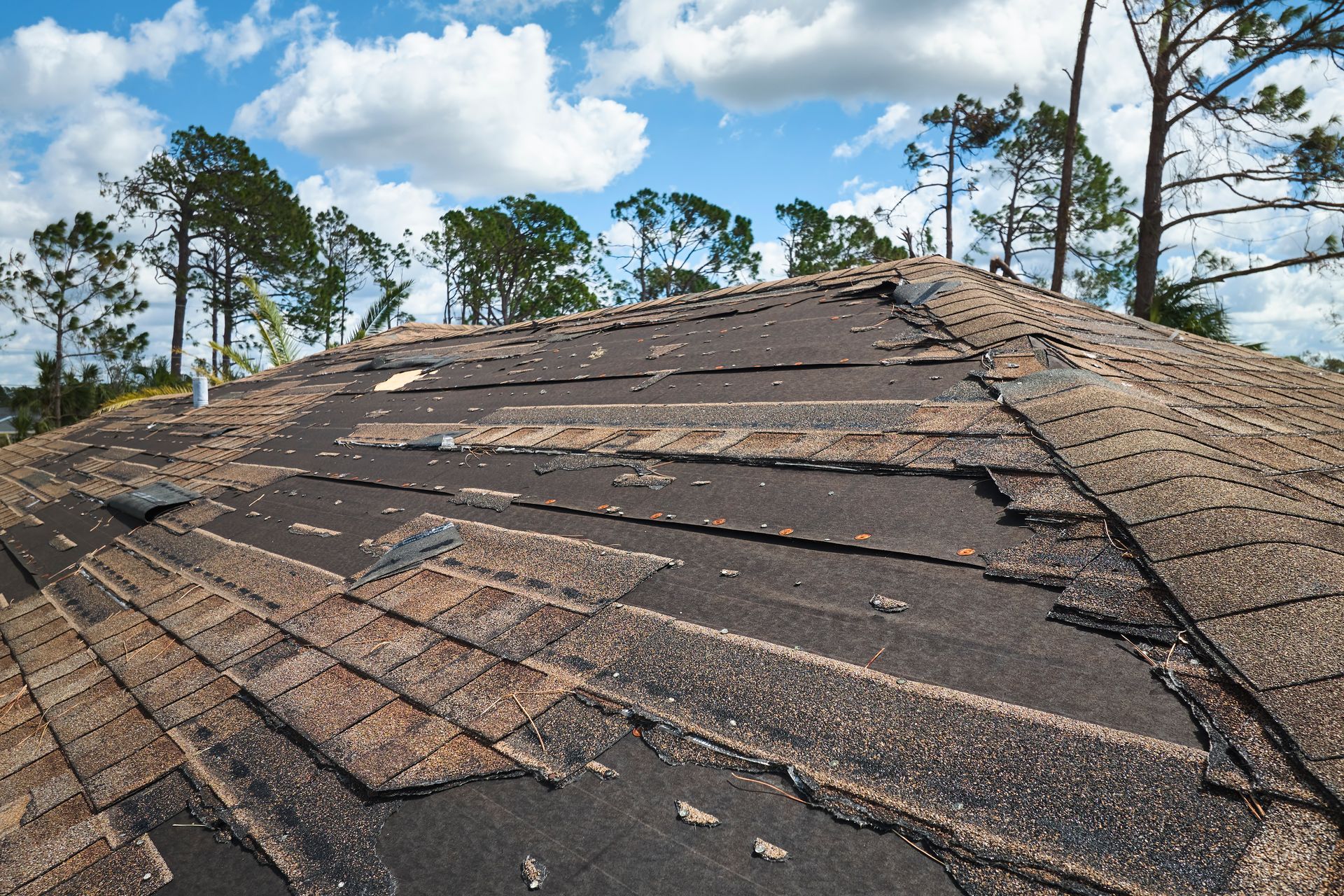
Cracked shingles can signal structural weakness, increase the risk of leaks, and shorten the lifespan of your roof. Even a single damaged shingle can allow moisture to penetrate the underlayment, leading to wood rot, insulation damage, and higher energy costs. In many cases, what starts as minor cracking can escalate into costly repairs if ignored..
Have you noticed cracked shingles or small fractures along your roofline after a storm or seasonal temperature shift? These seemingly minor issues can compromise your home's overall protection. Today we're taking a closer look into what causes shingle cracking, the risks involved, and how proper roof maintenance and repair solutions can protect your home.
Are Cracked Shingles Bad?
Cracked shinglesare often a warning sign that your roof's surface is starting to break down. Three issues often arise when cracked shingles appear:
- Exposure of underlying materials
- Increased risk of leaks
- Reduced lifespan of the roof
Exposure of Underlying Materials
A cracked shingle can leave the underlayment and roof deck vulnerable. Sun, rain, and wind wear down those layers faster once they're exposed. Over time, that exposure can weaken structural components and raise concerns about home roofing safety.
Increased Risk of Leaks
Water can slip through even a narrow split in a damaged shingle. Once moisture enters, it may spread across insulation or wood decking. That hidden damage often grows before any stain appears inside the home.
Reduced Lifespan of the Roof
Cracked shingles often signal aging materials or poor roof maintenance. Ignoring early signs can lead to more frequent shingle repair and shorten the overall life of the roof.
What Causes Cracked Shingles?
Cracked shingles don't appear without reason. In most cases, they form after years of stress from weather, aging, or installation issues. When roofing materials weaken, small splits can form and spread across the surface.
Several common factors lead to cracked shingles:
- Aging materials
- Storm and wind damage
- Temperature swings
- Poor ventilation and improper installation
Aging Materials
All roofing materials break down over time. Asphalt shingles dry out as they age. Once they lose flexibility, they become brittle and more likely to crack. Regular roof maintenance can help spot wear before it worsens.
Storm and Wind Damage
Strong winds can lift shingles and weaken their seal. Hail and falling debris may strike the surface and create a damaged shingle. After major storms, many homeowners turn to roof repair services for inspections.
Temperature Swings
Hot summers and freezing winters put stress on shingles. Materials expand in heat and contract in cold air. That repeated movement can create small fractures that grow with each season.
Poor Ventilation and Improper Installation
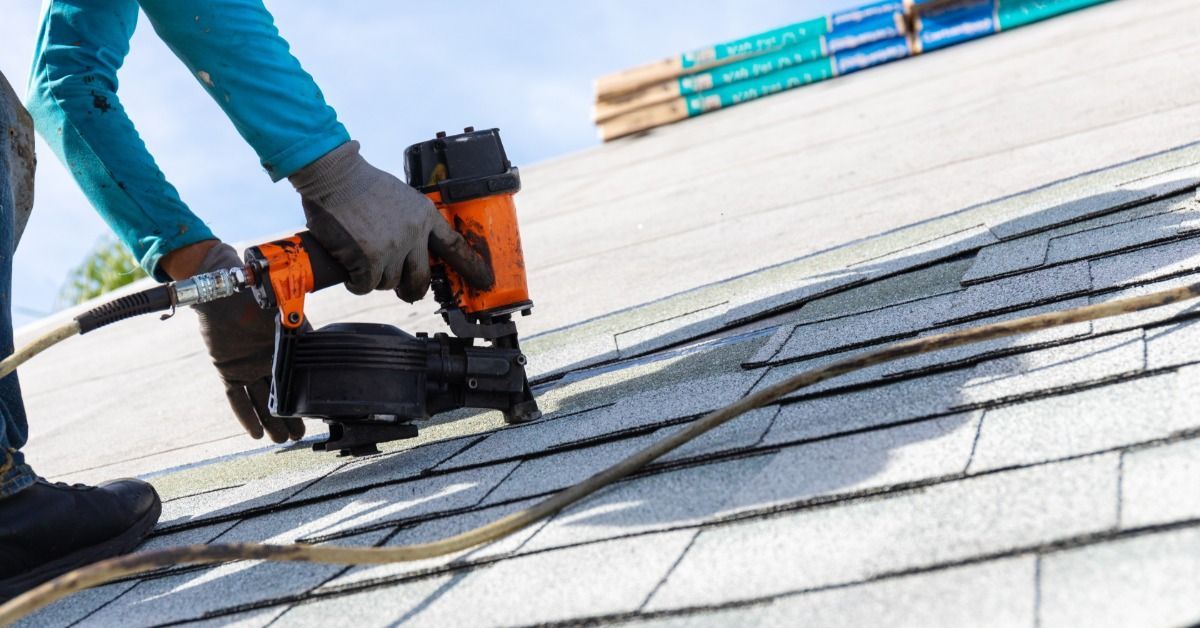
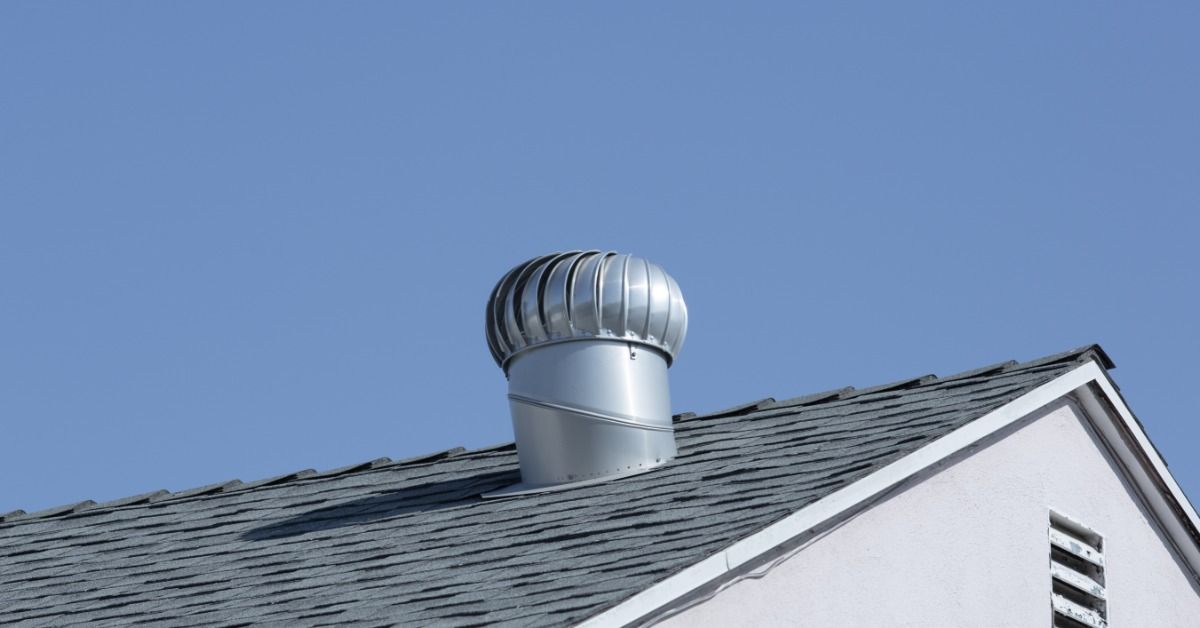
Trapped heat in the attic can dry out shingles from below. Incorrect nailing or alignment during installation can leave areas unsupported. Both issues increase the risk of early cracking.
Warning Signs Beyond Cracked Shingles
Cracked shingles often show up alongside other signs of roof wear. Common warning signs include:
- Curling edges
- Missing granules
- Interior water stains
- Soft or sagging areas
Curling Edges
Shingles that curl at the corners or edges often signal aging materials. Curled areas can lift during strong winds and allow water to seep underneath. Over time, that exposure increases the risk of leaks and further cracking.
Missing Granules
Granules protect shingles from sun damage. If you notice bald spots or find granules in your gutters, the roof's surface may be breaking down. Loss of granules can speed up wear and make cracked shingles worse.
Interior Water Stains
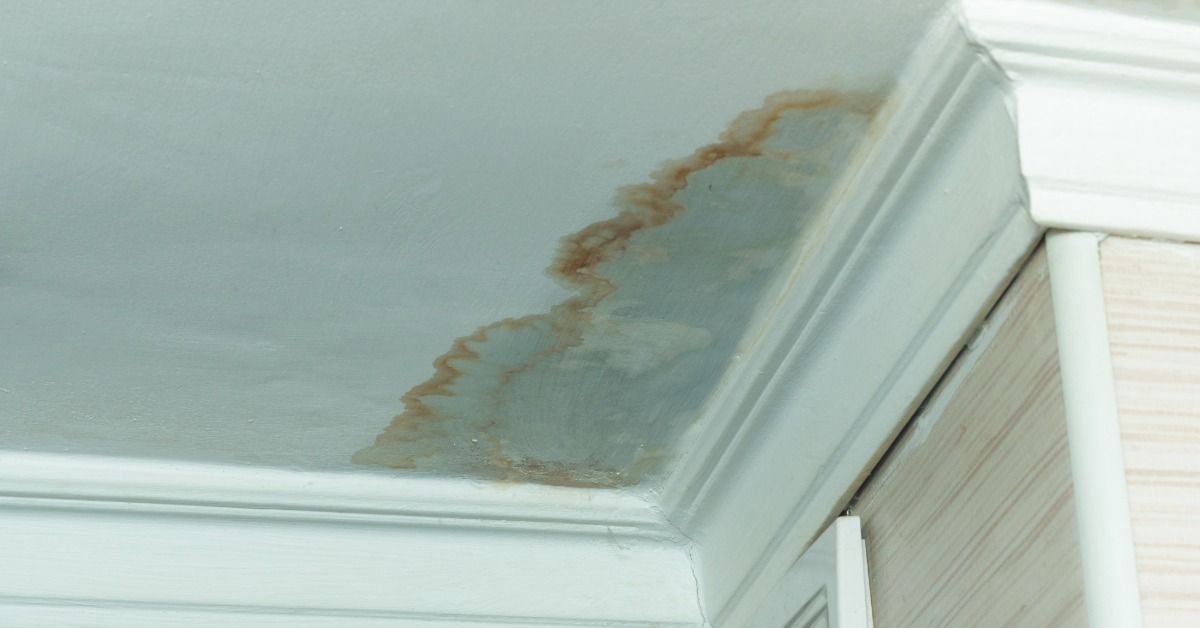
Brown or yellow stains on ceilings often point to moisture entering through the roof. Water may travel along beams before it becomes visible indoors. Regular roof maintenance can help spot trouble before stains appear.
Soft or Sagging Areas
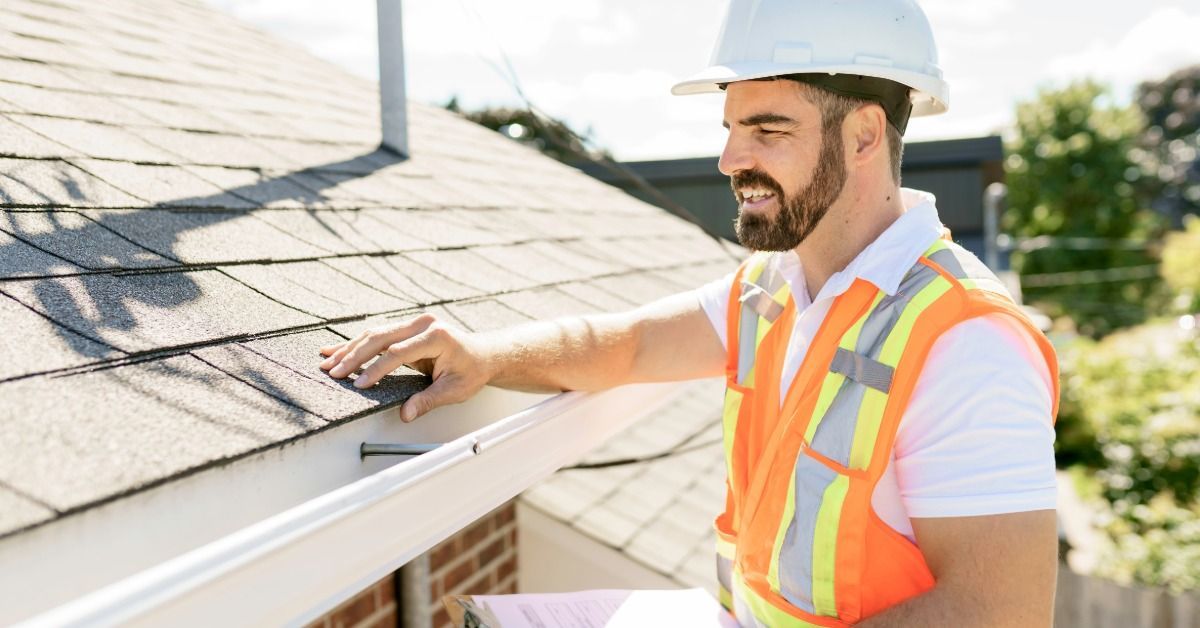
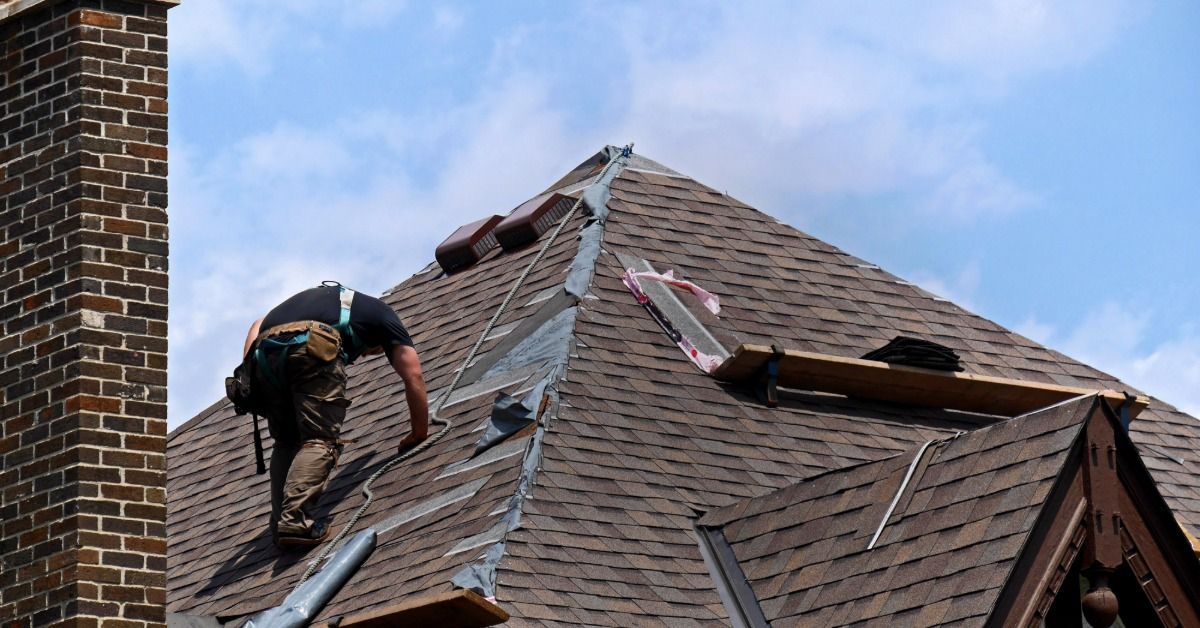
A roof should feel firm under proper inspection. Soft spots may suggest moisture damage beneath the shingles. When cracking spreads across multiple areas, professional roof repair services may be needed to prevent deeper structural issues.
The Risks of Ignoring a Damaged Shingle
Once a damaged shingle cracks or lifts, water can slip underneath during rain. Moisture may soak the underlayment and reach the roof deck. Over time, trapped water weakens materials and increases the chance of interior leaks.
Prolonged moisture exposure can lead to wood rot in the roof structure. Rot reduces strength and can create soft spots that affect home roofing safety. Repairs become more extensive as decay spreads.
Wet insulation loses its ability to regulate indoor temperatures. Heating and cooling systems must work harder to maintain comfort. Routine roof maintenance and timely roof repair services help prevent small issues from turning into major structural and financial problems.
Frequently Asked Questions
Can Cracked Shingles Affect Home Insurance Coverage?
Cracked shingles can influence how an insurance company reviews a claim. Many insurers classify gradual wear and tear as a maintenance issue rather than sudden damage.
If an adjuster determines that a damaged shingle developed over time, coverage may be limited or denied. Keeping records of roof maintenance and inspection reports can support your case after a storm.
Photos taken before and after severe weather can help show whether new cracking occurred. Some policies offer better protection if homeowners can prove they've kept up with regular care.
How Long Can a Roof Last After Shingles Begin to Crack?
The remaining lifespan depends on the roofing material and climate. Standard asphalt shingles may deteriorate faster once cracking begins.
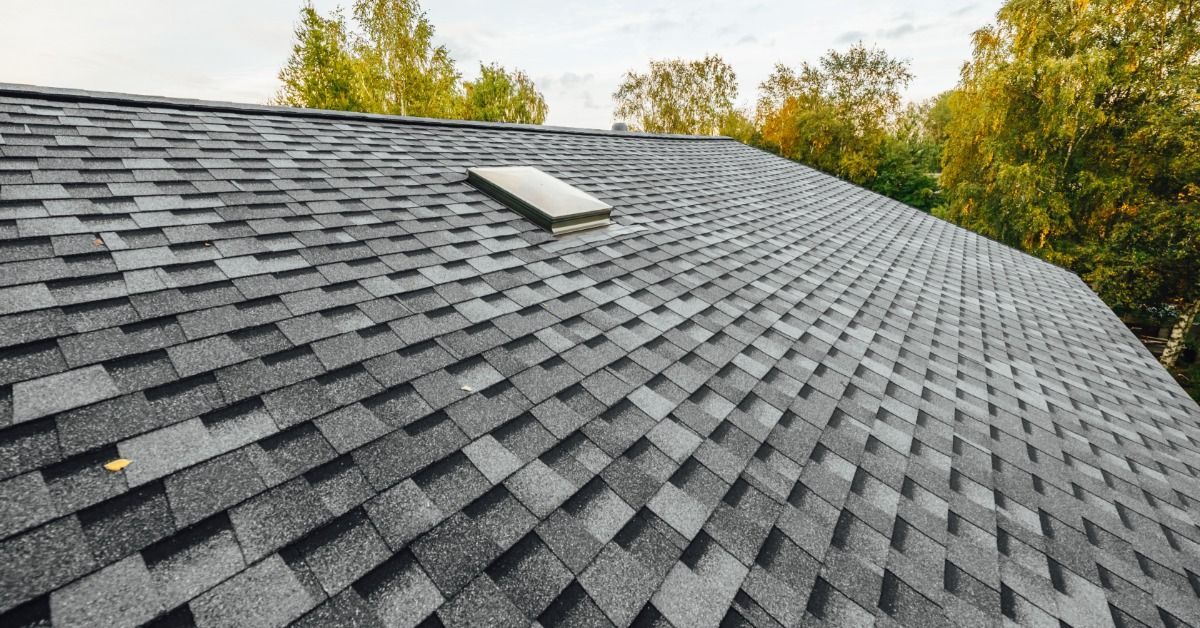
Architectural shingles often last longer, but still weaken once splits appear. Hot climates can speed up material breakdown.
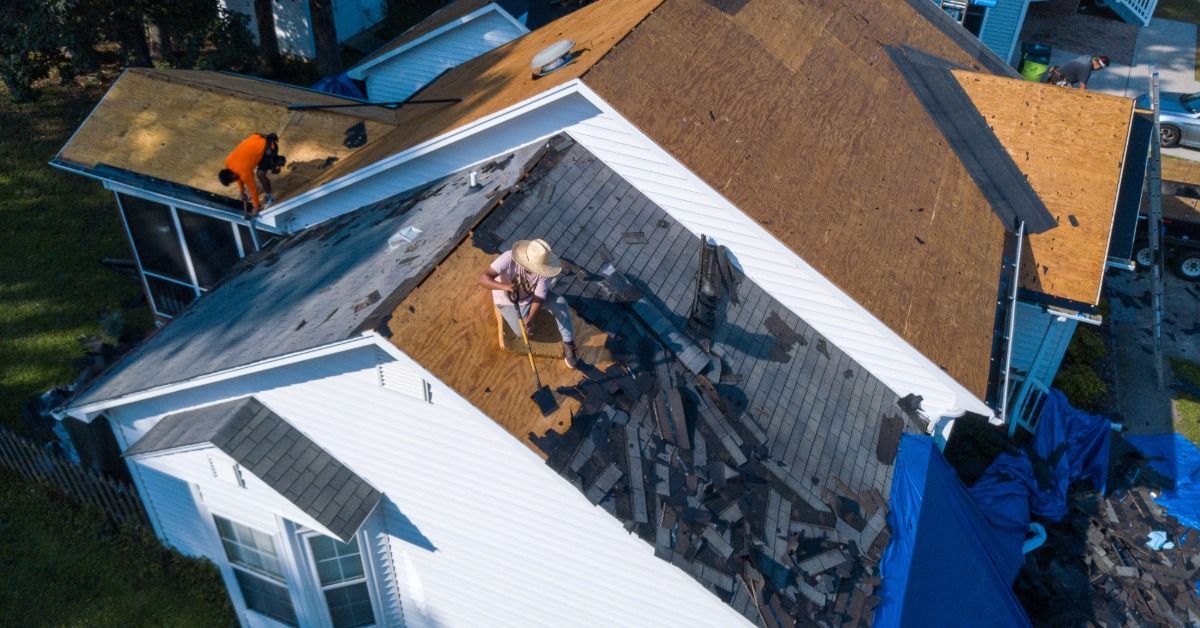
Cold regions with freeze and thaw cycles may cause cracks to widen. Roof repair services can assess whether repairs will extend the roof's life or if replacement makes more financial sense.
Better Home Roofing Safety
Cracked shingles can signal deeper roofing issues that threaten your home's structure and efficiency. Early detection, proper roof maintenance, and timely shingle repair help prevent costly damage.
For more than 55 years, Prusak Roofing has proudly served homeowners and businesses throughout Chicago, IL, and the surrounding suburbs with reliable residential and commercial roofing services. As a family-owned company, we focus on honest communication and quality workmanship on every project. From asphalt shingles and EPDM systems to siding and gutters, our experienced team handles repairs and replacements efficiently, offering free, straightforward estimates.
Get in touch to find out how we can help with your roof repair needs.