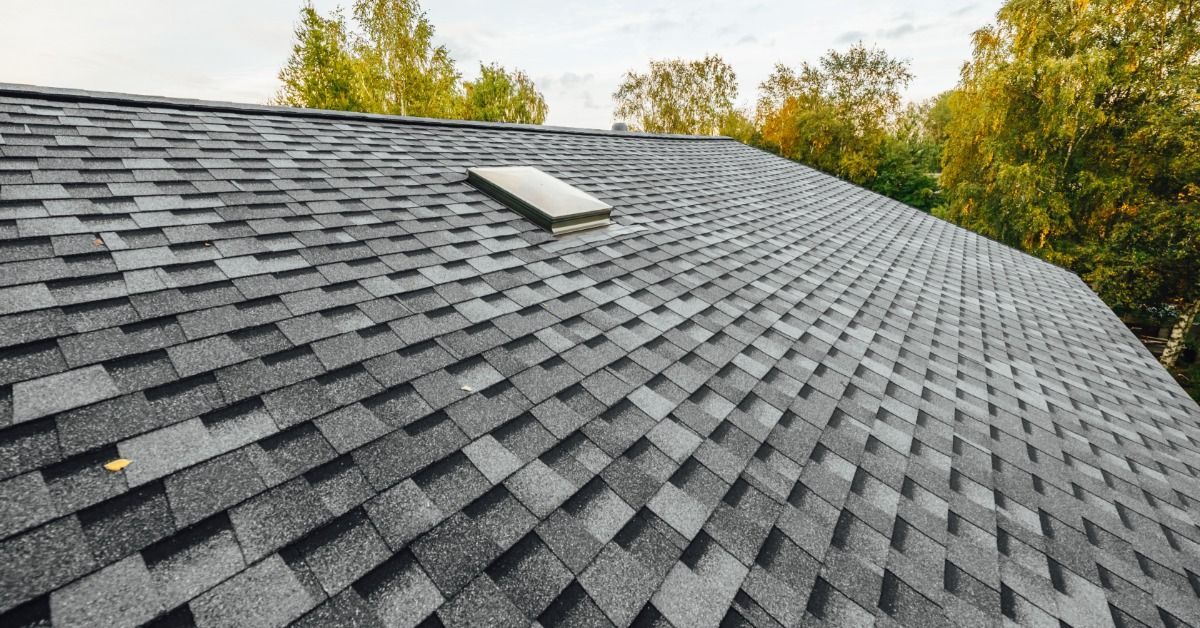
The Importance of Roof Inspections Before Winter
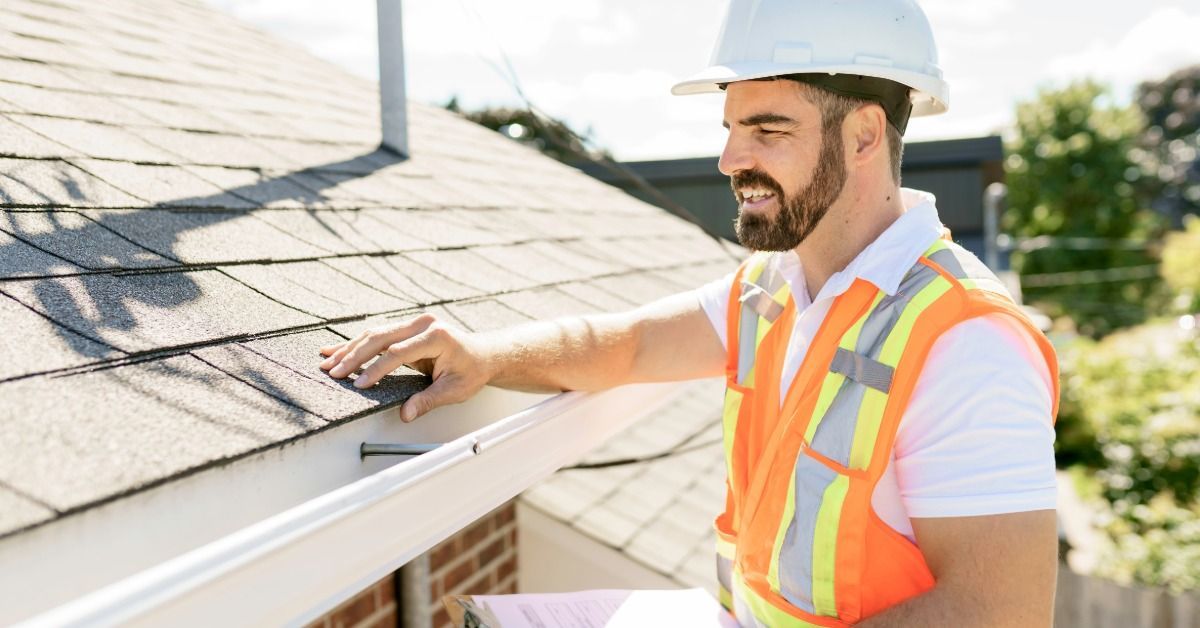
As temperatures begin to fall, homeowners often focus on furnaces, windows, and other cold-weather preparations. The roof deserves the same attention because it serves as the home’s first defense against snow, ice, wind, and moisture. Understanding the importance of roof inspections before winter can help homeowners identify vulnerable areas while there is still time to address them. A professional inspection provides a clearer picture of the roof’s condition before harsh weather makes small problems harder to manage.
Why Winter Weather Can Be Hard on a Roof
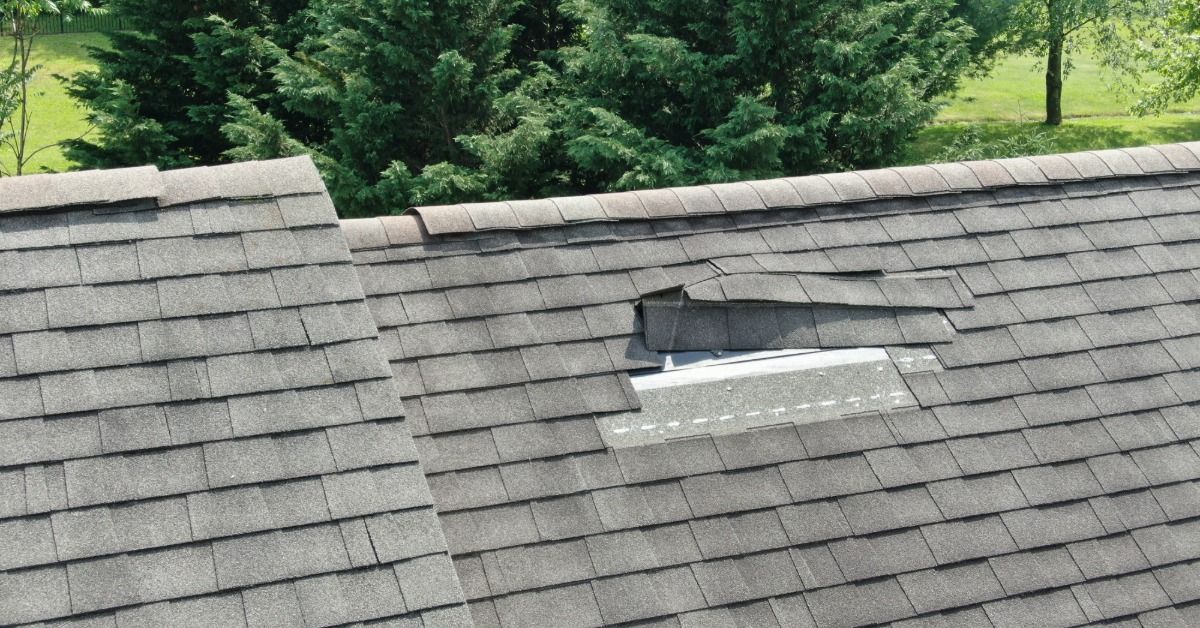
Winter creates demanding conditions for residential roofing systems. Snow can also remain on a roof for extended periods, adding weight while exposing vulnerable areas to moisture. Wind adds another concern during colder months. Shingles that have lifted or loosened may become more vulnerable when strong gusts move across the roof. An inspection before winter gives a roofer an opportunity to find these concerns before seasonal weather puts additional stress on the system.
Inspections Can Reveal Damage That Is Easy To Miss
Roof problems do not always create obvious warning signs inside the home. A homeowner may see a roof that appears normal from the ground even when individual shingles, flashing, or sealant need attention.
An inspection can also provide useful context about the roof’s overall condition. The roofer can look for visible deterioration and check whether key components remain secure. Finding an issue before winter often provides more options than waiting until snow or ice covers the roof. Scheduling the inspection before temperatures drop also gives homeowners more time to review recommendations, arrange necessary work, and prepare the property without the pressure that often follows winter roof damage.
Small Roof Problems Can Become Winter Leaks
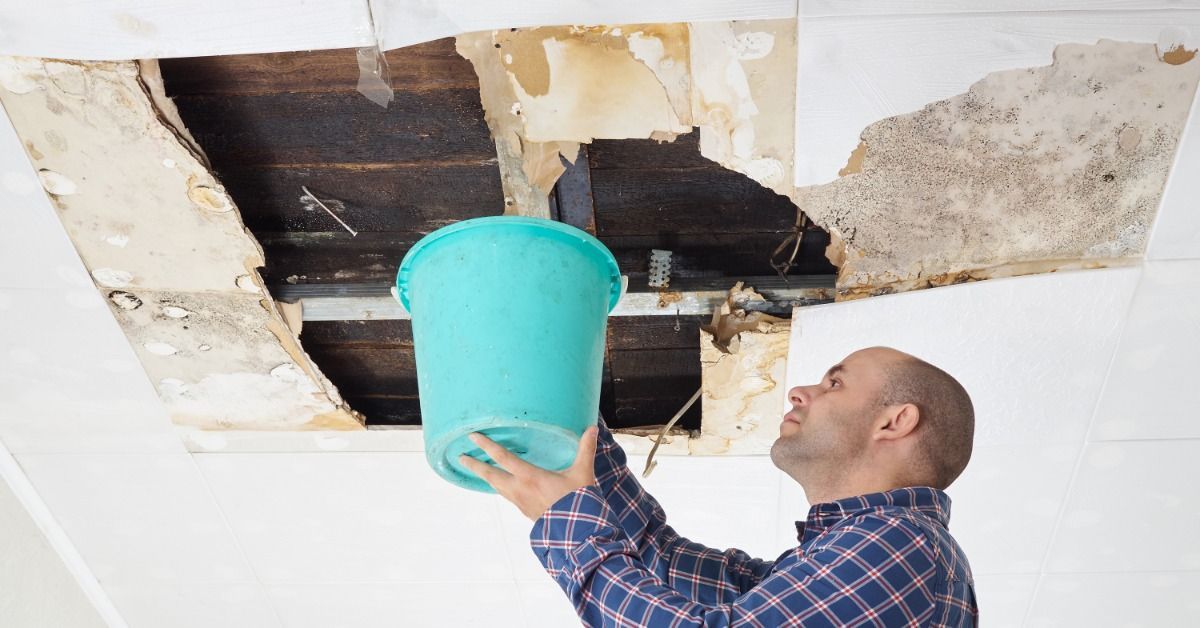
A minor opening in the roofing system may not cause an immediate interior leak during mild weather. Winter moisture can change that situation. Melting snow can move into vulnerable areas, while changing temperatures may repeatedly expose the same weak point to moisture.
Early inspection helps reduce the chance that an overlooked problem will become a disruptive winter concern. A roofer can identify damaged materials before conditions make access more challenging.
Flashing Deserves Attention Before Cold Weather
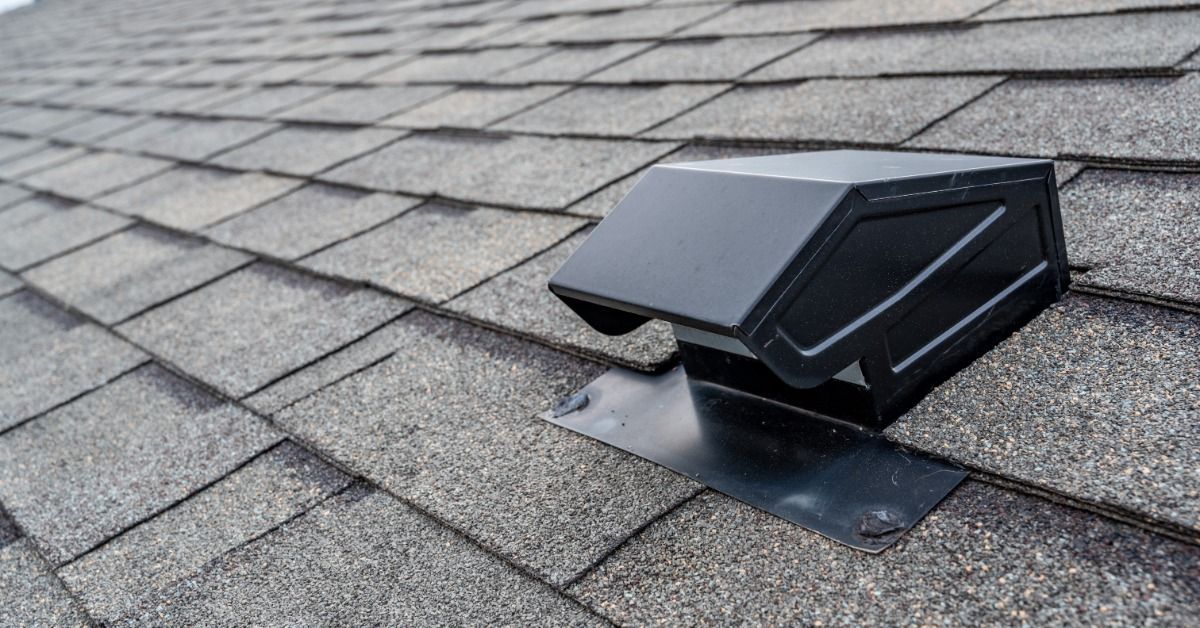
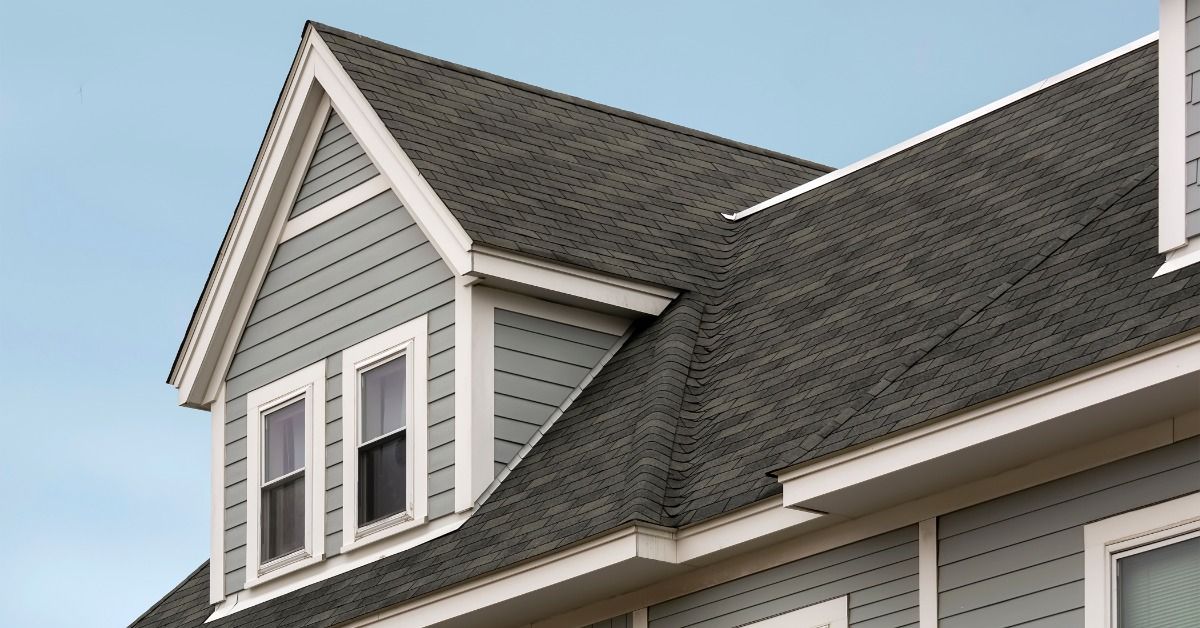
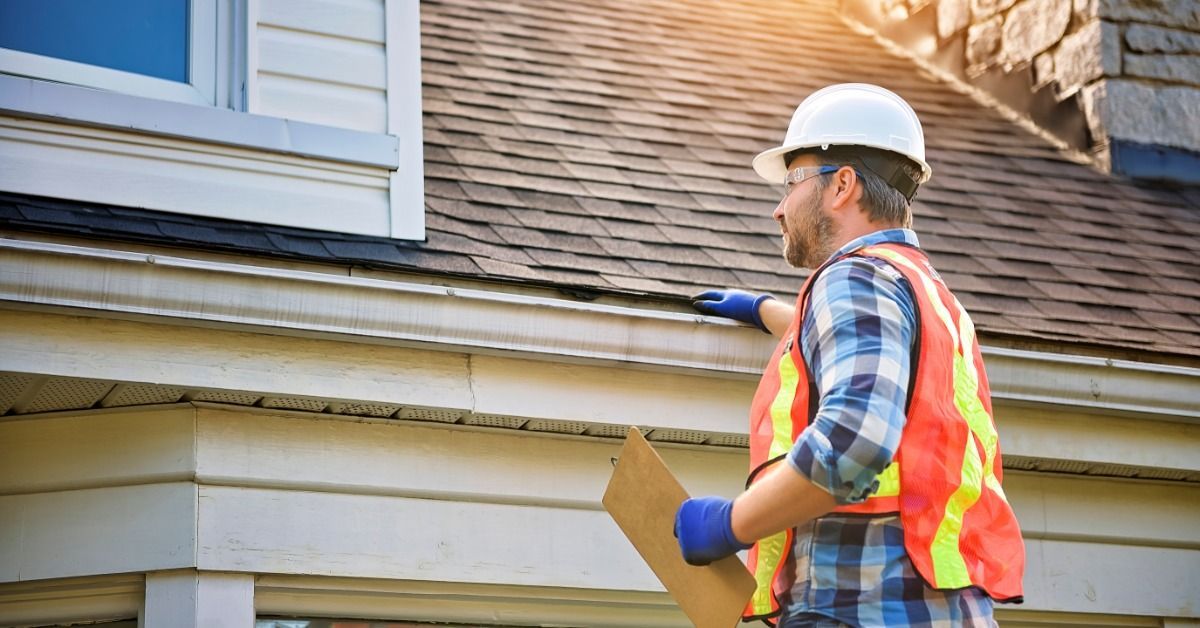
Flashing protects roof transitions and other areas where water could otherwise enter. You commonly find it around chimneys, vents, skylights, and roof intersections. Because these locations interrupt the main roofing surface, they require careful installation and ongoing attention. Damaged or separated flashing can create an entry point for water even when nearby shingles remain in good condition.
A pre-winter inspection allows a professional to examine these vulnerable areas closely. The roofer can look for movement, gaps, corrosion, or failing seals that may affect performance. When flashing remains secure, it helps direct water away from sensitive parts of the roof. Checking it before winter supports the roofing system’s ability to handle seasonal moisture.
Gutters and Roof Drainage Matter in Winter
The roof must move water away efficiently throughout the year, including during periods of snowmelt. Gutters support that process by collecting runoff and directing it away from the roof edge. When debris blocks drainage, water may remain where it should not. Cold temperatures can then create additional complications as trapped moisture freezes.
A roof inspection can help identify drainage concerns near the roofline. A professional may notice conditions that suggest water is not moving properly or that gutter components need attention. Homeowners should keep gutters clear as winter approaches so melting precipitation has a path away from the home. Good drainage works together with a sound roof to manage winter moisture.
Attic Conditions Can Offer Important Clues
A thorough roof evaluation may involve more than looking at exterior materials. Conditions inside the attic can sometimes reveal signs of moisture or ventilation concerns that deserve attention. Staining, damp areas, or other visible changes may point to a roofing issue that is not obvious from outside. Catching these clues early can help guide the next step.
Ventilation also plays an important role in roof performance during cold weather. A properly functioning system helps manage heat and moisture in the attic. When ventilation problems exist, winter conditions may place additional stress on the roof assembly. A roofing professional can evaluate visible concerns and explain whether further work is appropriate for the home.
Older Roofs Benefit From Regular Evaluation
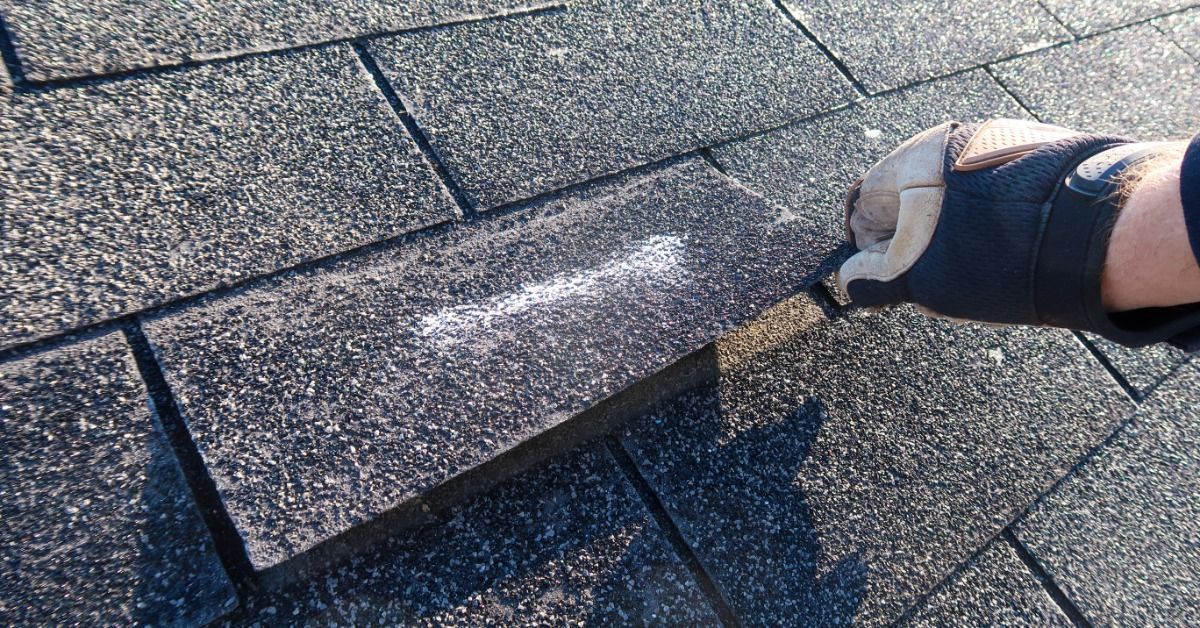
Every roof experiences wear as it ages. Sun exposure, storms, temperature changes, and normal weathering gradually affect roofing materials. An older roof may still perform well, but regular inspections become especially valuable because age can make certain components more susceptible to damage. Homeowners should not assume that the absence of an active leak means every part of the roof is ready for winter.
A professional inspection helps establish the roof’s current condition. If the roofer finds worn areas, the homeowner can discuss practical next steps before severe weather arrives. That may involve targeted repairs or planning for replacement when the roof has reached the end of its useful service life. Early information makes it easier to prepare instead of reacting to a winter emergency.
Professional Inspections Support Safer Decisions
Homeowners should avoid climbing onto a roof to perform a detailed inspection themselves. Roof surfaces can be steep, and cool weather may make them slippery even before snow arrives. Professional roofers have the training and equipment needed to evaluate roofing materials more safely. They also know how to recognize damage that may look insignificant to an untrained eye.
An inspection gives homeowners information they can use when deciding what the roof needs. It can confirm that no obvious repair is necessary or identify work that should happen before winter. Either outcome provides valuable direction. Rather than guessing about the roof’s condition, homeowners can enter the colder season with a professional assessment in hand.
Schedule a Roof Inspection Before Chicago Winter Arrives
The importance of roof inspections before winter comes down to preparation. A timely evaluation can uncover damaged materials, vulnerable flashing, or drainage concerns before snow and freezing temperatures make roofing problems more difficult to address. Homeowners who know the condition of their roof can make informed decisions and protect their homes with fewer surprises during the colder months.
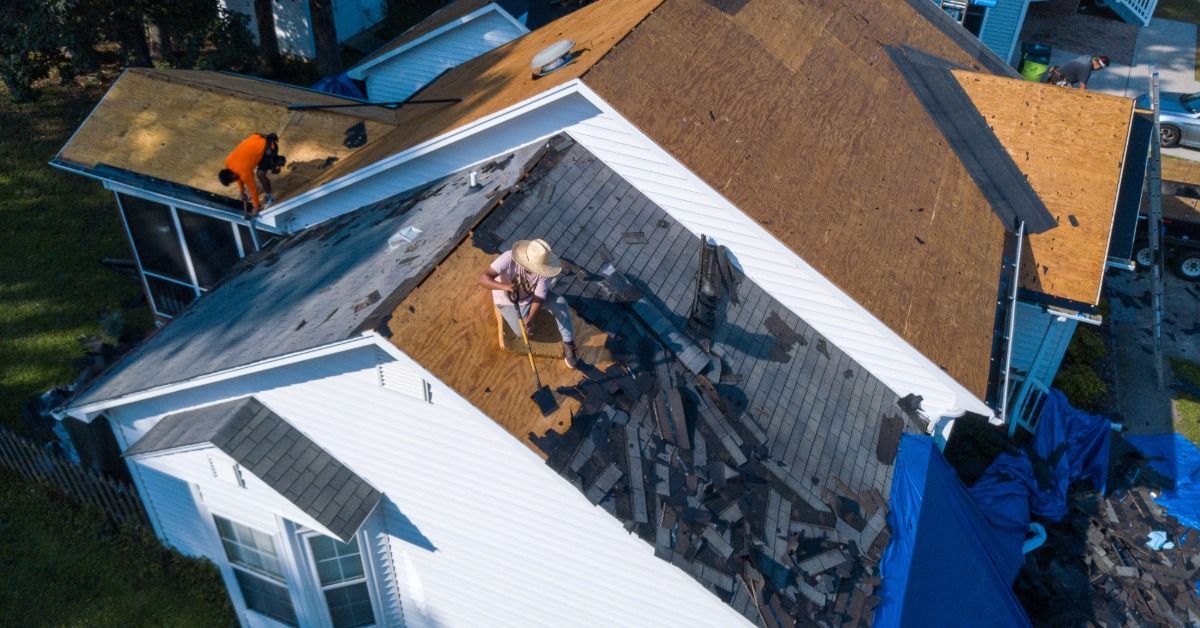
When a roof needs replacement, Prusak Roofing performs residential roof installations in Chicago and the surrounding suburbs. Our experienced team evaluates your home’s roofing needs and completes professional installation with dependable workmanship. Contact us to request a free estimate and discuss your roof before winter arrives.