What Is a Solar Fan and How Does It Work?
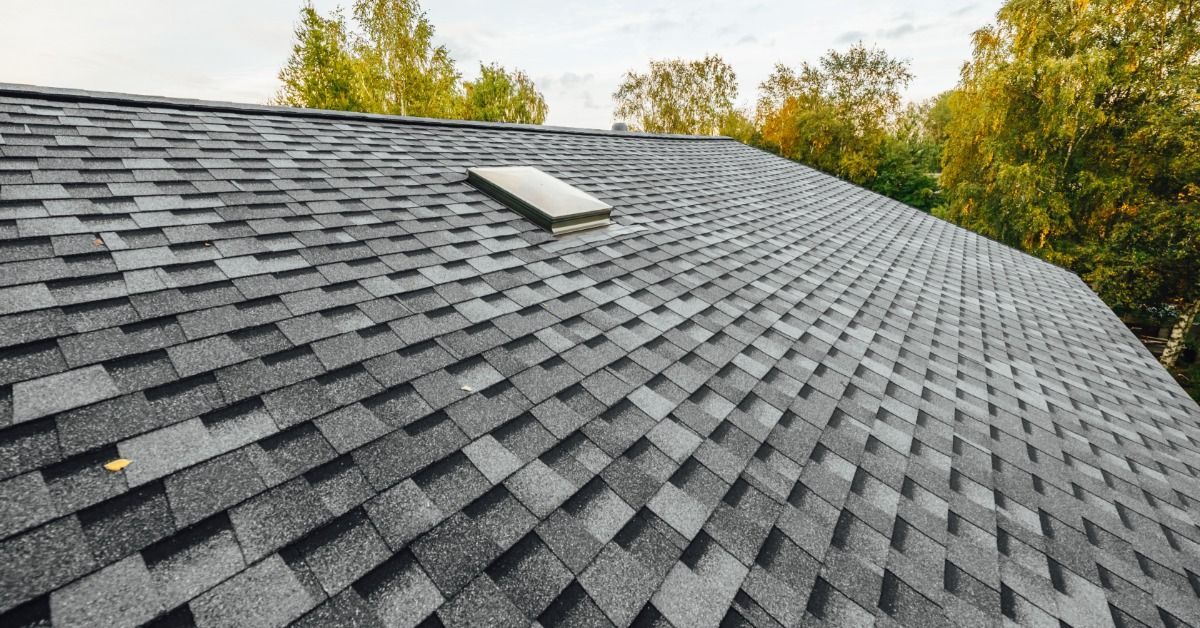
A comfortable home depends on more than the roofing material you see from the street. Proper attic ventilation helps manage heat and moisture beneath the roof. Homeowners looking for a ventilation option that uses sunlight for power may consider a solar attic fan. Understanding what a solar fan is and how it works can help you see where this equipment fits into a roofing and ventilation system.
What Is a Solar Fan?
A solar fan is a ventilation device powered by energy collected from sunlight. On a roof, the term usually refers to a solar attic fan installed to help move hot, humid air out of the attic. A small solar panel supplies electricity to the fan motor, allowing the unit to operate without drawing power from the home's electrical system during normal solar-powered operation.
The fan sits near or on the roof and creates active airflow when sufficient sunlight reaches its solar panel. As the fan removes attic air, replacement air enters through properly designed intake vents. This movement supports the roof's overall ventilation strategy rather than working as an isolated feature.
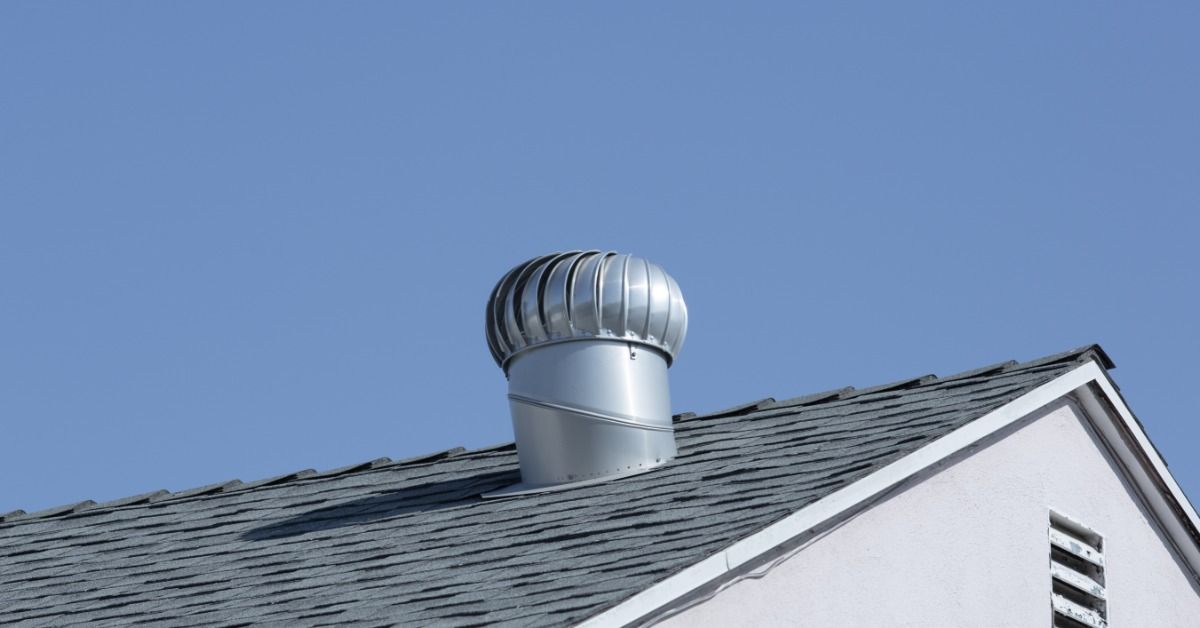
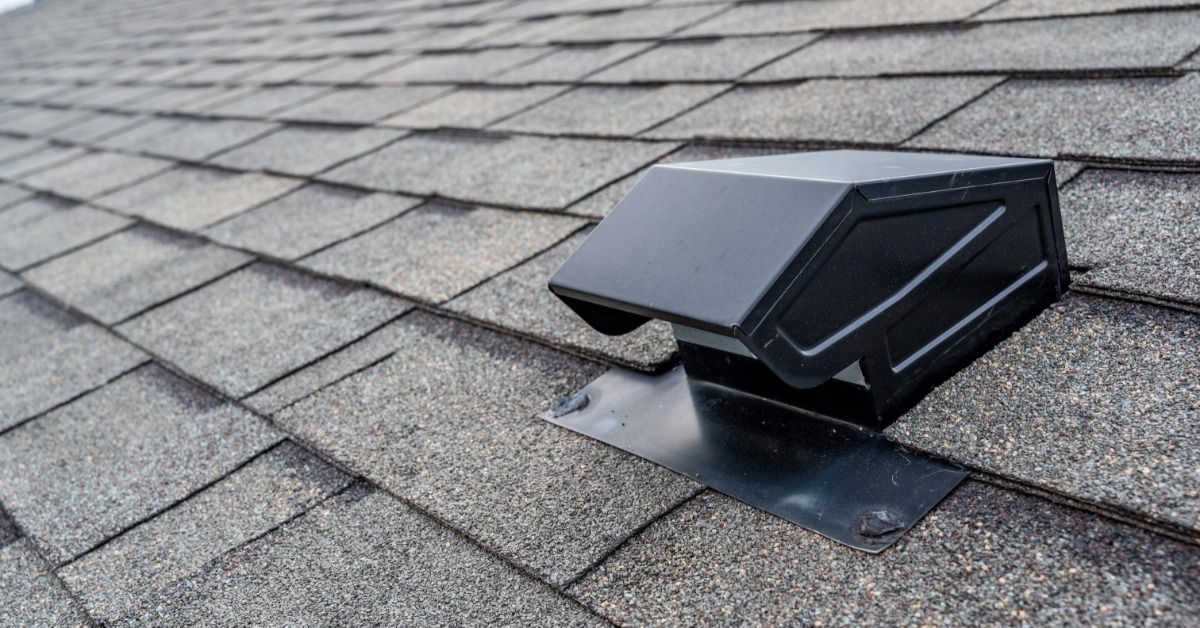
Solar fans differ from passive roof vents because they use a motor to move air. Passive vents rely on natural air movement and pressure differences. A solar-powered fan can provide additional exhaust airflow when sunlight is available, especially during bright periods when roof and attic temperatures may rise.
How Solar Power Runs the Fan
The solar panel is the feature that gives this type of fan its name. When sunlight reaches the panel, photovoltaic cells convert solar energy into electricity. That electricity powers the fan motor, which turns the blades and moves attic air toward the exterior.
Because available sunlight changes throughout the day, fan performance can also change. Strong direct sunlight generally provides more power than heavy shade or overcast conditions. Roof orientation, nearby trees, and the placement of the panel can therefore affect how consistently a solar fan operates.
Some solar fan designs include controls or additional features, but the basic process remains straightforward. Sunlight reaches the panel, electricity powers the motor, and the motor drives airflow. The system uses a renewable energy source at the point of operation without requiring the fan to consume household electricity while running directly on solar power.
Why Attic Ventilation Matters
An attic can collect substantial heat when sunlight warms the roof. Without effective ventilation, that heat may remain trapped beneath the roof deck and make the attic much warmer than outdoor conditions. Moving heated air outside can reduce excessive heat buildup and support a more balanced attic environment.
Moisture also matters, especially when warm indoor air reaches a cooler attic space. Everyday household activities can add moisture to indoor air, and some of that moisture may migrate upward. Effective attic ventilation helps move moisture-laden air outdoors before persistent damp conditions contribute to problems within the roof assembly.
How a Solar Fan Works With Roof Vents
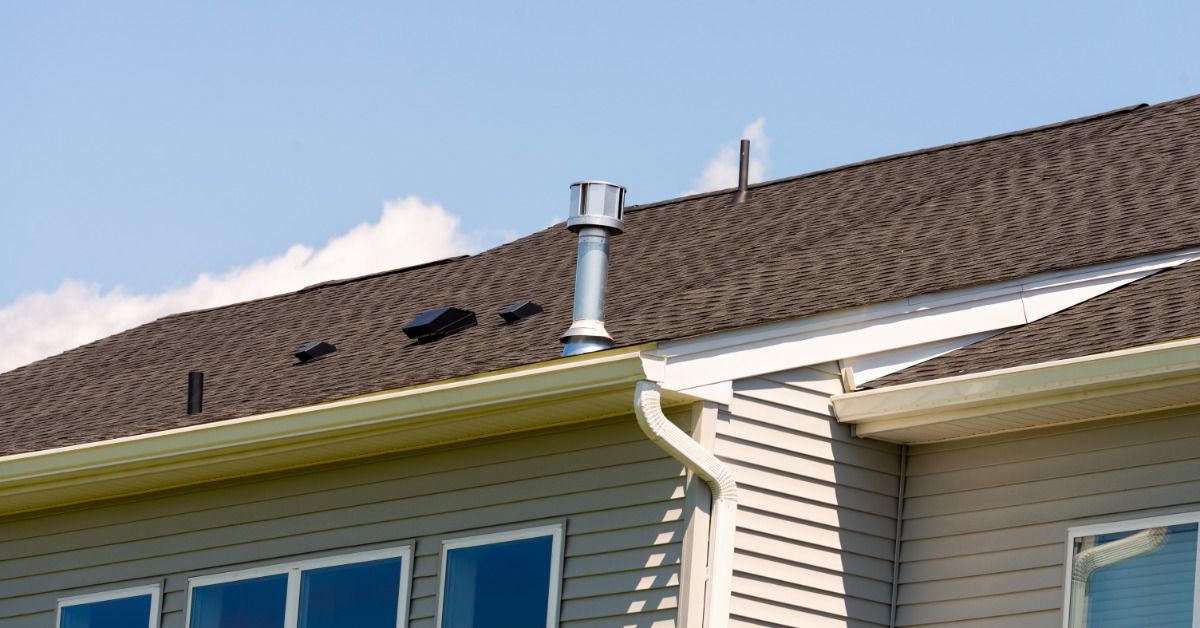
A solar attic fan needs access to replacement air to move air effectively. Intake vents, often located near the lower portion of the roof or at the soffits, allow outdoor air to enter. The fan then helps exhaust warmer attic air through its roof-mounted opening.
This relationship makes ventilation planning important. Simply adding a powered exhaust fan does not guarantee that an attic will ventilate correctly. A roofing professional should consider existing intake ventilation, attic configuration, and other exhaust vents before deciding whether a solar fan belongs in the system.
Where Roofers Install Solar Fans
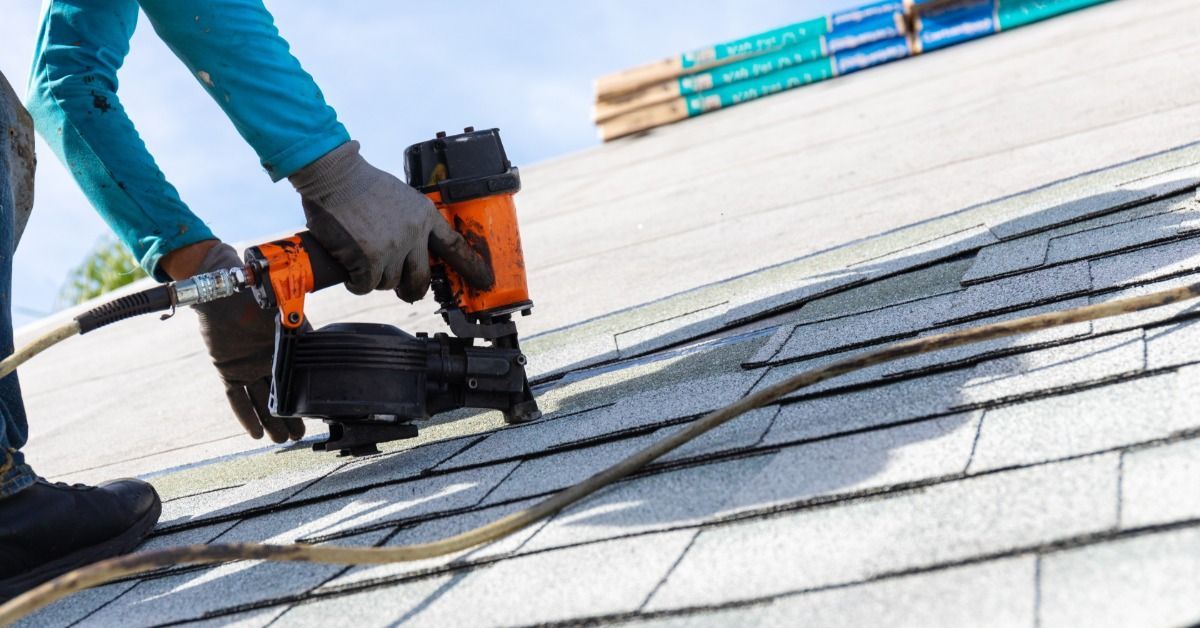
Roofers commonly install solar attic fans through the roof surface, although available designs and suitable locations vary. Roof-mounted units require careful flashing and sealing around the opening because the installation becomes part of the weather-resistant roof assembly. Correct installation protects the area where the fan penetrates the roof.
Placement also affects solar exposure. A panel shaded for much of the day may receive less energy than one positioned for stronger sunlight. The installer must balance solar access with roofing conditions and the attic's ventilation needs when selecting a location.
A solar fan installation should also account for the condition of the existing roof. Cutting into an aging or damaged roof requires careful judgment. Homeowners should discuss ventilation options as part of the larger roof replacement project instead of treating them as an afterthought.
What Homeowners Can Expect From a Solar Fan
A solar fan's primary role is ventilation. It helps exhaust attic air when solar energy is available, which can be useful during sunny weather when attic heat often builds. Homeowners should view it as one component of attic management rather than a device that independently controls indoor temperature.
Results depend on the home. Attic size, insulation, air sealing, intake ventilation, and roof design can all influence performance. Climate conditions and solar exposure also affect when the fan runs and how much air it can move.
Solar Fans and Roof Replacement Planning
Roof replacement creates an opportunity to evaluate the entire roofing system. Contractors can inspect existing ventilation and consider whether current intake and exhaust components suit the attic. If a solar fan makes sense, planning it alongside the new roof can help coordinate its location and flashing details.
This approach also lets the roofing team consider how the fan will interact with other roof penetrations. Proper spacing and installation details matter because every opening in a roof needs reliable weather protection. Treating ventilation as part of the roof design supports a more complete installation.
Choosing the Right Ventilation Approach
Not every attic needs the same ventilation equipment. Roof shape, attic layout, existing vents, and available intake area can influence the best approach. A solar fan may be useful in some systems, while a properly designed passive ventilation arrangement may make more sense in others.
A professional evaluation helps homeowners avoid choosing equipment based only on the appeal of solar power. The goal should be effective attic ventilation that works with the entire roof. Solar technology can support that goal when the fan is correctly selected and installed for the home's conditions.
Plan Your Roof and Ventilation Together
Knowing what a solar fan is and how it works makes it easier to discuss attic ventilation with a roofing professional. A solar attic fan uses sunlight to power active exhaust airflow, but its effectiveness depends on proper intake ventilation and thoughtful installation.
Prusak Roofing installs new roofs in Bridgeview and the Chicagoland area and can evaluate ventilation needs as part of the roofing process. By planning the roof and attic ventilation together, homeowners can choose a system designed to protect the home and support dependable performance. Request a free quote today to learn more.