How To Prevent Rust and Corrosion on a Solar Fan
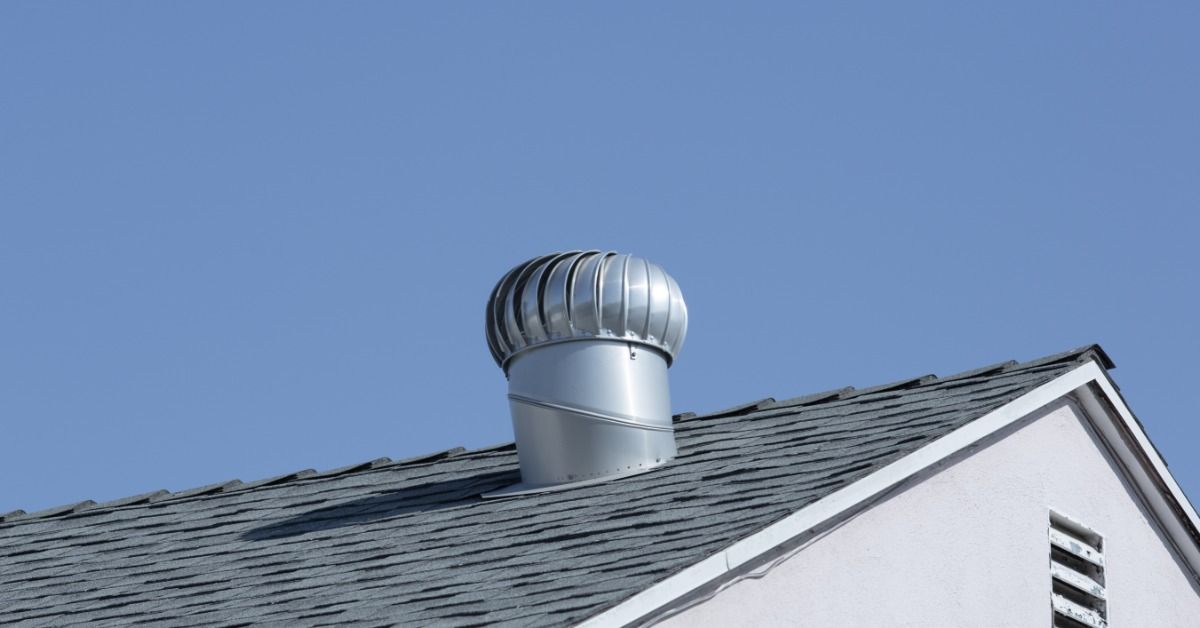
Solar exhaust fans help improve attic ventilation while using renewable energy to power continuous airflow. Like any roofing component exposed to the weather, these fans face constant moisture, temperature changes, and airborne contaminants that can affect their condition over time. Learning how to prevent rust and corrosion on a solar fan helps homeowners protect both the fan and the roof system beneath it. With proper installation, routine inspections, and simple maintenance, a quality solar fan can continue operating efficiently for many years.
Understand Why Rust Develops
Rust forms when metal remains exposed to moisture and oxygen for extended periods. Although many solar fan components use corrosion-resistant materials, no product remains completely immune to environmental wear. Constant exposure to rain, snow, humidity, and condensation gradually breaks down protective coatings if they become damaged.
The location of a home also affects how quickly corrosion develops. Airborne pollutants, road salt, and seasonal weather can accelerate oxidation on exposed metal surfaces. Areas near busy highways often expose roofing materials to additional contaminants that settle on equipment over time.
Even minor scratches can create entry points for moisture. Once protective finishes wear away, corrosion spreads beneath the surface if it remains untreated. Catching these small issues early prevents more extensive deterioration later.
Choose High-Quality Materials
The first step toward preventing corrosion begins before installation. Solar exhaust fans manufactured with durable materials generally withstand harsh weather much better than lower-quality alternatives. Stainless steel, aluminum, and powder-coated components provide greater resistance to oxidation than untreated metals.
High-quality flashing also protects vulnerable areas where the fan meets the roof. Proper flashing keeps water from reaching fasteners and exposed metal joints that are often corrosion hotspots. Premium sealants further improve protection by preventing moisture intrusion around the installation.
Quality hardware matters as well. Rust-resistant screws, brackets, and fasteners help maintain the structural integrity of the entire assembly. When every component resists corrosion, the complete system performs more reliably.
Ensure Professional Installation
Even the best equipment performs poorly when installed incorrectly. Proper installation keeps water flowing away from the fan instead of allowing moisture to collect around mounting points. Correct positioning also reduces unnecessary exposure to standing water after storms.
Roof pitch influences drainage around every roof penetration. Professional installers understand how flashing should overlap roofing materials to direct water away naturally. They also seal vulnerable areas without trapping moisture beneath the flashing.
Improper installation often creates hidden gaps where water slowly enters over time. That moisture may remain unnoticed until corrosion affects fasteners or structural components. Careful workmanship significantly reduces these risks from the beginning.
Keep the Fan Clean Throughout the Year
Regular cleaning removes dirt that traps moisture against metal surfaces. Leaves, pollen, dust, and other debris often accumulate around roof-mounted equipment, especially during seasonal weather changes. Allowing debris to remain in place increases the likelihood of corrosion.
Gentle cleaning with water and a soft cloth usually removes surface buildup without damaging protective finishes. Avoid harsh chemicals or abrasive brushes that may scratch painted surfaces or protective coatings. Even small scratches can become starting points for rust.
Cleaning also allows homeowners to inspect the unit more closely. While removing debris, look for chipped paint, discoloration, or early signs of oxidation.
Inspect Protective Coatings
Protective coatings shield metal components from direct contact with moisture. Over time, sunlight, weather, and normal aging gradually reduce their effectiveness. Periodic inspections help identify areas where these finishes require attention.
Small chips or worn sections should receive touch-up coatings designed for exterior metal applications. Reapplying protective finishes before rust develops preserves the integrity of the underlying material. Waiting until corrosion appears often requires more extensive repairs.
Homeowners should avoid applying incompatible paints that may trap moisture beneath the coating. Products designed specifically for outdoor metal roofing components generally provide the most reliable protection.
Watch for Water Drainage Problems
Standing water increases the likelihood of corrosion on any metal roofing component. Water should flow freely around the solar fan without pooling near flashing or mounting brackets. Proper drainage keeps surfaces drier between storms.
Clogged gutters sometimes contribute to drainage issues around roof penetrations. Overflowing water may repeatedly soak nearby components during heavy rainfall. Keeping gutters clear helps direct water safely away from the roof system.
Roof surfaces should also remain free from debris that blocks natural runoff. Branches, leaves, and accumulated dirt may create small dams that allow water to remain against metal components much longer than intended.
Check Fasteners and Seals
Fasteners hold the solar fan securely against the roof while maintaining a weather-resistant seal. As roofing materials expand and contract with changing temperatures, screws and mounting hardware may gradually loosen. Loose fasteners allow moisture to enter areas that should remain dry.
Inspect visible screws for signs of rust, movement, or damaged washers. Replacing worn hardware before corrosion spreads helps preserve the surrounding materials. High-quality replacement fasteners should match the corrosion resistance of the original equipment.
Roof sealants also deserve regular attention. Sealants naturally age as they endure sunlight and seasonal weather. Replacing deteriorated sealant before leaks develop prevents moisture from reaching hidden metal surfaces.
Schedule Routine Roof Inspections
Professional roof inspections often identify corrosion before homeowners notice visible damage. Roofing professionals understand where moisture commonly collects and know how to recognize early warning signs that might otherwise remain hidden.
Routine inspections evaluate not only the solar fan but also the surrounding roofing materials. Flashing, sealants, shingles, and ventilation components all work together to protect the roof system. Addressing small concerns early often prevents expensive repairs later.
Experienced contractors can also recommend maintenance based on the roof's age, local climate, and overall condition. Their guidance helps homeowners extend the service life of both the ventilation system and the roofing materials.
Protect Against Seasonal Weather
Seasonal weather places different demands on solar exhaust fans throughout the year. Winter snow, spring rain, summer heat, and autumn debris each affect roofing components in unique ways. Adapting maintenance to changing conditions reduces long-term wear.
After severe storms, inspect the fan for impact damage caused by hail or falling branches. Even small dents may crack protective finishes that previously resisted corrosion. Prompt repairs help restore the fan's protective barrier before moisture causes additional damage.
Winter also creates freeze-thaw cycles that stress roofing materials. Removing excessive debris before snowfall helps prevent trapped moisture from remaining against metal surfaces during freezing conditions.
Protect Your Solar Fan With Expert Installation
Knowing how to prevent rust and corrosion on a solar fan allows homeowners to protect their investment while supporting efficient attic ventilation for years to come. Consistent maintenance, professional inspections, and quality installation all reduce the likelihood of corrosion affecting the system.
When homeowners want dependable attic ventilation, Prusak Roofing installs professionally fitted solar exhaust fans in Chicago using quality materials and proper installation techniques that help maximize long-term performance. We can enhance your home’s comfort with dependable ventilation solutions. Contact us for a free quote.