8 Tips for Preventing Roof Damage From Freeze-Thaw Cycles
Winter weather creates challenges for residential roofs, especially when temperatures repeatedly rise above freezing and drop overnight. Understanding how these changes affect roofing materials helps homeowners avoid costly repairs. Following these tips for preventing roof damage from freeze-thaw cycles can reduce moisture problems and protect your home throughout winter. Regular maintenance also helps your roof withstand unpredictable seasonal conditions.
How Freeze-Thaw Cycles Affect Your Roof
Freeze-thaw cycles occur when snow melts during warmer temperatures and freezes again as conditions cool. Water enters small openings around shingles or vulnerable roofing components before expanding as it freezes. This expansion places pressure on surrounding materials and gradually enlarges existing gaps.
Repeated freezing and thawing can loosen shingles and weaken protective seals. Eventually, moisture may reach the roof decking and cause problems inside your home. Understanding this process explains why preventative maintenance matters during winter.
1. Schedule Professional Roof Inspections Before Winter
A professional inspection helps identify vulnerable areas before freezing temperatures arrive. Roofing contractors examine shingles and flashing for deterioration that could allow moisture penetration. Small defects often become more troublesome when winter weather repeatedly exposes them to moisture.
Scheduling inspections before severe weather gives homeowners time to address concerns. Professional roofers can recommend appropriate repairs based on the roof's condition and existing materials.
2. Keep Gutters Clear and Functioning Properly
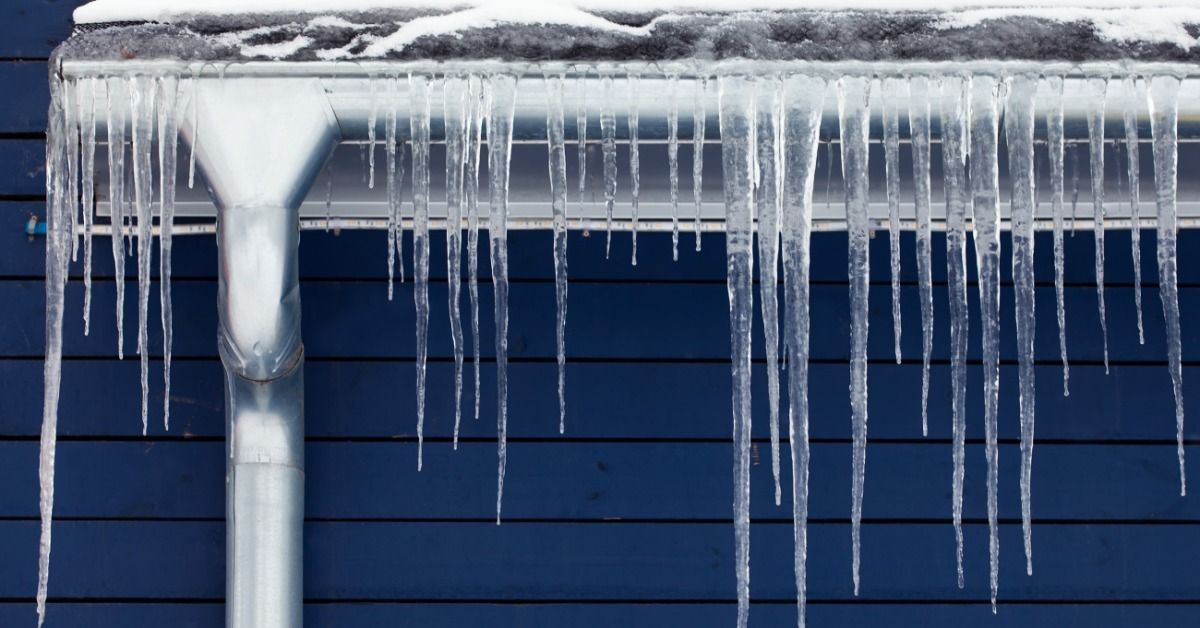
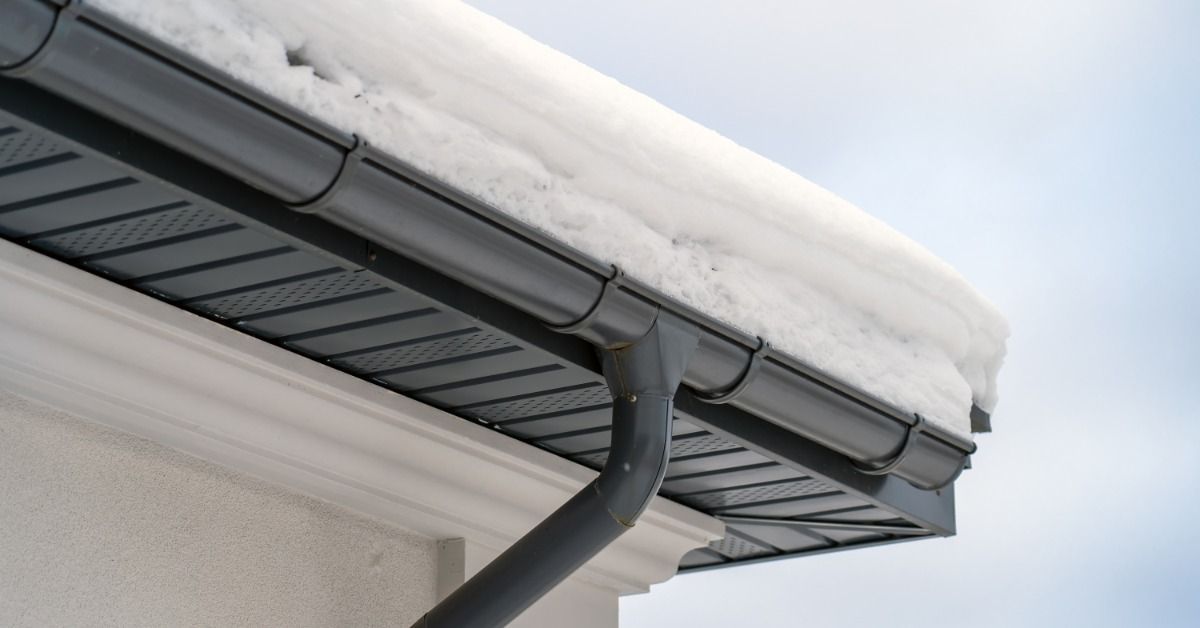
Clogged gutters prevent melting snow from draining away from your roof. When leaves or debris block drainage, water can accumulate near roof edges and freeze as temperatures fall.
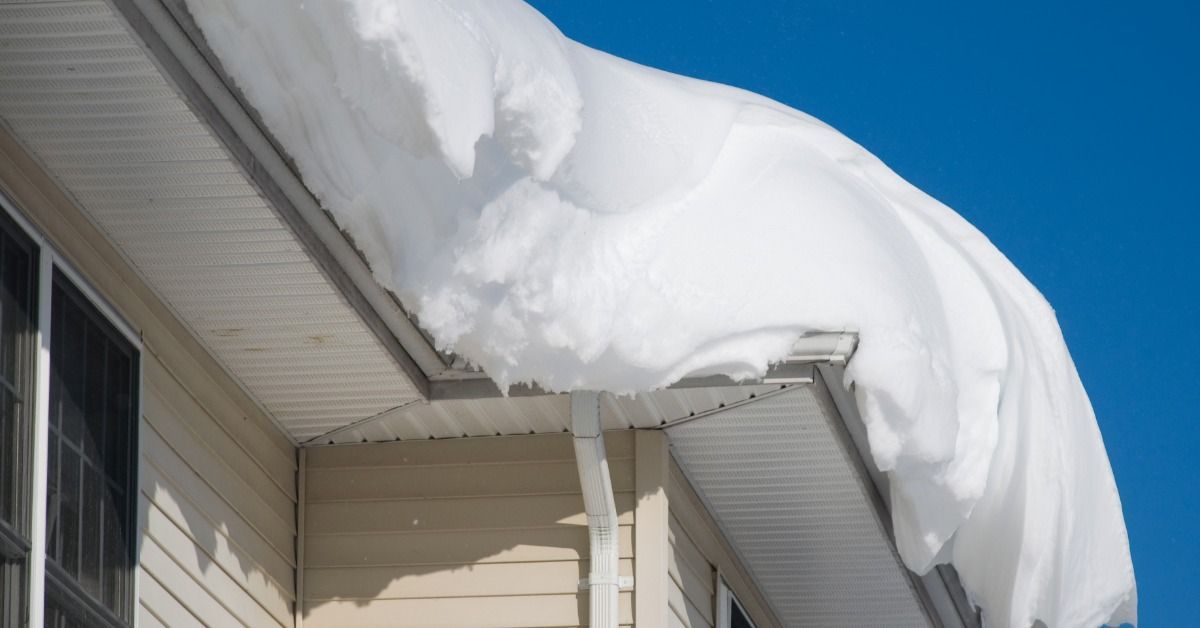
Ice buildup may contribute to ice dams, which prevent additional melting snow from draining properly. Water can then move beneath shingles and potentially reach vulnerable roofing components.
Homeowners should clean gutters regularly, particularly after autumn leaves finish falling. Check downspouts for blockages and confirm that water flows away from the house. Professional gutter maintenance can also identify damaged sections requiring attention.
3. Address Damaged or Missing Shingles Promptly
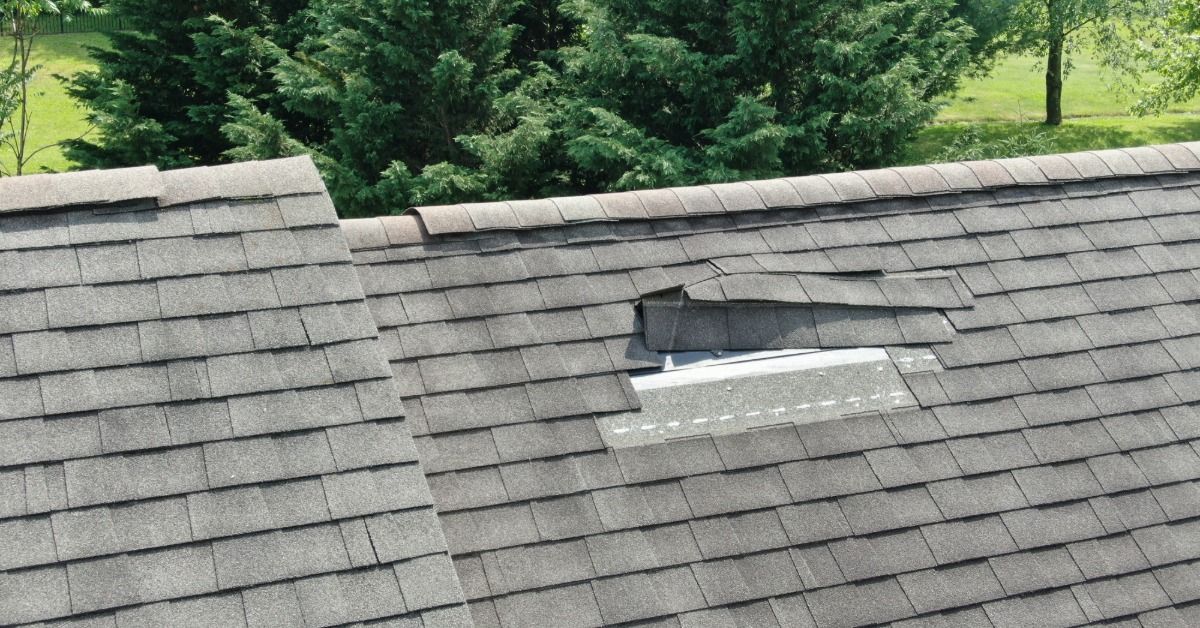
Shingles provide an essential protective barrier against moisture. When shingles crack or become loose, melting snow can reach areas that normally remain protected.
Freeze-thaw conditions make these weaknesses particularly concerning because water expands when it freezes. Repeated expansion can worsen existing cracks and create larger openings in the roofing system.
Homeowners should watch for visible shingle damage from the ground, especially following winter storms. Missing shingles require prompt professional attention to prevent moisture from reaching underlying materials. Repairing damaged sections early helps preserve your roof's protective performance.
4. Maintain Proper Attic Insulation and Ventilation
Attic conditions influence how snow melts across your roof. Excessive heat escaping through the attic can warm portions of the roof surface and cause uneven melting.
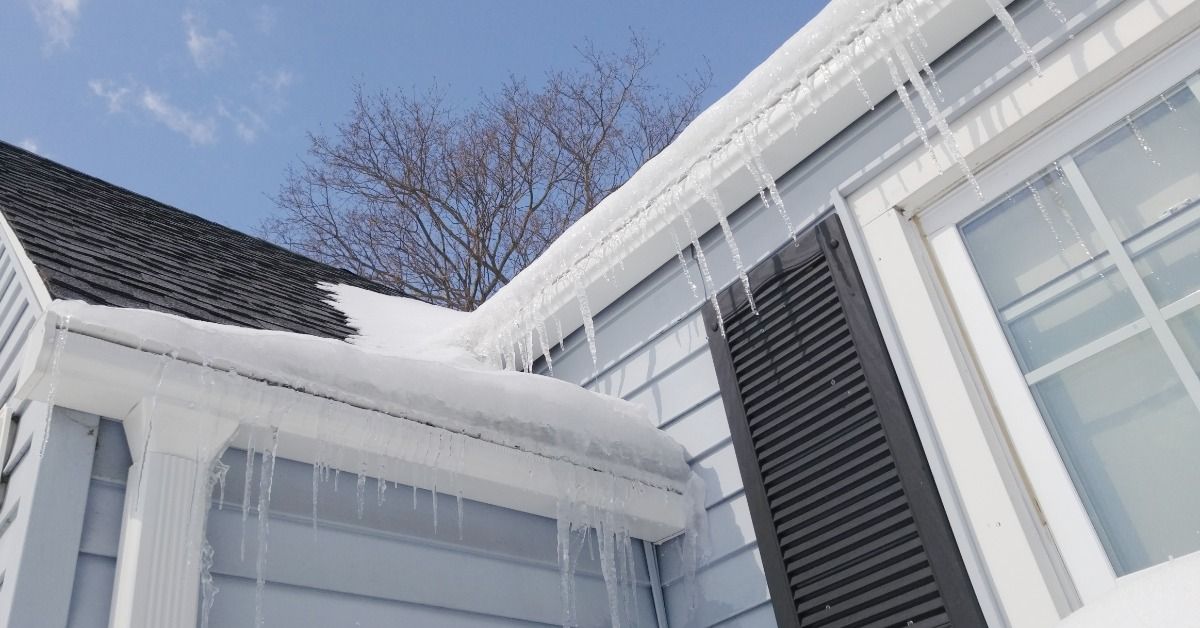
When melted snow reaches colder roof edges, it may refreeze and contribute to ice dam formation. This process creates opportunities for water to collect beneath roofing materials.
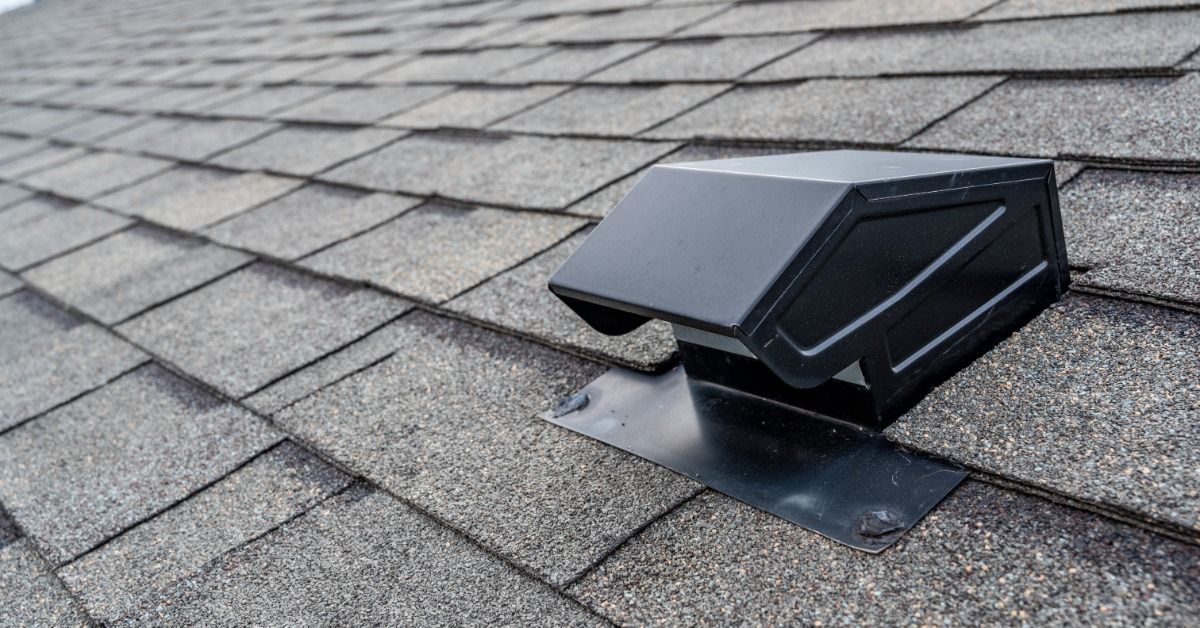
Proper insulation limits unwanted heat transfer between living spaces and the attic. Effective ventilation helps regulate attic conditions and supports consistent roof temperatures.
A roofing professional can evaluate whether your existing insulation and ventilation work effectively together. Addressing deficiencies may improve winter roof performance while supporting household energy efficiency.
5. Inspect Flashing Around Roof Openings
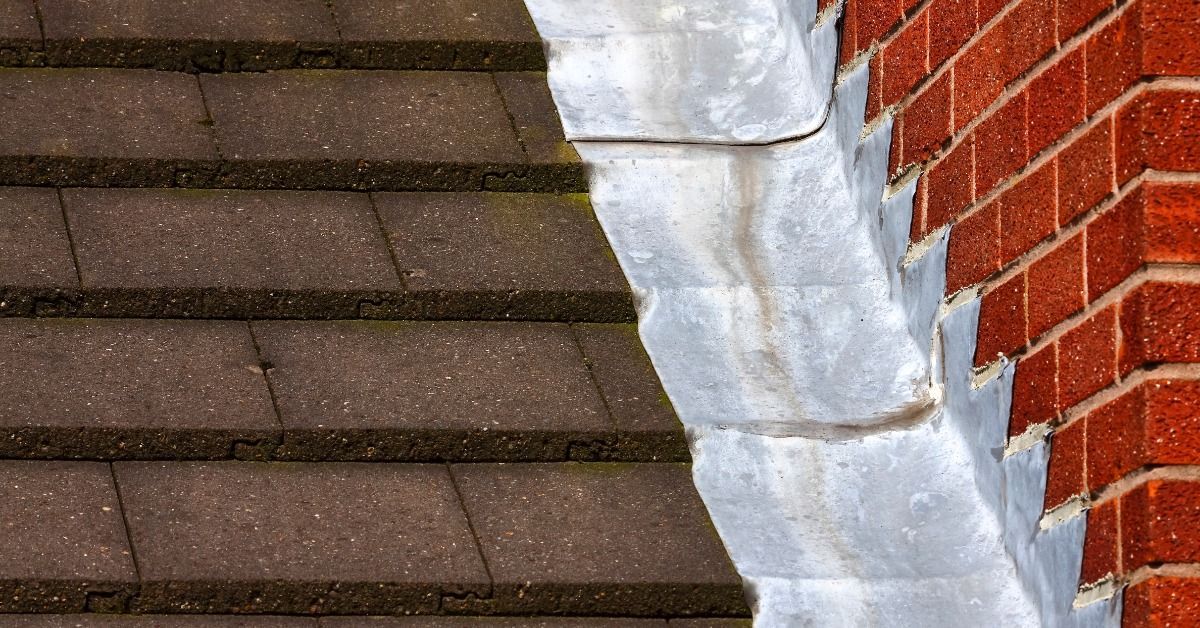
Roof flashing directs water away from vulnerable areas surrounding chimneys and other roof penetrations. When flashing deteriorates or separates from adjoining materials, moisture can enter openings that freezing temperatures gradually enlarge.
Winter temperature fluctuations can also stress sealants surrounding flashing connections. Existing gaps may worsen as trapped moisture repeatedly freezes.
Professional inspections help identify loose flashing before leaks develop. Roofing contractors can repair compromised connections and restore protection around vulnerable roof features.
6. Remove Excessive Snow Accumulation Safely
Heavy snow accumulation increases the amount of moisture your roof must manage during warmer winter days. As snow melts, water travels toward drainage areas where colder temperatures may cause refreezing.
Homeowners should monitor unusual snow buildup, particularly near roof edges where ice dams commonly develop. However, climbing onto a snowy roof creates significant safety risks.
Consider hiring qualified professionals when excessive accumulation requires removal. They can assess conditions and use appropriate equipment without unnecessarily damaging roofing materials.
Avoid chopping ice from shingles or using sharp tools to remove frozen buildup. Aggressive removal methods can damage protective surfaces and create additional opportunities for leaks.
7. Watch for Early Signs of Interior Moisture
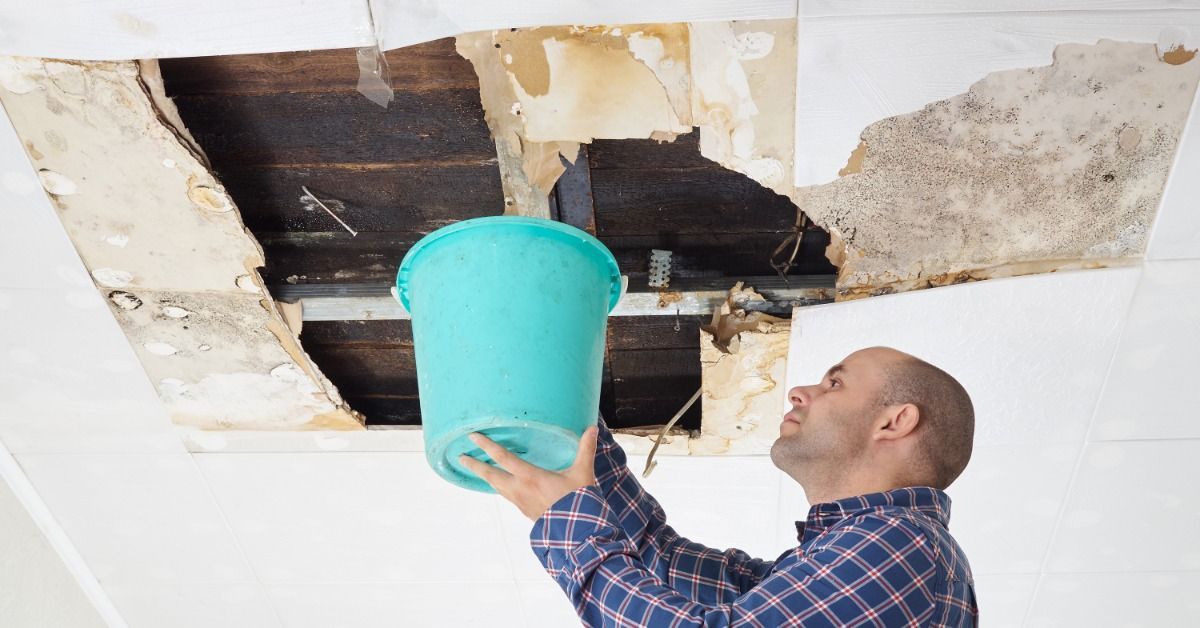
Roof problems sometimes become noticeable inside the home before exterior damage appears obvious. Water stains on ceilings may indicate that melting snow has reached vulnerable areas beneath roofing materials.
Homeowners should also inspect accessible attic spaces for damp insulation or visible moisture. These warning signs deserve attention even when leaks appear only during occasional temperature changes.
Prompt investigation helps determine whether the problem involves roofing materials or another moisture source. A professional inspection can identify the cause and recommend suitable corrective measures.
Ignoring intermittent moisture problems allows repeated freeze-thaw cycles to worsen damage. Early intervention helps protect interior finishes and structural components from continued exposure.
8. Plan Repairs Before Minor Problems Grow
Winter roofing problems rarely improve without intervention. Small openings may continue admitting moisture whenever temperatures rise enough to melt accumulated snow.
Homeowners should document visible concerns and arrange professional evaluations rather than waiting until spring. Some repairs require suitable weather conditions, but an experienced contractor can assess immediate risks.
Preventative maintenance also helps homeowners make informed decisions about aging roofing systems. When widespread deterioration affects multiple areas, roof replacement may provide more reliable protection than repeated temporary repairs.
Why Consistent Winter Maintenance Matters
Preventing freeze-thaw damage requires attention throughout winter rather than a single seasonal inspection. Conditions can change quickly when sunny afternoons follow freezing nights, allowing water to move through weaknesses that previously remained dry.
Homeowners benefit from checking visible roof conditions after major weather changes while leaving dangerous inspections to professionals. Keeping maintenance records also makes it easier to track recurring problems and identify areas requiring additional attention.
Consistent care helps preserve roofing materials and reduces the chance that small defects will become costly problems. Addressing concerns promptly also helps homeowners avoid unnecessary complications during severe winter weather.
Protect Your Home With Prusak Roofing
Following these tips for preventing roof damage from freeze-thaw cycles helps homeowners maintain dependable protection throughout challenging winters. Prusak Roofing is a residential roofing company in Bridgeview, Illinois, serving homeowners throughout the greater Chicago area. Our family-owned company brings decades of roofing experience to residential roofing projects. Whether your roof shows winter damage or needs professional attention before temperatures drop, contact Prusak Roofing to request a free quote.