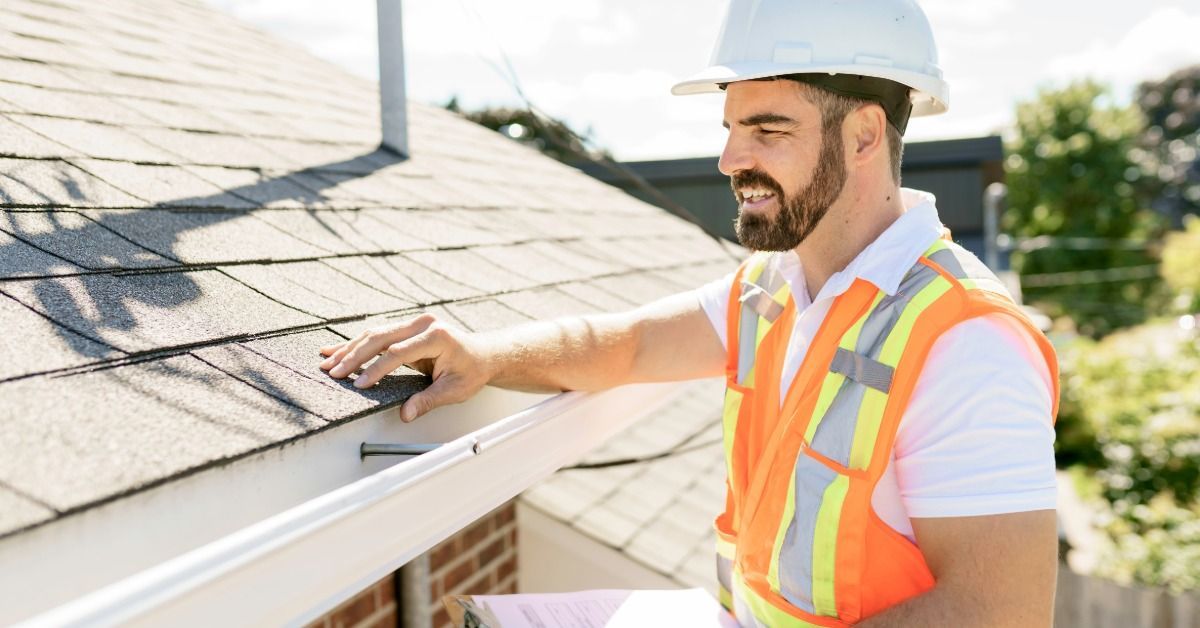
How Winter Ice Can Damage Roofing Materials
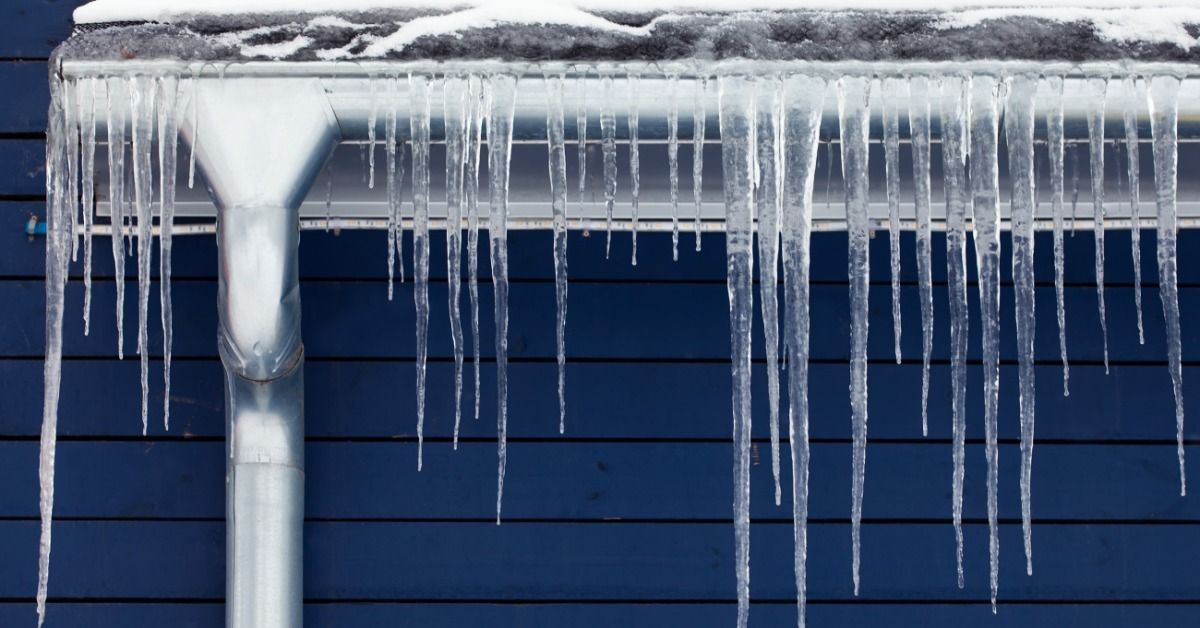
Winter weather creates serious challenges for roofs throughout the Chicagoland area. Heavy snowfall often grabs homeowners' attention, but ice can cause even greater problems when temperatures fluctuate. Understanding how winter ice can damage roofing materials helps homeowners recognize potential trouble before moisture reaches their living spaces. From weakened shingles to hidden leaks, ice can gradually compromise a roofing system and lead to expensive repairs if homeowners overlook early warning signs.
How Ice Forms on Residential Roofs
Ice develops when melting snow encounters freezing temperatures along the roof surface. During warmer winter afternoons, sunlight or escaping indoor heat can melt accumulated snow. As temperatures drop, that moisture refreezes around colder sections of the roof.
This repeated melting and freezing creates conditions that challenge roofing materials. Water can enter small openings before expanding as it freezes. Over time, this movement can widen existing gaps and weaken vulnerable areas.
Roof design also influences where ice accumulates. Shaded sections often remain colder than surfaces exposed to direct sunlight. Valleys and areas near roof penetrations can retain moisture longer, increasing the likelihood of ice formation.
Ice Dams Can Force Water Beneath Shingles
Ice dams develop when melting snow flows toward colder roof edges and freezes. As ice accumulates along the eaves, it creates a barrier that prevents additional meltwater from draining properly. Water then collects behind the frozen ridge.
Unlike ordinary rainfall, trapped water can move beneath roofing materials that normally shed moisture effectively. Once water reaches the underlayment or roof decking, it may find openings that allow moisture into the attic.
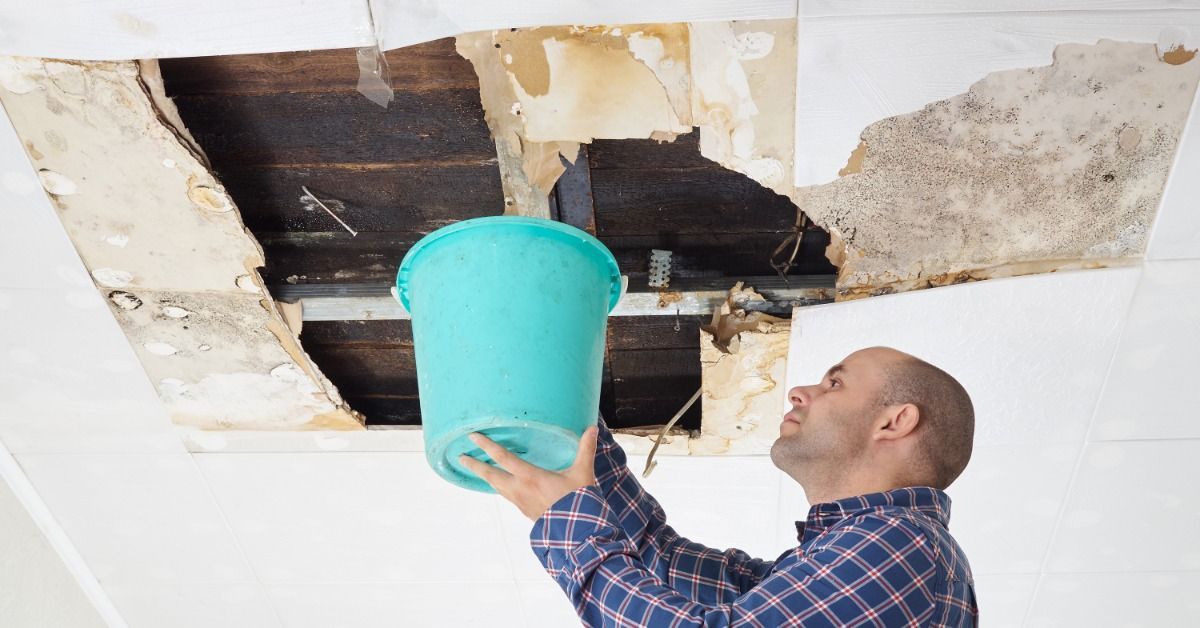
Homeowners sometimes notice ceiling stains after an ice dam develops. However, water can travel along framing before becoming visible indoors. The resulting damage may extend beyond the location of the original leak.
Removing an ice dam without damaging the roof requires appropriate equipment and professional care. Chipping ice with sharp tools can puncture shingles or damage protective components.
Freezing Temperatures Can Weaken Asphalt Shingles
Asphalt shingles provide dependable protection when manufacturers install them correctly and homeowners maintain their roofs. However, severe winter conditions can place additional stress on aging shingles.
Cold temperatures make certain asphalt shingles less flexible, particularly as they approach the end of their service life. When ice forms around weakened edges, existing cracks may become more vulnerable to moisture intrusion.
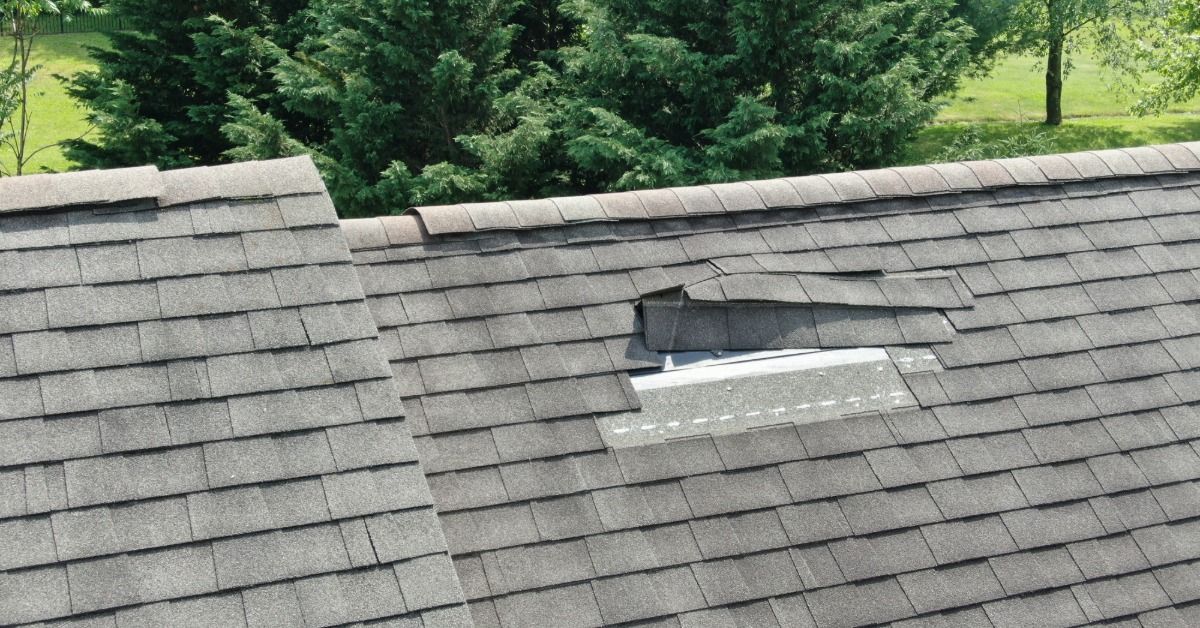
Repeated temperature changes can also affect areas where shingles have already lost adhesion. Wind may lift loose edges, allowing moisture to reach the layers underneath.
Granule loss creates another concern for older roofing systems. Shingles with significant surface wear have less protection against environmental exposure. Winter ice can compound existing deterioration rather than cause every problem independently.
Ice Expansion Can Damage Roof Flashing
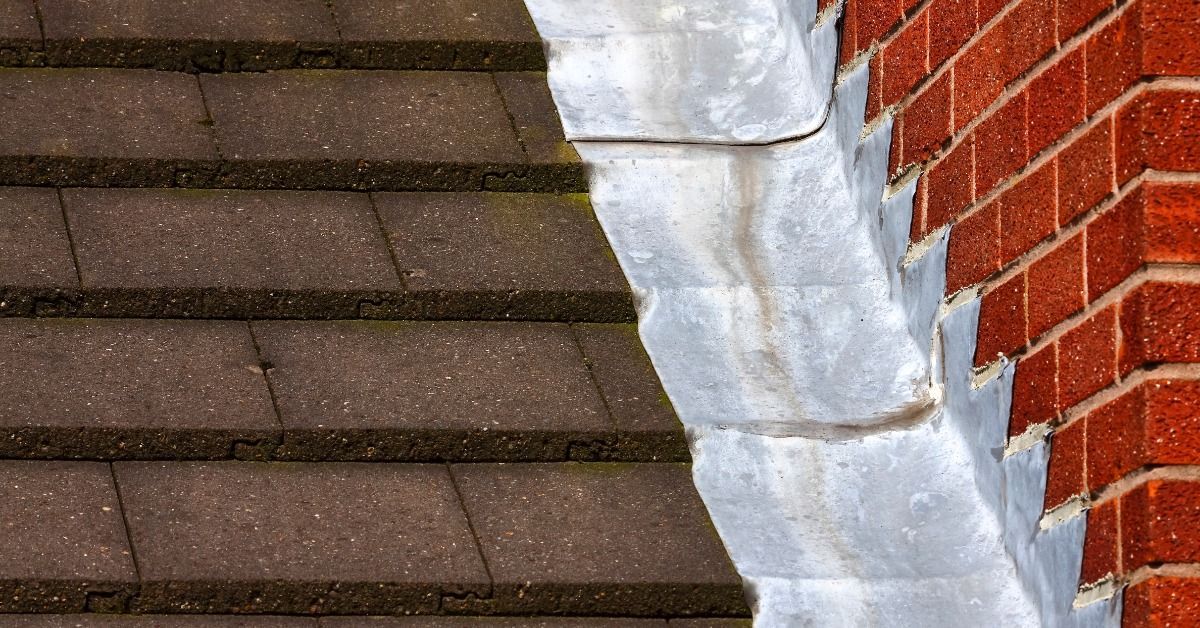
Roof flashing directs water away from vulnerable intersections around chimneys and other roof penetrations. These metal components play an important role in preventing leaks where roofing materials meet vertical surfaces.
When moisture enters small gaps around flashing, freezing temperatures can expand those openings. Repeated freeze-thaw cycles may gradually loosen existing seals or worsen deteriorated joints.
Ice buildup can also trap water near flashing connections. If the surrounding materials already show signs of wear, prolonged moisture exposure increases the chance of leakage.
Homeowners should pay particular attention to interior stains near chimneys or roof penetrations. These warning signs may indicate flashing problems that require professional evaluation.
Frozen Gutters Can Create Roofing Problems
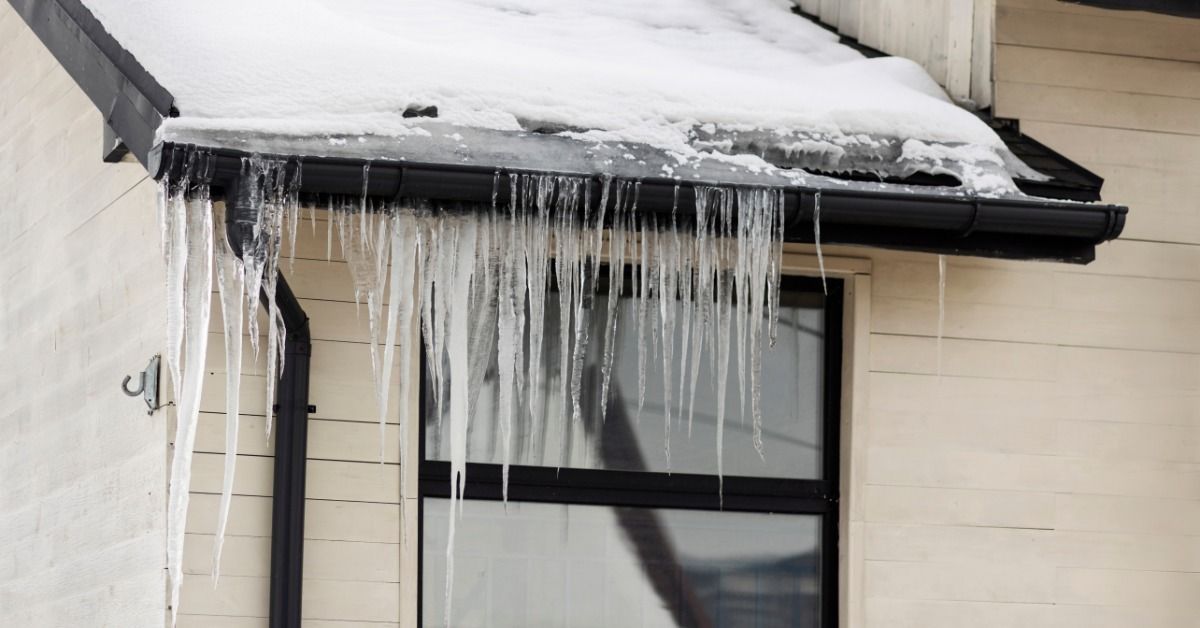
Gutters carry melting snow and rainwater away from roof edges. When leaves or other debris obstruct drainage, standing water can freeze inside the gutter system.
As ice accumulates, its weight places additional strain on gutter fasteners. Heavy buildup may pull sections away from the fascia, creating gaps that allow water to reach exposed wood.
Blocked gutters can also contribute to ice accumulation near the roof edge. Water that cannot drain efficiently may freeze repeatedly, increasing moisture exposure around the eaves.
Regular gutter maintenance helps reduce these risks. Homeowners should arrange safe cleaning before winter weather arrives and address drainage problems promptly.
How Ice Affects Roof Decking and Insulation
Roofing materials work together to protect the structure beneath them. When ice causes water to penetrate the outer roofing layers, moisture may reach wooden decking.
Repeated exposure can weaken roof decking and encourage deterioration. Wet wood may lose its ability to support roofing fasteners effectively, especially when moisture problems continue unnoticed.
Water entering the attic can also affect insulation. Damp insulation often performs less effectively, allowing additional heat to escape through the roof assembly.
This heat loss can contribute to uneven snowmelt, potentially encouraging further ice dam formation. Addressing the underlying moisture problem helps interrupt this cycle.
Warning Signs of Winter Roof Damage
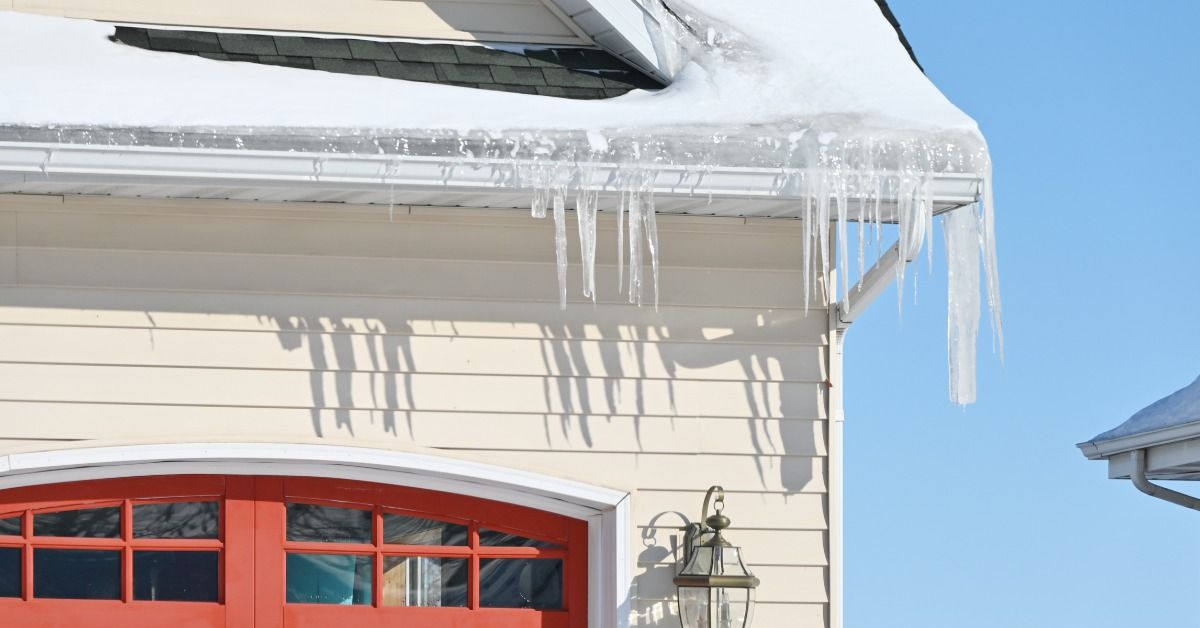
Homeowners can identify several potential problems without climbing onto a slippery roof. Large icicles near the gutters may suggest drainage concerns, although icicles alone do not confirm an ice dam.
Water stains on ceilings or exterior walls deserve attention, particularly after periods of thawing. Peeling interior paint may also indicate moisture entering from above.
From ground level, homeowners might notice displaced shingles or gutters pulling away from the house. These conditions warrant professional inspection before additional winter weather arrives.
Attic inspections can reveal damp insulation or visible water staining. However, homeowners should avoid entering unsafe attic areas or disturbing questionable electrical components.
Preventing Ice Damage Before Winter Arrives
Preventive maintenance offers homeowners an opportunity to address vulnerable roofing areas before freezing conditions begin. A professional roof inspection can identify deteriorated shingles and compromised flashing.
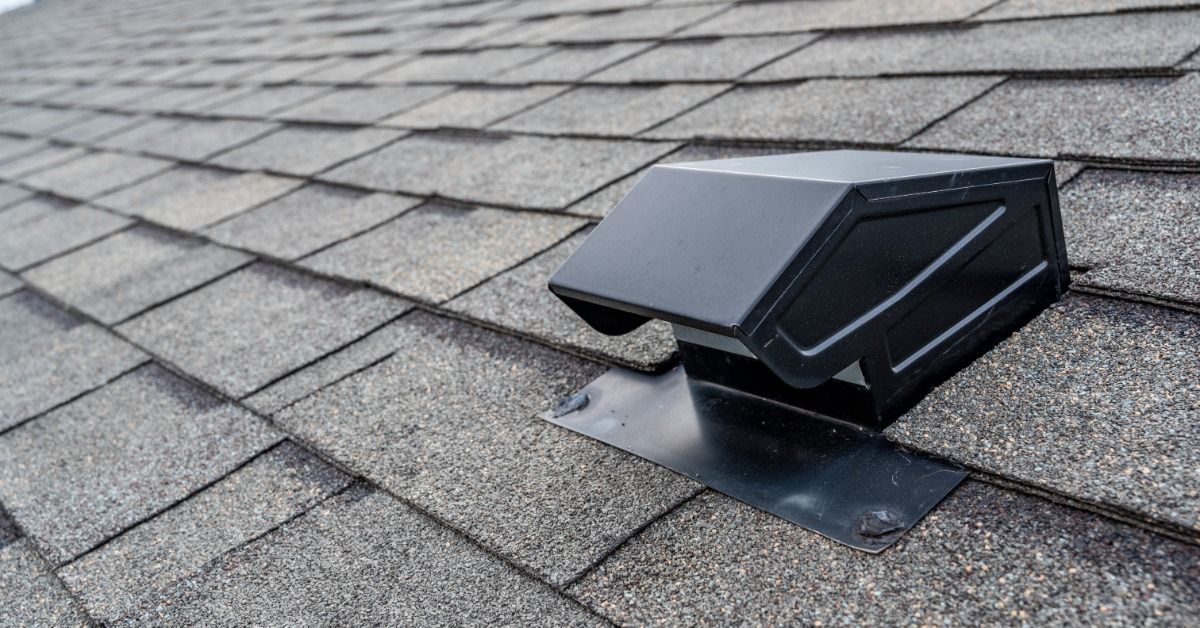
Proper attic insulation and ventilation help maintain more consistent roof temperatures. These improvements can reduce uneven snowmelt when contractors design the system appropriately.
Homeowners should also keep gutters clear and arrange repairs for known drainage problems. Prompt attention to existing leaks reduces the chance that winter moisture will worsen underlying damage.
After significant winter storms, homeowners should watch for new warning signs. A qualified roofing contractor can determine whether isolated repairs will provide adequate protection or whether widespread deterioration makes replacement more practical.
Protect Your Home With Professional Roof Replacement
Understanding how winter ice can damage roofing materials helps homeowners make informed decisions about long-term roof protection. When recurring leaks or extensive shingle deterioration threaten your home, replacing an aging roof may provide a more dependable solution than repeated repairs.
Prusak Roofing offers professional roof replacement in Chicagoland, helping homeowners prepare their properties for demanding seasonal conditions. Our family-owned company brings over 60 years of roofing experience to residential projects throughout Chicago and its surrounding suburbs. Contact Prusak Roofing to request a free estimate and discuss whether your roof needs replacement before another harsh winter arrives.