7 Consequences of Not Fixing a Leaky Roof
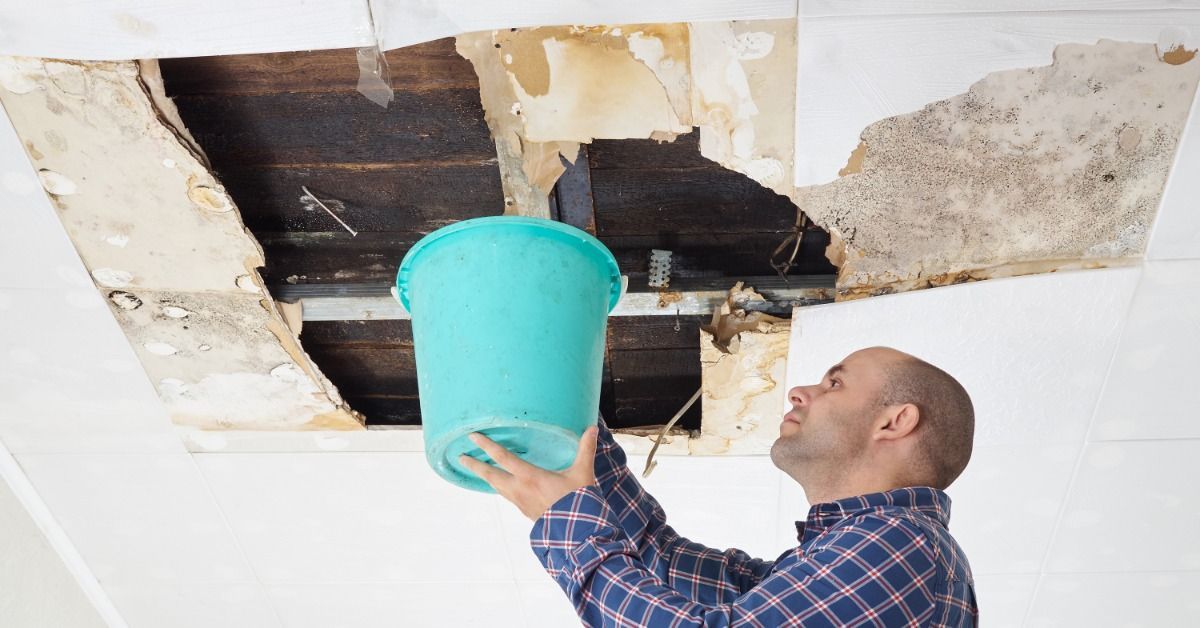
A roof leak may seem manageable when you only notice an occasional drip or a small ceiling stain. However, water can travel beneath roofing materials and enter parts of your home that you cannot easily see. The consequences of not fixing a leaky roof can grow more serious as moisture continues to reach the roof system and interior spaces. Addressing a leak early helps protect your home and can keep a straightforward repair from becoming a much larger roofing project.
Small Leaks Can Become Larger Roof Problems
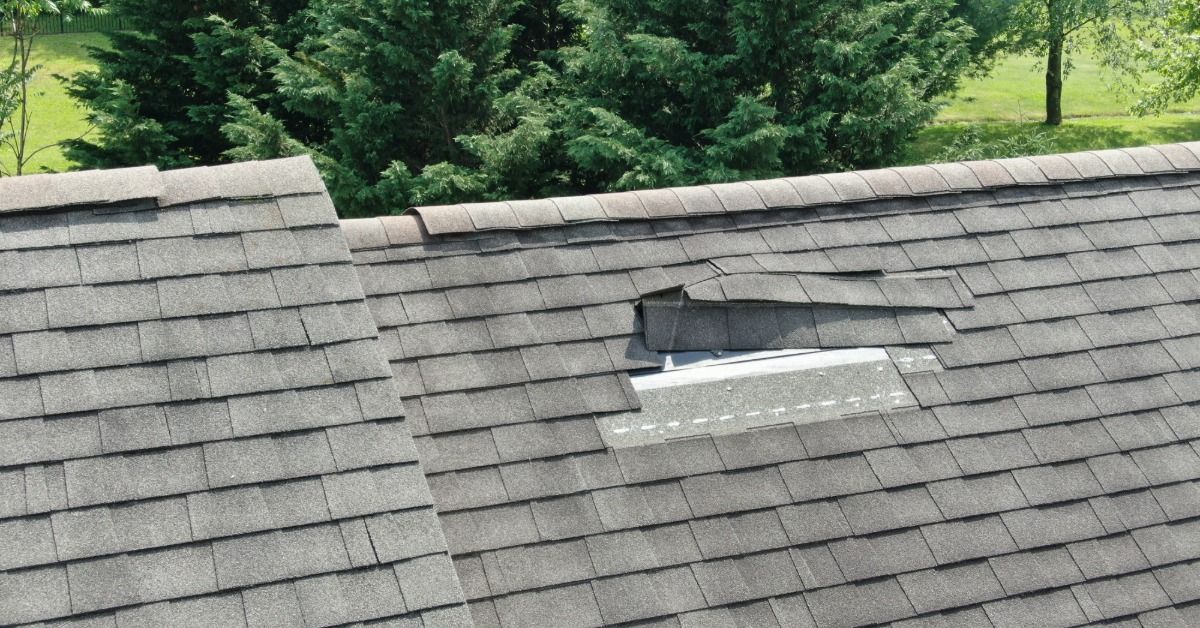
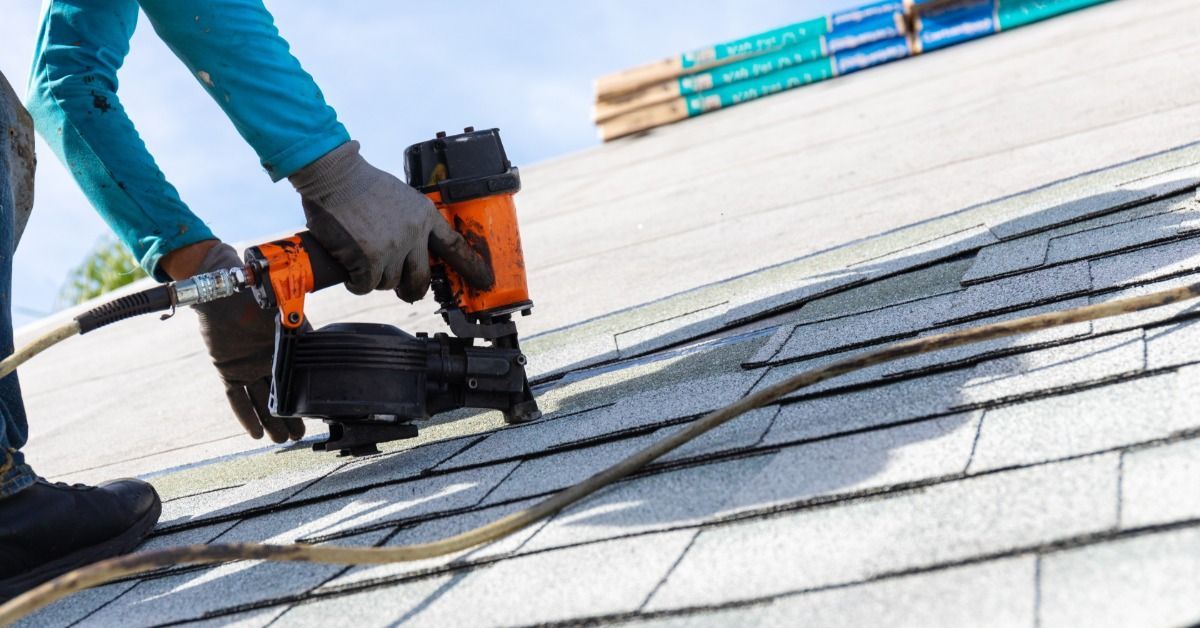
A minor leak rarely stays the same. Wind, rain, temperature changes, and normal roof aging can widen damaged areas or allow more water to enter through an existing opening. A loose shingle, damaged flashing, or exposed fastener can create a path for moisture that gradually affects nearby roofing materials.
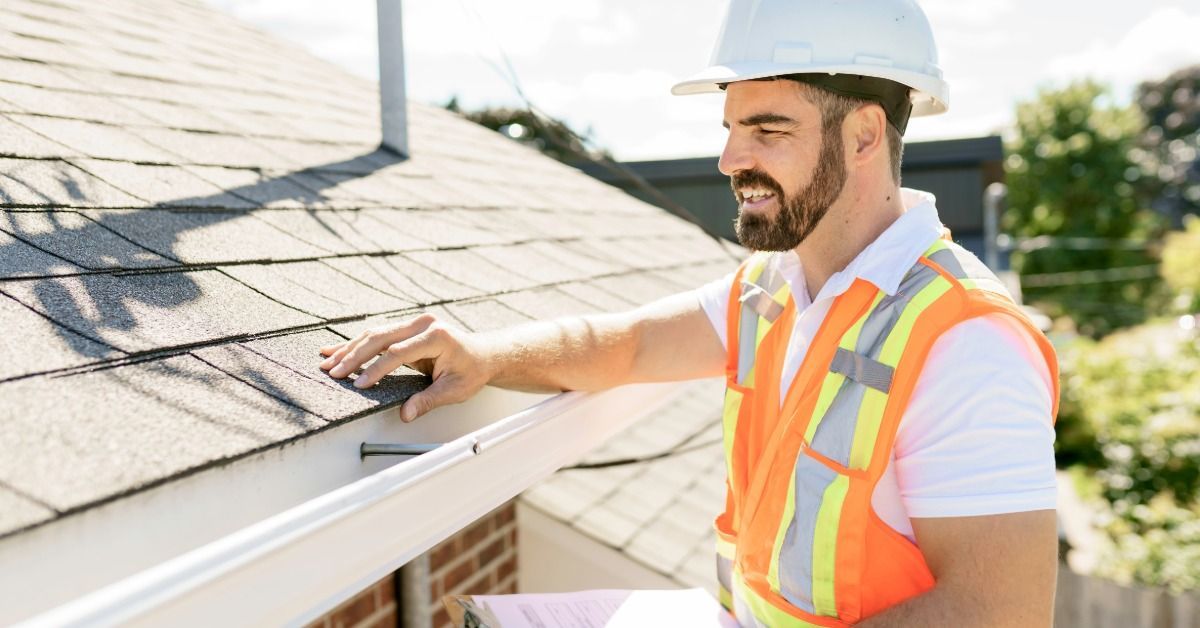
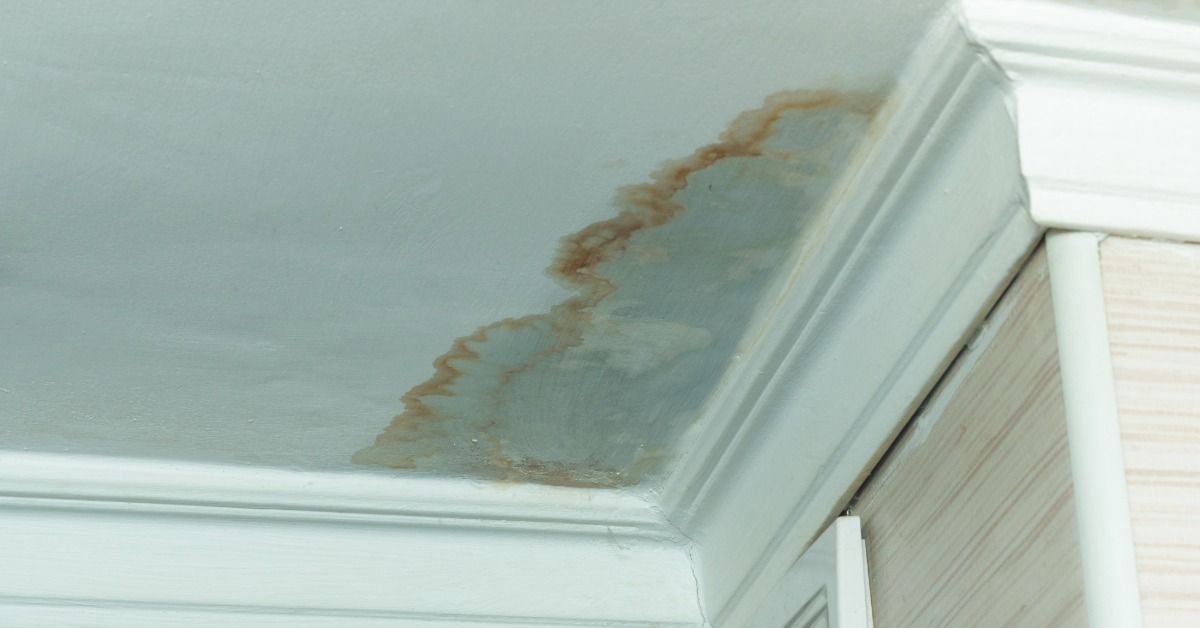
Water can also move away from the original entry point before it becomes visible indoors. That means a ceiling stain may not sit directly below the damaged part of the roof. A roofing professional can inspect the system, trace the likely source, and determine what needs repair before the affected area expands.
Ignoring the problem gives moisture more time to work beneath the roof surface. Materials that repeatedly get wet may lose strength or deteriorate faster. Prompt attention helps limit how much of the roofing system requires repair.
Water Can Damage Roof Decking
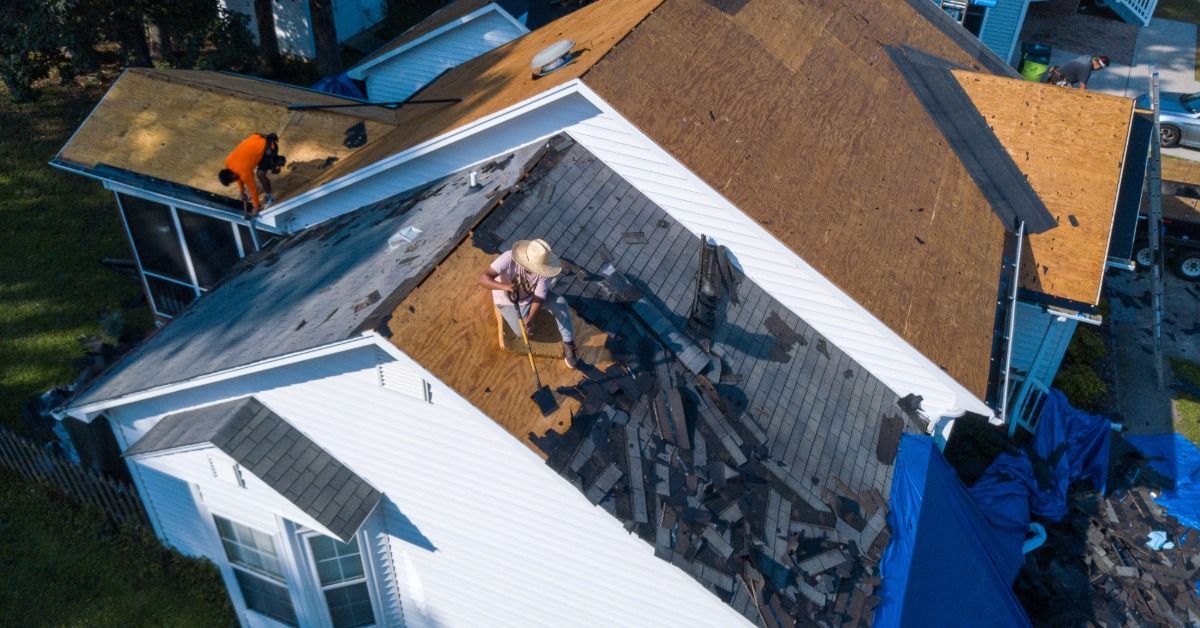
Roof decking creates the structural surface beneath shingles and other roofing components. When a leak allows water to reach the decking repeatedly, the material can absorb moisture and begin to deteriorate. Soft or weakened decking may eventually require replacement when roof repairs take place.
This damage can remain hidden because shingles cover the decking from above while ceilings conceal it from below. Homeowners may see only a small interior sign even though moisture has affected a wider section. Waiting until damage becomes obvious can make the repair more involved.
A professional inspection can identify signs of moisture intrusion and help determine whether the decking remains sound. Repairing the leak early gives the underlying materials a better chance of staying protected.
Interior Ceilings and Walls May Suffer Damage
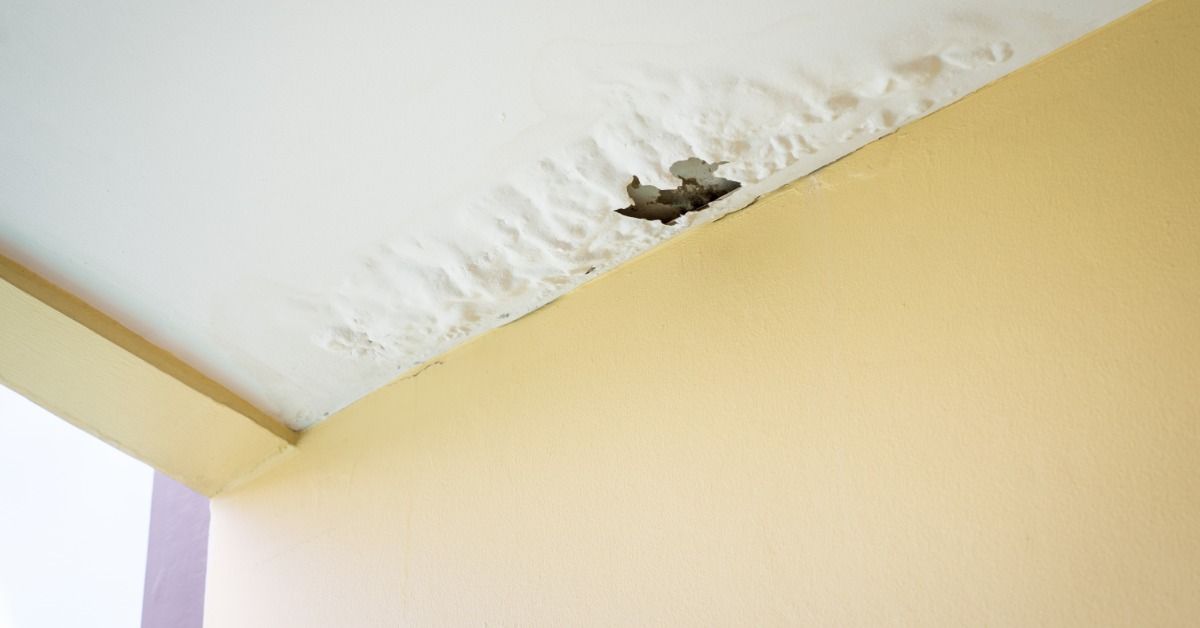
Continued leaking can cause drywall to soften or sag. Paint and finishes may also require repair after correcting the roofing problem. If water keeps entering during repeated storms, the affected interior area may continue spreading.
Fixing cosmetic damage without addressing the roof will not solve the underlying problem. The leak must be located and repaired first. After the roof stops admitting water, homeowners can properly address damaged interior materials.
Moisture Can Affect Attic Insulation
Many roof leaks send water into the attic before any moisture reaches a finished room. Wet insulation can become compressed or less effective at helping control heat transfer. If water severely damages the insulation, homeowners may need to remove and replace it.
An attic can also hide evidence of a leak for some time. Damp wood, water marks, or wet insulation may develop before a homeowner notices a stain downstairs. Regular roof inspections can help identify vulnerable areas before a leak causes more extensive interior damage.
Roofing and attic components work together to help protect the home. When water enters that system, delaying repairs can affect more than the shingles alone. Stopping the source protects the materials beneath the roof covering.
Persistent Dampness Can Encourage Mold Growth
Ongoing moisture creates conditions where mold may develop on suitable materials. A roof leak can keep attic surfaces, drywall, or other building materials damp long enough for unwanted growth to appear. Simply drying a visible spot may not solve the issue if water continues entering from above.
The most important step is stopping the moisture at its source. A roofer can identify damaged roofing components and complete the necessary repair. After a roofer repairs the leak, homeowners can evaluate affected interior materials and arrange appropriate cleanup when needed.
Leaks Can Reach Electrical Components
Water does not always stay confined to open attic areas or visible ceiling surfaces. Depending on the leak location, moisture can travel near wiring, light fixtures, or other electrical components. Homeowners should treat signs of water around electrical areas seriously and avoid touching wet fixtures.
A qualified roofing contractor should address the source of the leak, while electrical concerns may require evaluation by an appropriate professional. Separating these tasks helps ensure that each issue receives the right attention.
Waiting for the next storm can allow water to follow the same path again. Repairing the roof promptly reduces the chance of repeated moisture exposure near sensitive components.
Delayed Repairs Can Increase Project Scope
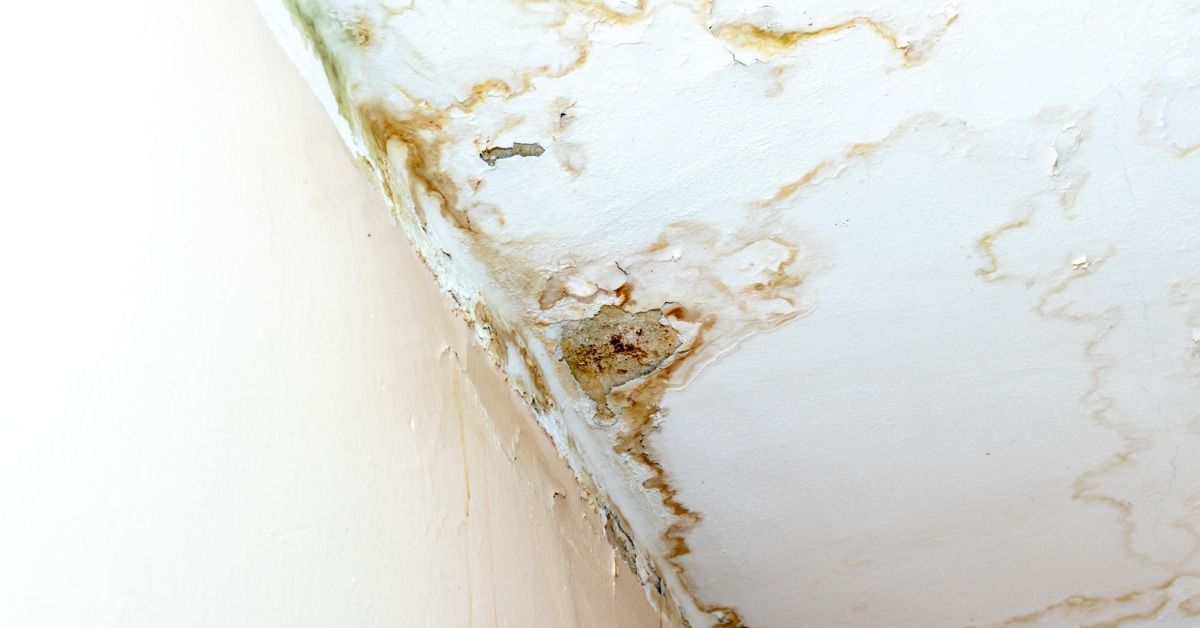
One practical reason to address a roof leak quickly is that water damage can spread. A repair that initially involves a limited roofing area may become more extensive if surrounding materials deteriorate. Homeowners may also need to complete additional interior work if water damages ceilings or insulation.
Early repairs do not guarantee that every problem will remain small, because the actual condition depends on the leak source and how long water has entered. Still, timely inspection gives a contractor the opportunity to identify damage before another weather event adds moisture.
Homeowners should pay attention to ceiling stains, missing shingles, damaged flashing, and other warning signs. When something looks wrong, scheduling an inspection can provide a clearer picture of the roof's condition.
A Leak May Signal Broader Roof Wear
Sometimes a leak comes from one isolated defect. In other cases, it can indicate that portions of the roof have reached a point where repairs deserve closer evaluation. Age, weather exposure, and previous damage can influence how a roofing contractor approaches the problem.
A professional inspection can help distinguish between a localized repair and more widespread deterioration. The contractor can examine the affected area and nearby roofing components rather than relying only on the location of an indoor stain.
This assessment helps homeowners make informed decisions about next steps. Addressing the immediate leak remains important, but understanding the surrounding roof condition can help prevent overlooked damage from causing another problem soon afterward.
Protect Your Home With Timely Roof Repair
The consequences of not fixing a leaky roof can extend beyond an annoying drip and affect materials throughout the home. Quick action helps limit continued water entry and gives homeowners a chance to address damage before it spreads further. Prusak Roofing provides shingle repair in Bridgeview and throughout the surrounding Chicagoland area, helping homeowners address damaged roofing and restore protection where leaks have developed. Contact Prusak Roofing to request an estimate and get professional help with a leaking roof.