How Poor Ventilation Affects Your Roof Lifespan
Your roof protects your home from harsh weather, but proper ventilation plays an equally important role in keeping that protection intact. Without adequate airflow, heat and moisture can accumulate beneath roofing materials, creating conditions that lead to premature deterioration. Understanding how poor ventilation affects your roof lifespan helps homeowners recognize warning signs before expensive problems develop. A balanced ventilation system supports your roof's performance while protecting the structure underneath.
Why Proper Roof Ventilation Matters
Roof ventilation allows fresh outdoor air to enter the attic while warmer air exits through strategically placed openings. This continuous movement helps regulate attic temperatures and reduces excess moisture that might otherwise settle on structural components.
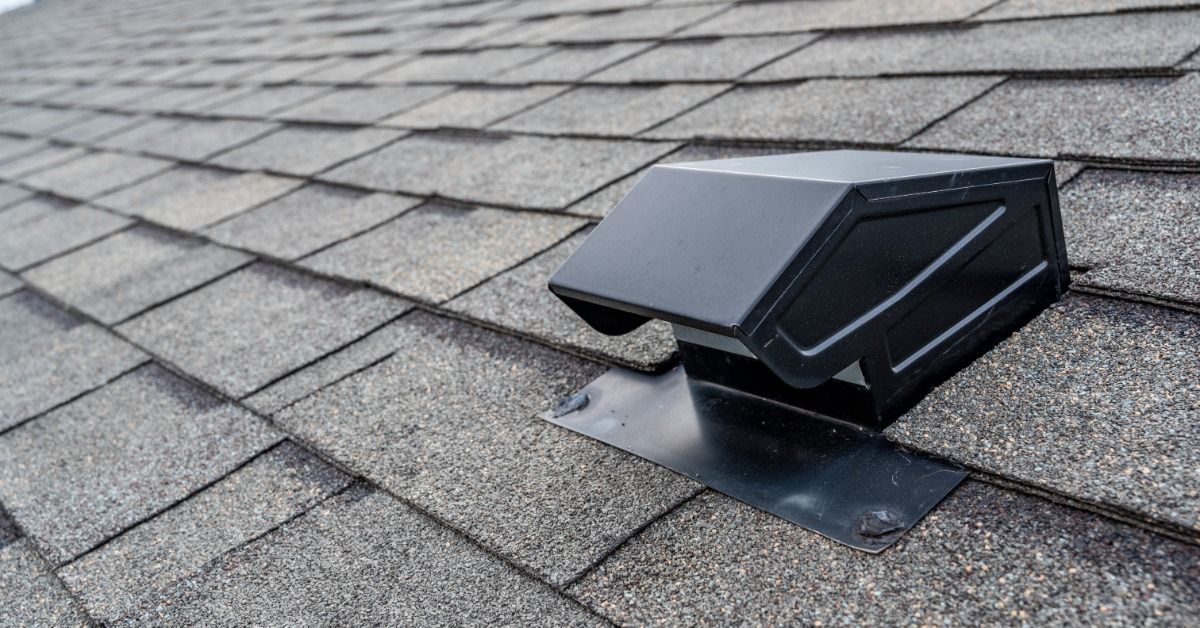
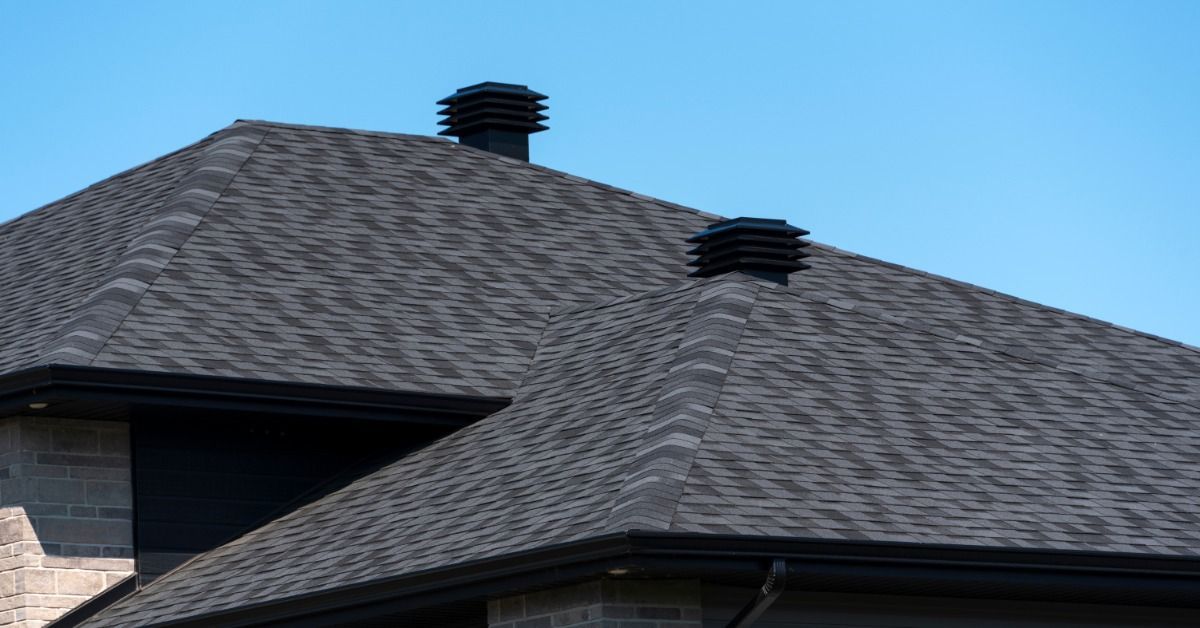
Most residential roofing systems rely on intake vents near the eaves and exhaust vents near the ridge. When these components work together, they create consistent airflow throughout the attic.
Without sufficient ventilation, the attic becomes an enclosed space where temperature extremes and humidity place additional stress on roofing materials. Over time, these conditions can weaken the roof and contribute to avoidable repairs.
How Excessive Attic Heat Damages Roofing Materials
During summer, sunlight heats roofing materials and raises temperatures inside the attic. Without proper ventilation, trapped heat can intensify these conditions and increase thermal stress on the roof assembly.
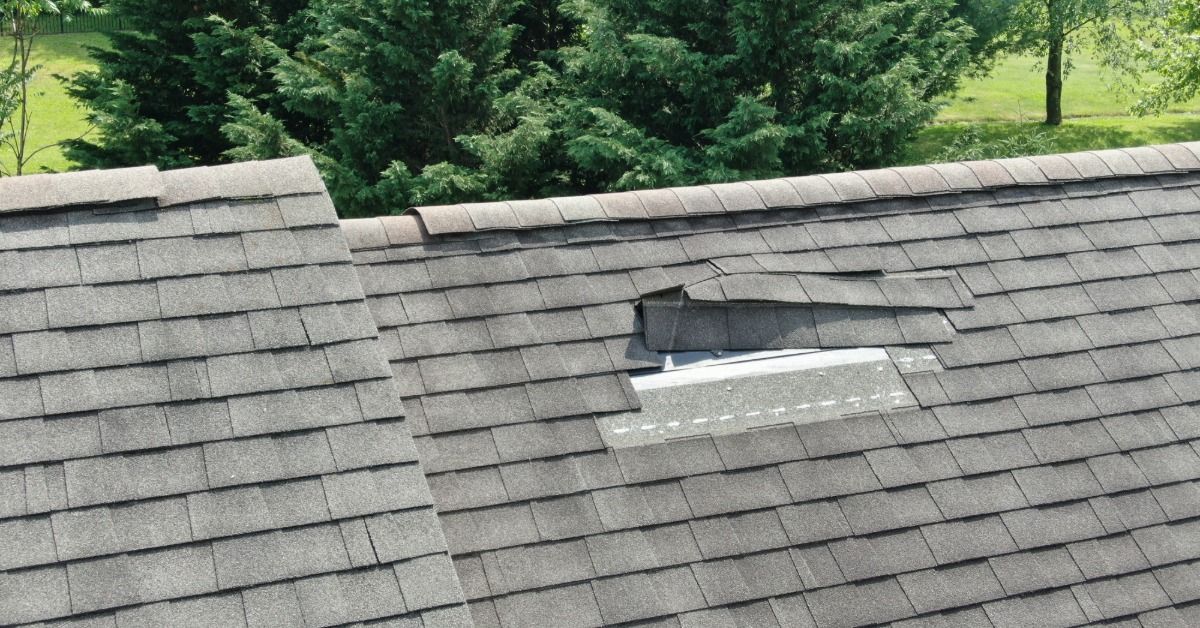
Asphalt shingles naturally expand and contract with temperature changes. Excessive heat may accelerate aging, making shingles more vulnerable to cracking and deterioration.
High attic temperatures can also affect the materials beneath the shingles. Underlayment and other roofing components may experience additional wear when prolonged heat exposure exceeds their intended operating conditions.
Although ventilation cannot eliminate summer heat, a properly designed system helps reduce unnecessary heat accumulation. This protection becomes particularly valuable during extended periods of hot weather.
Moisture Buildup Creates Hidden Roofing Problems
Heat isn't the only concern associated with inadequate attic ventilation. Moisture accumulation can cause substantial damage, especially when warm indoor air enters a colder attic.
Everyday household activities introduce moisture into indoor air. When that moisture reaches the attic and encounters cold surfaces, condensation can form on roof decking and framing.
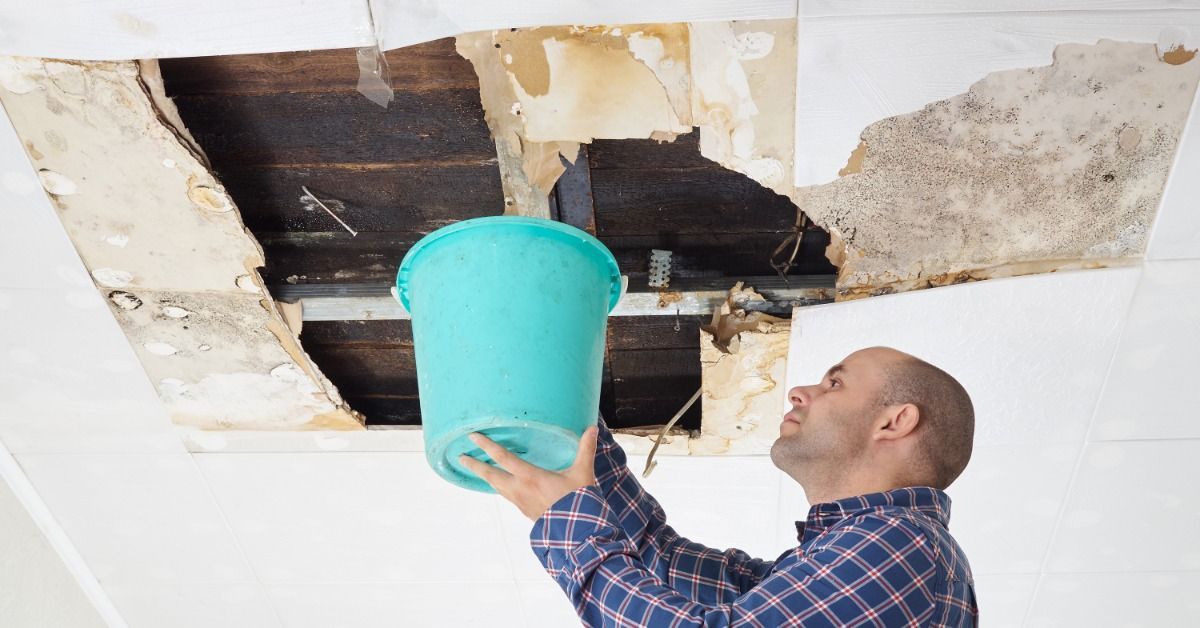
Persistent dampness may encourage wood rot and weaken structural materials. Homeowners might not notice these problems until water stains appear or roofing components require extensive repairs.
Proper ventilation helps remove moisture from the attic, although effective air sealing remains essential. Together, these measures reduce condensation risks and support a healthier roofing structure.
Poor Ventilation Can Shorten Shingle Lifespan
Asphalt shingles perform best when homeowners maintain suitable conditions throughout the roofing system. Excessive attic heat can accelerate material aging and contribute to premature surface deterioration.
Shingles exposed to prolonged temperature stress may become brittle or lose flexibility sooner than expected. This deterioration can make the roof more susceptible to damage during changing weather conditions.
However, ventilation alone does not determine how long shingles last. Installation quality and routine maintenance also influence their durability.
A professional roofing contractor can evaluate whether attic airflow contributes to visible shingle problems. Addressing ventilation deficiencies during roof replacement may help protect the investment in new materials.
Winter Condensation and Ice Dam Concerns
Cold weather introduces additional challenges for roofs with inadequate ventilation. Warm air escaping from living spaces can raise attic temperatures and contribute to condensation against cold surfaces.
Moisture that repeatedly collects on roof decking may damage wood over time. In severe cases, persistent dampness can also affect insulation performance and increase heating demands.
Uneven roof temperatures can contribute to ice dam formation when snow melts and refreezes near colder roof edges. Ice dams may force water beneath shingles and create leaks inside the home.
Ventilation helps maintain more consistent attic conditions, but insulation and air sealing remain equally important. Homeowners should address these factors together rather than relying on additional vents alone.
Warning Signs of Inadequate Roof Ventilation
Recognizing ventilation problems early can help homeowners avoid extensive roofing damage. Some warning signs appear inside the attic, while others become visible along the roof surface.
An attic that feels unusually hot during moderate weather may indicate restricted airflow. However, attic temperatures naturally rise during sunny conditions, so heat alone does not confirm a ventilation problem.
Condensation on roof decking or persistent musty odors may suggest excess moisture. Homeowners might also notice deteriorating shingles or recurring ice dams during winter.
These symptoms can have multiple causes, including insulation deficiencies or roof leaks. A professional inspection helps identify the underlying issue before homeowners invest in unnecessary repairs.
Common Causes of Poor Attic Ventilation
Several conditions can prevent a roof ventilation system from functioning properly. Blocked intake vents frequently restrict airflow, particularly when insulation covers openings near the attic eaves.
Some homes lack sufficient exhaust ventilation to release warm attic air. Others have poorly positioned vents that interrupt balanced airflow instead of supporting it.
Renovations can also change attic conditions. Additional insulation or modifications to roofing components may unintentionally obstruct existing ventilation pathways.
Installing more vents without evaluating the entire system can sometimes create new problems. Roofing professionals should assess airflow requirements and vent placement before recommending improvements.
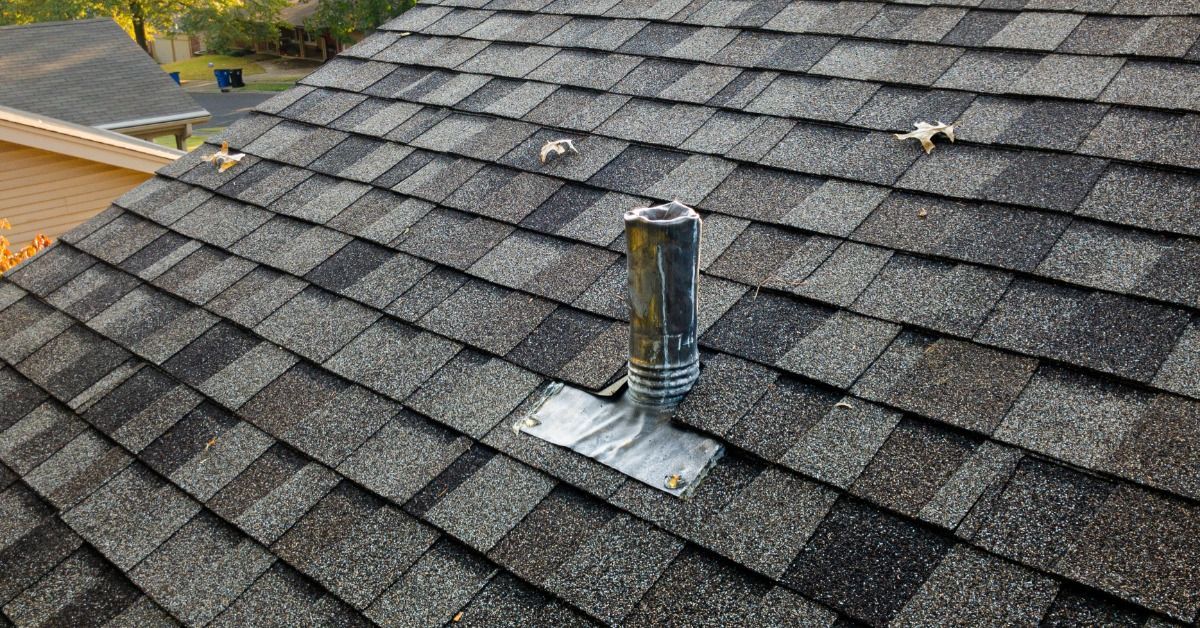
How Proper Ventilation Supports Roof Longevity
A balanced ventilation system helps roofing materials operate under more suitable conditions throughout the year. By reducing excessive heat accumulation, ventilation can limit unnecessary thermal stress on roof components.
Improved moisture control also protects roof decking from prolonged dampness. Keeping structural materials drier helps preserve their condition and reduces the likelihood of moisture related deterioration.
Ventilation may also support indoor comfort by reducing excessive attic heat. However, actual energy performance depends on insulation quality and overall home construction.
Homeowners gain the greatest benefit when ventilation works alongside appropriate insulation and effective air sealing. These complementary measures help maintain a more dependable roofing system.
When To Schedule a Professional Roof Inspection
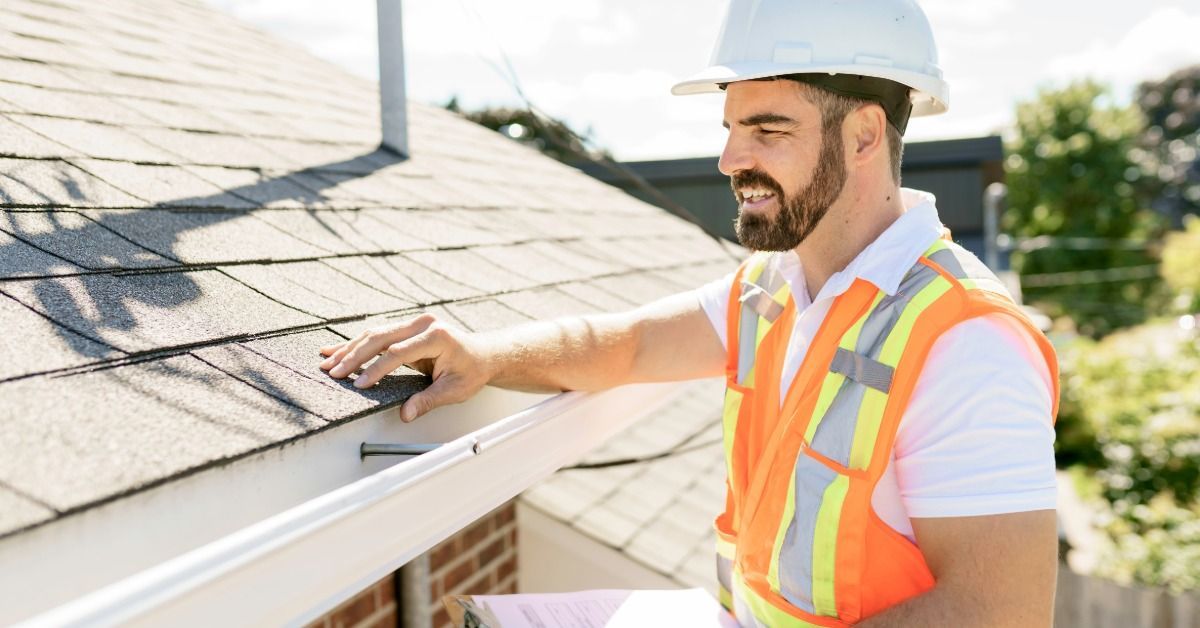
Homeowners should consider a professional inspection when ventilation problems persist or roofing materials show unusual deterioration. A contractor can examine intake openings and exhaust vents to determine whether the system supports adequate airflow.
During the inspection, roofing professionals can also look for moisture damage and assess the condition of accessible roof decking. Their findings help determine whether ventilation improvements or roofing repairs make sense.
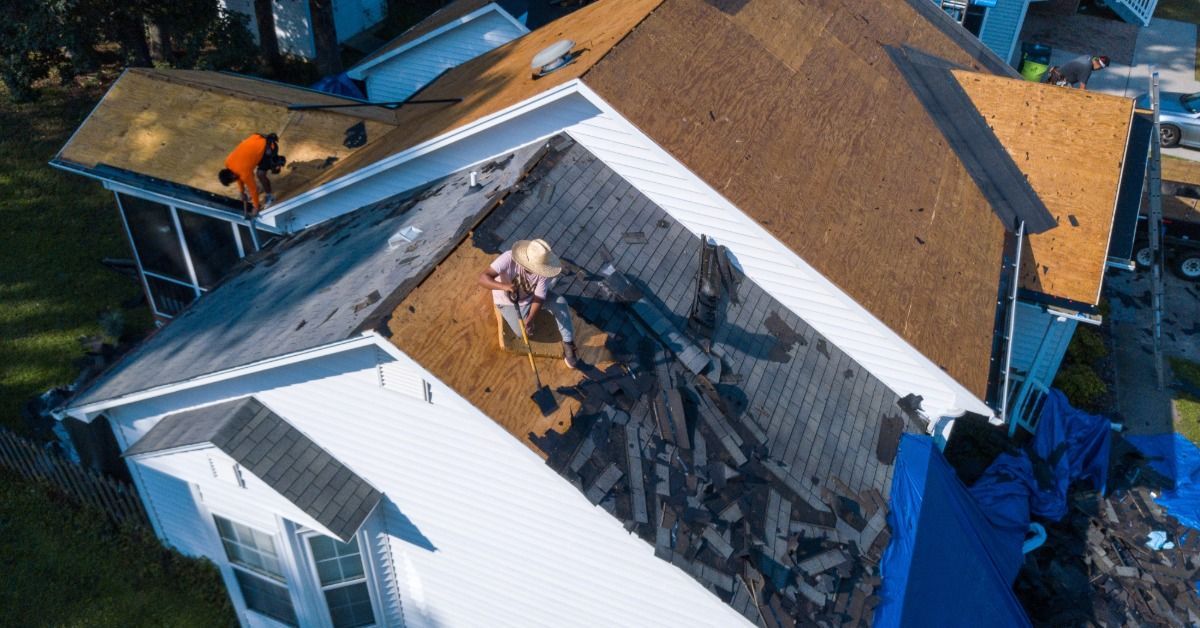
Homeowners planning roof replacement should discuss ventilation before installation begins. Addressing existing airflow problems can help new roofing materials perform as intended.
Protect Your Roof With Prusak Roofing
Understanding how poor ventilation affects your roof lifespan allows you to make informed decisions about protecting your home. Proper airflow helps reduce premature deterioration while supporting dependable roofing performance.
Prusak Roofing provides professional residential roof installation services throughout Chicago and the surrounding suburbs. Our experienced team evaluates your roofing needs and helps identify suitable solutions for your home. Contact Prusak Roofing today to request a free estimate and discuss your residential roofing project.