Flat vs. Sloped Roofs for Commercial Buildings
Choosing a roof for a commercial property involves more than deciding how the building should look. Roof shape can affect drainage, maintenance access, usable space, material options, and the way a property handles changing weather. Understanding flat vs. sloped roofs for commercial buildings can help owners recognize which design better supports their property’s structure and everyday needs. Both styles offer practical advantages, but the right choice depends on the building itself and how the roof will function over time.
Understanding Flat Commercial Roofs
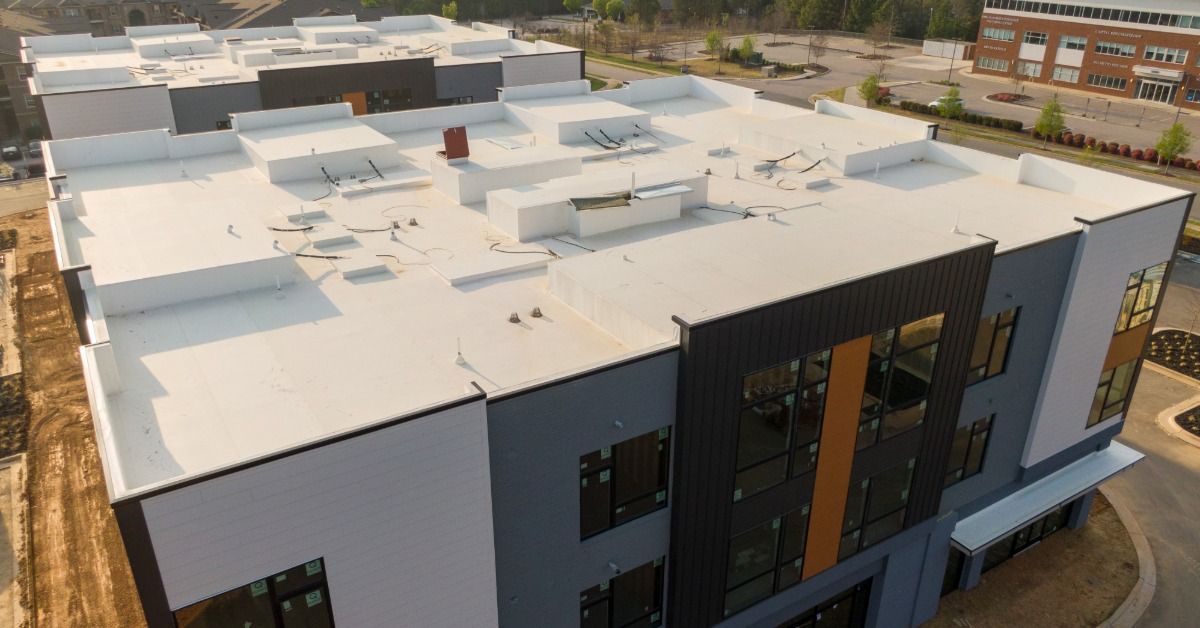
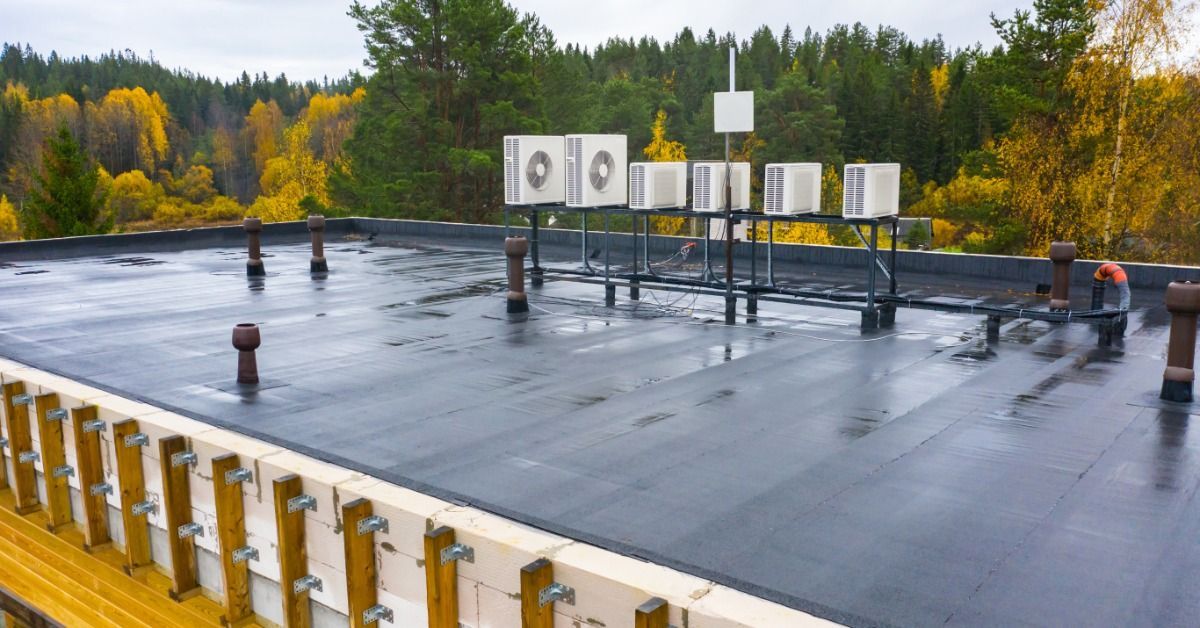
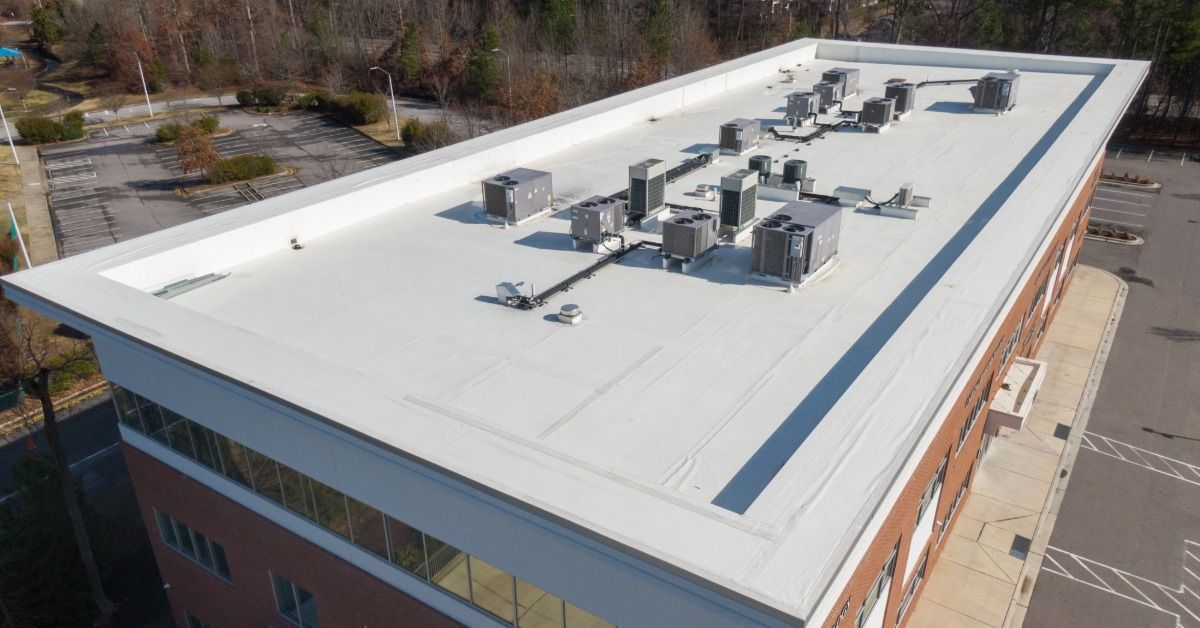
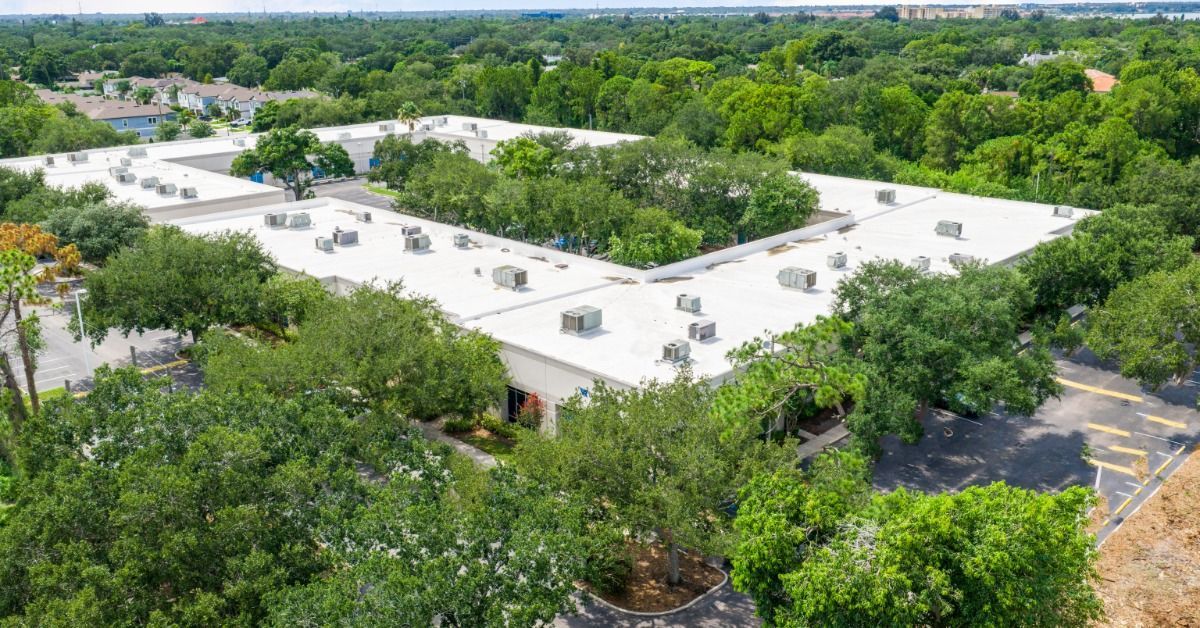
A commercial flat roof usually has a slight pitch rather than a completely level surface. That subtle slope directs rainwater toward drains or other designated drainage points. These roofs commonly appear on offices, warehouses, retail properties, and other commercial structures because their low profile works well with large building footprints.
Flat roofs can also provide convenient access for inspections and maintenance. Contractors may have an easier time reaching certain areas compared with a steeply pitched surface. The broad roof area may also accommodate mechanical equipment when the building design allows it, helping owners preserve usable space around the property.
However, drainage deserves careful attention on any low-slope system. Water that does not move toward drains efficiently can remain on the roof and place unnecessary stress on roofing materials. Regular inspections can identify drainage concerns, membrane damage, or other developing issues before they become more disruptive.
How Sloped Commercial Roofs Work
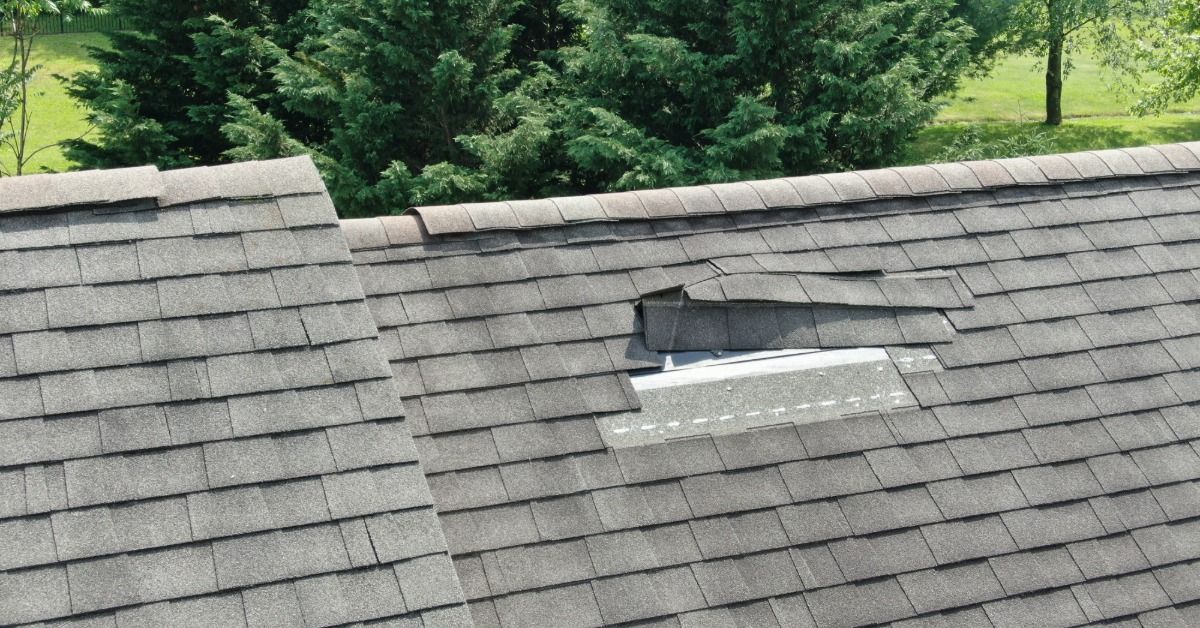
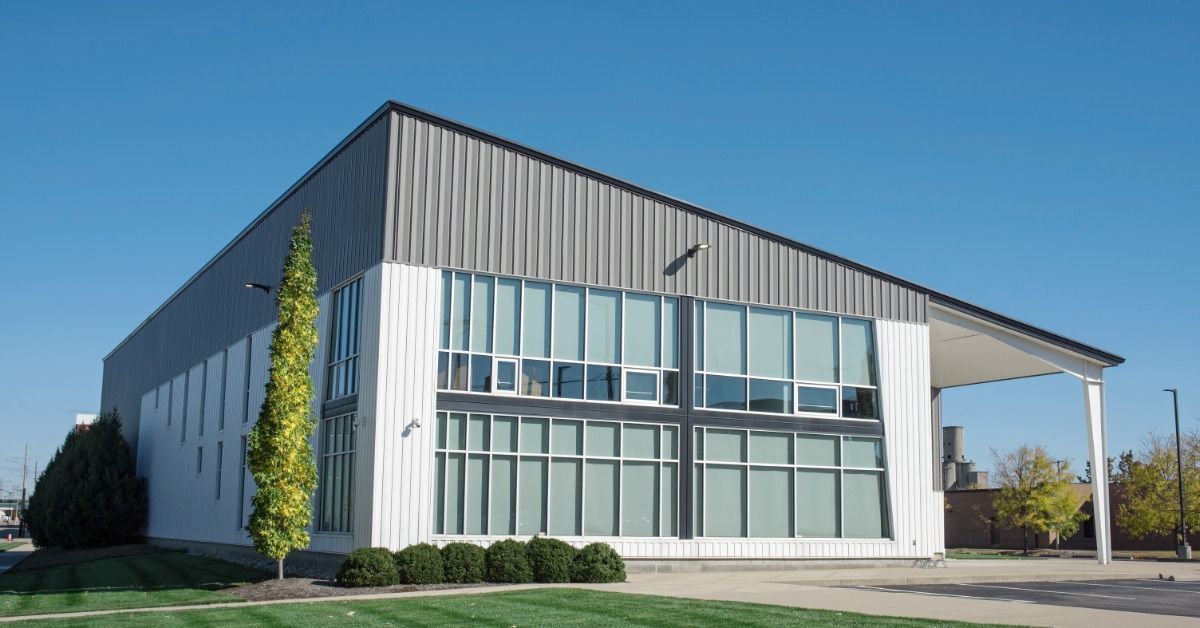
Sloped roofs use a more noticeable pitch to move water toward the roof edges. This familiar design appears on many smaller commercial buildings and properties where architectural appearance plays a prominent role. The visible roof surface can become an important part of the building’s overall exterior design.
A steeper pitch naturally encourages rain and melting snow to leave the roof. That drainage characteristic can reduce the amount of standing water that remains after wet weather. Still, gutters and other drainage components must remain clear and properly maintained so water moves safely away from the structure.
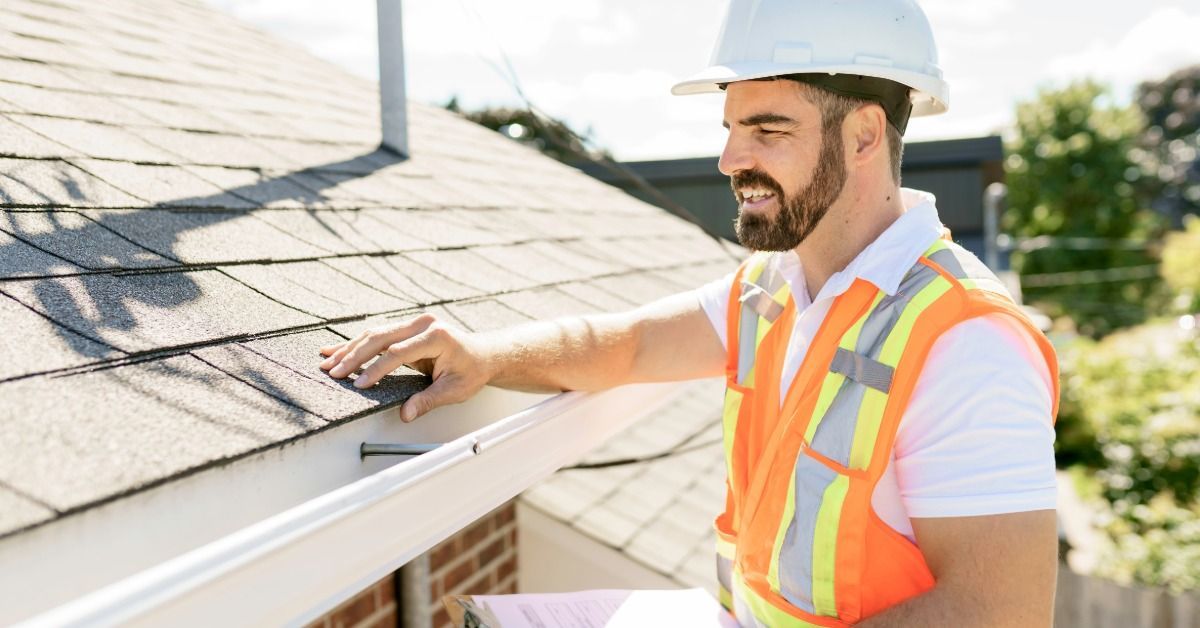
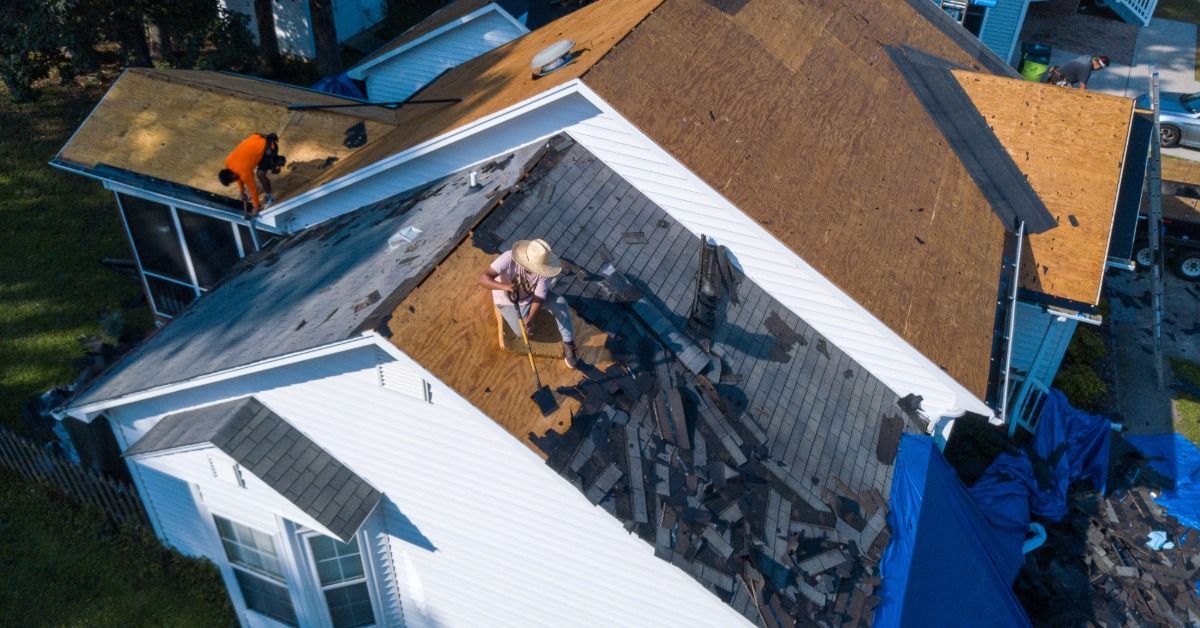
Access can be more complicated on a sloped roof because the pitch creates different working conditions. Professional roofers use appropriate equipment and procedures when inspecting or repairing these surfaces. Building owners should avoid treating easier drainage as a reason to overlook routine professional evaluations.
Comparing Installation Considerations
The existing structure often influences whether a flat or sloped roof makes practical sense. A roof system must work with the building’s framing, dimensions, and intended use. Converting from one roof shape to another can involve significant structural considerations, so owners should seek professional guidance before planning major changes.
Flat systems often suit expansive commercial buildings because they can cover broad areas without creating a tall roof profile. Sloped designs may fit properties where the roof contributes more visibly to the architecture. Neither approach automatically works better for every commercial property.
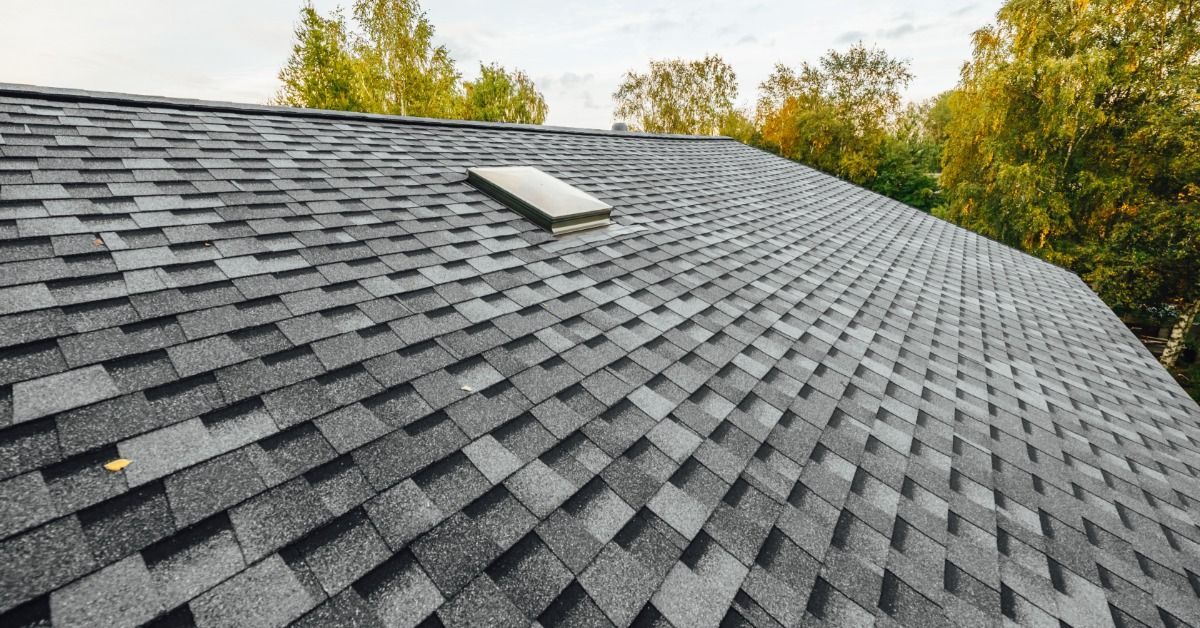
Roofing materials also differ between these designs. Low-slope commercial roofs often rely on membrane systems designed for broad, relatively level surfaces. Sloped roofs may use shingles or other materials intended to shed water across a pitched surface. A contractor can explain which systems match the roof’s slope and condition.
Maintenance Needs for Each Roof Style
Every commercial roof needs ongoing attention, regardless of its shape. Routine inspections allow a roofing professional to check the surface for wear and identify areas that may require service. Maintenance can also help owners plan repairs before small concerns interfere with business operations.
Flat roofs require particular attention around drains and membrane seams. Debris can obstruct drainage paths, while punctures or damaged areas may allow moisture into the roofing assembly. Because rooftop equipment may require service visits, owners should also watch for damage related to foot traffic.
Sloped roofs have different maintenance priorities. Contractors may examine exposed roofing materials for damage while checking flashing around penetrations and roof transitions. They can also review gutters because poor drainage at the roof edge may direct water toward areas where it does not belong.
Considering Interior Space and Rooftop Equipment
Roof shape can influence how a commercial property uses space. A flat roof may provide an area for certain rooftop equipment, depending on structural capacity and the building’s design. Locating equipment above the building can keep ground-level areas available for other uses.
Sloped roofs generally offer less practical surface area for large rooftop units. However, their shape may create attic or overhead space beneath the roofline, depending on the design of the structure. That interior area can affect insulation or ventilation needs.
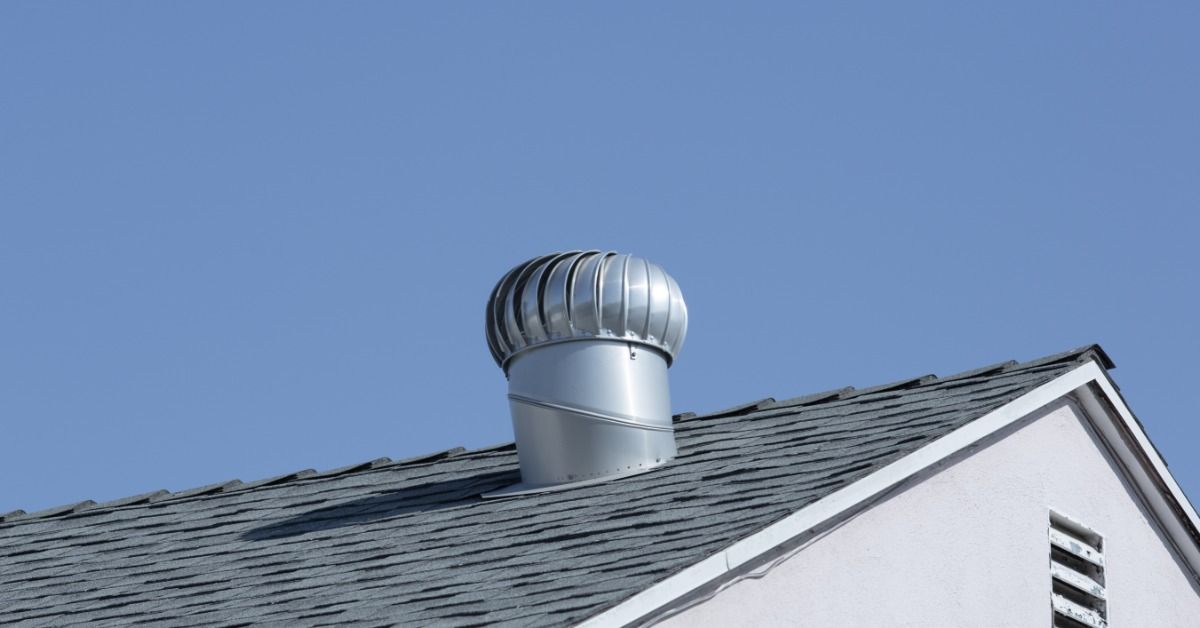
Commercial owners should consider equipment access when evaluating either roof style. HVAC units and exhaust systems need appropriate placement and professional installation. Contractors must properly integrate roofing penetrations with the surrounding system to help prevent water intrusion.
Evaluating Weather Performance
Commercial roofs in the Chicago area face seasonal changes that can test roofing materials and drainage systems. Rain must move away effectively, while winter conditions can place additional demands on the roof. Proper installation and regular maintenance help either roof style perform as intended.
A flat roof depends heavily on well-designed drainage because its low slope moves water more gradually. Drains should remain open so precipitation has a clear path off the roof. After severe weather, an inspection can help identify damage that may not be obvious from the ground.
A sloped roof moves precipitation more quickly because gravity directs water toward the edges. Even so, damaged materials or flashing can create vulnerable areas. Owners should arrange professional attention when they notice visible damage, interior moisture, or other signs that the roofing system may need service.
Choosing a Roof for Your Commercial Property
The best roof design depends on the property rather than a single advantage associated with either style. Building size and structural design can shape the decision significantly. Owners should also consider maintenance access and how rooftop equipment fits into daily operations.
An experienced commercial roofing contractor can evaluate the existing roof and explain suitable options. That assessment helps owners understand how drainage and materials relate to their specific building. It also provides an opportunity to discuss repair needs or replacement planning without relying on assumptions.
Get Professional Commercial Roofing Support
When comparing flat vs. sloped roofs for commercial buildings , focus on how each option fits the structure and supports long-term maintenance. Prusak Roofing brings decades of family-owned roofing experience to commercial properties in Bridgeview and the greater Chicago area. Our team can evaluate roofing needs and recommend appropriate service based on the building’s condition. We also offer exhaust fan installation in Bridgeview, helping commercial property owners address ventilation needs with professional installation that works with the surrounding roof system. Contact us to learn more.