How Hail Can Damage Different Styles of Roof
Hailstorms can cause serious roofing problems, even when damage isn't immediately visible from the ground. Understanding how hail can damage different styles of roof helps homeowners and business owners recognize potential trouble before minor issues develop into costly repairs. Each roofing material responds differently to hail impacts, depending on its construction and existing condition. Knowing what to look for after a storm can help property owners protect their investment and determine when professional roofing services become necessary.
How Hail Impacts Roofing Materials
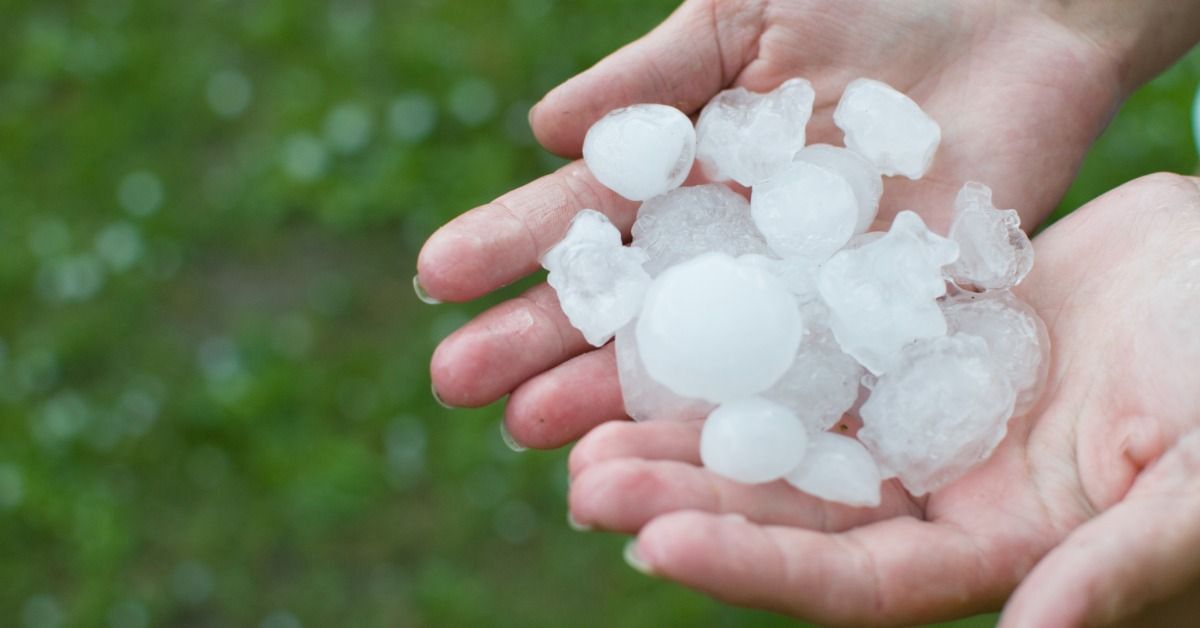
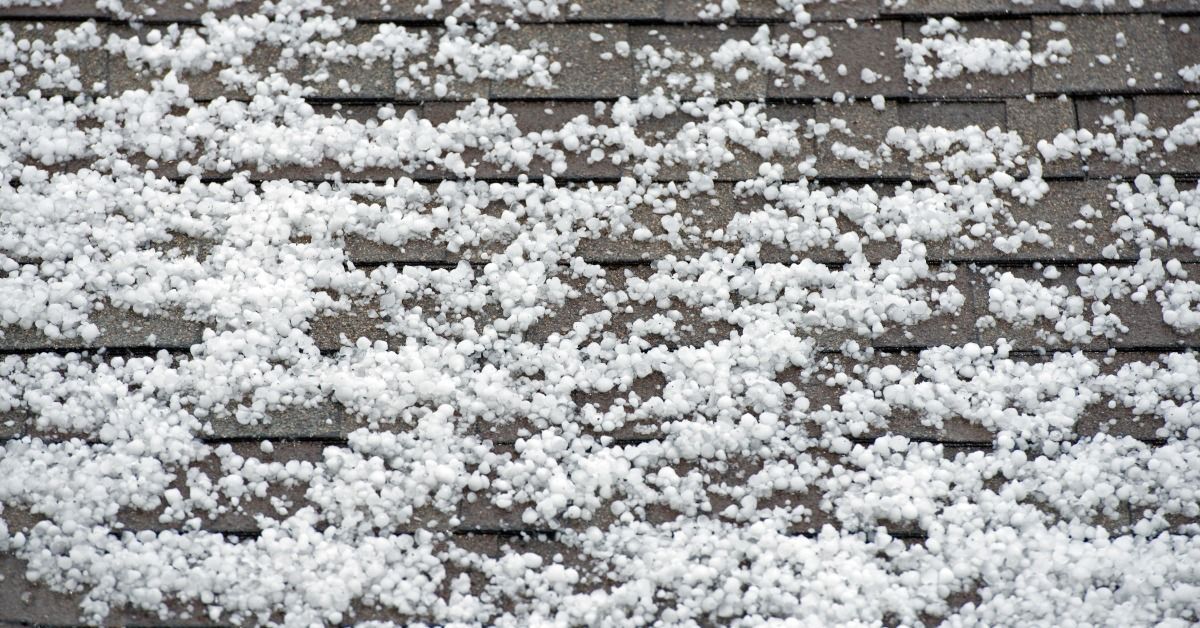
Hail forms when strong storm currents carry water droplets into freezing air, creating ice that eventually falls toward the ground. When hailstones strike a roof, they transfer force directly into the roofing surface. Larger hailstones generally create greater damage potential, although wind conditions and roofing materials also influence the outcome.
Some impacts leave obvious dents or broken surfaces, while others create subtle weaknesses that gradually worsen. A roof might appear undamaged immediately after a storm but develop problems as weather conditions change. Professional inspections help identify these less-visible issues before moisture reaches vulnerable areas beneath the roofing system.
Hail Damage to Asphalt Shingle Roofs
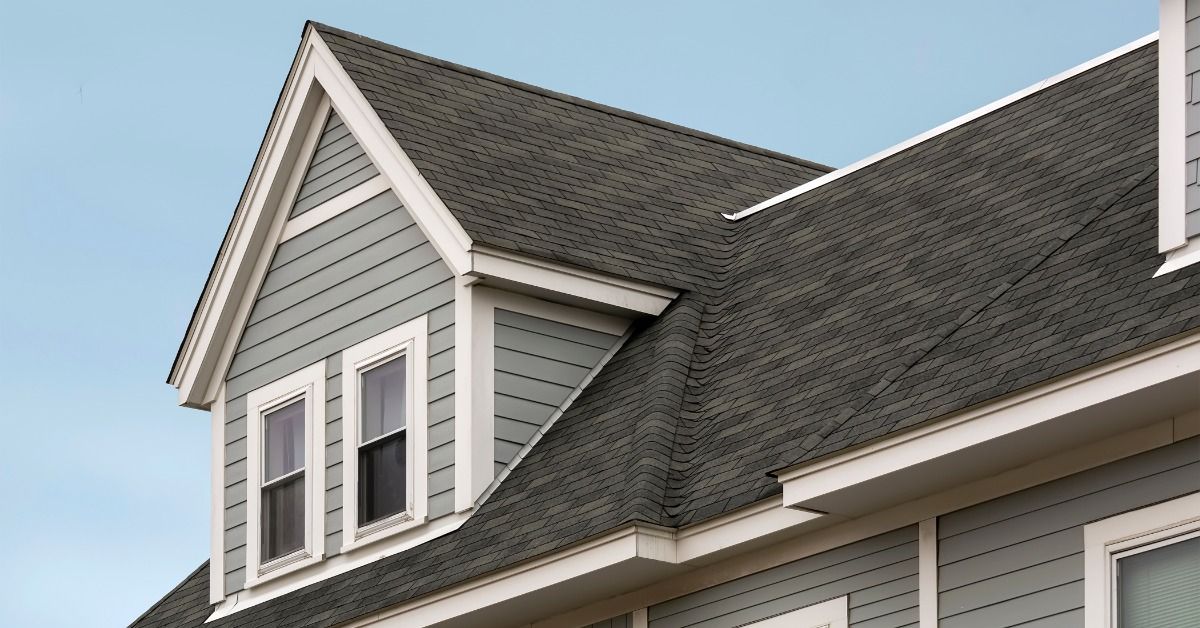
Asphalt shingles remain a popular roofing choice throughout Chicagoland because they offer dependable protection at a practical cost. However, hail can compromise their protective surfaces, particularly when shingles have already experienced years of weather exposure.
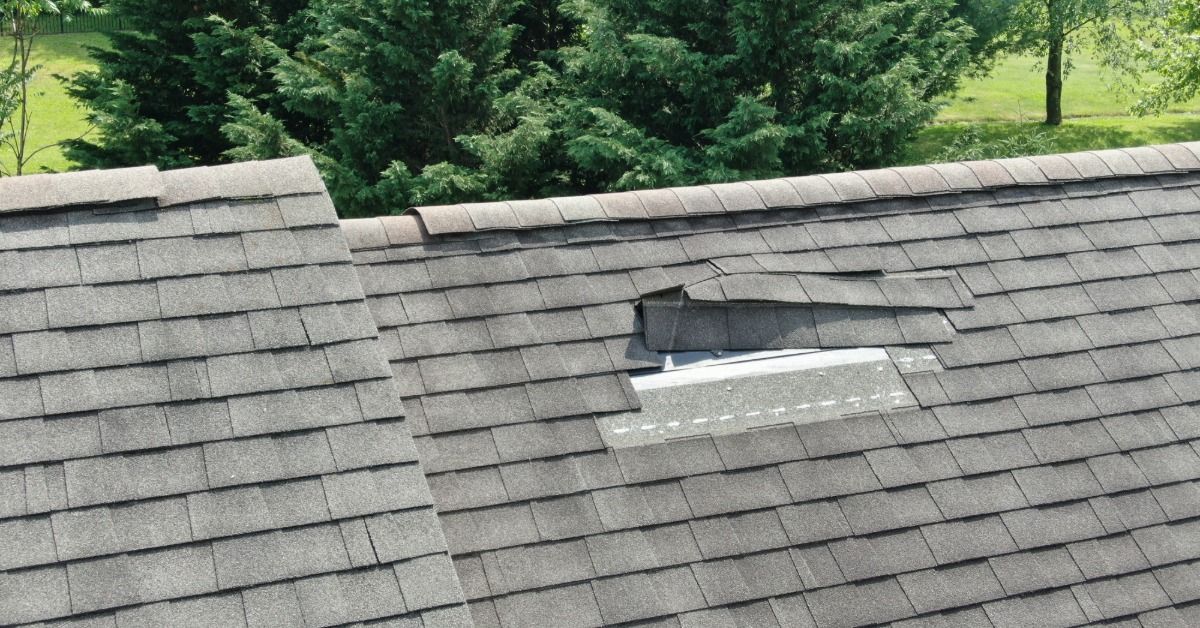
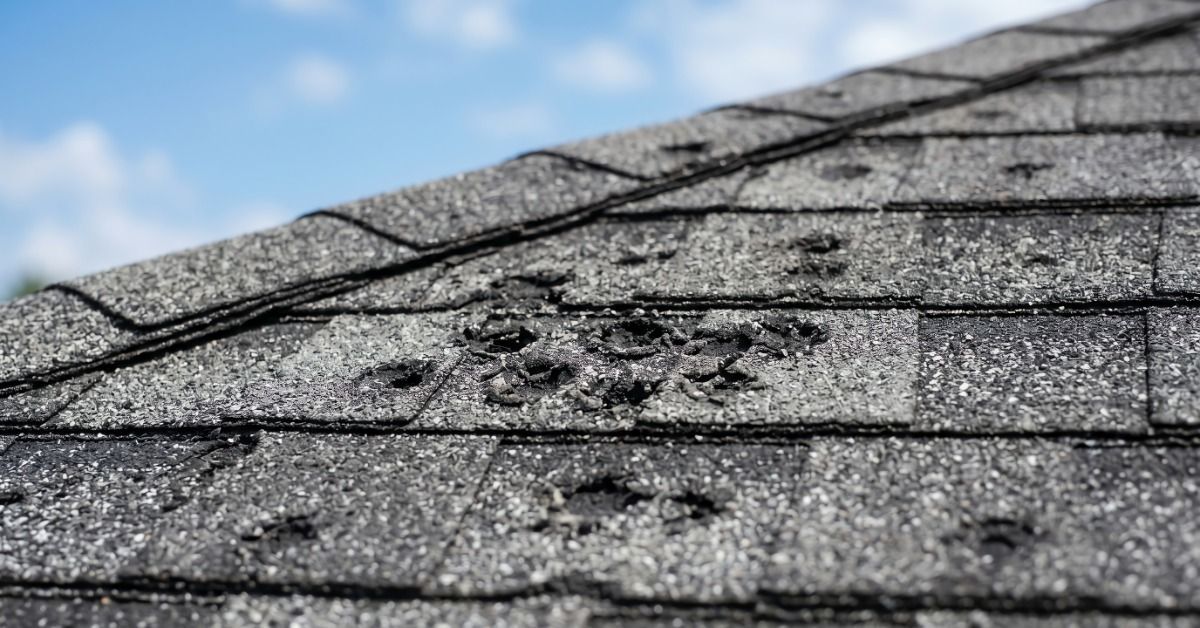
Hail impacts can knock protective granules loose from asphalt shingles, leaving the underlying material more vulnerable to weather damage. These granules shield the underlying asphalt from sunlight and help maintain the shingle's weather resistance. Losing significant granule coverage exposes vulnerable material and may accelerate deterioration.
Strong impacts can also bruise shingles, creating soft spots where the underlying fiberglass mat suffers damage. These bruises aren't always visible without close examination. Over time, compromised areas may crack or allow moisture to penetrate the roofing assembly.
Older shingles often face greater risks because prolonged exposure to changing temperatures can reduce their flexibility. A professional roofer can distinguish normal aging from storm-related damage and recommend appropriate solutions.
How Hail Affects Metal Roofing Systems
Metal roofing offers impressive durability, but severe hailstorms can still affect its appearance and performance. The extent of damage depends on the metal's thickness, panel design, and installation quality.
Hailstones may leave visible dents across metal panels without necessarily compromising their ability to shed water. Although cosmetic dents can affect curb appeal, they don't automatically indicate that the roof requires replacement. However, deeper impacts can deform panel seams or damage protective coatings.
When hail compromises a metal roof's finish, exposed areas may become more susceptible to corrosion. Damage near fasteners or overlapping panels also deserves attention because these locations help prevent water intrusion.
Property owners should avoid assuming that every dent represents structural damage. A qualified roofing contractor can evaluate whether hail impacts affect the system's protective performance or primarily change its appearance.
Hail Damage to Flat Commercial Roofs
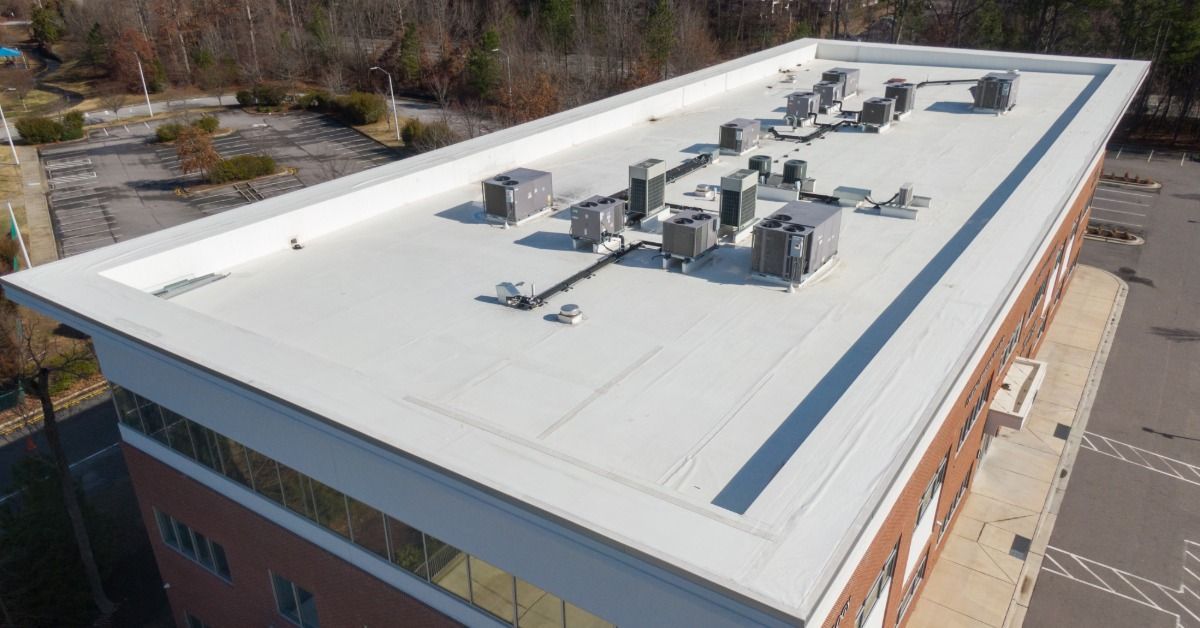
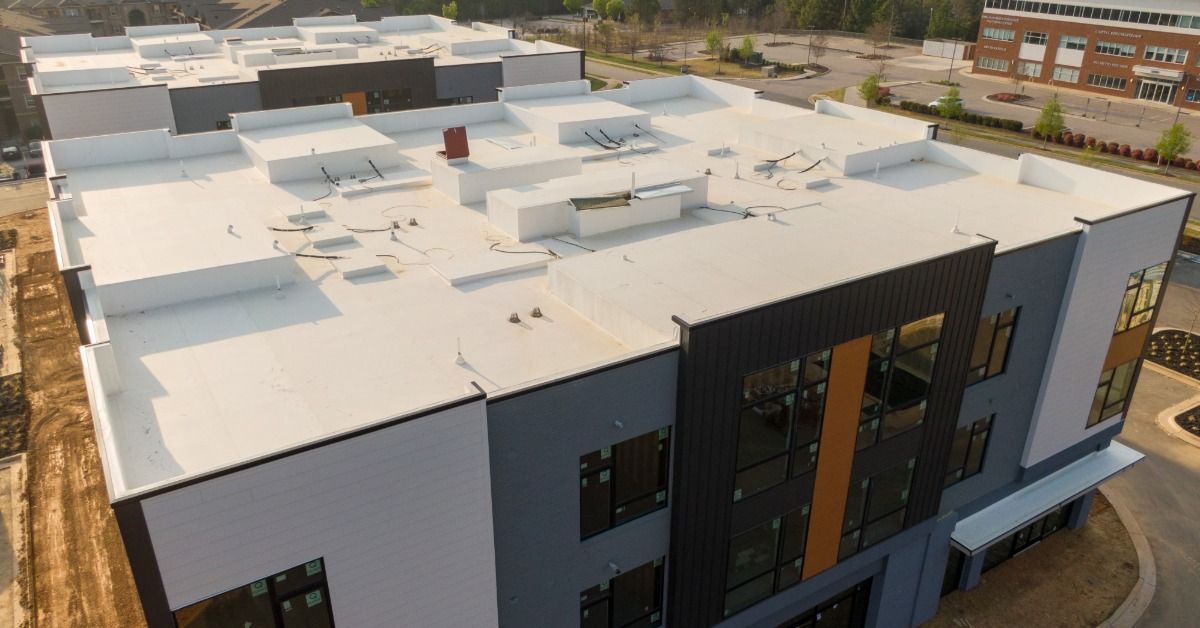
Flat and low-slope roofing systems face different challenges during hailstorms because their materials often rely on continuous waterproof membranes. Commercial buildings commonly use roofing systems such as TPO, EPDM, and modified bitumen.
Hail impacts can puncture roofing membranes or create small fractures that allow moisture to reach the insulation underneath. Even minor openings can cause significant problems when water accumulates on the roof.
TPO membranes may experience surface cracking or punctures when hail strikes with sufficient force. EPDM roofing can develop impact-related damage, particularly when aging reduces the membrane's flexibility.
Modified bitumen systems may lose protective granules or develop fractures after severe impacts. Property owners should schedule professional inspections after significant storms to identify damage before leaks disrupt business operations.
How Hail Affects Wood Shake Roofing
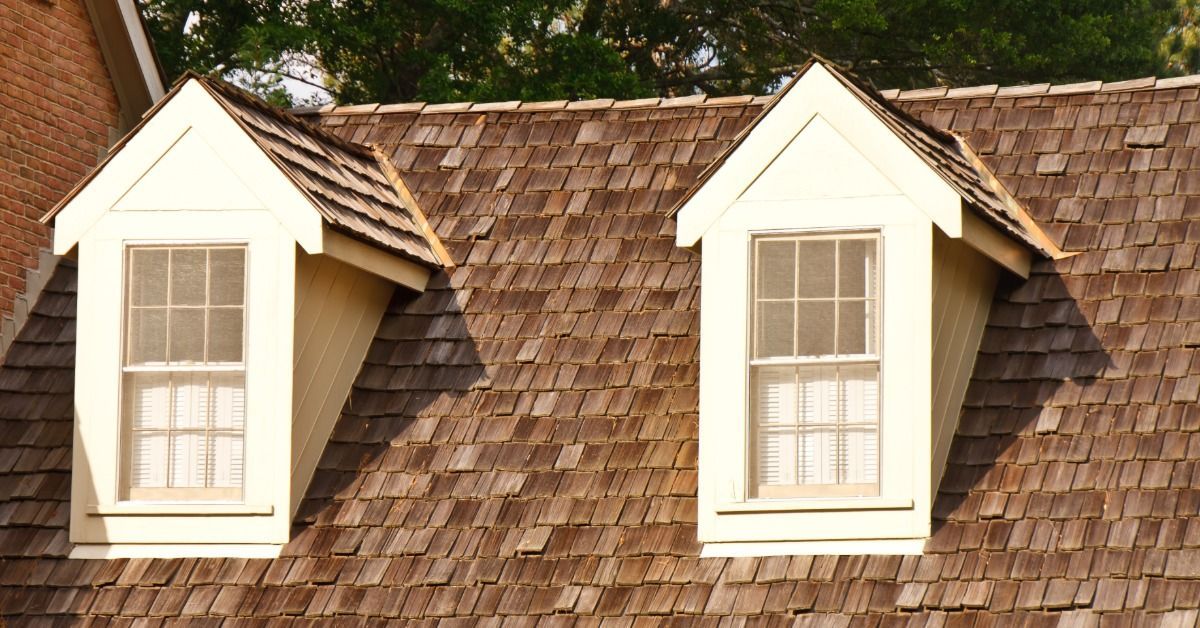
Wood shake roofs provide a distinctive appearance, but hail can damage their natural materials. Unlike asphalt shingles, wood shakes may split along their grain when hailstones strike with enough force.
Fresh splits can expose underlying roofing components to moisture. Existing cracks may also expand after repeated impacts, increasing the likelihood of water infiltration.
Weathered wood shakes often become more vulnerable as moisture exposure and aging affect their condition. Hail can loosen individual shakes or damage their edges, reducing their ability to protect the roof.
Because wood roofing naturally develops surface variations, distinguishing storm damage from ordinary weathering requires experience. Professional inspections help property owners understand whether damaged shakes need individual replacement or more extensive attention.
Why Roof Age Influences Hail Damage
Roofing materials gradually change as they experience sunlight and seasonal temperature fluctuations. These changes can affect how effectively a roof withstands hail impacts.
Older asphalt shingles may become brittle, making them more susceptible to cracking. Aging membranes can lose flexibility, while worn protective coatings may leave metal roofing more vulnerable to deterioration.
However, newer roofs aren't automatically immune to hail damage. Severe storms can compromise recently installed materials when impacts exceed their resistance capabilities.
Installation quality also influences roofing performance. Properly secured materials generally withstand severe weather more effectively than roofing systems with existing installation deficiencies.
Recognizing Hail Damage After a Storm
Identifying hail damage requires more than looking for obvious holes in roofing materials. Some warning signs appear around the property before homeowners notice problems overhead.
Dented gutters or damaged downspouts can indicate that hail struck the building with considerable force. Granules collecting near downspout outlets may suggest asphalt shingle damage, although normal aging can also cause granule loss.
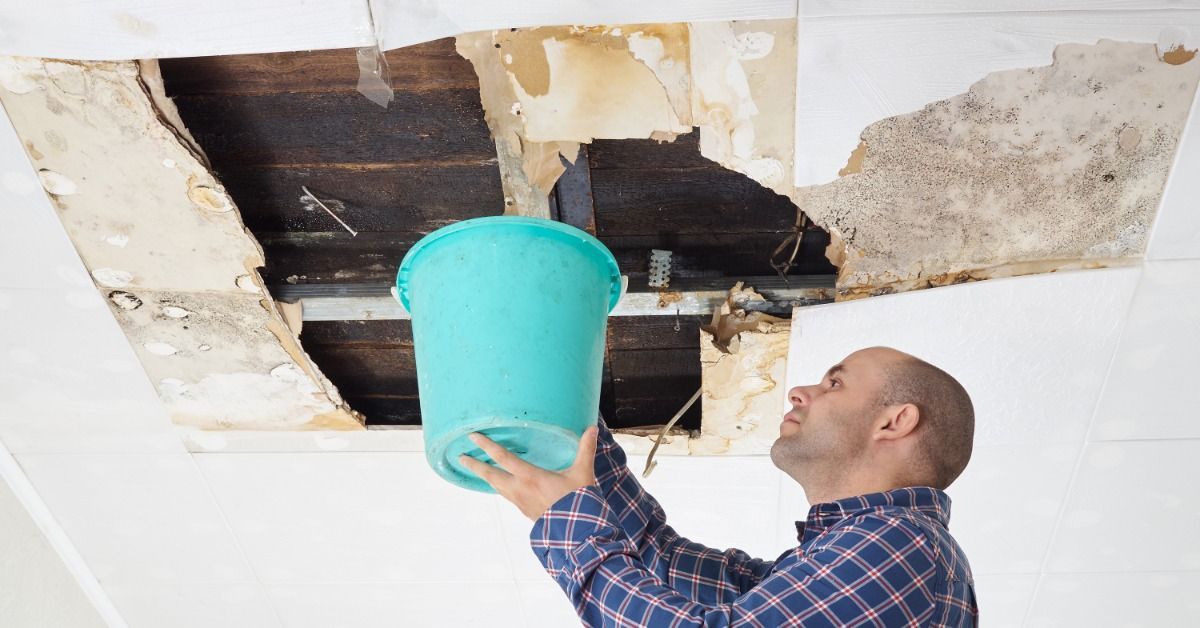
Inside the building, water stains or unexplained ceiling discoloration may indicate moisture infiltration. However, leaks sometimes develop long after the initial storm.
Homeowners should examine their property from ground level rather than climbing onto potentially damaged roofing surfaces. Professional contractors have the training and equipment necessary to inspect roofing materials safely.
Why Professional Hail Damage Inspections Matter
Hail damage doesn't always require complete roof replacement. The appropriate response depends on the affected materials and the extent of their deterioration.
During an inspection, roofing professionals examine vulnerable areas and assess whether impacts have compromised the system's protective function. They can also document visible damage and explain potential repair options.
Prompt inspections help property owners address storm-related concerns before additional weather exposure worsens existing problems. Waiting until leaks appear may allow moisture to spread into concealed roofing components.
For commercial properties, timely evaluations can help minimize operational disruptions. Residential homeowners also benefit from understanding their roof's condition before making repair decisions.
Protect Your Chicagoland Property With Prusak Roofing
Understanding how hail can damage different styles of roof helps property owners respond confidently after severe weather. Different roofing systems require specialized evaluations, especially when damage remains hidden beneath the surface.
Prusak Roofing provides residential and commercial roofing services throughout Chicagoland, including Bridgeview and surrounding communities. Our experienced team handles roof inspections and storm-damage repairs while helping property owners determine whether replacement makes sense. As a family-owned roofing contractor with decades of experience, we understand the challenges local weather creates. Contact Prusak Roofing to schedule an inspection.