Pros and Cons of Asphalt Shingle Roofing for Homes
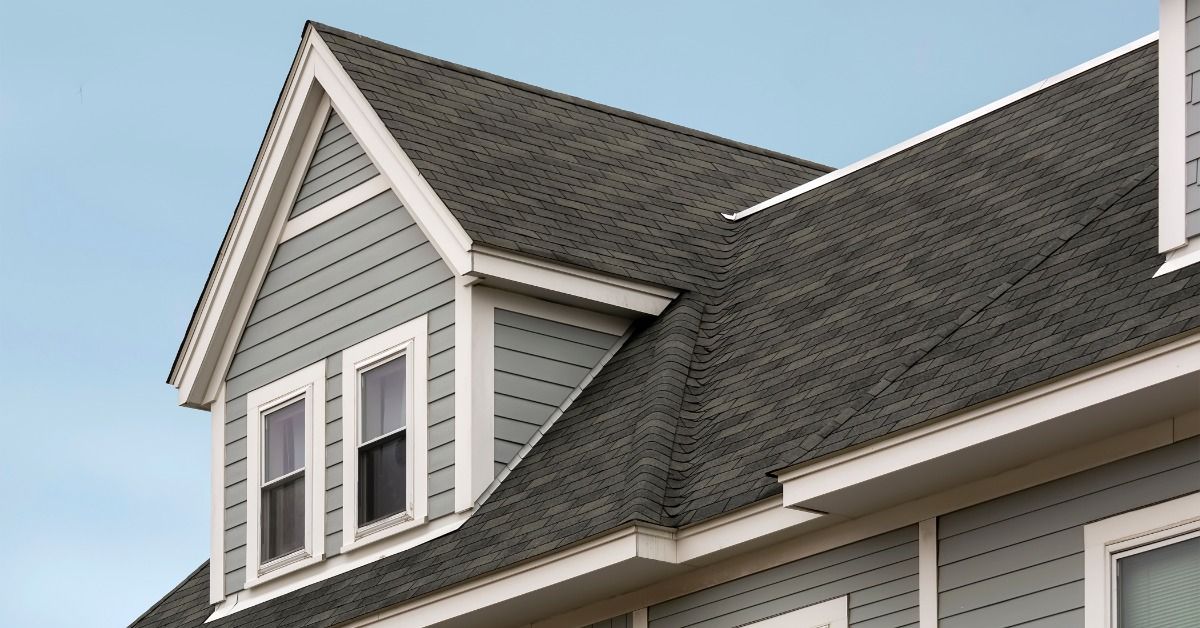
Choosing a roofing material affects how your home looks and how well it handles everyday exposure to the elements. Asphalt shingles remain a familiar choice for residential properties because they provide practical performance without requiring an unusually complicated installation process. Still, every roofing material has strengths and limitations that homeowners should understand before making a decision. Reviewing the pros and cons of asphalt shingle roofing for homes can help you decide whether this roofing system fits your property and long-term plans.
Why Homeowners Choose Asphalt Shingles
Asphalt shingles are a common residential roofing material because they work well with many home styles. Manufacturers produce them in various colors and profiles, giving homeowners flexibility when coordinating a roof with siding or other exterior features. Their familiar appearance can suit both traditional and updated home designs.
They also provide a straightforward roofing solution for homeowners who want dependable protection without choosing a specialty roofing system. Experienced roofing contractors regularly work with asphalt shingles and can determine whether a roof is suited to them. That familiarity can make planning a roof replacement easier.
Pro: Asphalt Shingles Offer Design Flexibility
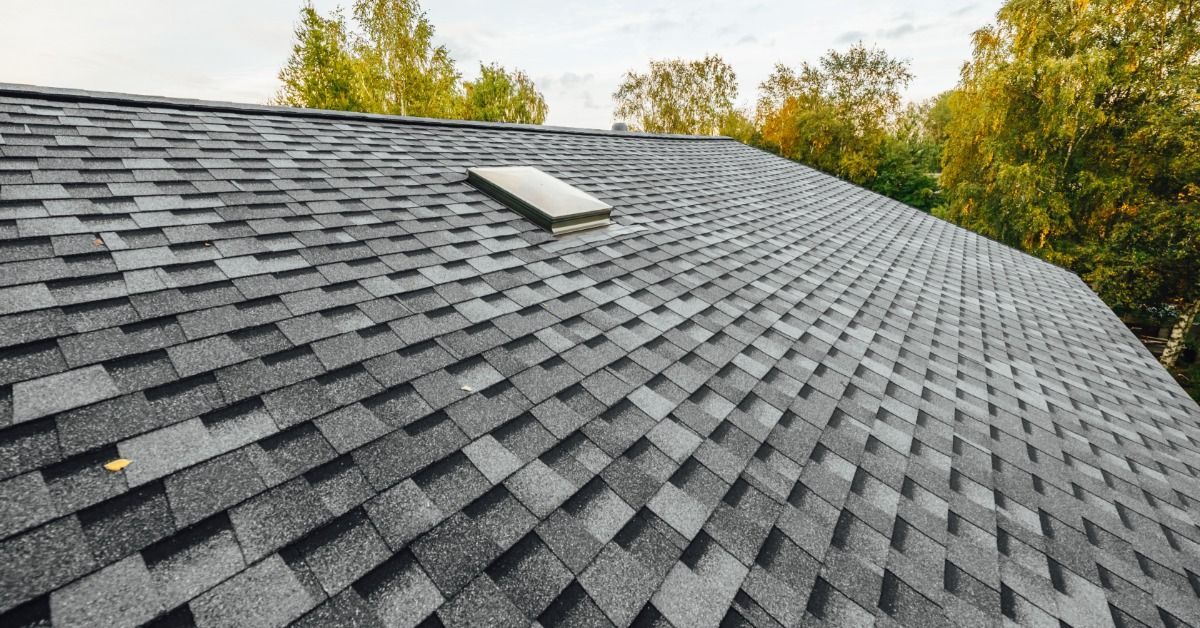
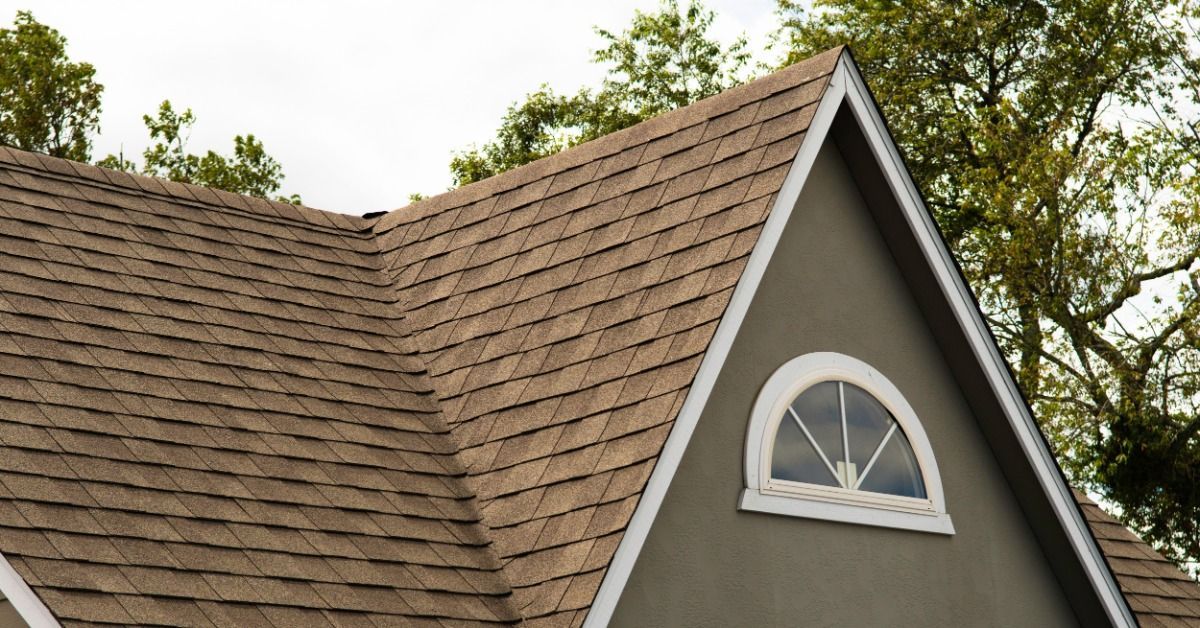
A new roof covers a large portion of a home’s visible exterior, so appearance matters. Asphalt shingles come in different shades and textures that allow homeowners to select a look that complements the property’s architecture. Some products create a dimensional appearance, while others provide a simpler finished surface.
This variety gives homeowners room to update curb appeal without changing the character of the house. A carefully selected shingle can coordinate with existing exterior materials and help the roof complement the overall design. Homeowners can discuss available options with a roofing contractor before choosing a product.
Pro: Installation Is Relatively Straightforward
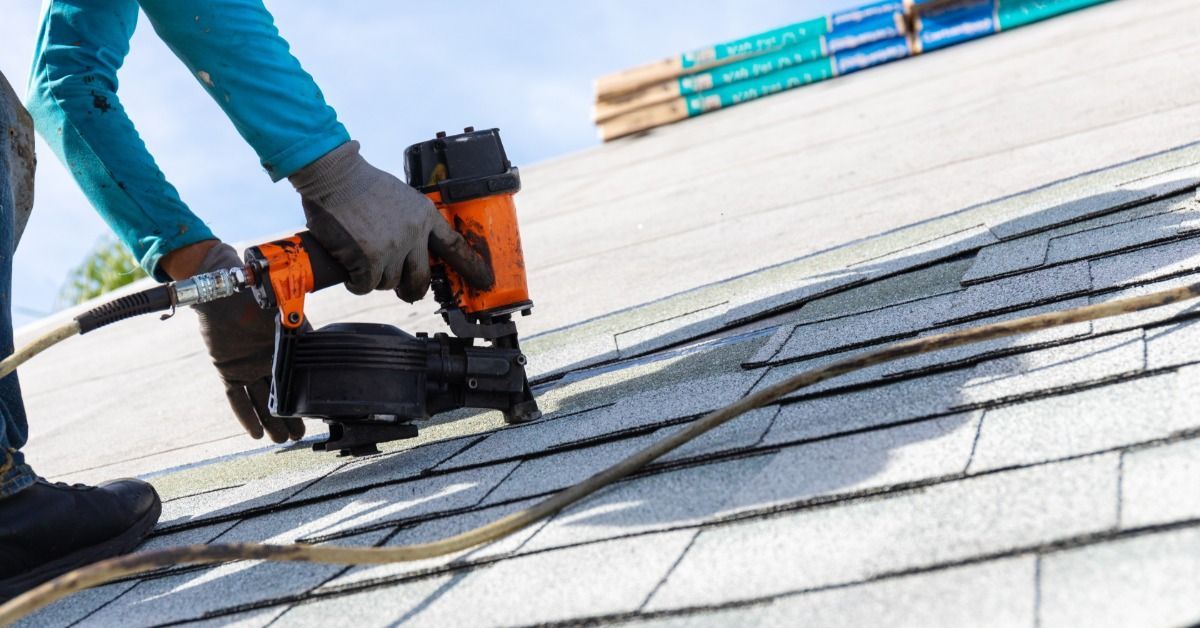
Asphalt shingles use an installation method that professional residential roofers regularly handle. When the roof deck is ready and weather conditions cooperate, crews can install the roofing system efficiently. A qualified contractor will also address important supporting components beneath the shingles.
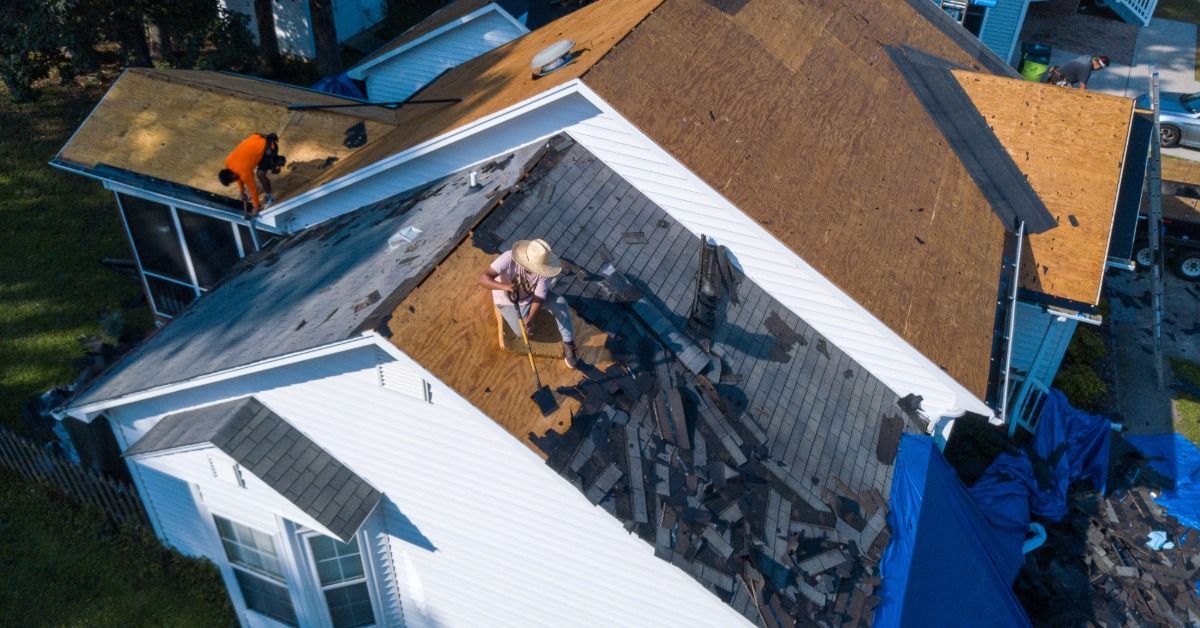
Proper installation matters because shingles cannot perform as intended when contractors skip necessary preparation. Roofers should inspect the underlying surface before installing new material and correct problems that could affect the finished roof. Careful workmanship helps the system shed water properly during changing weather.
Pro: Repairs Can Be Manageable
Damage does not always affect an entire asphalt shingle roof. In some situations, a roofer may be able to address a limited problem without replacing the complete roofing system. The appropriate repair depends on the condition of the surrounding shingles and the cause of the damage.
This repair potential can help after isolated weather damage or when a small roof area develops a problem. However, homeowners should not assume that every visible issue has a simple fix. A professional inspection can determine whether localized repair makes sense or broader deterioration requires another solution.
Pro: Asphalt Shingles Suit Many Residential Roofs
Many pitched residential roofs can accommodate asphalt shingles, making the material relevant for a wide range of homes. The roofing system directs water down the slope and toward the home’s drainage system. Correct installation helps support this important function.
Homeowners also have numerous product choices within the asphalt shingle category. The right option depends on the house and the homeowner’s priorities. A roofing professional can explain differences between available shingles and recommend an option appropriate for the property.
Con: Severe Weather Can Damage Shingles
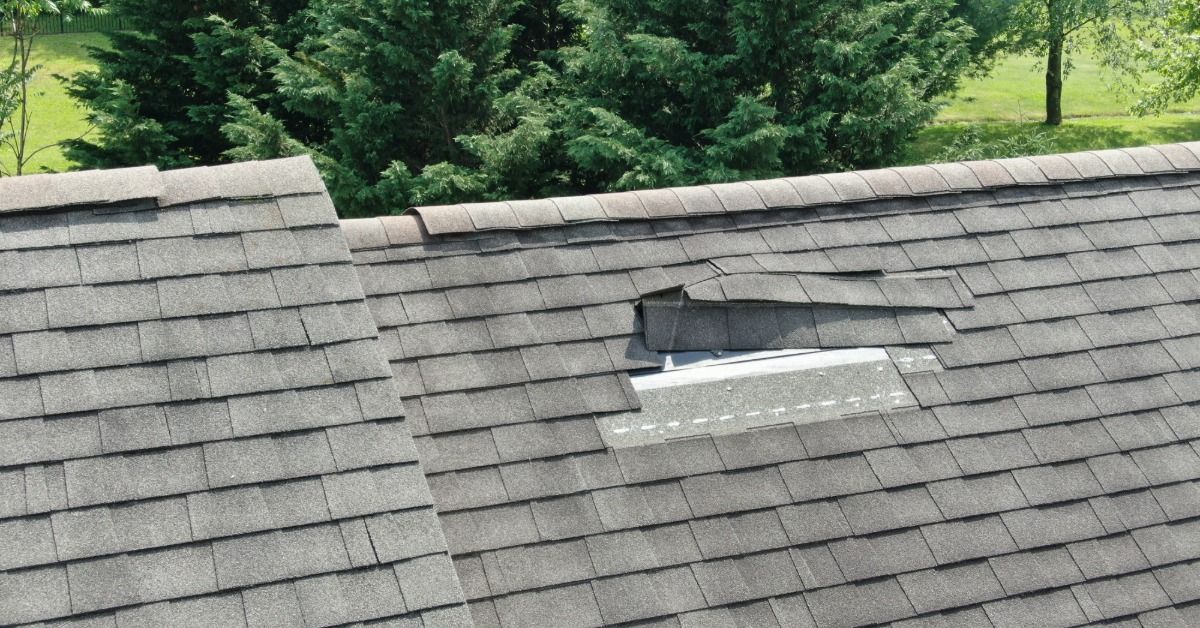
Asphalt shingles face direct exposure to wind and harsh weather throughout their service life. Strong conditions can loosen shingles, lift edges, or damage individual sections. Falling debris may also harm the roofing surface during a storm.
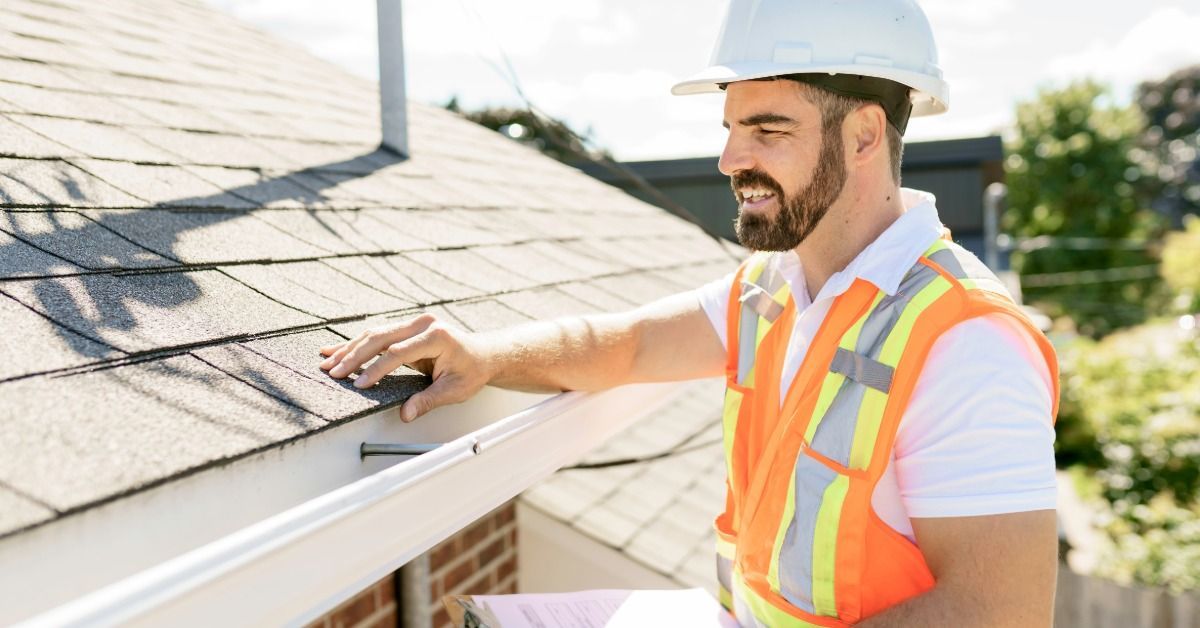
Homeowners should examine their roof from the ground after significant weather and watch for obvious changes. Missing shingles or roofing material around the property can indicate that the roof needs attention. Because climbing onto a roof creates safety risks, a professional inspection provides a safer way to assess suspected storm damage.
Con: Asphalt Shingles Eventually Wear Down
Every roofing system eventually reaches the end of its useful service life. Asphalt shingles can wear as years of sunlight and changing weather affect the roof surface. The pace of aging varies based on the product and quality of installation.
An older roof may show curling edges, missing material, or other visible changes that deserve professional evaluation. Homeowners should not wait for an active leak before asking about roof condition. Periodic inspections can identify developing concerns and help determine whether repair or replacement is appropriate.
Con: Ventilation Problems Can Affect Roof Performance
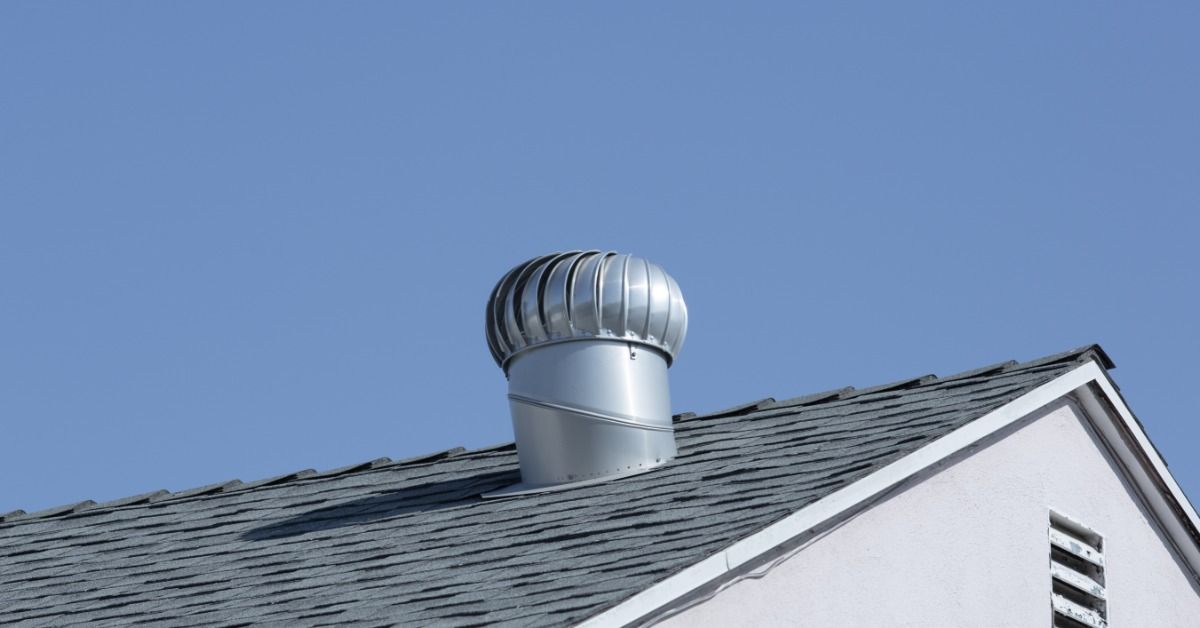
Shingles are only one part of a residential roofing system. Attic ventilation can influence conditions beneath the roof, so contractors should consider it when evaluating roof performance. A roofing project may provide an opportunity to identify ventilation concerns that need attention.
Homeowners sometimes focus primarily on visible shingle color or style when planning a replacement. Those choices matter, but the supporting roof system deserves consideration too. An experienced contractor can evaluate ventilation and explain how it supports the finished roofing system.
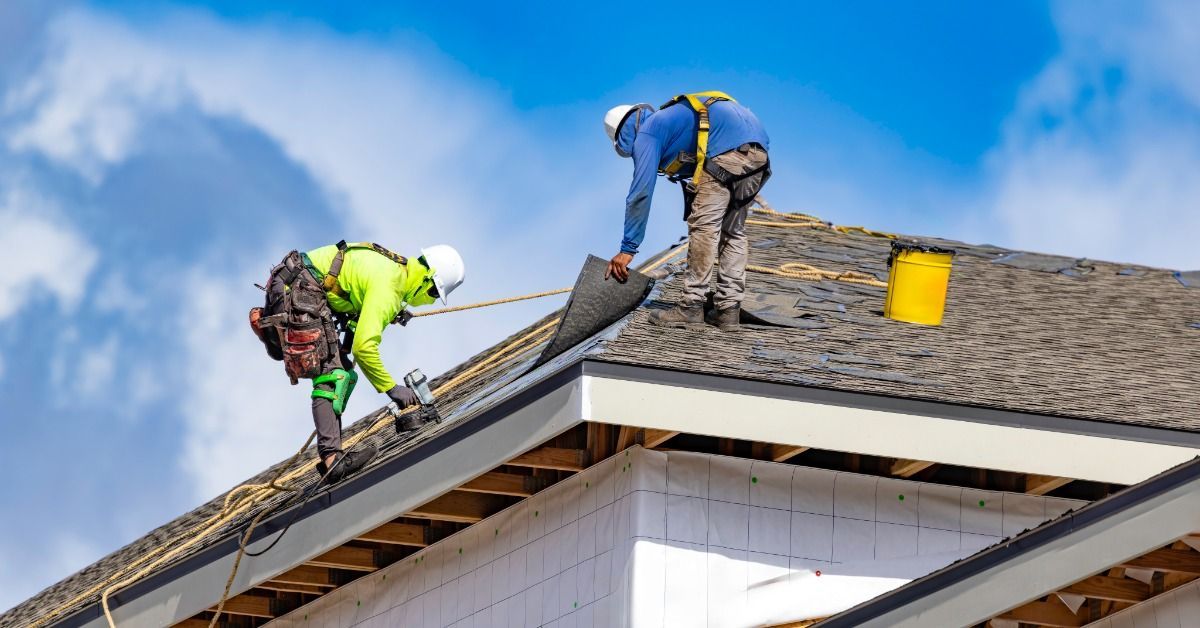
Con: Quality Depends Heavily on Installation
Even a well-made shingle needs correct installation. Poor workmanship can create vulnerable areas around roof penetrations or transitions where contractors must carefully direct water away from the home. Problems with the roof deck can also undermine a new roofing system when crews fail to address them first.
Choosing a contractor therefore deserves as much consideration as choosing a shingle. Homeowners should work with a roofing company that evaluates the existing roof before recommending a replacement plan. Clear communication also helps homeowners understand what work their roof requires.
How To Decide Whether Asphalt Shingles Fit Your Home
Start by considering your roof’s current condition and your goals for the property. Think about the appearance you prefer and how long you expect to remain in the home. Your roof’s design will also influence which materials make sense.
A professional roof evaluation can turn those considerations into a practical recommendation. The contractor can inspect the roof and discuss suitable asphalt shingle options based on the home’s needs. This approach helps homeowners make a decision based on their specific property rather than choosing solely by appearance or familiarity.
Choose Professional Roofing Support From Prusak Roofing
Understanding the pros and cons of asphalt shingle roofing for homes makes it easier to ask informed questions before a repair or replacement. Asphalt shingles offer flexible styling and familiar residential performance, but weather exposure and installation quality can influence how well the system serves your home. Prusak Roofing provides commercial and residential roofing services, helping property owners address their roofing needs with experienced professional care. As a family-owned roofing company serving the greater Chicago area, Prusak Roofing can evaluate your roof and help you determine an appropriate next step. Contact us to learn more.