8 Ways To Protect Your Roof From Heavy Snow
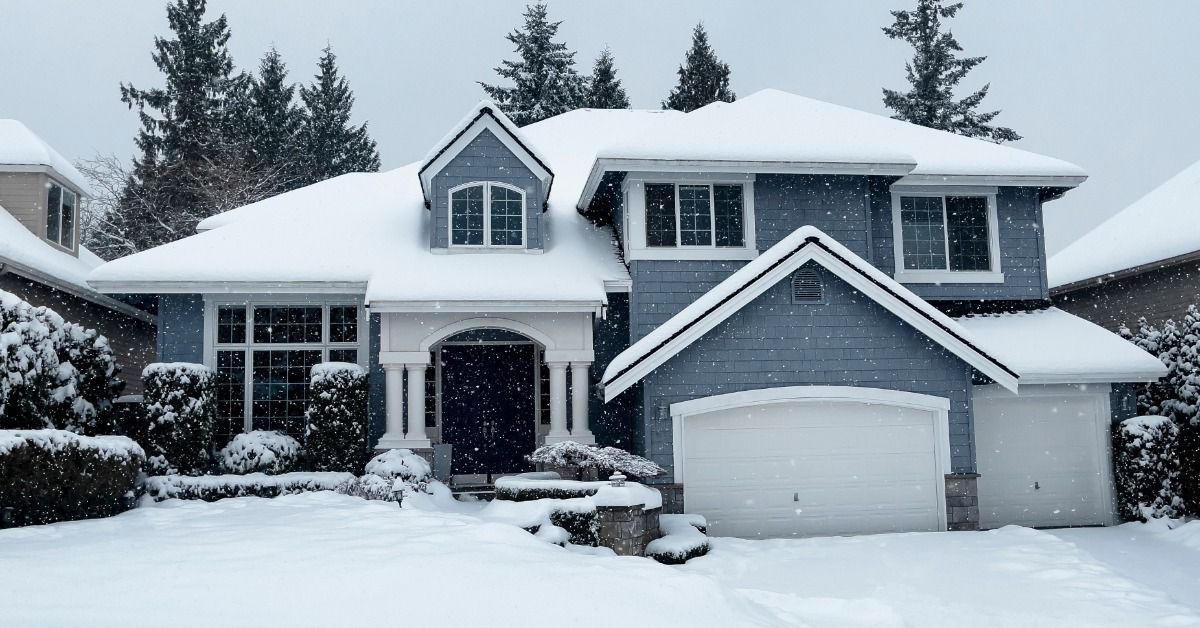
Heavy snowfall can turn a quiet winter day into a concern for homeowners. Snow adds weight to roofing materials, while melting and refreezing water can create problems along roof edges. Understanding the ways to protect your roof from heavy snow helps you reduce avoidable damage without putting yourself at risk. With preparation and timely professional attention, your roof can handle winter weather effectively.
1. Schedule a Roof Inspection Before Winter
A professional inspection gives you a clearer picture of your roof's condition before snow begins accumulating. A roofer can identify loose shingles, deteriorating flashing, and other vulnerable areas that might allow moisture to enter. Addressing these concerns early can help prevent a minor issue from becoming a more complicated winter repair.
Ask your contractor to pay particular attention to roof penetrations and places where different surfaces meet. These areas often experience additional exposure to water as snow melts. An inspection also helps you understand whether aging materials need repairs before another season of harsh weather arrives.
2. Keep Gutters Clear Before Snowfall
Gutter guards may reduce some debris, but they do not replace routine checks. Snow and ice can still collect around the edges, especially during alternating warm and cold spells. Make sure drainage improvements address the whole system rather than only the visible gutter troughs.
Clogged gutters can interfere with drainage when rooftop snow begins melting. Leaves and other debris trap water near the roof edge, where freezing temperatures can turn it into ice. As ice accumulates, water may back up beneath vulnerable roofing materials and contribute to leaks.
Clear your gutters after autumn leaves fall, and check that downspouts direct water away from your home. Hire a professional when gutter access requires climbing a ladder or working near slippery surfaces. Keeping drainage paths open supports proper water movement during winter thaws, although it cannot eliminate every ice dam.
3. Improve Attic Insulation and Ventilation
Heat escaping through the attic can warm sections of the roof and melt the snow above them. That water may refreeze when it reaches colder roof edges, contributing to ice dams. Proper insulation helps limit unwanted heat transfer, while an appropriately designed ventilation system supports more consistent roof temperatures.
Have a qualified professional assess your attic rather than assuming additional vents will solve the problem. Air leaks around ceiling openings can also let warm indoor air reach the attic. Correcting these issues requires a coordinated approach that considers insulation levels and the home's existing ventilation design.
4. Watch for Ice Dams Along Roof Edges
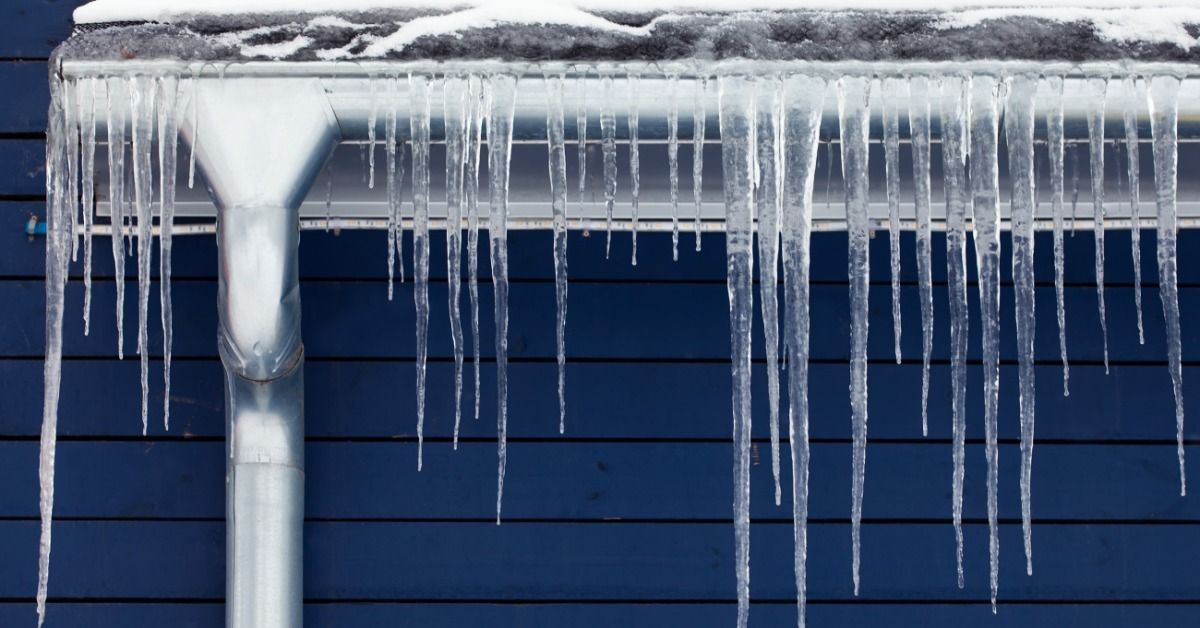
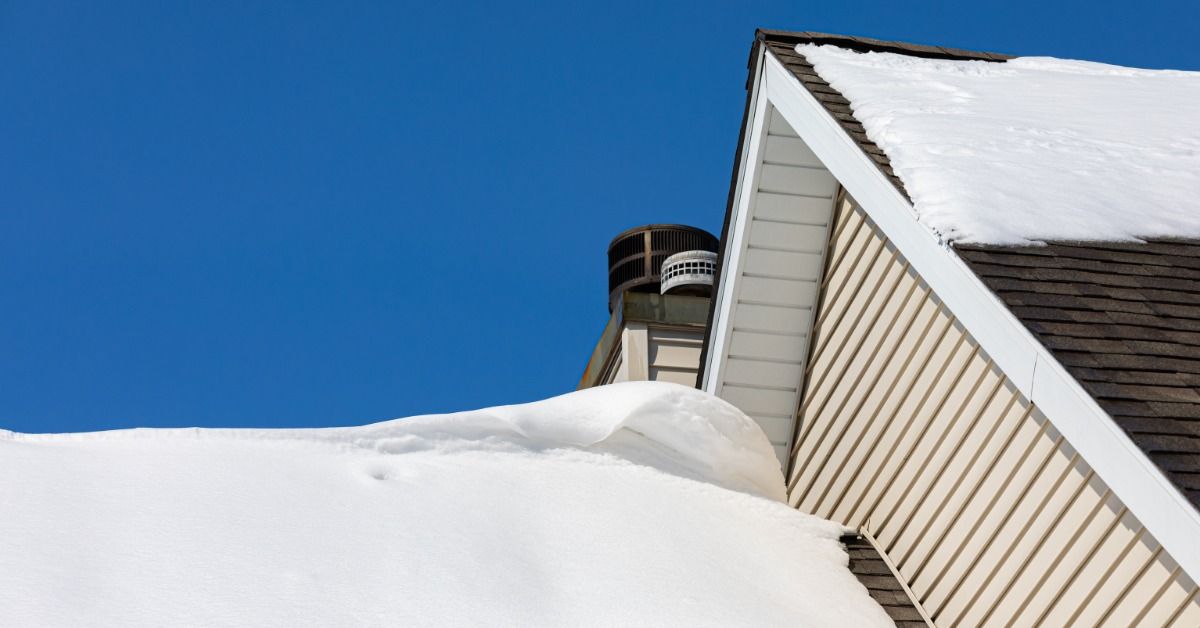
An ice dam forms when meltwater freezes near the eaves and creates a barrier to drainage. Water collecting behind that barrier can find its way beneath shingles and into the home. Icicles alone do not prove an ice dam exists, but thick ice buildup near the roof edge deserves attention.
Look for water stains on upper walls or ceilings after periods of melting snow. Avoid chopping ice with sharp tools because you could damage shingles or gutters. A roofing professional can evaluate the cause and recommend appropriate corrective work without exposing you to unnecessary roof hazards.
5. Remove Excess Snow Safely
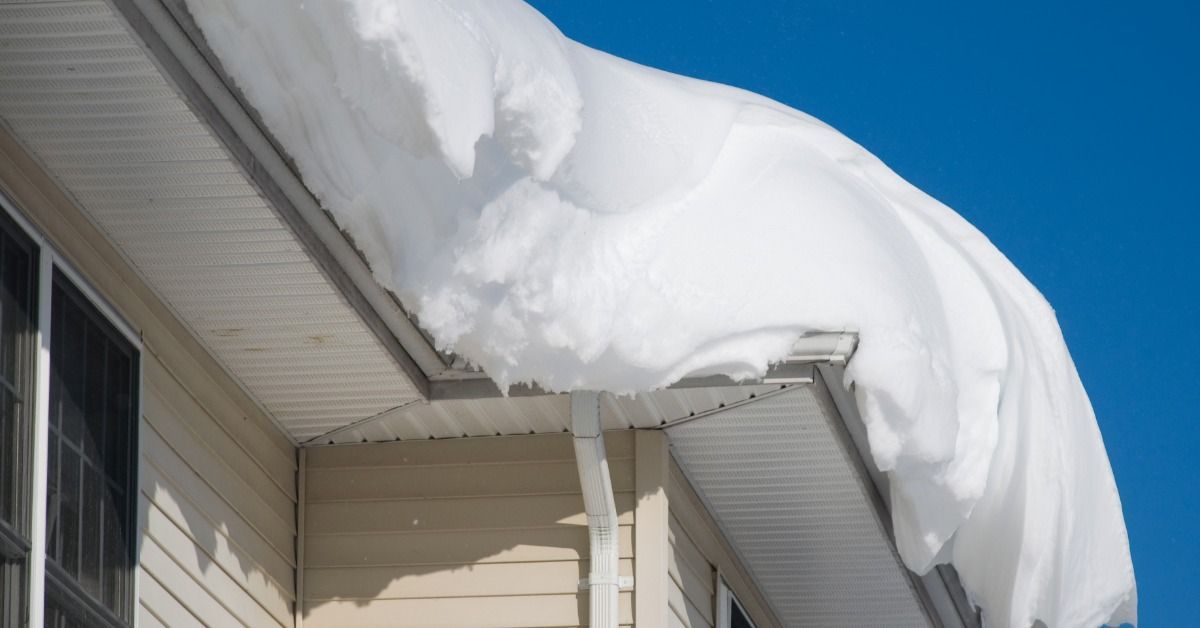
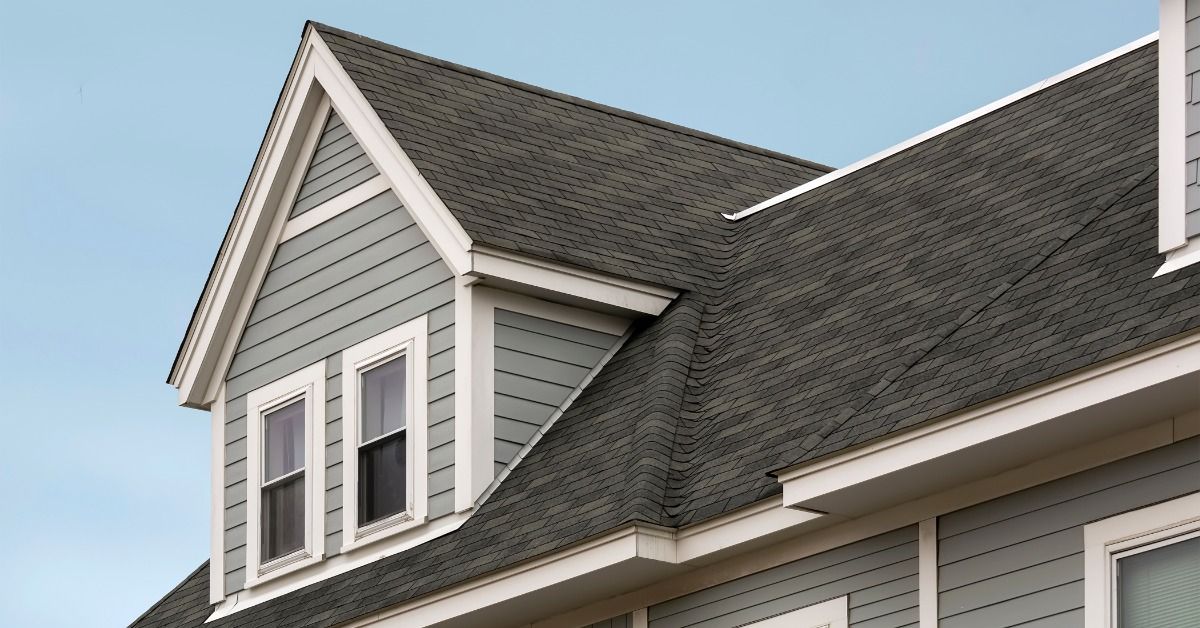
Pay attention to uneven accumulation where higher roof sections meet lower ones. Wind can deposit substantial drifts in these areas even when the rest of the roof looks relatively clear. A professional can consider roof design and visible warning signs when evaluating the situation.
Not every snowfall requires roof clearing. However, unusually deep accumulation, drifting snow, or repeated storms may warrant an assessment, especially on roofs with known structural concerns. Snow weight varies with moisture content, so depth alone cannot tell you whether a roof faces excessive loading.
Never climb onto a snow-covered roof to shovel it yourself. Working near icy edges creates a serious fall risk, and aggressive removal can damage roofing materials. If conditions raise concerns, contact a qualified roofing or snow removal professional who can determine whether removal is necessary and use methods suited to your roof.
6. Trim Branches That Hang Over the Roof
Snow and ice can weigh down tree limbs until they bend or break. Branches hanging above your roof may scrape shingles during windy weather or fall onto the roof during a storm. Even smaller branches can damage gutters when they break under accumulated snow.
Inspect nearby trees before winter and arrange trimming where limbs threaten the roof. An experienced tree service can handle larger branches and work near overhead utilities. Avoid cutting heavy limbs yourself, particularly when they already carry snow or ice. Preventive trimming reduces one avoidable source of winter roof damage.
7. Check Flashing and Other Leak-Prone Areas
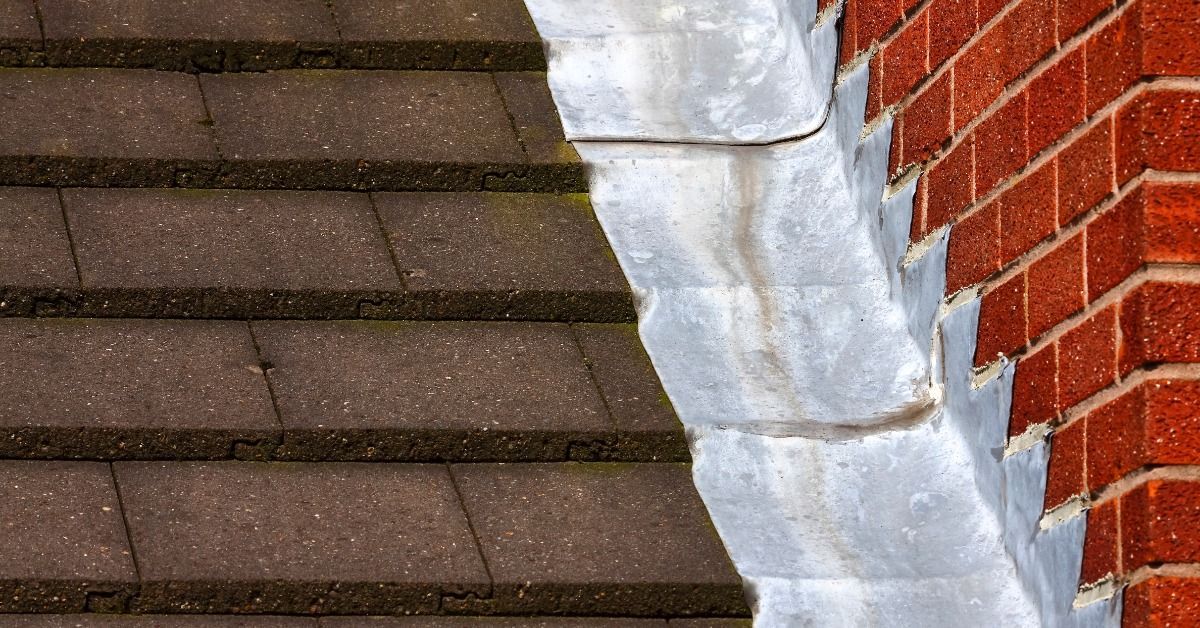
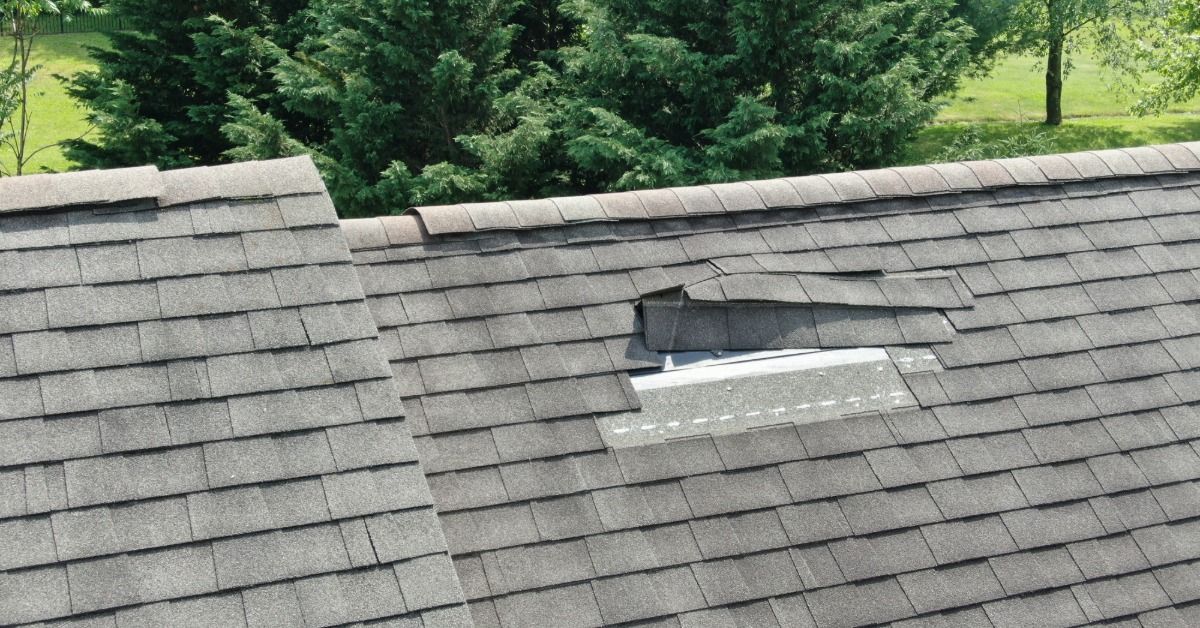
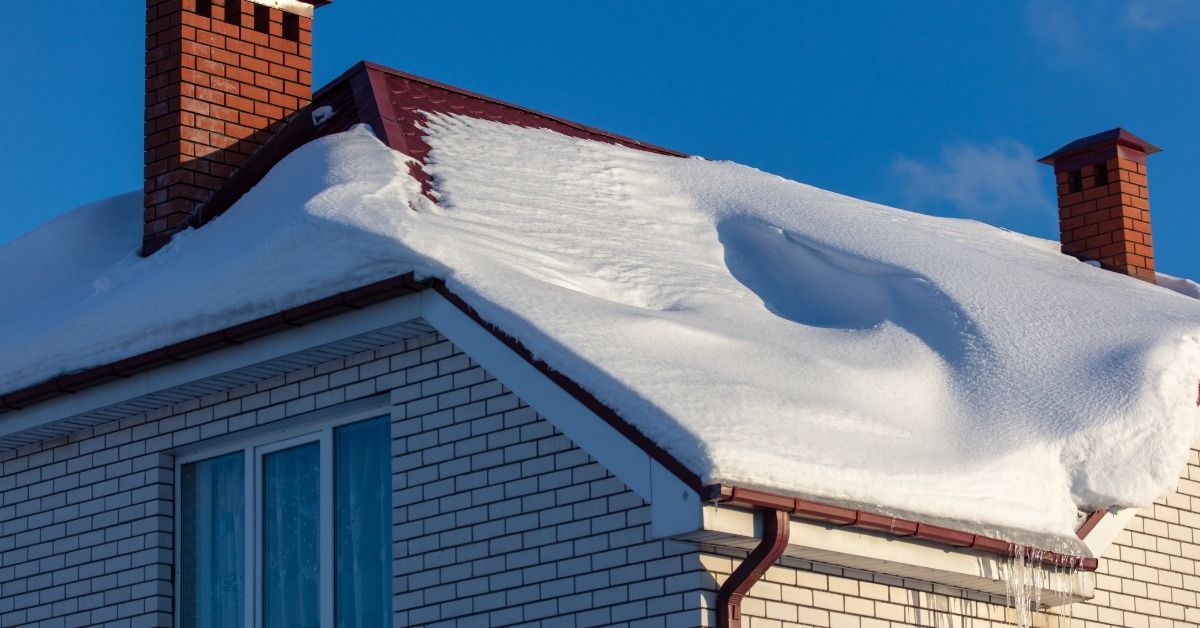
Flashing helps direct water away from vulnerable joints around chimneys and roof penetrations. When flashing loosens or its seals deteriorate, melting snow can enter through small openings. Winter weather may make these weaknesses more noticeable because moisture can remain near roof transitions for extended periods.
Have a roofer inspect questionable flashing before temperatures drop. Look inside your attic for damp insulation or discoloration after storms, but avoid stepping on unfinished ceiling surfaces. Finding the source of moisture early gives you a better chance of limiting damage to interior finishes and underlying roof components.
8. Respond Quickly to Signs of Winter Damage
Inside the home, check accessible attic areas after significant storms if you can do so safely. Moisture around roof decking or ventilation openings may appear before a stain reaches a finished ceiling. Keep photographs and notes about when you first noticed a change.
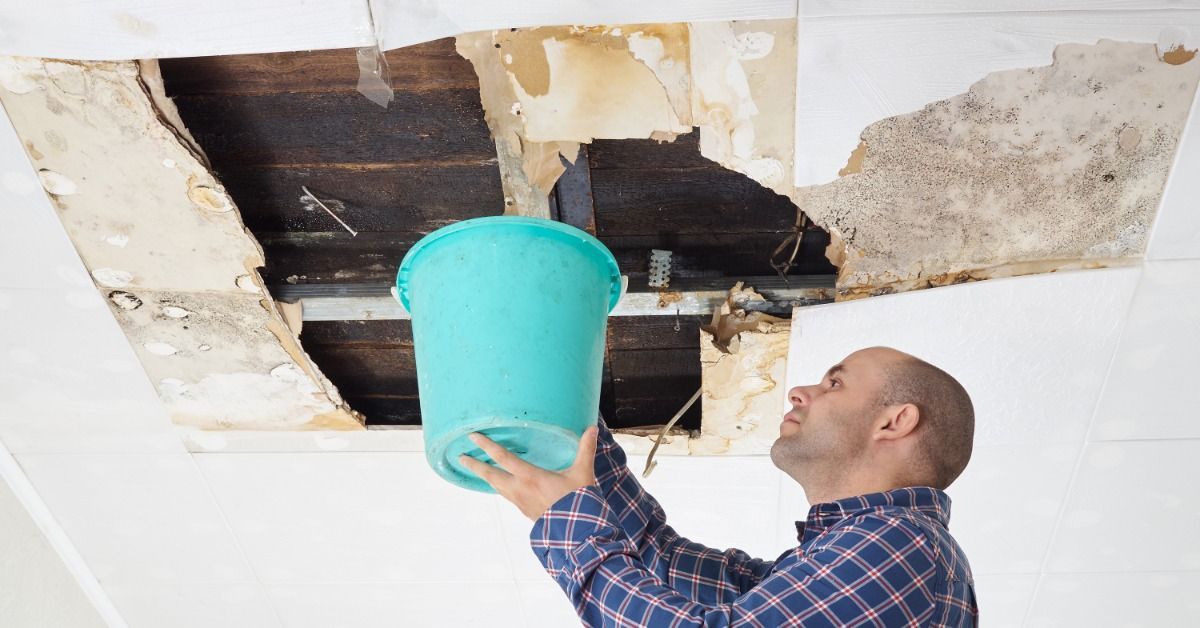
A roof rarely develops a visible problem at a convenient time. New ceiling stains, dripping water, or unusual sagging should prompt immediate attention. A sagging roofline can indicate a serious structural concern, so keep people away from the affected area and seek urgent professional guidance.
Document visible damage from a safe location and contact a roofing contractor for an assessment. Do not attempt temporary repairs while snow or ice covers the roof. Prompt action can help you understand the problem and plan appropriate repairs before additional winter weather arrives.
Protect Your Roof With Help From Prusak Roofing
Learning the ways to protect your roof from heavy snow gives you a practical starting point, but some winter problems require experienced help. Prusak Roofing provides storm damage roof repair for homeowners throughout the greater Chicago area. Our team can inspect affected roofing, identify repair needs, and recommend next steps based on your roof's condition. Contact Prusak Roofing to request a free quote and prepare your home for whatever winter brings.