7 Things To Check on Your Roof After a Storm
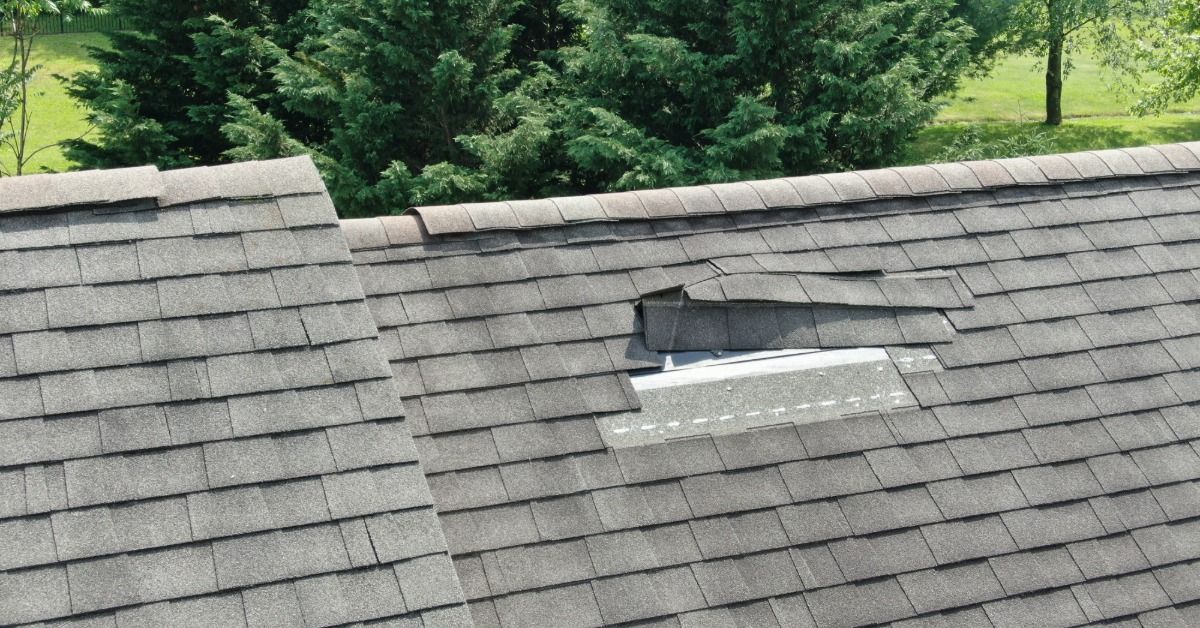
Strong storms can put a roofing system under serious stress, even when everything looks normal from the ground. High winds may loosen materials, while hail and heavy rain can expose weak areas that were not noticeable before the weather changed. Knowing the most important things to check on your roof after a storm can help you recognize possible damage before moisture has time to create a larger problem. A careful inspection also gives you useful information when deciding whether your roof needs professional attention.
1. Look for Missing or Damaged Shingles
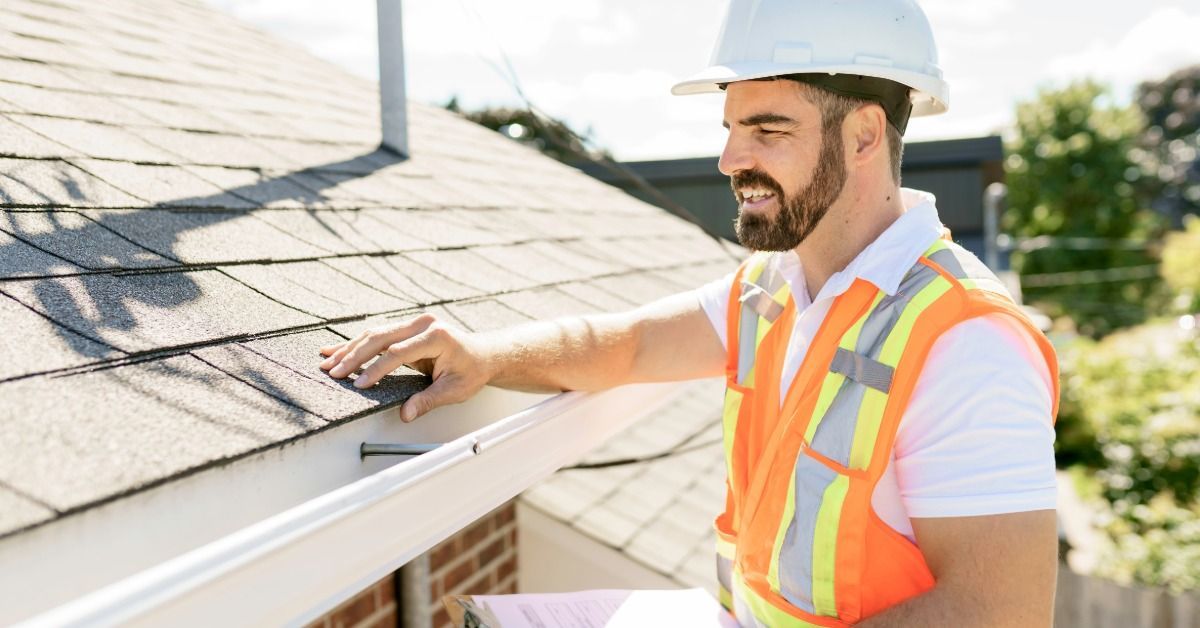
Start by looking at your shingles from a safe location on the ground. Strong winds can lift shingles or tear them away completely, leaving sections of the roofing system more vulnerable to moisture. You may notice an obvious bare area, but some forms of damage can be much harder to recognize without a closer inspection.
Watch for shingles that appear lifted, curled, cracked, or shifted out of position. A shingle does not have to disappear from the roof to become damaged during severe weather. Wind can weaken its seal or loosen the fasteners underneath it, potentially allowing water to reach areas that should remain protected.
Hail can also affect asphalt shingles without creating an obvious hole. Impacts may damage the shingle surface or loosen protective granules. Because this type of damage can be difficult to evaluate from the ground, contact a roofing professional if hail struck your property.
2. Check Flashing Around Roof Openings
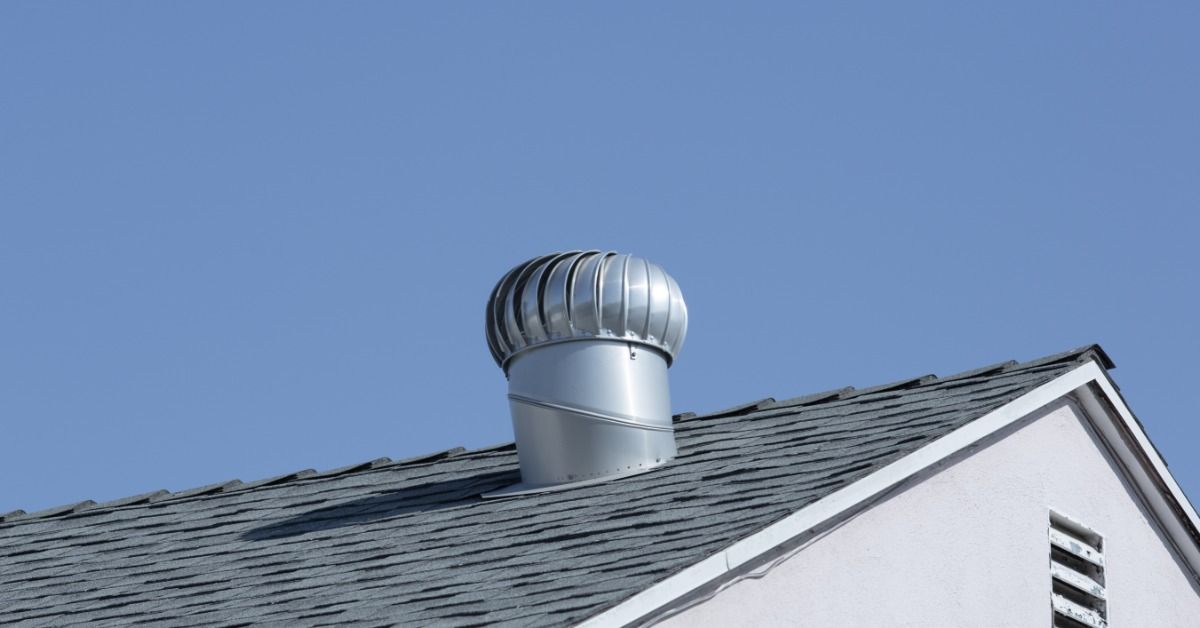
Flashing helps direct water away from vulnerable areas where roofing materials meet another surface. You will commonly find it around chimneys, skylights, vents, and other roof penetrations. Storm conditions can loosen or damage flashing, creating openings where rainwater may enter.
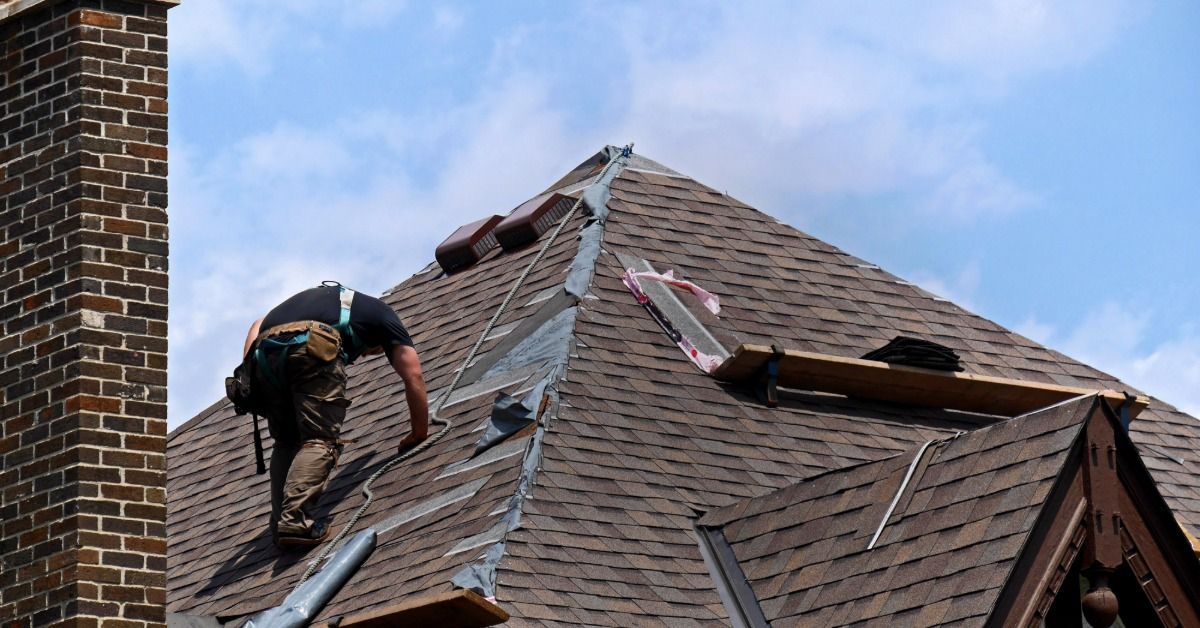
From the ground, look for pieces that seem bent or noticeably out of position. Do not climb onto a wet or potentially damaged roof to investigate these areas yourself. Even a roof that appears stable may have slippery surfaces or weakened sections after severe weather.
Professional roofers can examine flashing closely and determine whether it still provides a reliable barrier against water. Addressing a damaged area promptly may prevent moisture from spreading beneath surrounding roofing materials.
3. Inspect Your Gutters and Downspouts
Your gutter system can provide valuable clues about what happened to your roof during a storm. Walk around the property and look for gutters that have pulled away from the roofline or become bent. Check downspouts for visible damage as well.
After a hailstorm, you may also find an unusual amount of shingle granules inside gutters or near downspout openings. Asphalt shingles naturally lose some granules over time, so finding a small amount does not automatically indicate serious storm damage. A sudden, noticeable accumulation after severe weather deserves additional attention.
Make sure gutters remain securely attached and able to move water away from the building. Storm debris can create blockages that interfere with drainage. When water cannot flow properly, it may collect near the roof edge or overflow against exterior surfaces.
4. Examine Soffit and Fascia Areas
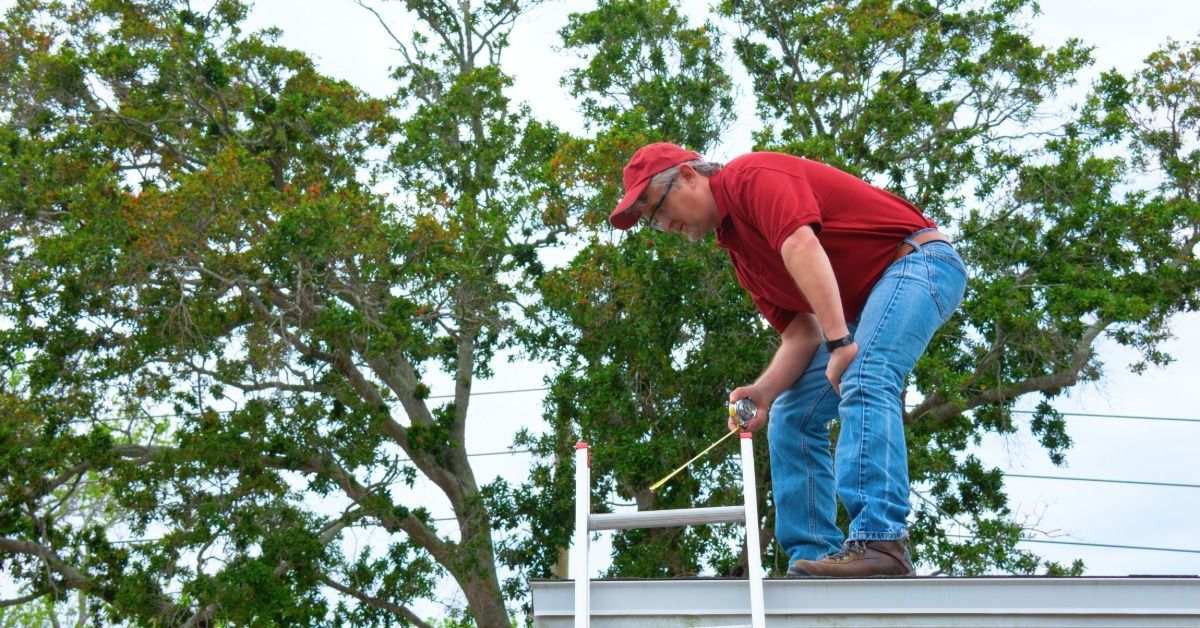
Storm damage does not always stop at the roof covering. Wind and flying debris can affect the soffit and fascia along the roofline. These exterior components contribute to the roofing system, so include them in your post-storm inspection.
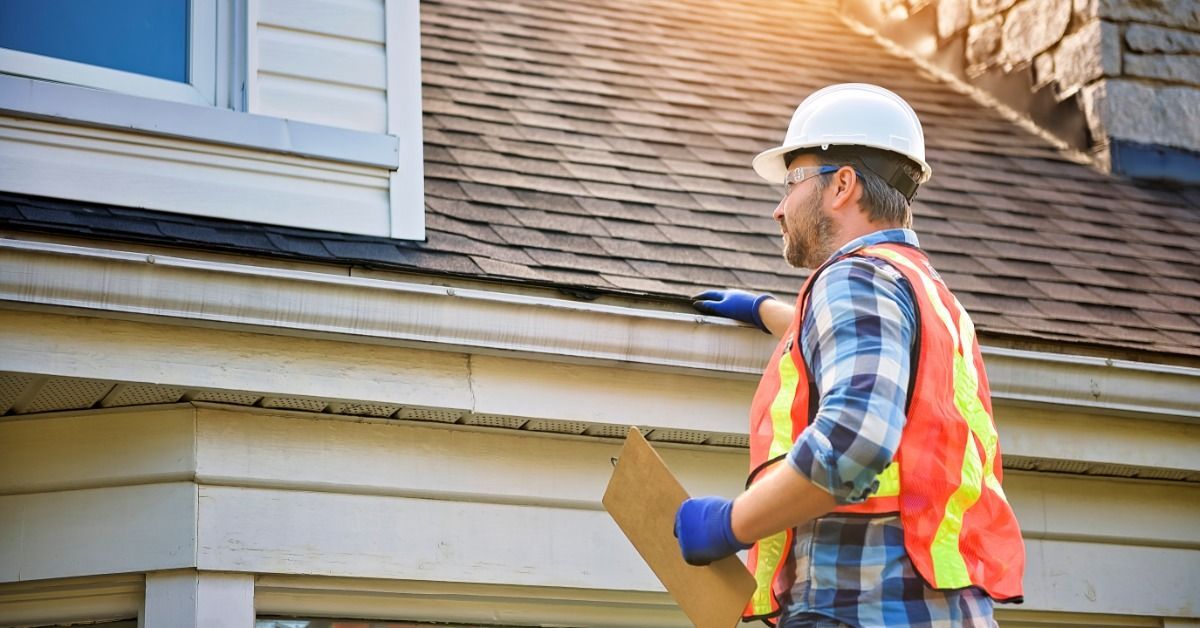
Walk around the building and look for loose sections, cracks, or pieces that appear to have shifted. Pay attention to areas where materials seem separated from the structure. Damage near the roof edge can create opportunities for moisture to enter areas that normally remain protected.
You should also watch for pieces of fascia or soffit material on the ground after strong winds. If you notice visible damage, avoid attempting repairs while conditions remain wet or windy. A professional can determine whether the damage affects only the exterior materials or extends farther into the roofing system.
5. Look Inside for Signs of Water
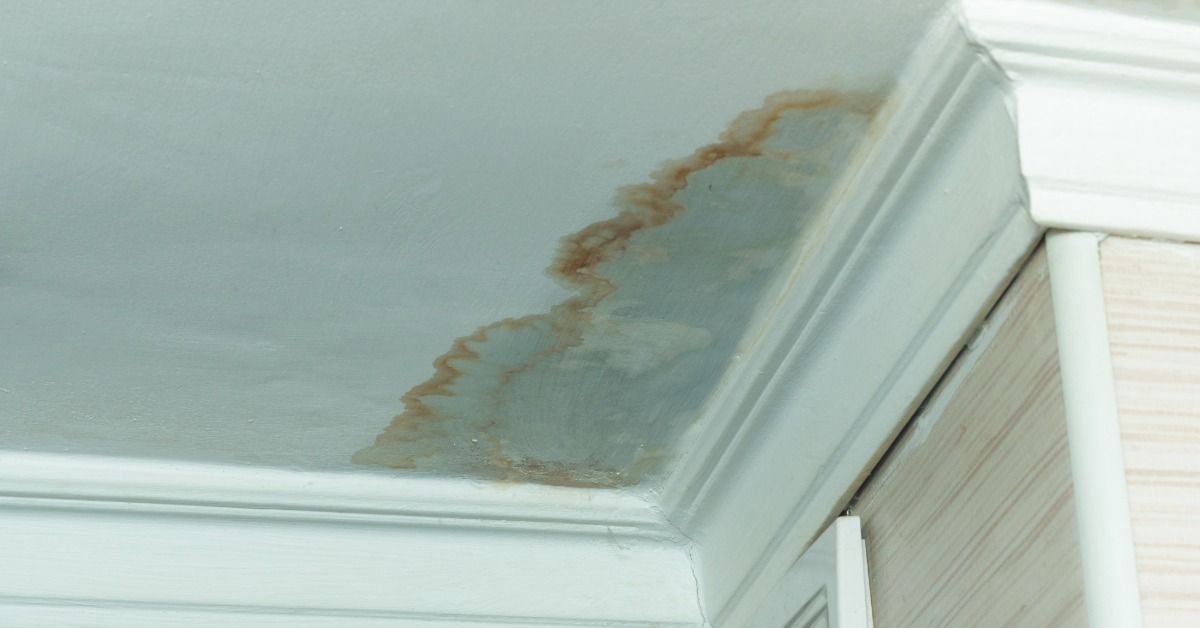
Some of the most important signs of roof damage appear inside the building rather than outside. After a storm, check ceilings and upper walls for water stains or damp areas. New discoloration can indicate that moisture entered through the roofing system.
If you can safely access your attic, look for damp insulation or visible moisture around the roof decking. Pay attention to any water that appears shortly after rainfall. Even a small leak deserves attention because moisture can travel before becoming visible inside a finished room.
Keep in mind that the location of an interior stain does not always identify the exact point where water entered. Water may follow roof decking or framing before appearing elsewhere. A professional inspection can trace the moisture and identify the actual source.
6. Check for Damage From Fallen Debris
Branches and other windblown debris can strike a roof with considerable force. After the storm passes, look for debris resting on the roof or scattered around the property. A fallen branch may damage shingles even when it does not puncture the roof.
Large debris requires particular caution because the roofing structure underneath may have sustained damage. Never climb onto the roof to remove a heavy branch yourself. The affected area may not safely support your weight.
Instead, observe the roof from the ground and document what you can see. If a tree or large branch has struck the building, arrange for an appropriate professional inspection. Roof damage can extend beyond the visible impact point, making a thorough evaluation important.
7. Pay Attention To Changes in the Roofline
Step back far enough to view the overall shape of your roof safely. The roofline should generally appear consistent with how it looked before the storm. A new dip or uneven section may indicate a problem that needs immediate professional evaluation.
Structural changes are especially important after a tree impact or particularly intense storm. Do not enter an area that appears unstable, and never walk across a roof that looks compromised. Keep people away from the affected portion of the property until a roofing professional can inspect it.
Even when you do not notice a major change, trust your knowledge of your home or commercial building. If something looks different after the storm, having a roofer inspect it can clarify whether repairs are necessary.
Schedule a Professional Roof Inspection After Storm Damage
Understanding the things to check on your roof after a storm gives you a practical way to spot warning signs, but a ground-level review cannot reveal every roofing problem. Prusak Roofing provides residential and commercial roofing services backed by decades of experience serving the greater Chicago area. The company can inspect storm-related concerns and help property owners understand the condition of their roofing systems. Prusak Roofing also offers EPDM roof installation in Illinois for commercial properties that need a durable roofing solution. Contact Prusak Roofing to request an estimate and discuss the right next step for your property.