How Roof Color Impacts Your Home’s Energy Efficiency

The color of your roof does more than shape your home’s appearance. It can influence how much solar heat the roof absorbs, which may affect temperatures in the attic and the amount of work your cooling system must do. Understanding how roof color impacts your home’s energy efficiency can help you make a more informed choice when replacing or restoring your roof. Color is only one part of roof performance, but it deserves consideration alongside the roofing material, ventilation, insulation, and the condition of the overall system.
Why Roof Color Can Affect Heat Absorption
Roof surfaces receive direct sunlight for hours at a time, especially during long summer days. Some colors absorb more of that solar energy, while others reflect a greater portion away from the building. As a roof absorbs heat, that warmth can move through the roofing assembly and contribute to higher temperatures beneath the roof.
Darker roof colors generally absorb more solar heat than lighter colors made from comparable materials. A dark surface can therefore become warmer under strong sunlight, although the complete roofing system influences how much heat reaches the living space.
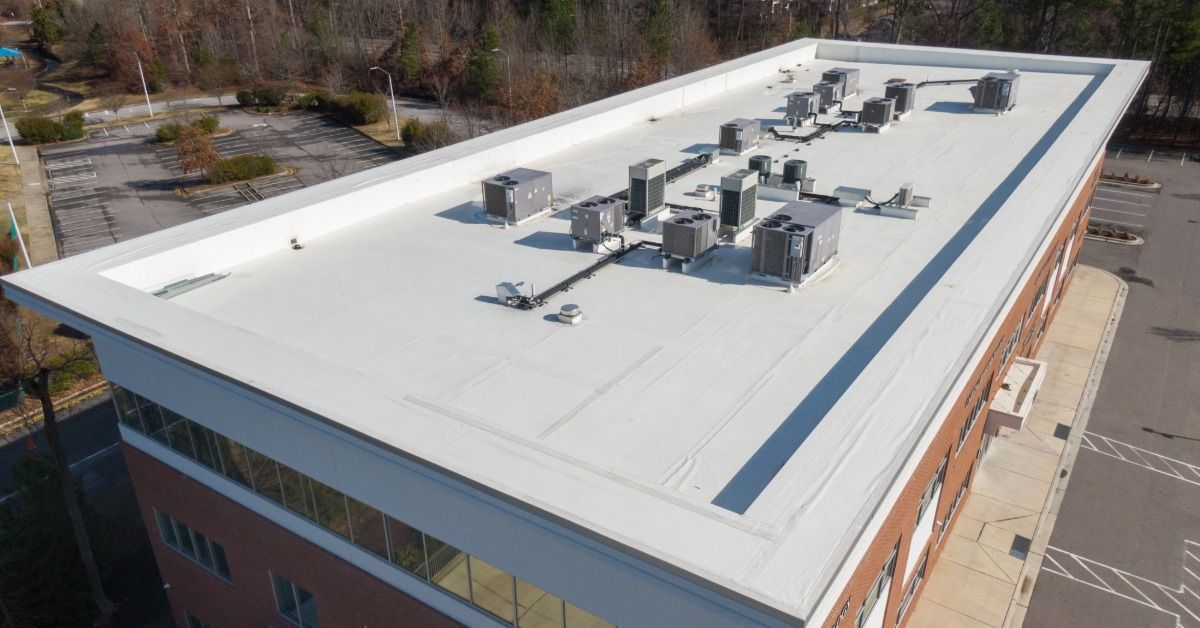
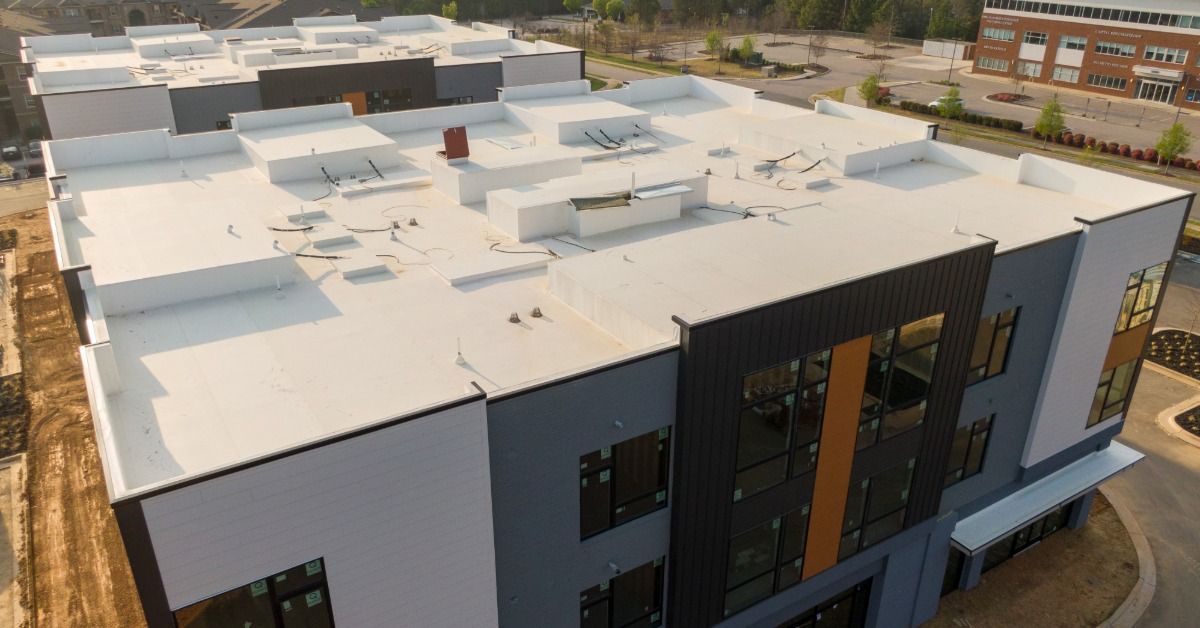
Lighter roof colors can reflect more sunlight and may help limit heat buildup at the roof surface. This can be useful during warm weather, but color is not a stand-alone solution for reducing energy use.
Climate Matters When Choosing a Roof Color
Local weather should influence any conversation about roof color. Homes in the Chicago area experience hot summers as well as cold winters, so roofing decisions need to account for variable conditions throughout the year. The roof must perform through changing seasons.
A lighter roof may help reduce solar heat absorption during sunny summer weather. In winter, a darker roof can absorb more sunlight, but homeowners should not rely on that effect as a meaningful source of indoor heating. Winter conditions also limit that effect.
Because the Midwest experiences substantial seasonal changes, homeowners benefit from looking beyond color alone. The roof should work as part of a complete exterior system designed for the home and its environment. Professional guidance can help balance appearance with performance.
Roofing Material Changes the Equation
Two roofs with similar colors may perform differently because roofing materials have their own surface properties. Asphalt shingles remain a common choice for residential homes, and manufacturers offer them in a broad range of colors. The specific product affects how the roof interacts with sunlight.
Reflective characteristics depend on more than whether a shingle looks light or dark. Surface granules, product construction, and aging can influence the way a roof handles solar energy. Homeowners should review the actual roofing product instead of relying on color alone.
A roofing contractor can help homeowners compare appropriate products without sacrificing the look they want. This helps balance energy performance with exterior appearance.

Attic Ventilation Supports Roof Performance
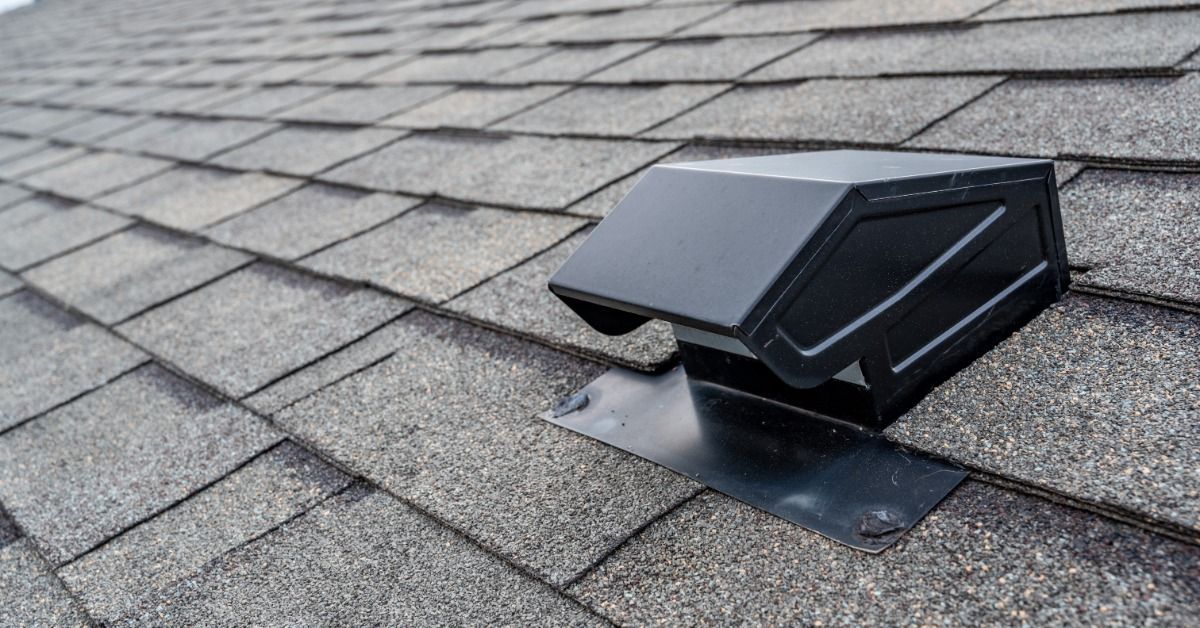
Roof color can influence surface temperature, but attic ventilation plays an important role in managing heat beneath the roof. A properly designed ventilation system allows air to move through the attic instead of letting excessive heat remain trapped. During warmer months, this airflow can help reduce attic heat buildup.
Ventilation also matters during cold weather. Warm, moisture-laden indoor air can enter the attic, where it may create problems if the space cannot manage that moisture effectively. A balanced roofing system addresses airflow rather than expecting roof color to control attic conditions.
Homeowners replacing a roof have a good opportunity to ask whether existing ventilation is appropriate. A contractor can evaluate whether the current setup supports the new roofing system.
Insulation Helps Separate Outdoor Heat From Living Spaces
Insulation provides another layer of protection between outdoor conditions and the rooms inside your home. Even when a roof becomes hot in direct sunlight, effective insulation helps slow heat transfer into conditioned areas. During winter, it also helps keep heated indoor air where it belongs.
If attic insulation is inadequate, changing roof color will not correct the underlying weakness. Homeowners may still experience uncomfortable rooms. Addressing insulation and roofing together can create a more complete approach to household energy performance.
This matters when planning a roof replacement. Homeowners can use the project as a chance to consider whether the attic and roof assembly are working together effectively. A well-planned system supports comfort through changing seasons.
Balance Energy Goals With Curb Appeal
Energy efficiency matters, but homeowners also want a roof that looks right on their property. Roof color can dramatically change a home’s appearance. The best choice should support practical needs and the home’s character.
A lighter roof does not have to look stark, and a darker roof does not automatically create an energy problem. Many products offer shades between those extremes. Homeowners can compare samples against exterior finishes in natural daylight.
It also helps to think about long-term satisfaction. Choosing a color based only on energy efficiency may lead to regret if it clashes with the home’s exterior. Professional guidance can help homeowners find that balance.

Roof Condition Can Matter More Than Color
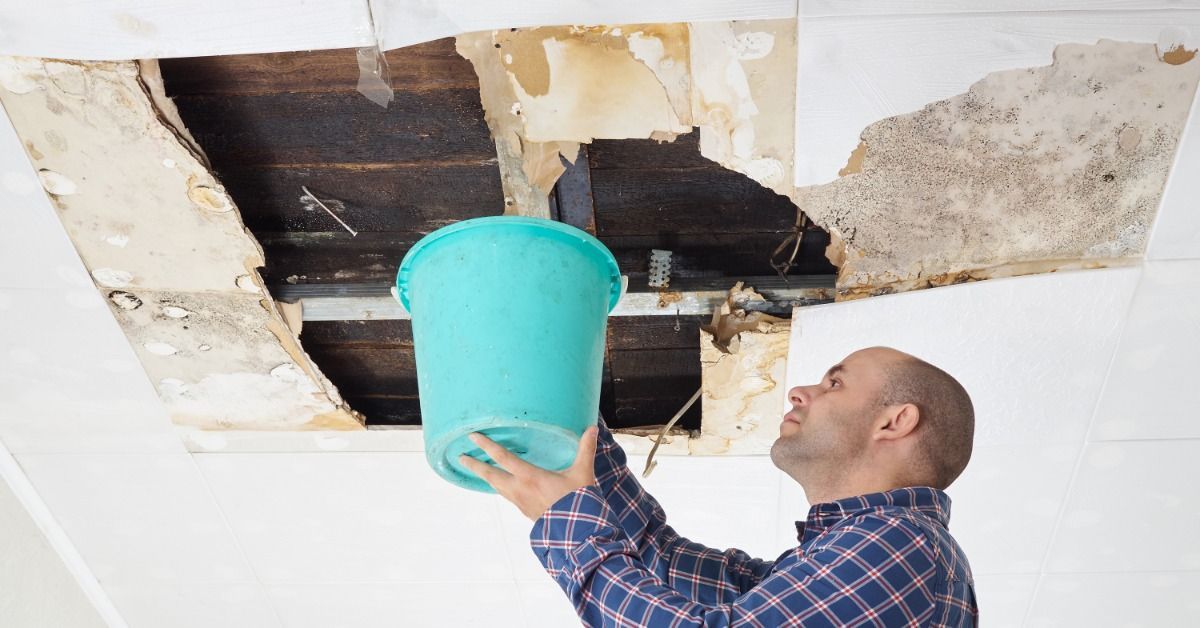
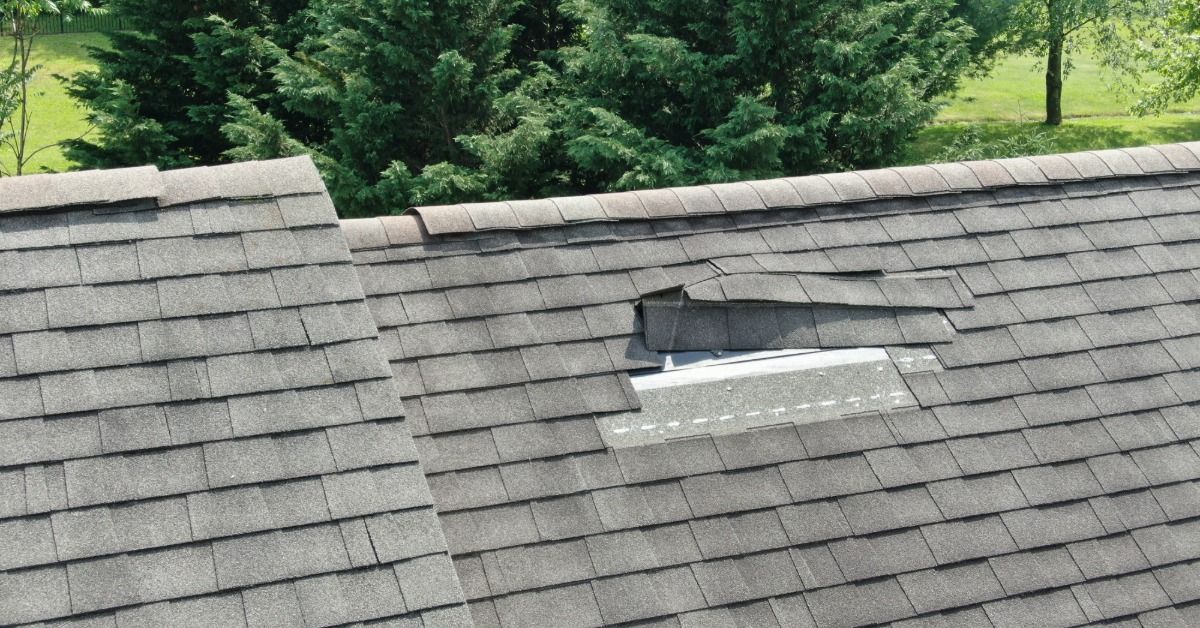
An aging or damaged roof can create concerns that outweigh the influence of shingle color. Damage can compromise the system’s ability to protect the home. When those issues exist, choosing an efficient-looking color will not restore proper roof performance.
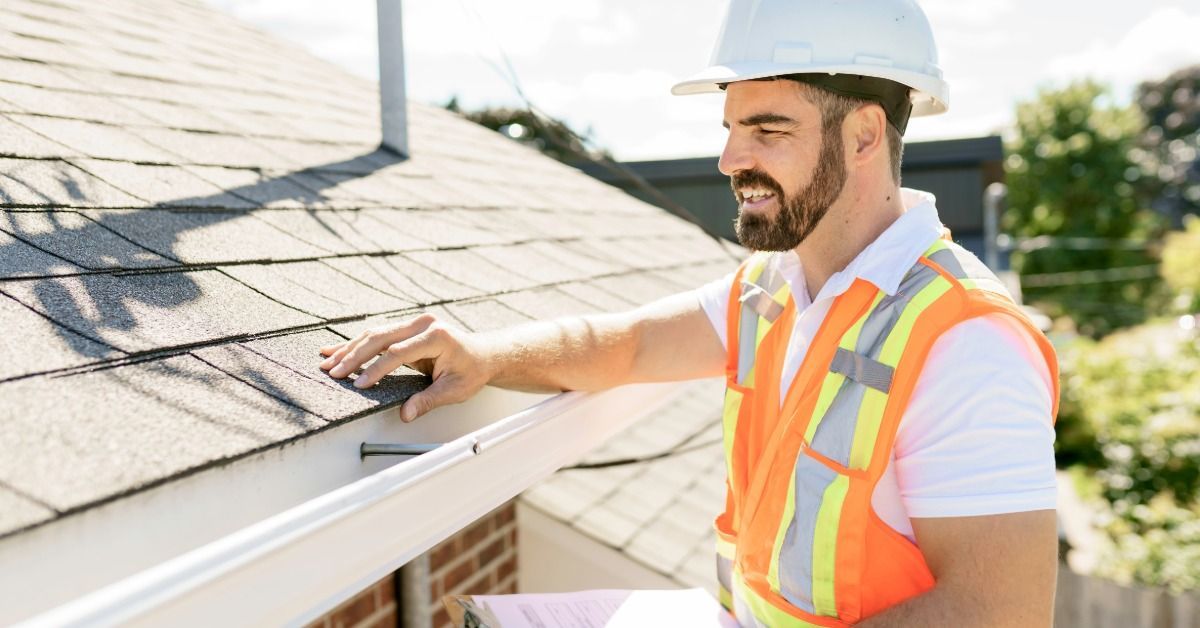
A professional inspection can help determine whether the roof needs repairs, restoration, or replacement. The contractor can explain which improvements are appropriate before decisions about materials and color.
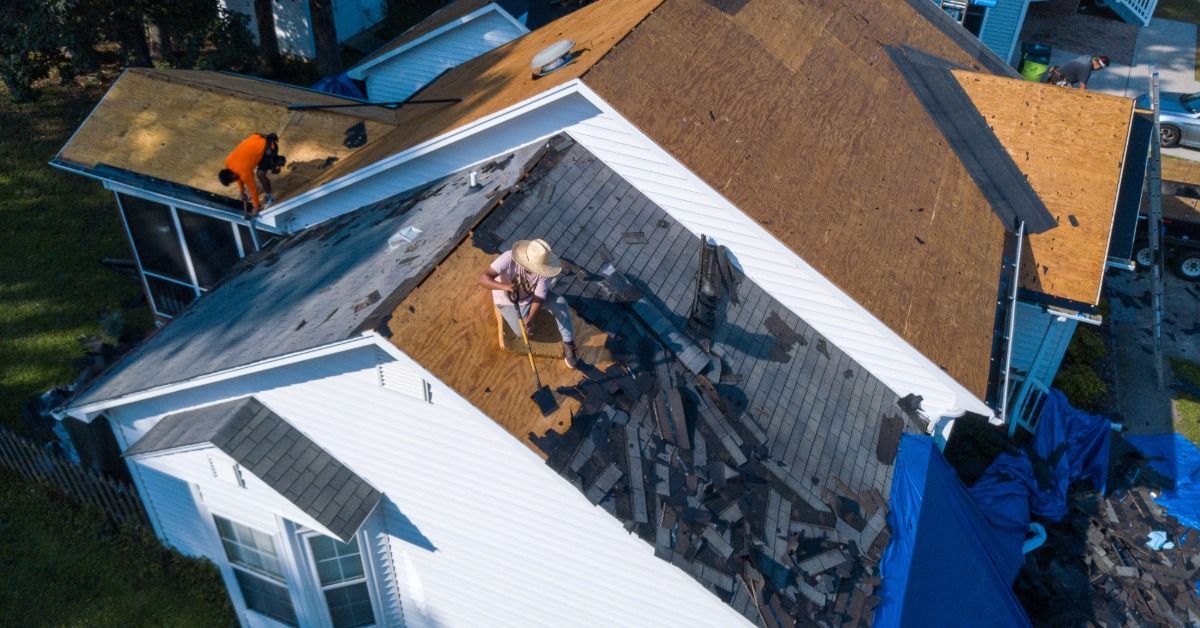
Roof restoration may be an option in some situations, depending on the existing system and its condition. When appropriate, restoration can help extend the roof’s usefulness. The right recommendation should begin with the roof itself.
Choose Roof Color as Part of the Complete System
Learning how roof color impacts your home’s energy efficiency can make the selection process easier, but color should remain one part of a larger roofing decision. The roofing material and attic conditions can have a significant effect on how the home handles seasonal heat. A qualified contractor can evaluate these factors and help you choose a roof that supports comfort while fitting the appearance of your property.
Prusak Roofing provides local roof restoration in Bridgeview for homeowners who want help maintaining their roofing systems. As a family-owned roofing contractor with decades of experience serving the Chicago area, our team can assess your roof and recommend an appropriate path forward based on its condition. Contact Prusak Roofing to request a free estimate and discuss whether roof restoration or another roofing service fits your home.