The BEST TIME of year to replace your roof
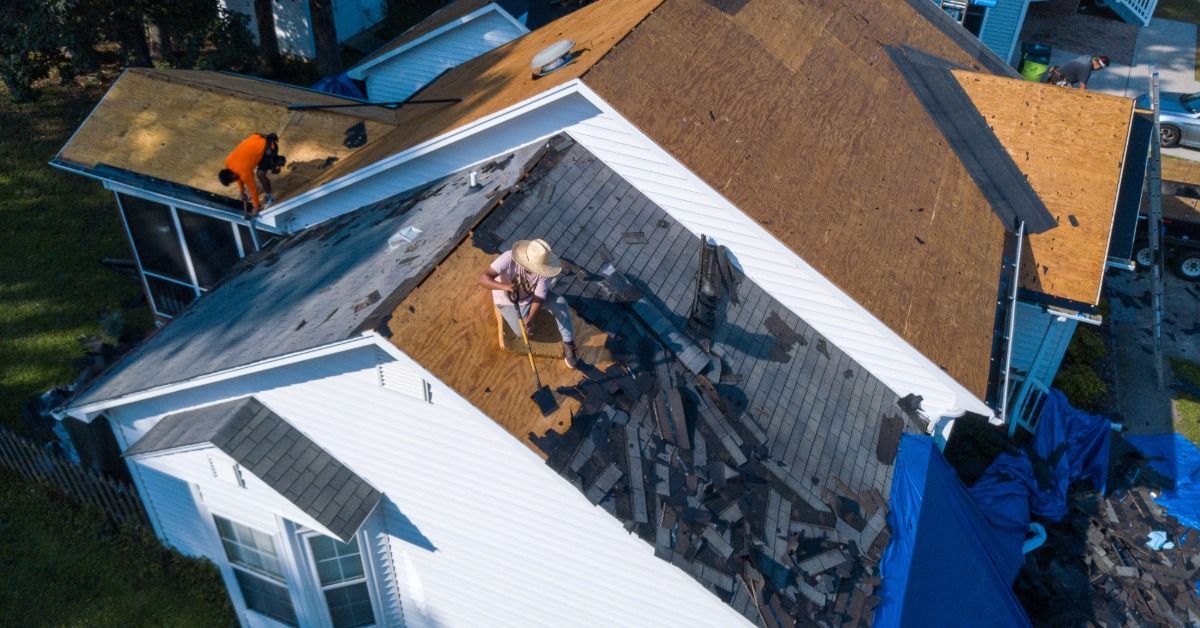
Replacing a roof is a major project, so choosing the right season can make the process feel more manageable. Homeowners often assume there is one perfect month for roofing, but weather, contractor availability, roof condition, and personal timing all influence the decision.
Understanding the best time of year to replace your roof helps you plan ahead while avoiding delays that could allow existing damage to become worse. In the Chicago area, each season creates different conditions for roof replacement, which means the right time often depends on the needs of the property.Summer Offers Longer Days and Predictable Opportunities
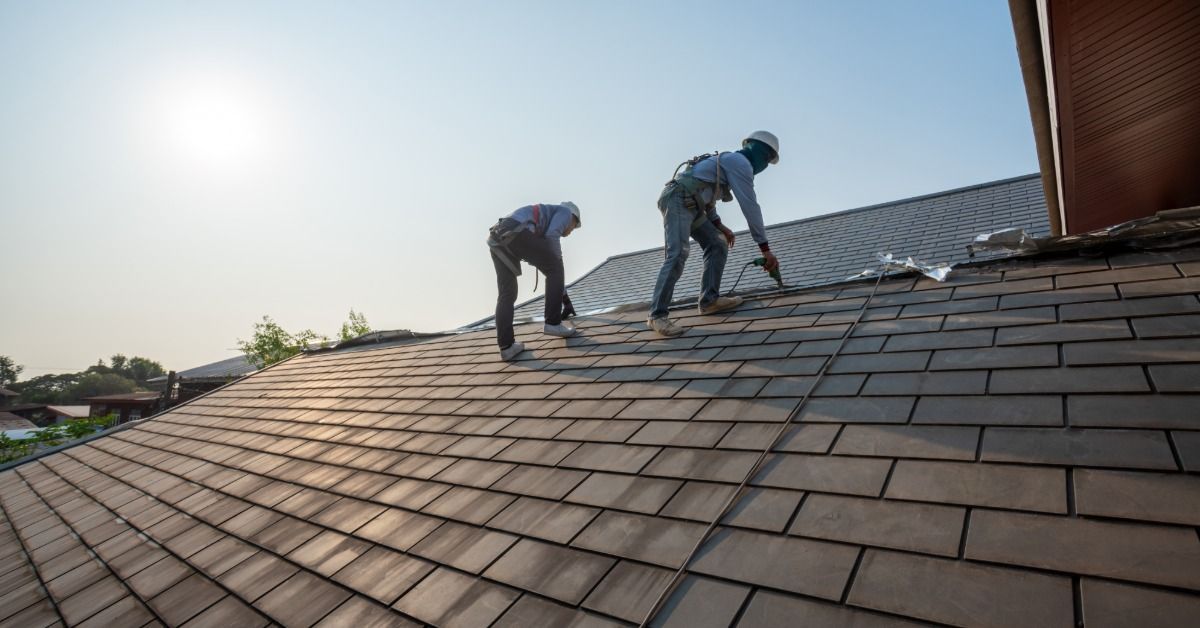
Summer is a popular season for roof replacement because longer daylight hours support efficient work. More consistent weather creates installation windows. For homeowners who have identified an aging or damaged roof, summer may provide a convenient opportunity to complete the project before fall.
However, intense heat can create challenges. Roofing crews must work safely when roof surfaces become extremely hot, and certain materials require careful handling during high temperatures. Experienced contractors plan around daily conditions rather than treating every summer day as equally suitable for installation.
Summer storms can also affect scheduling. A clear forecast is important because contractors need to protect the exposed roof throughout the replacement process. Good planning allows crews to take advantage of favorable conditions while adjusting when severe weather approaches.
Fall Is Often an Excellent Roofing Season
Fall frequently provides comfortable conditions for roof replacement. Moderate temperatures can support roofing work, while the urgency of approaching winter encourages property owners to address problems they may have postponed earlier in the year. Replacing a deteriorated roof before snow arrives can give homeowners greater confidence heading into colder months.
Demand can be high during fall because many property owners share the same goal. Homeowners who want a fall replacement should contact a contractor before the season becomes crowded. Early planning gives the contractor time to inspect the roof and discuss scheduling before colder weather limits available installation days.
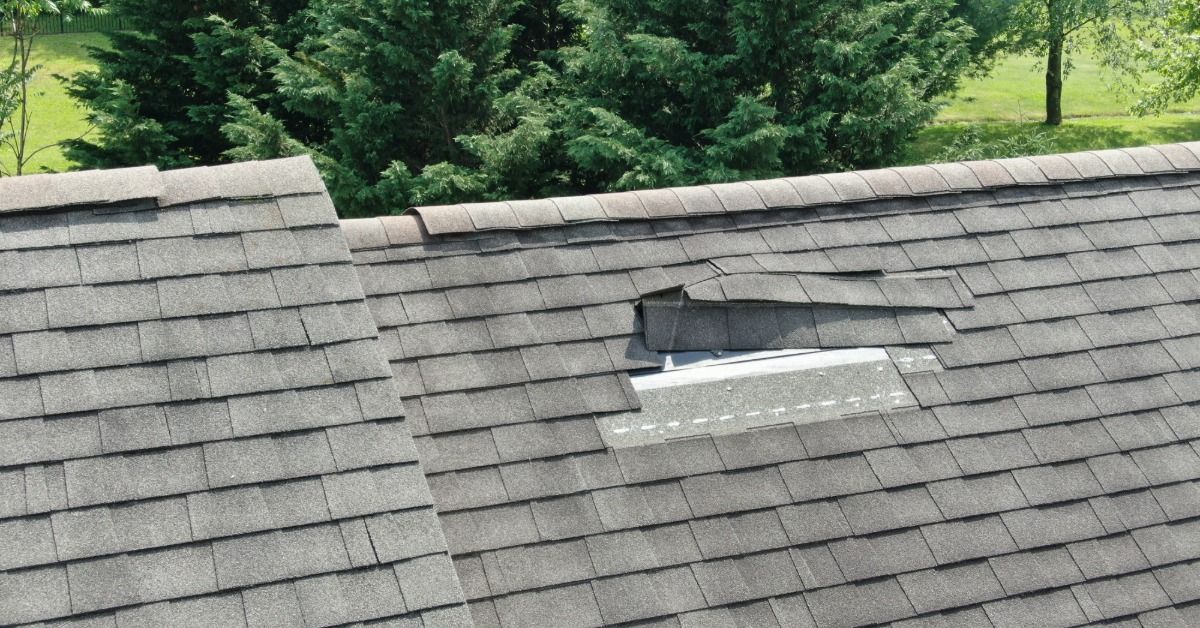
Fall is especially important for roofs that showed signs of trouble during summer storms. Loose shingles, damaged flashing, or recurring leaks become more troublesome when winter weather arrives. Addressing those concerns before freezing conditions can help protect the home during the months ahead.
Winter Replacement May Still Be Necessary
Many homeowners assume roof replacement stops completely during winter, but that is not always the case. Contractors can perform roofing work during colder months when conditions allow and they use appropriate installation methods. The decision depends on temperature, roof materials, safety conditions, and the urgency of the project.
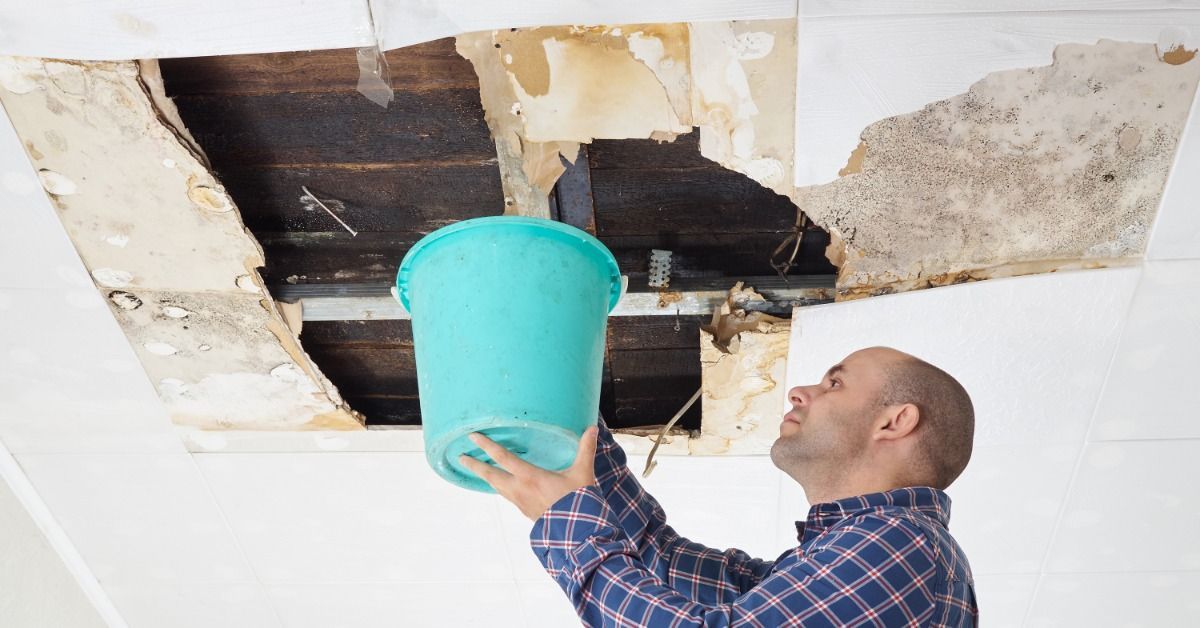
Winter replacement may become necessary when a roof has significant damage or active leaks. Waiting several months could allow moisture to affect decking or interior areas. In these situations, the condition of the roof matters more than waiting for a preferred season.
Cold weather does require additional planning. Snow, ice, shorter daylight hours, and low temperatures can reduce suitable work periods. An experienced contractor determines whether conditions support replacement and explain any scheduling considerations before work begins.
Roof Condition Should Guide the Schedule
Seasonal preferences are useful, but the roof itself should have the strongest influence on timing. A roof near the end of its service life may show curling shingles, missing materials, recurring leaks, or widespread wear. These warning signs can indicate that delaying replacement creates more risk than choosing a less popular season.
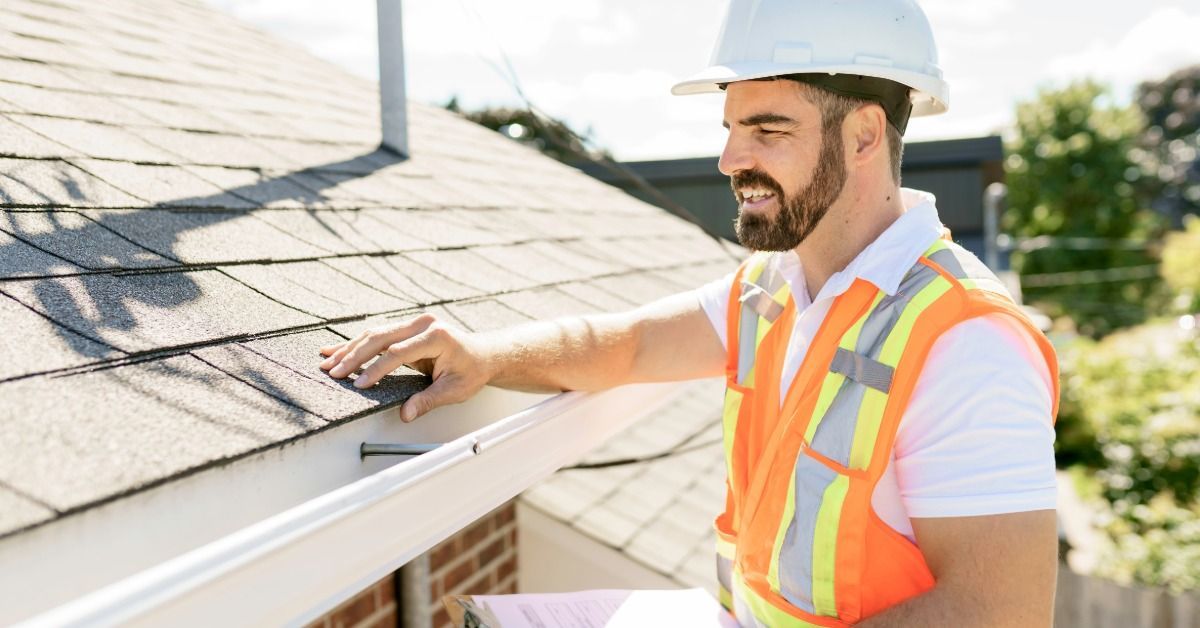
A professional inspection helps clarify the situation. The contractor can examine visible roofing materials and evaluate areas where water may enter. That assessment helps property owners understand whether repairs remain reasonable or whether replacement offers a better long-term approach.
Homeowners should also consider upcoming plans for the property. If they schedule exterior improvements, they can coordinate roofing work with those projects to simplify planning. The goal is to choose a replacement window that protects the home without postponing necessary work simply to reach a particular month.
Planning Ahead Makes Roof Replacement Easier
Property owners make the overall process smoother by contacting a roofing contractor before the roof reaches an emergency condition. Early conversations allow time for an inspection, material decisions, and scheduling. They also give homeowners a chance to understand the scope of work before installation begins.
Weather will always influence exterior construction, especially in a climate with changing seasons. Building flexibility into the schedule can reduce frustration when rain or unsafe conditions require adjustments. A reputable contractor should communicate clearly about timing and explain how weather may affect the planned start date.
Choose the Right Time for Your Property
Ultimately, the best time of year to replace your roof is when conditions support quality installation and the existing roof can no longer provide dependable protection. Spring, summer, and fall can all offer strong opportunities, while winter replacement may be appropriate when damage requires timely action.
Prusak Roofing performs residential and commercial roofing in Chicago and the surrounding area, helping property owners plan replacements around roof condition and seasonal conditions. If you are considering a new roof, scheduling an inspection can help you determine the right time to move forward.