EPDM vs. TPO vs. PVC: Which Flat Roof Is Best?
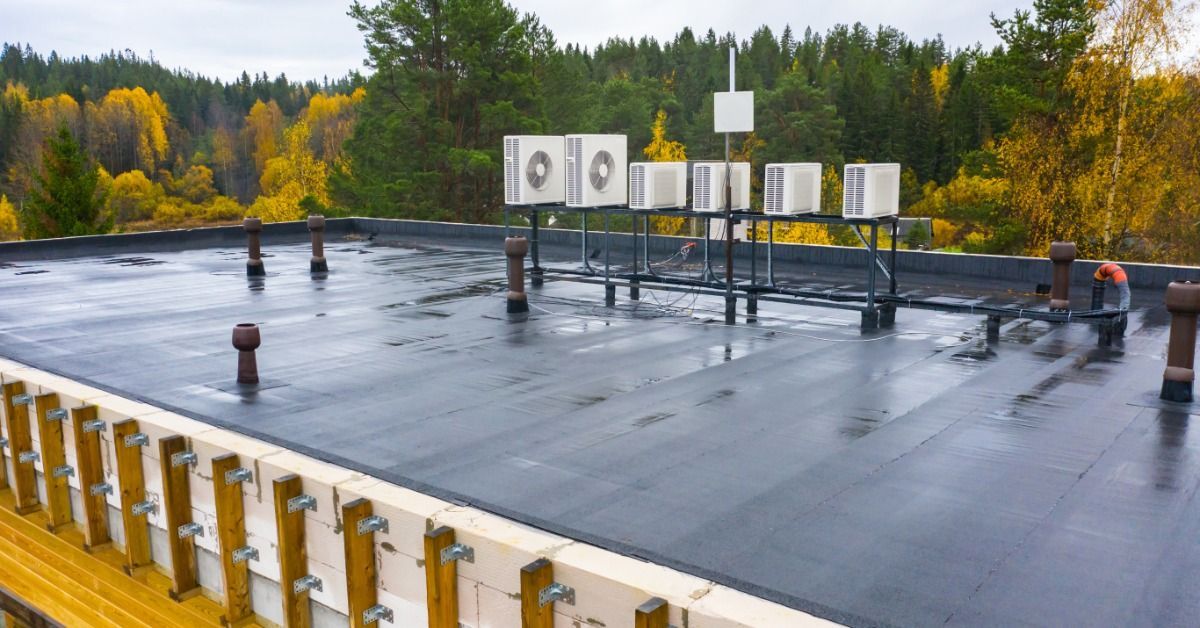
Flat roofing systems have become a popular choice for commercial buildings because they offer practical performance and long-term value. Property owners often compare materials before investing in a replacement, but choosing the right option depends on more than cost alone. Understanding each system's strengths helps you match your roof to your building's needs and local weather conditions. Let’s compare EPDM vs. TPO vs. PVC to help you determine which flat roof is best for your needs.
Understanding EPDM Roofing
EPDM roofing has served commercial buildings for decades and remains one of the most trusted flat roofing materials available. Contractors manufacture this synthetic rubber membrane to withstand changing weather while providing dependable waterproof protection. It performs especially well in regions that experience freezing winters followed by warm summers because the material expands and contracts without losing flexibility.
Many property owners appreciate EPDM because repairs are often straightforward when minor damage occurs. Professional roofers can patch small punctures or reseal seams before moisture reaches the roof deck. With routine inspections and timely maintenance, an EPDM roof can provide dependable protection for many years.
Another advantage is its resistance to ultraviolet rays. Constant sun exposure causes many roofing materials to age, yet EPDM maintains its flexibility while limiting surface deterioration. This characteristic makes it an attractive choice for buildings that receive direct sunlight throughout the day.
Although EPDM offers many benefits, it has limitations. The dark membrane absorbs heat, which may increase indoor cooling demands during warmer months. Some newer products offer lighter colors, but traditional black EPDM remains the most common installation.
How TPO Roofing Compares
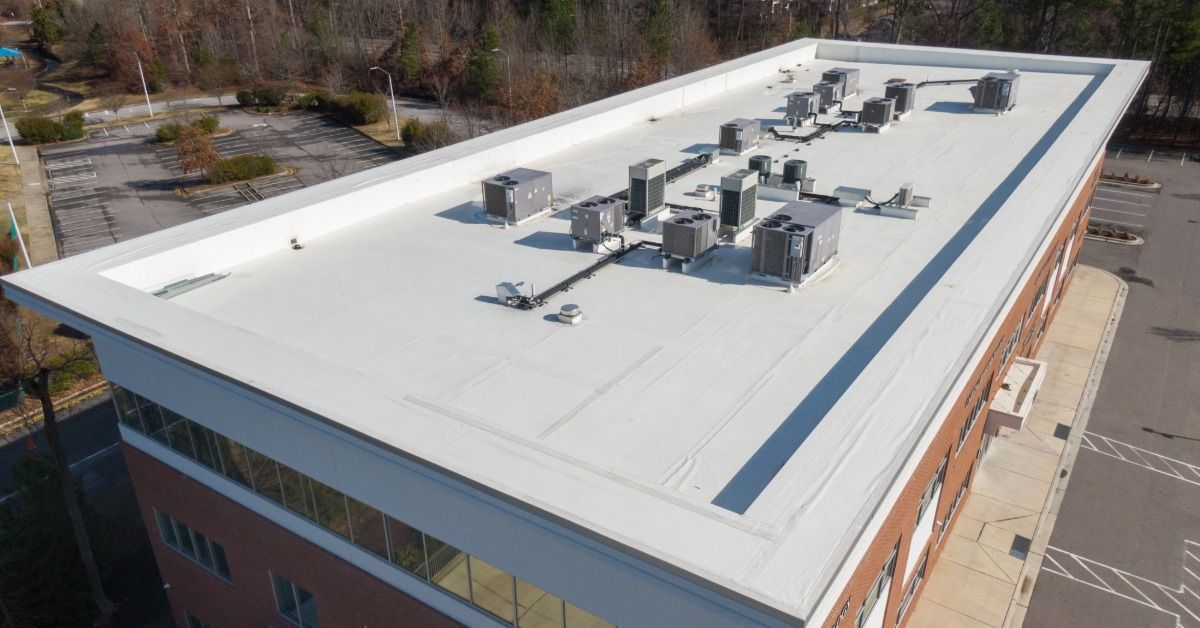
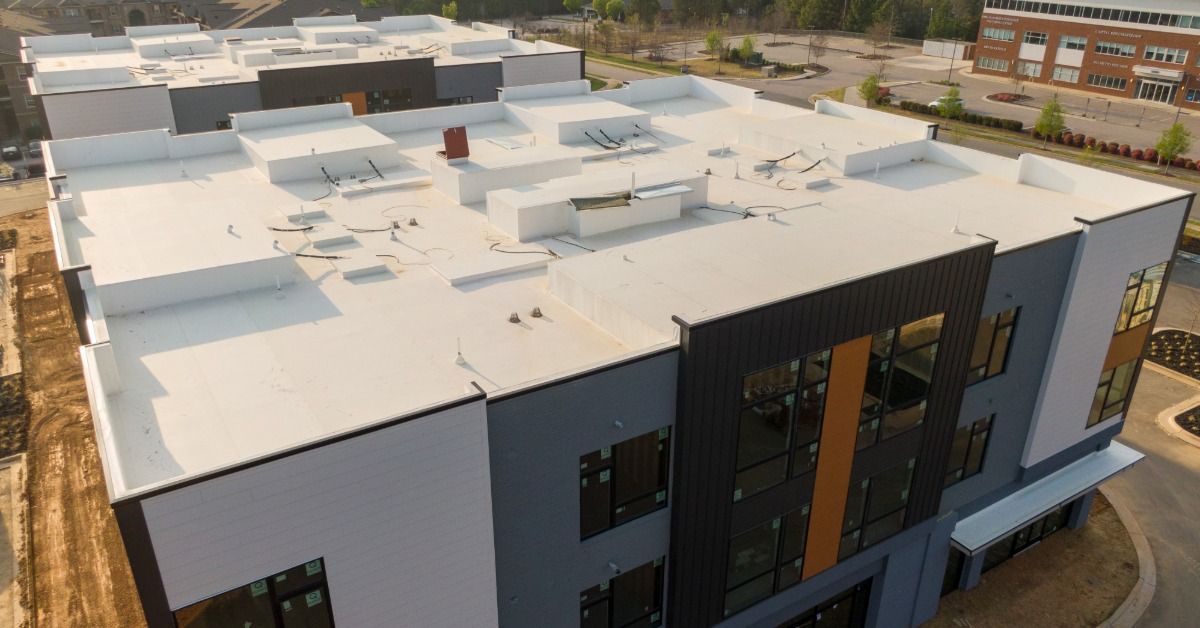
TPO roofing has gained popularity because it balances durability with energy efficiency. Unlike darker roofing membranes, most TPO systems feature bright white surfaces that reflect sunlight instead of absorbing it. Buildings often stay cooler during summer because less heat transfers into the structure.
The seams on TPO roofs receive heat-welded connections that create strong bonds against water intrusion. Proper installation produces a continuous waterproof barrier that performs well during heavy rain or melting snow. Building owners often choose TPO when they want dependable leak protection without selecting a more expensive roofing system.
TPO also resists dirt accumulation better than many older roofing materials. Its nonporous surface resists dirt buildup, helping the roof retain its professional appearance with less routine maintenance.
Installation quality plays an important role in long-term performance. Because manufacturers produce slightly different formulations, choosing an experienced roofing contractor helps ensure the membrane performs as intended. Proper seam welding and careful flashing installation contribute directly to the roof's lifespan.
Why Some Owners Choose PVC Roofing
PVC roofing stands out because it delivers exceptional durability in demanding environments. The membrane resists chemicals, grease, and moisture better than many competing materials. Restaurants, manufacturing facilities, and buildings with rooftop exhaust systems often benefit from this added protection.
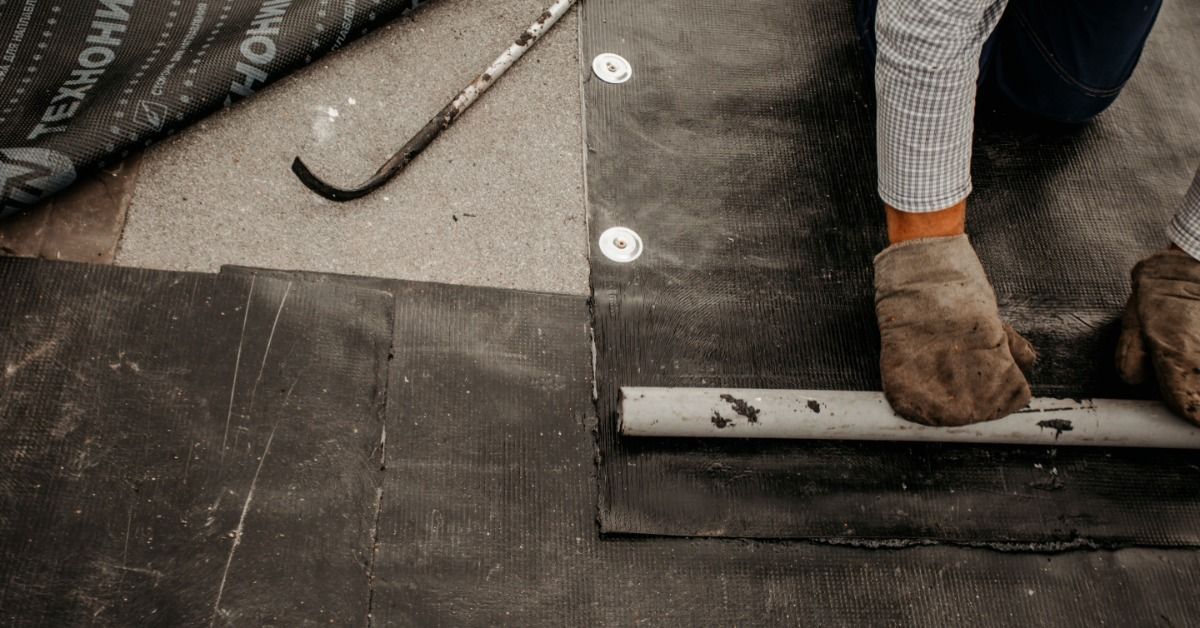
Like TPO, PVC roofing uses heat-welded seams that create a watertight surface across the roof. These welded joints remain one of the system's strongest features because they help prevent leaks around seams where water commonly enters older roofing systems.
PVC also reflects sunlight effectively, helping reduce heat absorption during warmer weather. Many building owners appreciate the potential for lower cooling demands while enjoying a clean appearance that lasts for years. Its smooth finish naturally sheds dirt more easily than rough roofing surfaces.
The primary consideration with PVC is its higher upfront investment. Although installation costs often exceed those of EPDM or TPO, many owners view the additional expense as worthwhile because of the membrane's durability and specialized performance. Choosing the right material ultimately depends on the building's purpose, expected exposure, and long-term maintenance goals.
Comparing Cost and Long-Term Value
Budget often influences roofing decisions, but the lowest installation price does not always provide the greatest value. Property owners should consider maintenance requirements, expected service life, repair costs, and energy performance before selecting a flat roofing system. Looking beyond the initial estimate often leads to a better investment over the roof's lifetime.
EPDM generally offers the most affordable installation, making it attractive for projects with tighter budgets. TPO typically falls in the middle while providing energy-saving advantages that may offset part of the initial expense. PVC usually costs more at installation, yet many owners choose it because of its durability and ability to withstand harsh operating conditions. Every property presents different demands, so evaluating long-term performance often proves more valuable than focusing on price alone.
Choosing the Right Roof for Your Property
The best roofing material depends on how your building functions, the climate it faces, and your long-term goals. Buildings exposed to grease, chemicals, or heavy rooftop equipment often benefit from PVC's added resistance. Owners who prioritize energy efficiency frequently select TPO because its reflective surface helps reduce heat gain. EPDM remains an excellent option for many properties that need dependable protection with a lower upfront investment.
Working with an experienced roofing contractor makes the selection process much easier. A professional inspection identifies drainage concerns, structural conditions, and ventilation needs before recommending the most appropriate system. Every roof has unique challenges, so personalized guidance helps ensure the finished installation delivers lasting performance.
Trust Experienced Roofing Professionals
Choosing between EPDM vs. TPO vs. PVC roofing becomes easier when you understand how each system performs under real-world conditions. Whether you are replacing an aging commercial roof or planning a new installation, comparing durability, maintenance needs, and long-term value helps you make an informed decision. An experienced roofing contractor can evaluate your property and recommend which flat roof is best for your needs.
With over 60 years of experience, Prusak Roofing is a trusted commercial and residential roofer that specializes in EPDM roofing. We also repair and replace shingle roofing in Chicago, providing dependable workmanship, honest recommendations, and quality materials that protect homes for years to come. Whether your roof needs a targeted repair or a complete replacement, our experienced team focuses on lasting results and clear communication from start to finish. Scheduling a professional evaluation can help you protect your investment and avoid more costly roofing problems in the future.