How To Spot Hidden Roof Leaks Before They Get Worse
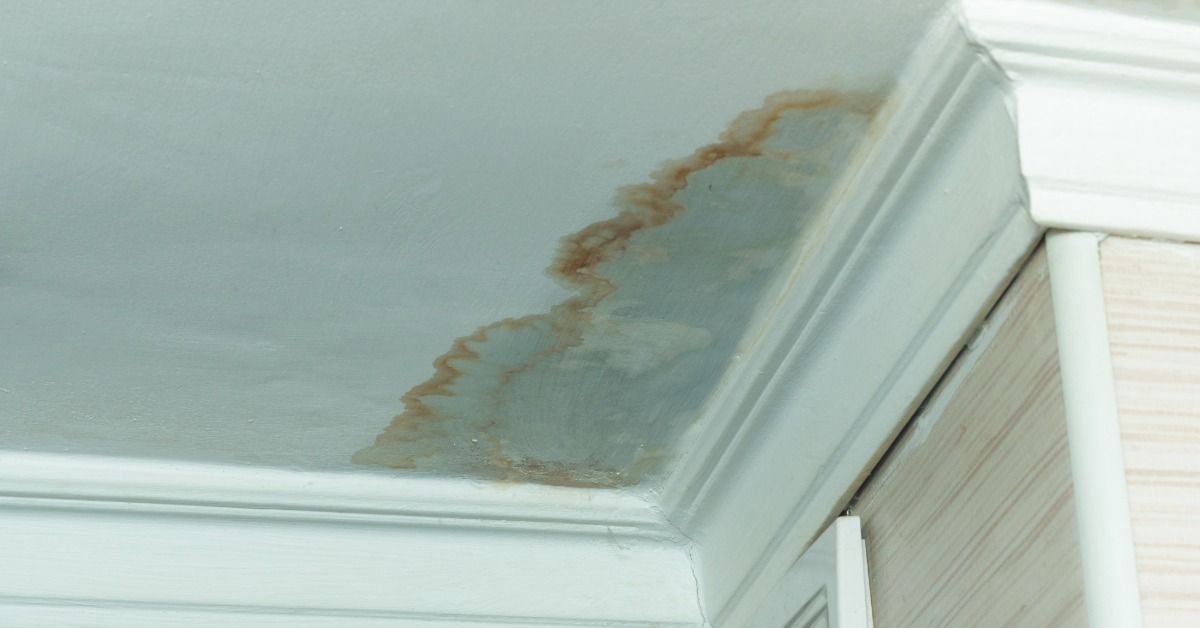
Most homeowners expect a roof leak to announce itself with water dripping from the ceiling, but that rarely happens first. In many cases, moisture enters through a small opening and slowly spreads through the roof system before any obvious warning signs appear indoors.
Learning how to spot hidden roof leaks before they get worse can help you avoid expensive repairs, protect your home's structure, and extend the life of your roof. Knowing what to look for allows you to act early instead of waiting until water damage becomes impossible to ignore.
Why Hidden Roof Leaks Are So Common
Roofs constantly face changing weather, temperature swings, and normal aging. Even a well-installed roofing system can develop weak points over time as shingles wear down, flashing shifts, or sealants deteriorate. Small openings often allow moisture inside without creating immediate interior damage.
Water rarely travels straight down after entering the roof. Instead, it can move along decking, rafters, or insulation before reaching a visible location. Because moisture follows the path of least resistance, the stain you eventually notice inside may be several feet away from the actual leak. This makes early detection more challenging and reinforces the importance of routine roof inspections.
Hidden leaks also tend to develop gradually. A minor issue following a storm may remain unnoticed for months while repeated rainfall allows additional moisture to enter the home. During that time, wood components absorb water, insulation loses effectiveness, and mold may begin to grow in damp areas.
Watch for Changes Inside Your Home
Many hidden roof leaks first reveal themselves through subtle changes inside the house rather than obvious water damage. Homeowners who pay attention to these warning signs often catch roofing problems before significant structural damage occurs.
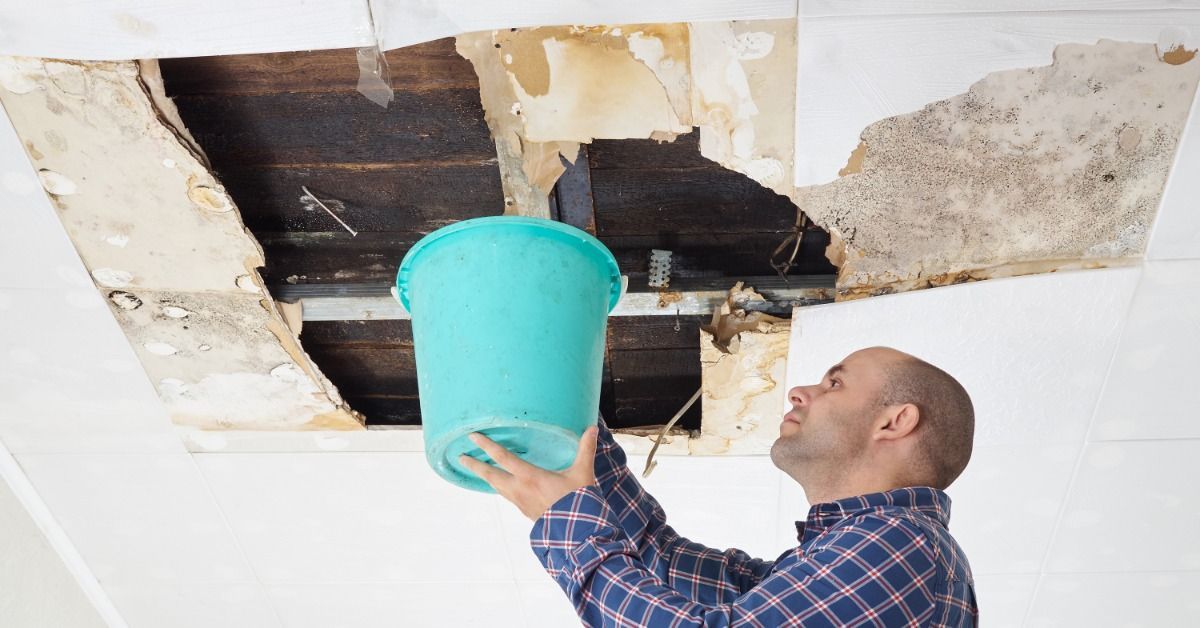
Ceilings may develop faint yellow or brown discoloration that slowly grows after periods of heavy rain. Paint can begin peeling around the affected area because moisture weakens the bond between the surface and the finish. Drywall may also start to soften, creating slight bulges that become more noticeable over time.
You may also notice unusual odors in upper levels of your home. Damp insulation, wet wood, and trapped moisture often create a persistent musty smell, especially in attics or rooms directly beneath the roof. Even when surfaces appear dry, these odors can signal moisture hidden behind walls or above ceilings.
Another overlooked clue involves rising energy costs. Wet insulation cannot regulate indoor temperatures as effectively as dry insulation. If your heating or cooling system seems to run longer than usual without another explanation, moisture inside the attic could be reducing your home's energy efficiency.
Inspect Your Attic Regularly
The attic provides one of the best opportunities to identify hidden roof leaks before they spread. Homeowners do not need advanced roofing knowledge to recognize many early warning signs if they perform occasional visual inspections.
Start by looking for dark stains on the underside of the roof decking. These marks often indicate moisture has entered through the roofing material above. Fresh water stains may appear darker than the surrounding wood, while older leaks sometimes leave lighter discoloration or mineral deposits after repeated drying.
Pay close attention to insulation. Wet insulation may appear compressed or darker than surrounding material. It also loses much of its insulating value, allowing conditioned air to escape more easily. If sections of insulation remain damp long after rainfall, further investigation is necessary.
Sunlight entering through the roof can also indicate trouble. Small openings around damaged shingles, flashing, or roof penetrations sometimes allow daylight to shine into the attic. While not every visible gap leaks immediately, these openings should receive prompt professional evaluation before weather conditions worsen.
Examine the Roof From the Ground
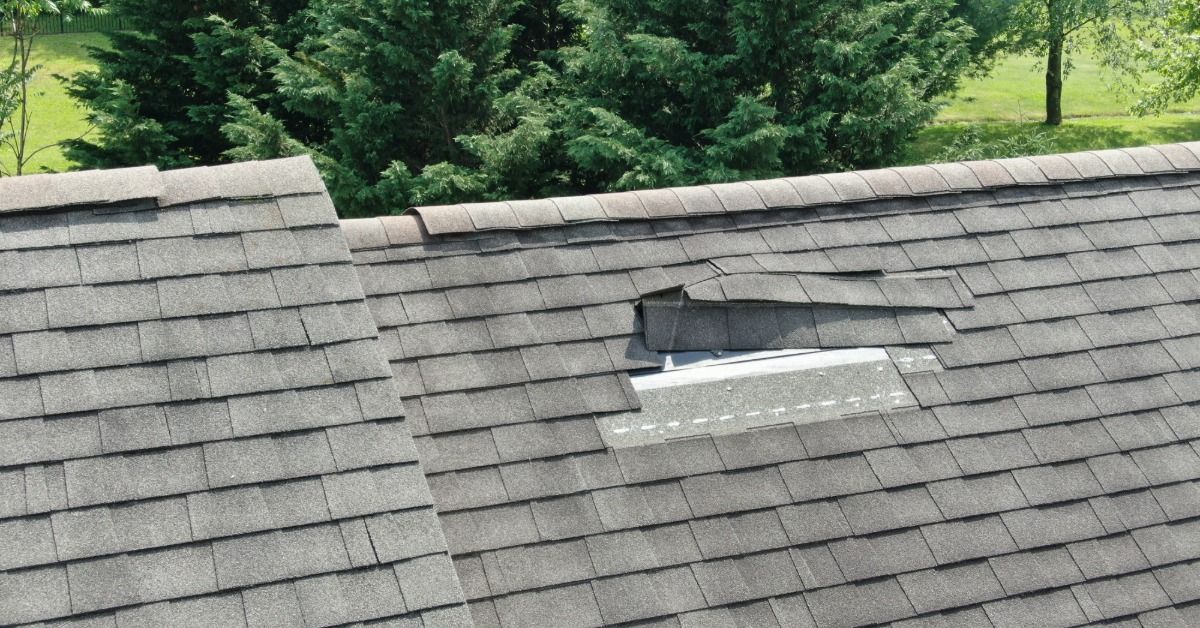
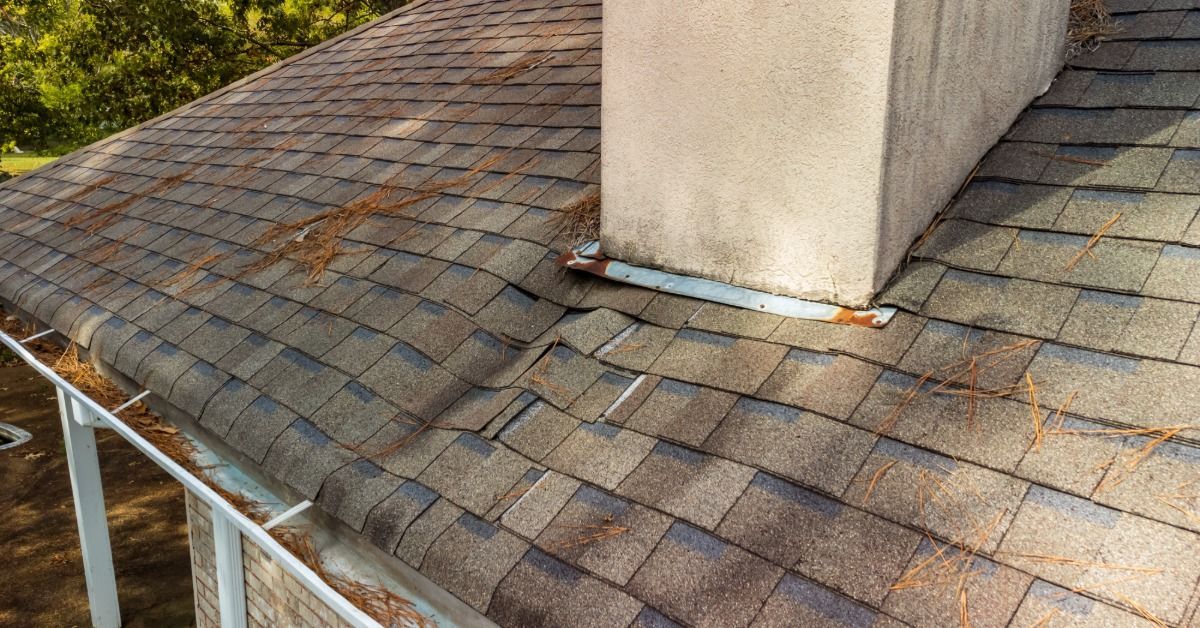
You can identify many roofing concerns without climbing onto the roof. Walk around your home after storms and look for visible changes. Missing shingles, lifted edges, cracked flashing, or debris collecting in roof valleys can all increase the chance of hidden leaks.
Pay attention to areas where different roofing materials meet. Flashing around chimneys, skylights, plumbing vents, and wall intersections experiences frequent expansion and contraction as temperatures change. Over time, those movements may create small gaps that allow water inside. Damaged flashing often causes leaks long before surrounding shingles wear out.
Gutters also deserve attention because they help move water away from the roof. When leaves or debris block proper drainage, water can back up beneath shingles and reach the roof decking. Overflowing gutters may also direct water against fascia boards, creating additional opportunities for moisture intrusion. Cleaning gutters regularly supports the entire roofing system and reduces unnecessary stress during heavy rainfall.
Don't Ignore Small Warning Signs
Many homeowners postpone repairs because a stain appears minor or the leak seems to stop after dry weather returns. Unfortunately, hidden roof leaks rarely resolve without professional repairs. Water continues entering whenever conditions allow, gradually affecting larger sections of the roof.
Moisture trapped inside the roofing system weakens wooden decking over time. As materials remain damp, they become more vulnerable to rot and lose structural strength. Fasteners may loosen, allowing surrounding roofing materials to shift and create even larger openings.
Hidden leaks can also create unhealthy indoor conditions. Damp environments encourage mold growth behind walls, inside insulation, and beneath flooring materials. Removing widespread mold often requires extensive restoration beyond the original roofing repair. Addressing leaks early helps prevent these secondary problems while protecting your investment.

Schedule Professional Roof Inspections
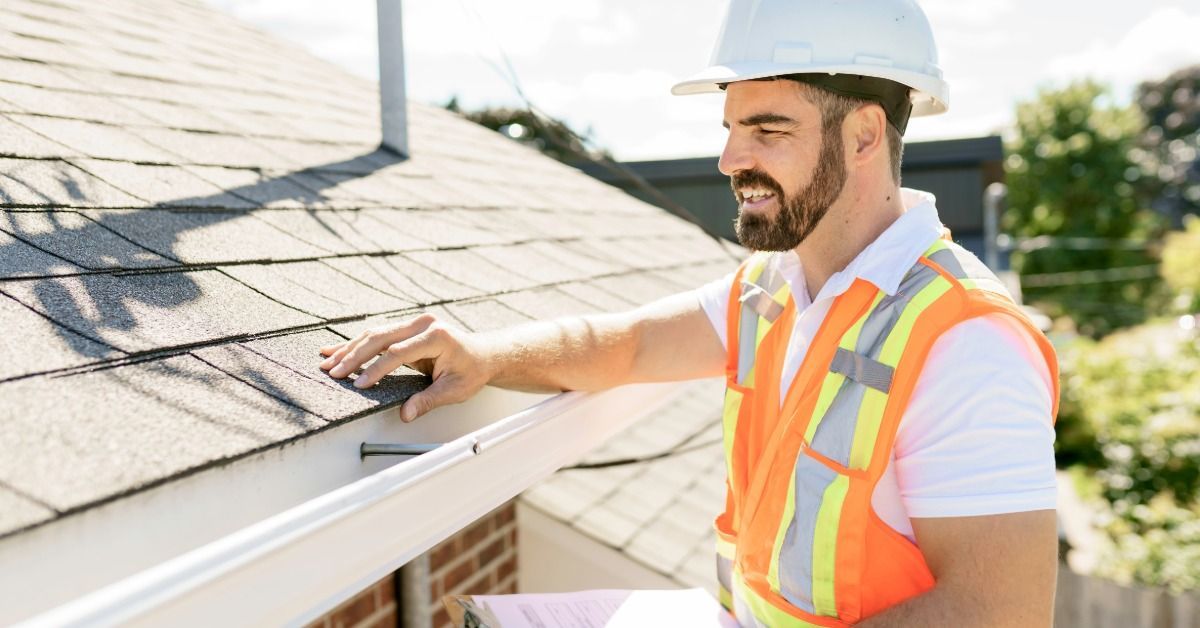
Although homeowners can identify many warning signs, professional inspections remain one of the most effective ways to locate hidden leaks. Experienced roofing contractors understand where leaks commonly develop and know how water travels through different roofing systems.
A thorough inspection evaluates shingles, flashing, roof penetrations, ventilation components, and drainage systems for signs of wear. Contractors also examine the attic for moisture, staining, and ventilation issues that may contribute to future problems. Catching these concerns early often allows for smaller repairs instead of major restoration work.
Regular inspections become especially valuable after severe storms. High winds, hail, and heavy rain can damage roofing materials without leaving obvious signs from the ground. Scheduling an inspection after significant weather helps identify hidden damage before small issues become costly repairs.
Protect Your Home With Early Action
Understanding how to spot hidden roof leaks before they get worse gives homeowners an important advantage when protecting their property. Paying attention to subtle warning signs, inspecting your attic, and scheduling professional evaluations can stop small roofing problems from becoming major expenses. Acting quickly preserves your roof, safeguards your home's interior, and provides greater peace of mind throughout every season.
If your roof shows signs of moisture damage or has reached the end of its service life, Prusak Roofing provides trusted roofing solutions backed by decades of experience. In addition to expert repairs and replacements, we also offer professional flat roof installation in Chicago, helping homeowners and commercial property owners choose durable systems built for lasting performance. Request a free quote today!