Insurance Claims for Roof Damage: A Homeowner’s Guide
Roof damage can happen without warning after severe weather, falling debris, or years of exposure to changing conditions. Filing an insurance claim may feel overwhelming, especially if you have never gone through the process before. A homeowner's guide to insurance claims for roof damage begins with understanding how claims work, what your policy may cover, and how to document damage correctly. When you know what to expect, you can make informed decisions that protect your home while avoiding delays or unnecessary expenses.
Understand What Your Insurance Policy Covers
Before you contact your insurance company, review your homeowner's insurance policy carefully. Every policy contains different coverage limits, exclusions, and deductibles. Knowing these details helps you understand what expenses the insurance company may cover and what costs you may need to pay yourself.
Homeowners insurance often pays for roof damage that results from unexpected events like hailstorms, strong winds, or fallen tree limbs. Insurance companies generally do not cover damage that results from poor maintenance or normal aging. If your roof has reached the end of its expected lifespan, your claim may receive additional scrutiny during the inspection process.
Reading your policy before filing a claim also helps you gather the information your insurance company will request. Understanding your responsibilities can prevent confusion while keeping the process moving forward.
Inspect Your Roof Safely
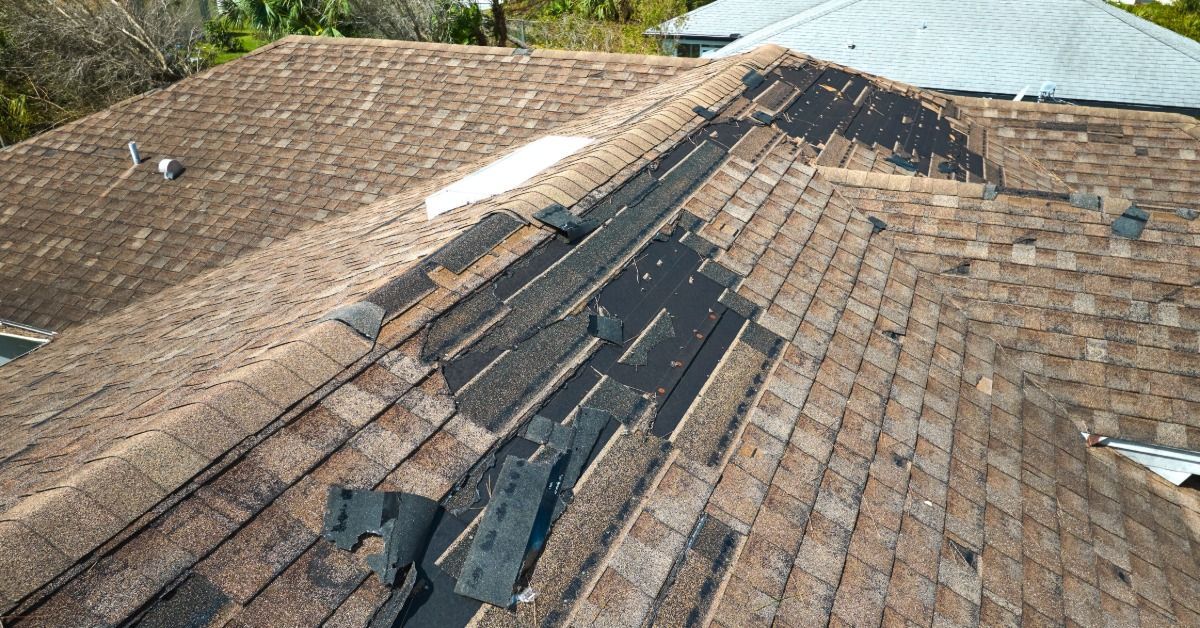
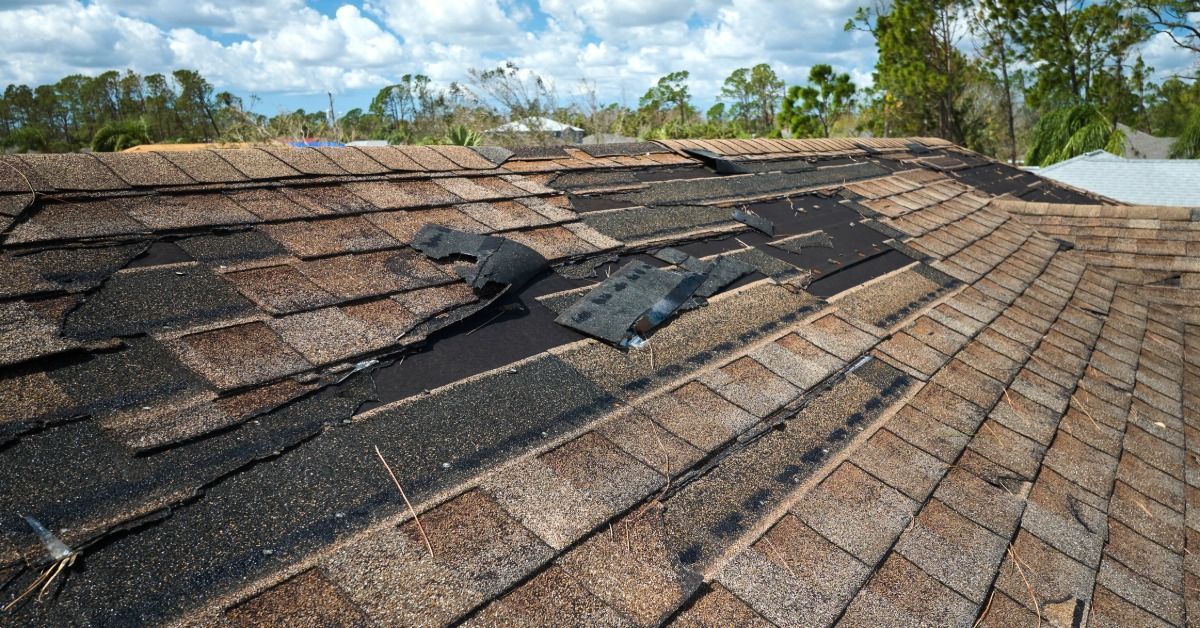
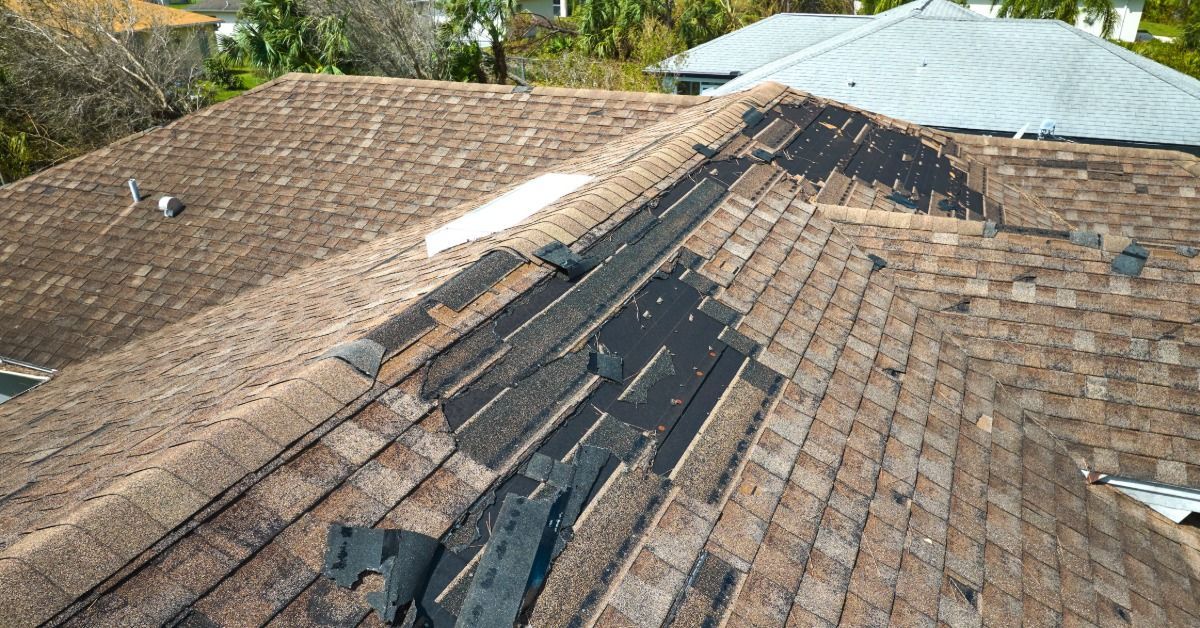
After a storm passes, inspect your property from the ground before climbing onto the roof. Safety should remain your priority. Look for missing shingles, damaged flashing, fallen branches, or pieces of roofing material scattered around your yard.
Inside your home, check ceilings and attic spaces for water stains, damp insulation, or active leaks. These signs may indicate hidden roof damage that requires immediate attention. Take clear photographs of everything you observe, even if the damage appears minor.
Avoid making permanent repairs before your insurance adjuster visits unless emergency work is necessary to prevent additional damage. Temporary protection, such as covering exposed areas with a tarp, often helps limit further problems while preserving evidence for your claim.
Document Everything Thoroughly
Good documentation strengthens your insurance claim from the beginning. Photograph every damaged area from several angles. Include wide shots that show the overall condition of the roof along with close-up images of specific damage.
Write down the date the damage occurred and describe the weather conditions if a storm caused the problem. Keep records of any emergency repairs, temporary materials, or expenses you incur while protecting your home. Save receipts because your insurance company may request them during the review process.
If neighbors experienced similar storm damage, that information may also support your claim. Widespread weather events often affect multiple homes within the same neighborhood, providing additional context for insurance adjusters.
Contact Your Insurance Company Promptly
Once you have documented the damage, notify your insurance company as soon as possible. Most policies require homeowners to report damage within a reasonable time after the event. Waiting too long could complicate the claims process or even affect coverage.
When speaking with your insurance representative, provide clear information about what happened without making assumptions about the total extent of the damage. Explain what you observed and answer questions honestly. Your insurer will assign a claim number and explain the next steps.
Keep detailed notes during every conversation. Record the representative's name, the date of each call, and any instructions you receive. Organized records make future conversations much easier if questions arise later.
Schedule a Professional Roof Inspection
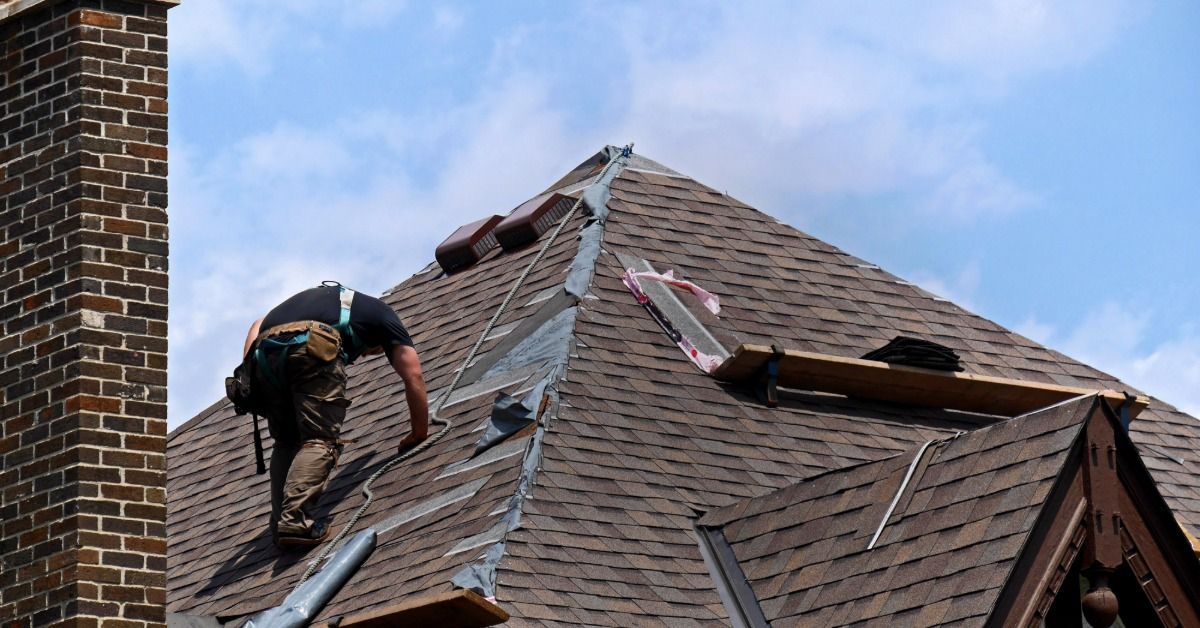
Although insurance companies send adjusters to inspect damage, homeowners also benefit from having an experienced roofing contractor evaluate the roof independently. A qualified contractor understands how storm damage affects roofing systems and can identify issues that may not be obvious during a brief inspection.
A professional inspection provides valuable documentation that supports your claim. Contractors often identify damaged flashing, lifted shingles, hidden leaks, or structural concerns that deserve careful attention. Thorough inspections help ensure that necessary repairs receive proper consideration during the claims process.
Choose a roofing company with experience handling insurance-related repairs. Contractors familiar with insurance claims understand the documentation insurers commonly request and can communicate clearly throughout the process.
Meet With the Insurance Adjuster
The insurance adjuster evaluates the roof to determine whether the damage falls within your policy's coverage. During the inspection, the adjuster examines visible damage, reviews photographs, and considers the circumstances surrounding the claim.
If possible, arrange for your roofing contractor to attend the inspection. Having both professionals present allows them to discuss observed damage directly. This collaboration often reduces misunderstandings while helping ensure that all qualifying damage receives careful evaluation.
Remain available to answer questions during the visit, but allow the professionals to complete their inspections without interruption. Their observations help determine the scope of covered repairs.
Review the Insurance Company's Estimate
After the inspection, your insurance company will provide an estimate outlining covered repairs and the amount it plans to pay. Review this document carefully instead of accepting it immediately. Compare the estimate with the findings from your roofing contractor to make sure both documents reflect the same damage.
If you notice missing items or differences in repair costs, ask questions before work begins. Sometimes additional damage becomes visible after removing roofing materials. Your contractor can document these findings so the insurance company can determine whether supplemental coverage applies.
Clear communication between you, your contractor, and your insurer helps resolve questions efficiently. Staying involved throughout the process reduces misunderstandings and keeps the project moving toward completion.
Know What Happens After Approval
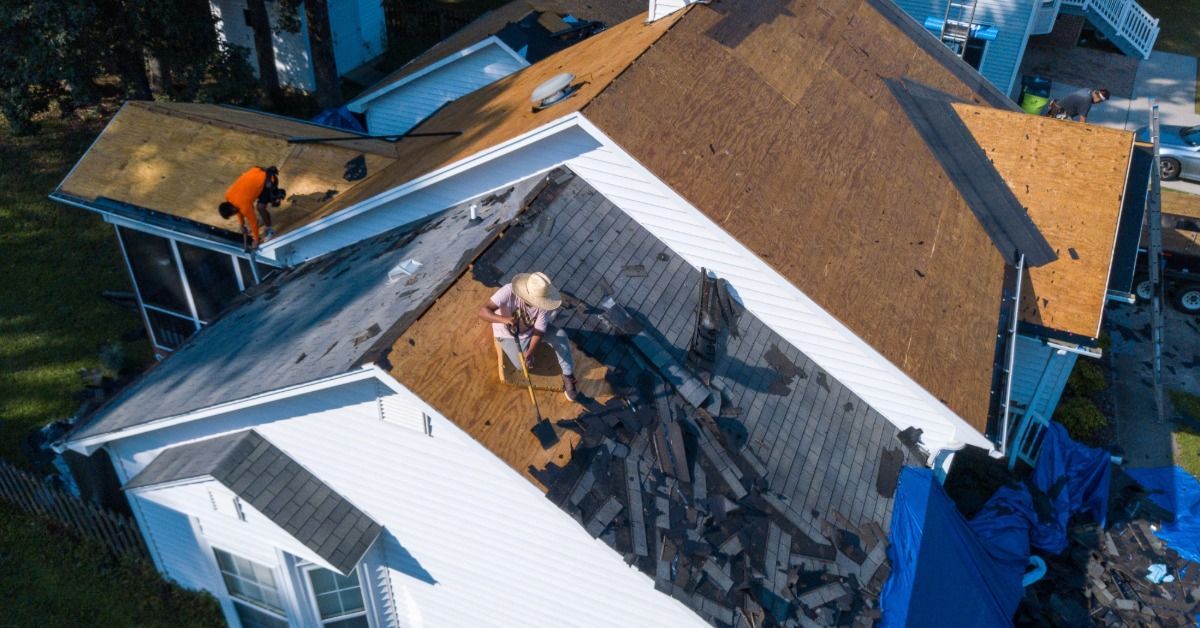
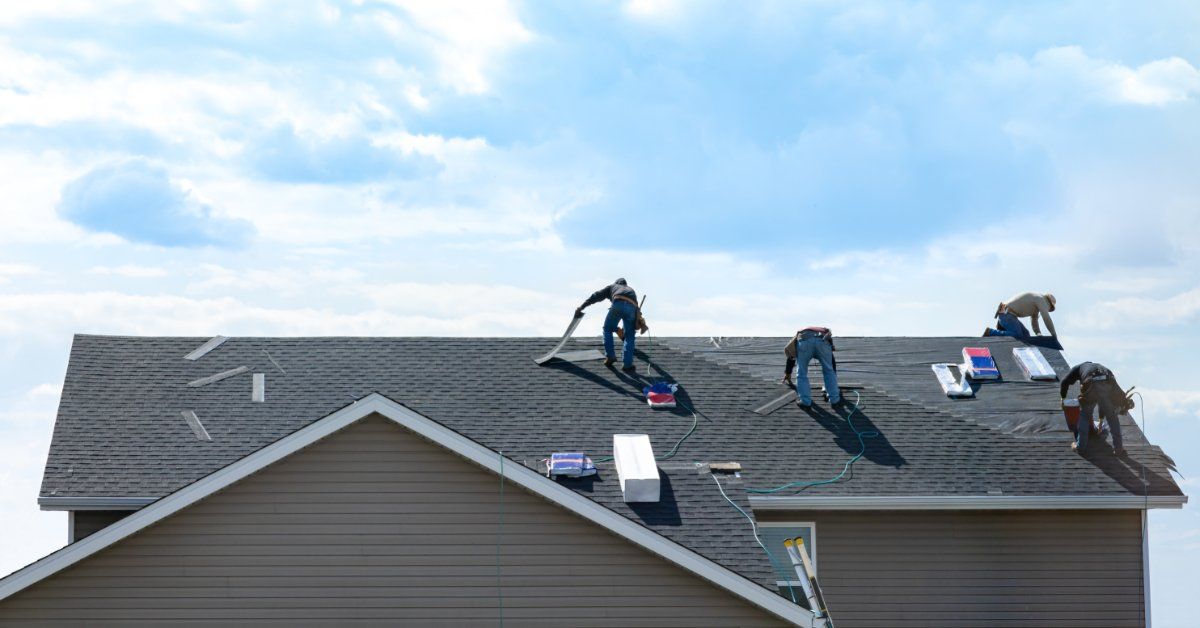
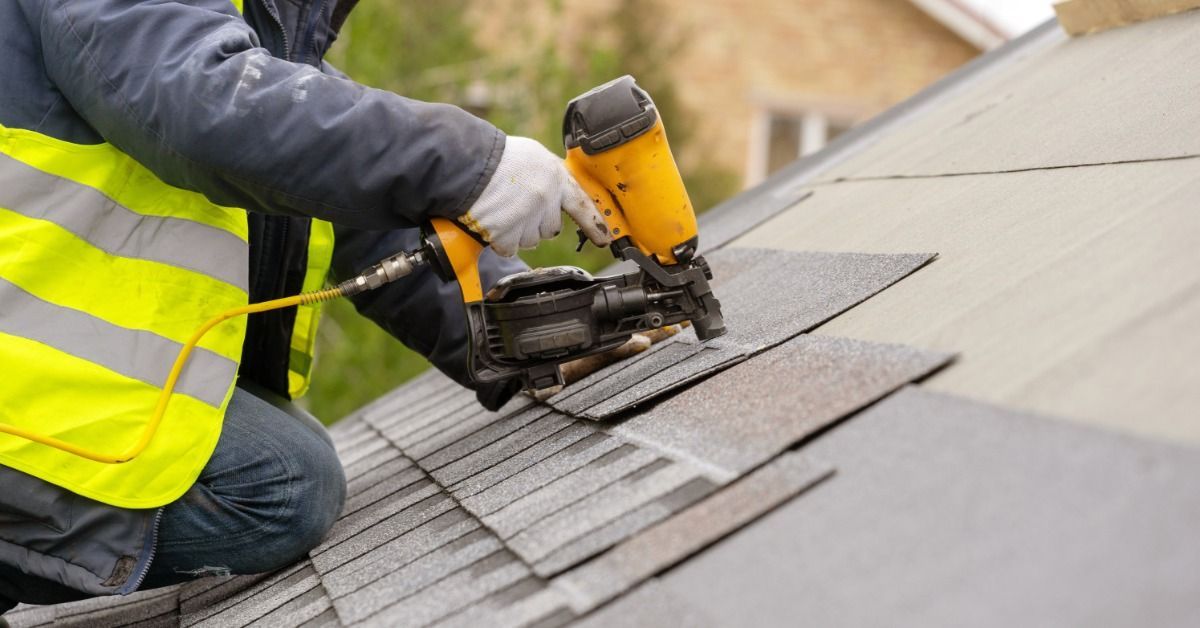
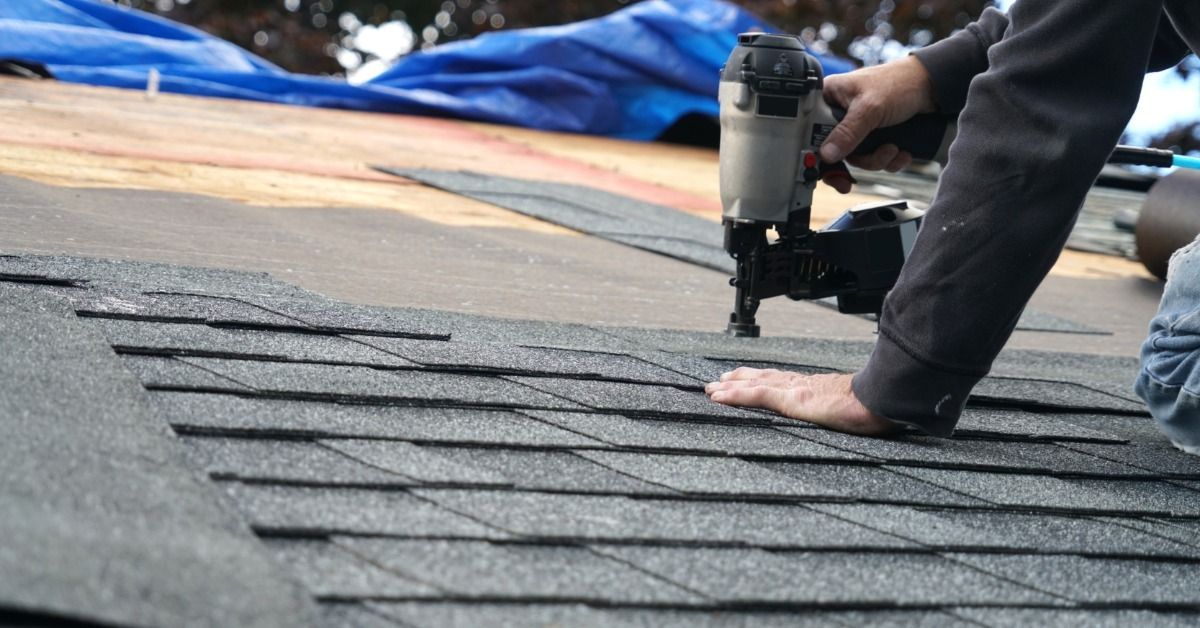
Once your claim receives approval, your roofing contractor can schedule repairs according to the agreed scope of work. Depending on the extent of the damage, repairs may involve replacing damaged shingles, repairing flashing, addressing leaks, or completing a full roof replacement if necessary.
During construction, your contractor should keep you informed about progress and notify you if hidden damage appears. Additional issues sometimes require further communication with your insurance company before repairs continue. Maintaining open communication helps prevent delays while ensuring your roof receives the work it needs.
When repairs finish, review the completed work carefully. Ask questions if anything seems unclear, and keep copies of invoices, warranties, and claim documents for future reference.
Protect Your Home With Prompt Roof Repairs
With this homeowner's guide to insurance claims for roof damage, you can respond quickly after storms and make informed decisions throughout the claims process. Acting promptly, documenting damage carefully, and working with experienced professionals can improve the overall experience while protecting your investment.
If your roof has suffered storm damage, Prusak Roofing provides dependable roof repair in Bridgeview and throughout the Chicagoland area. Our experienced team helps homeowners assess damage, complete quality repairs, and navigate the insurance process with confidence. Request a free quote today.