Signs Your Commercial Roof Needs Immediate Attention
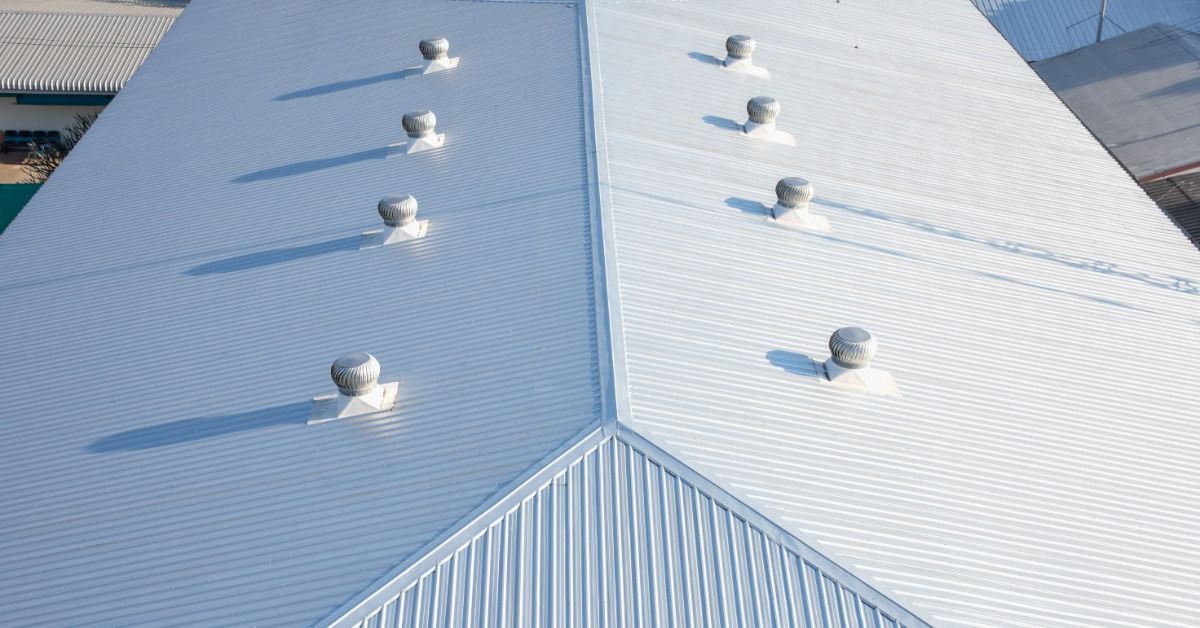
Commercial roofs protect valuable equipment, employees, inventory, and daily operations. Even minor roofing problems can quickly become expensive when they go unnoticed or remain unrepaired. Recognizing the signs your commercial roof needs immediate attention helps you avoid unexpected disruptions while protecting your investment. Knowing what to watch for allows you to schedule repairs before small issues develop into major structural problems that affect your entire building.
Water Leaks Should Never Wait
Water entering a commercial building is one of the clearest signs that something has gone wrong with the roofing system. Even a small drip can indicate damaged flashing, punctured roofing material, or failing seams. Once moisture reaches the building's interior, it can damage insulation, ceilings, walls, and electrical systems.
Some leaks only appear after heavy rain, making them easy to dismiss. However, temporary leaks rarely stay temporary. Water follows the path of least resistance, meaning the visible leak may be far from the actual source. A professional inspection identifies the problem before additional moisture spreads throughout the building.
Ponding Water Creates Lasting Damage
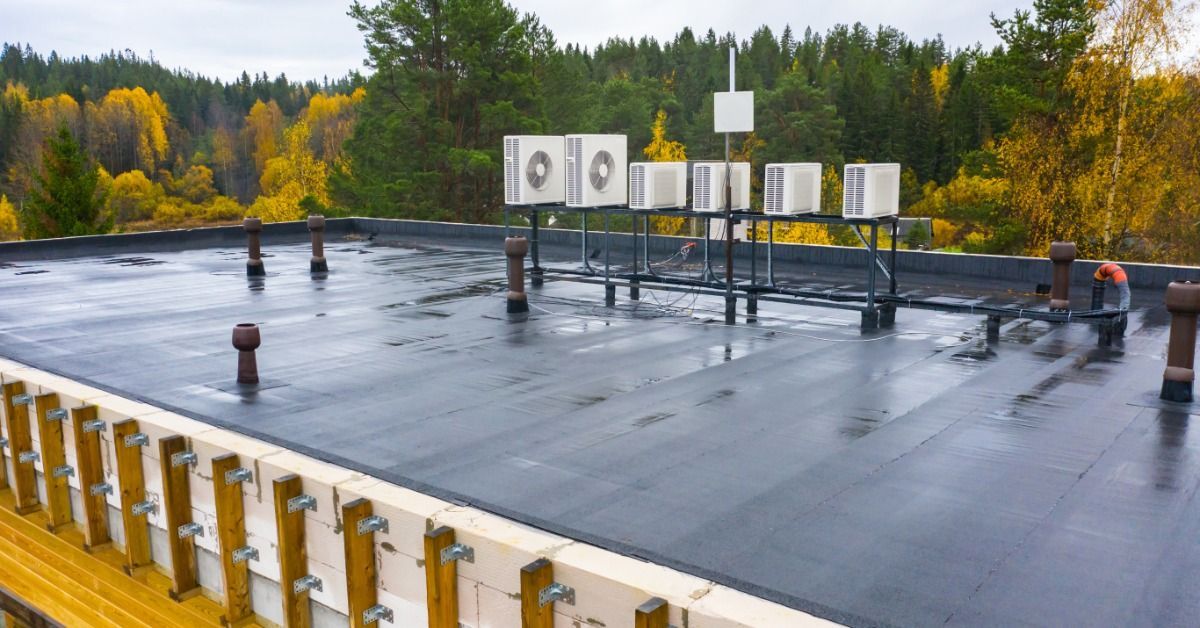
Flat and low-slope commercial roofs should drain efficiently after rainfall. If standing water remains for more than a couple of days, the roof may have drainage problems or structural settling. Ponding water adds unnecessary weight while increasing wear on roofing materials.
As water sits on the roof, it gradually weakens protective membranes and exposes vulnerable areas. Small openings can expand over time, allowing moisture to enter beneath the surface. Addressing drainage issues promptly helps preserve the roof's lifespan while preventing more extensive repairs.
Visible Membrane Damage Requires Prompt Repairs
Commercial roofing membranes withstand constant exposure to sunlight, rain, temperature changes, and wind. Over time, they may develop punctures, tears, open seams, or loose sections. These openings create direct pathways for water infiltration.
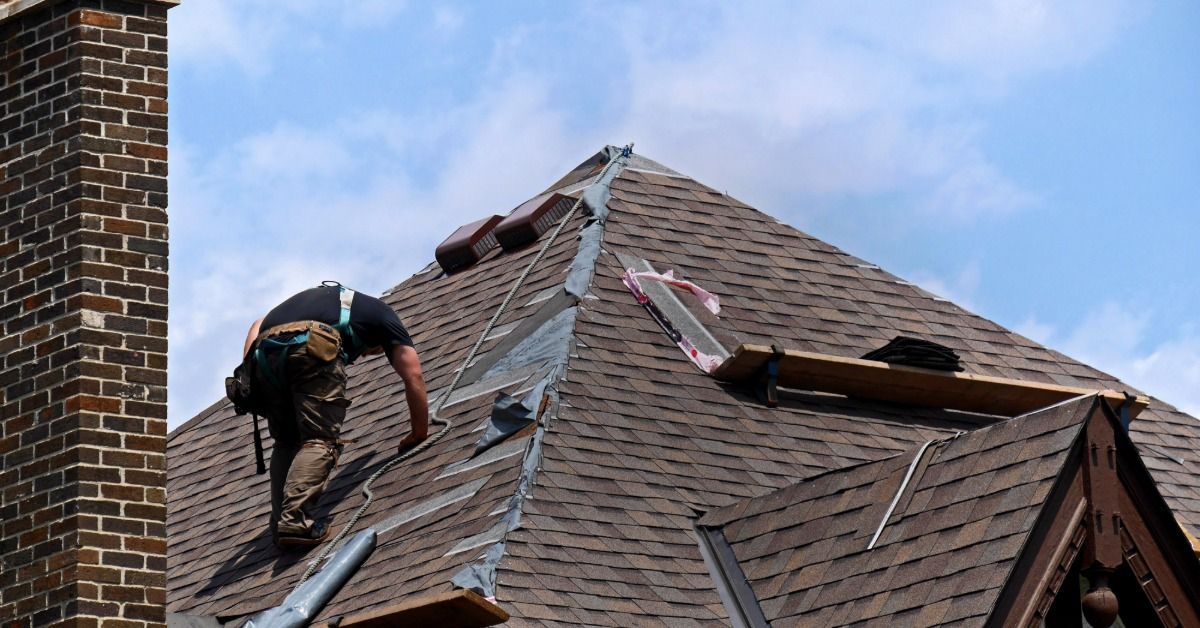
Damage often occurs after storms, rooftop maintenance, or falling debris. Even if the affected area appears small, exposed roofing materials become increasingly vulnerable during every weather event. Repairing damaged membranes quickly helps restore the roof's protective barrier before moisture reaches the decking.
Flashing Problems Leave Roof Edges Vulnerable
Flashing protects roof transitions around walls, vents, HVAC equipment, skylights, and other penetrations. When flashing pulls away, rusts, or becomes damaged, water easily enters the roofing system through these exposed areas.
Strong winds and seasonal expansion frequently loosen flashing over time. Routine inspections often reveal small separations before they become major leaks. Repairing flashing early is usually far less expensive than correcting widespread water damage inside the building.
Interior Stains Signal Hidden Roof Issues
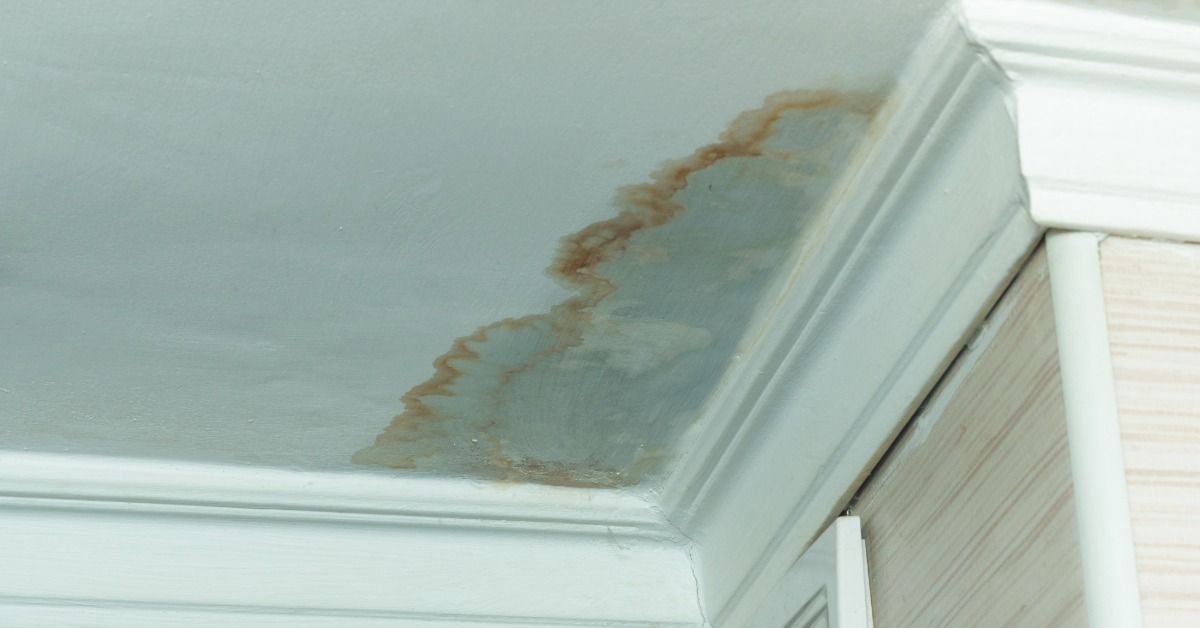
Water stains on ceilings or walls often indicate that roofing problems have existed longer than expected. Moisture may travel considerable distances before becoming visible indoors. By the time discoloration appears, water has likely affected insulation or structural materials.
Ignoring interior stains allows moisture to continue spreading throughout the building. Damp materials can deteriorate while creating conditions that require more extensive restoration work. Investigating stains immediately helps identify the source before additional damage develops.
Rising Energy Bills Can Point To Roofing Problems
Many business owners overlook their roof when energy costs begin increasing. Damaged roofing materials or wet insulation reduce the building's ability to maintain consistent indoor temperatures. Heating and cooling systems must work harder to compensate for lost efficiency.
Poor insulation performance often develops gradually, making higher utility bills seem unrelated to the roof. A thorough inspection can determine whether moisture intrusion or roofing damage contributes to declining energy performance. Restoring the roof may improve comfort while reducing unnecessary operating costs.
Storm Damage Is Not Always Obvious
High winds, hail, and heavy rain can damage commercial roofs without leaving dramatic evidence from the ground. Roofing membranes may become punctured, flashing may loosen, or seams may separate even when the building appears unaffected.
Scheduling a professional inspection after severe weather allows contractors to identify hidden damage before leaks develop. Prompt repairs also help document storm-related issues while the damage remains visible, making the repair process more straightforward for property owners.
Sagging Areas Suggest Structural Concerns
A commercial roof should maintain a consistent, level appearance. Areas that appear to sag or dip may indicate trapped moisture, weakened decking, or structural movement beneath the roofing system. These problems deserve immediate evaluation because they may worsen over time.
Ignoring sagging sections increases the risk of additional structural deterioration. Moisture continues affecting underlying materials while excess weight places additional stress on the roof. Early intervention helps prevent more extensive structural repairs later.
Loose Roofing Materials Can Spread Quickly
Roofing components rarely fail all at once. A loose edge, lifting membrane, or detached section often expands as wind and weather continue affecting the area. What begins as a localized repair can eventually involve a much larger portion of the roof.
Routine maintenance identifies loose materials before they spread across the roofing system. Addressing isolated problems promptly minimizes repair costs while reducing the likelihood of emergency service during severe weather.
Mold and Persistent Moisture Should Raise Concerns
Moisture trapped inside a commercial building creates ideal conditions for mold growth. Business owners may notice musty odors before visible mold appears. Persistent humidity near ceilings or upper walls may also indicate hidden roof leaks.
Ignoring these warning signs allows moisture to continue affecting interior building materials. Prompt roof repairs eliminate the source of water intrusion while helping protect indoor air quality. Early action also reduces the amount of restoration work needed inside the building.
Regular Inspections Help Prevent Emergencies
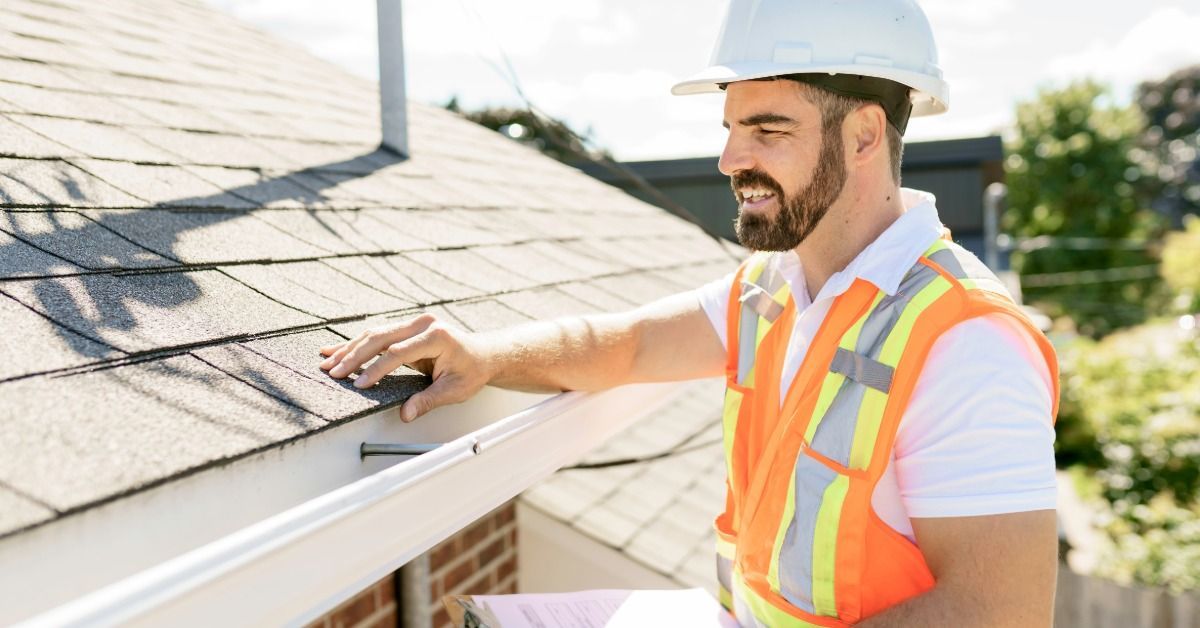
Many roofing emergencies begin as small issues that remain unnoticed for months. Regular inspections allow experienced roofing professionals to identify developing problems before they interrupt business operations. Preventive maintenance extends roof life while reducing unexpected repair expenses.
Commercial property owners benefit from establishing a consistent inspection schedule throughout the year, especially after major storms. Professional evaluations provide peace of mind because potential concerns receive attention before they become emergencies. Staying proactive helps protect the building, employees, customers, and daily operations.
Protect Your Building With Fast Professional Repairs
Knowing the signs your commercial roof needs immediate attention allows you to act before minor damage becomes a major expense. Fast repairs help protect your building, reduce business interruptions, and extend the life of your roofing system.
Prusak Roofing offers reliable emergency roof repair in Chicago to keep your business safe and running. Our experienced team responds quickly to assess damage and provide effective solutions tailored to your building’s needs. With prompt service and dependable workmanship, we help minimize downtime and prevent further costly issues. Request a free quote today.