What To Expect During a Roof Installation
A new roof is a significant investment, and many homeowners feel uncertain about the process before work begins. Understanding what to expect during a roof installation can help ease concerns and make the experience more manageable. While every project has unique details, most professional roof installations follow a similar sequence that starts with preparation and ends with a final inspection. Knowing how each phase works allows homeowners to prepare their property, communicate effectively with their contractor, and feel confident that their home is receiving the protection it needs.
The Planning Process Sets the Foundation
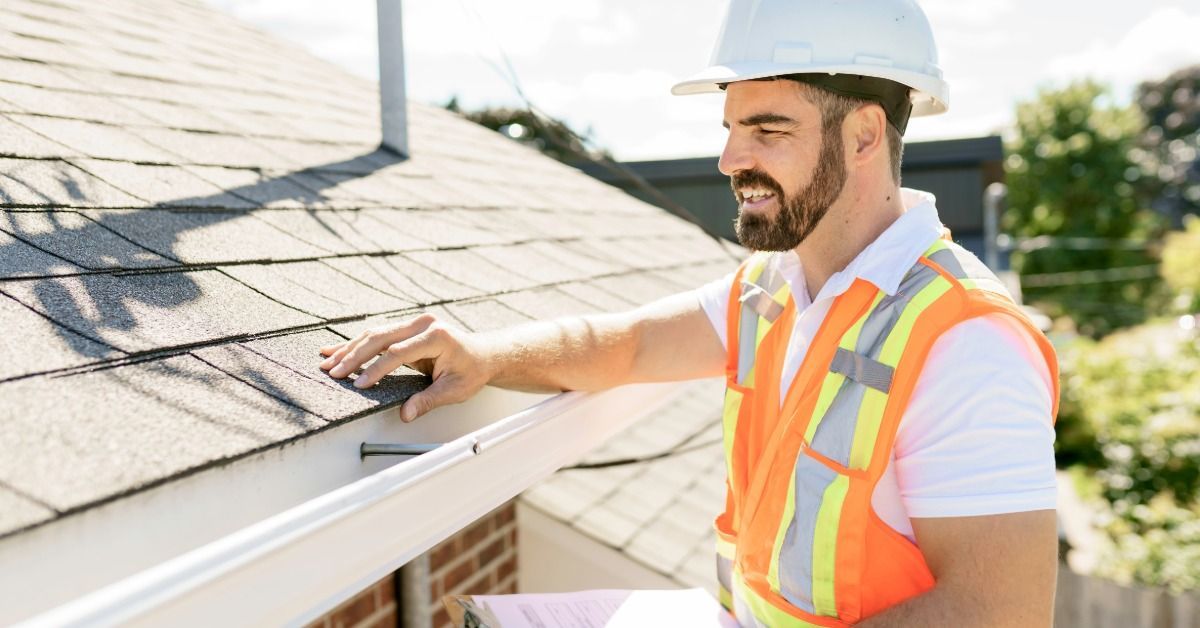
Every roof installation begins with careful planning. Before materials arrive or crews start working, a roofing contractor evaluates the existing roof and determines the scope of the project. This assessment helps identify any concerns that could affect the installation.
During this phase, contractors take measurements and work with homeowners to select roofing materials. Homeowners often choose shingle colors and styles that complement the appearance of the home while meeting performance expectations. Contractors also discuss project timelines and answer questions about the installation process. The planning stage creates a clear roadmap for the project and helps reduce the likelihood of unexpected issues once construction begins.
Preparing Your Property Before Work Starts
Preparation is an important part of any roof installation. Contractors require clear access to the roof, work areas, and delivery locations for materials. Homeowners can help by moving vehicles away from the driveway and clearing outdoor areas near the home.
Roof replacement creates vibrations throughout the structure. Because of this, it is often a good idea to remove fragile decorations or valuable items from walls and shelves before work begins. Taking these simple precautions can help prevent accidental damage. Preparing in advance also makes the project less stressful for everyone involved and allows the installation crew to work more efficiently.
Material Delivery and Site Protection
Roofing materials usually arrive shortly before installation day. Contractors coordinate deliveries so products are available when crews begin work. Depending on the size of the project, crews stage materials in the driveway or place them directly on the roof.
Before removing the existing roof, contractors take steps to protect the surrounding property. They cover or shield landscaping, siding, and other exterior features from debris. These measures help minimize the impact of construction activities on the rest of the property. A well-organized job site improves safety and contributes to a smoother installation process.
Removing the Existing Roofing System
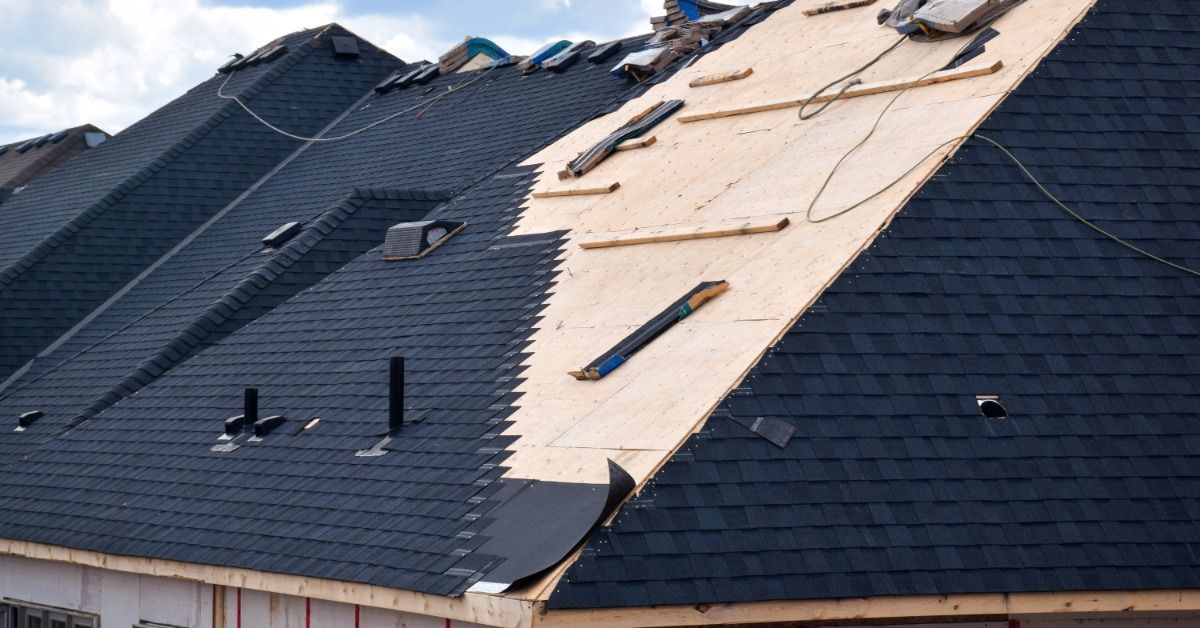
One of the most noticeable phases of a roof installation is the removal of the old roofing materials. Crews strip away aging shingles and underlayment to expose the roof deck beneath.
This stage is often noisy because workers use specialized tools to remove materials efficiently. Homeowners should expect increased activity around the property throughout the day. Although the process can be disruptive, removing the old roof is necessary to create a strong foundation for the new roofing system. A complete tear-off also allows contractors to inspect hidden areas that may have developed problems over time.
Inspecting the Roof Deck
After contractors remove the old roofing materials, they examine the roof deck carefully. The roof deck serves as the structural base for the entire roofing system, so its condition plays a major role in long-term performance.
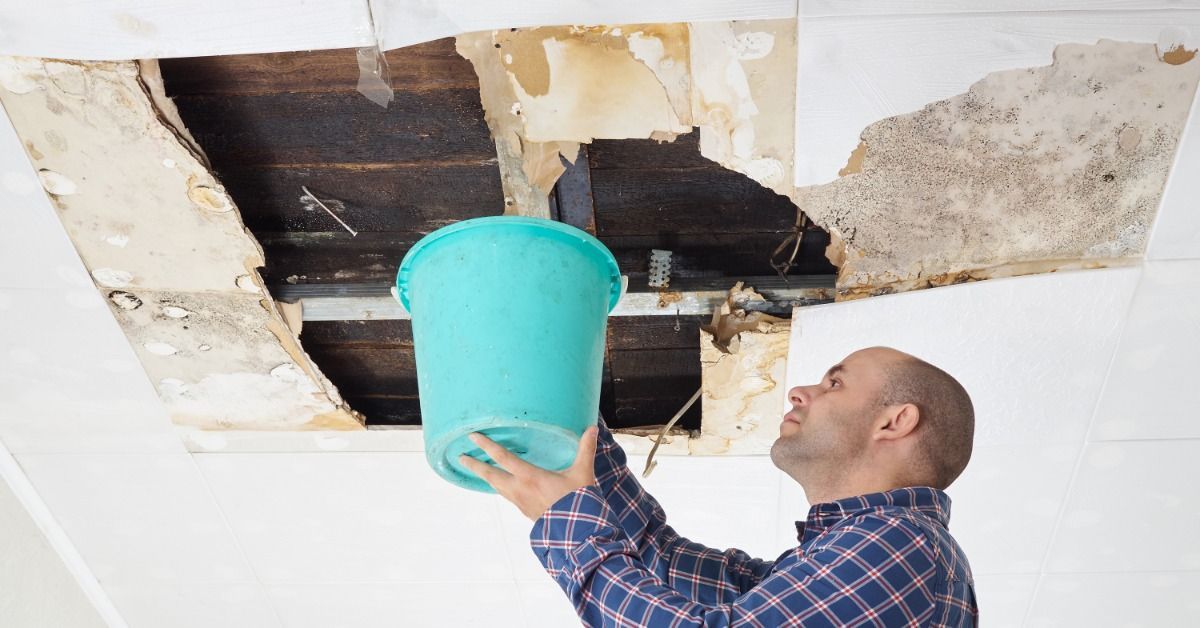
Sometimes hidden moisture damage becomes visible only after removing the old roof. When contractors discover damaged sections, they replace them before moving forward with installation. These repairs help create a solid surface that can properly support the new roof. Addressing structural concerns during the project helps prevent future issues and improves the overall durability of the roofing system.
Installing Protective Components
Modern roofing systems rely on several protective layers working together. Once the roof deck is ready, contractors begin installing underlayment and other moisture-resistant materials.
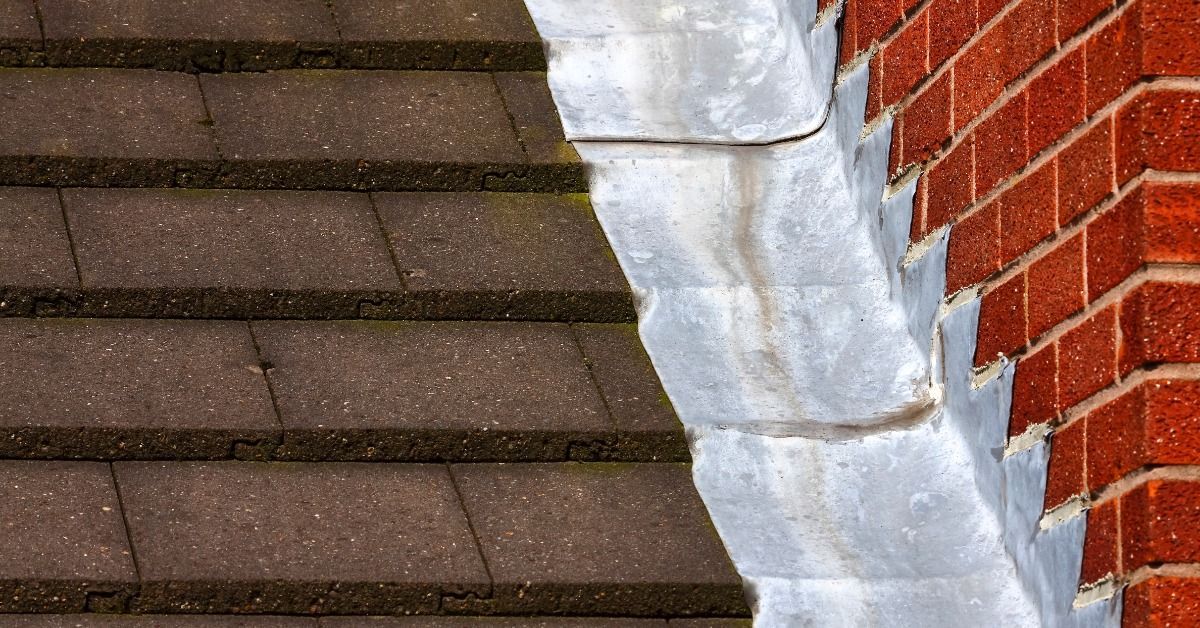
Underlayment provides an additional barrier between the roof deck and the finished roofing material. Contractors also install flashing around vulnerable areas where water could potentially enter the home. Proper flashing helps direct water away from critical locations and supports long-term leak prevention.
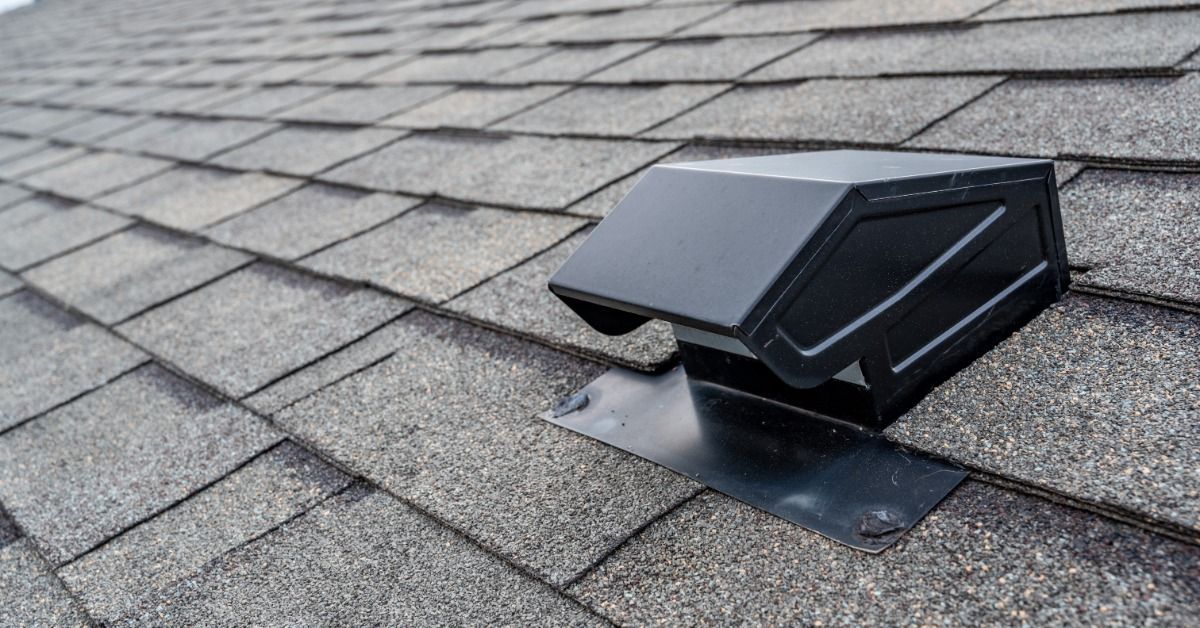
Contractors may also upgrade ventilation components during this phase. Effective attic ventilation helps manage temperature and moisture levels, which can contribute to the overall performance of the roofing system.
Installing the New Roofing Material
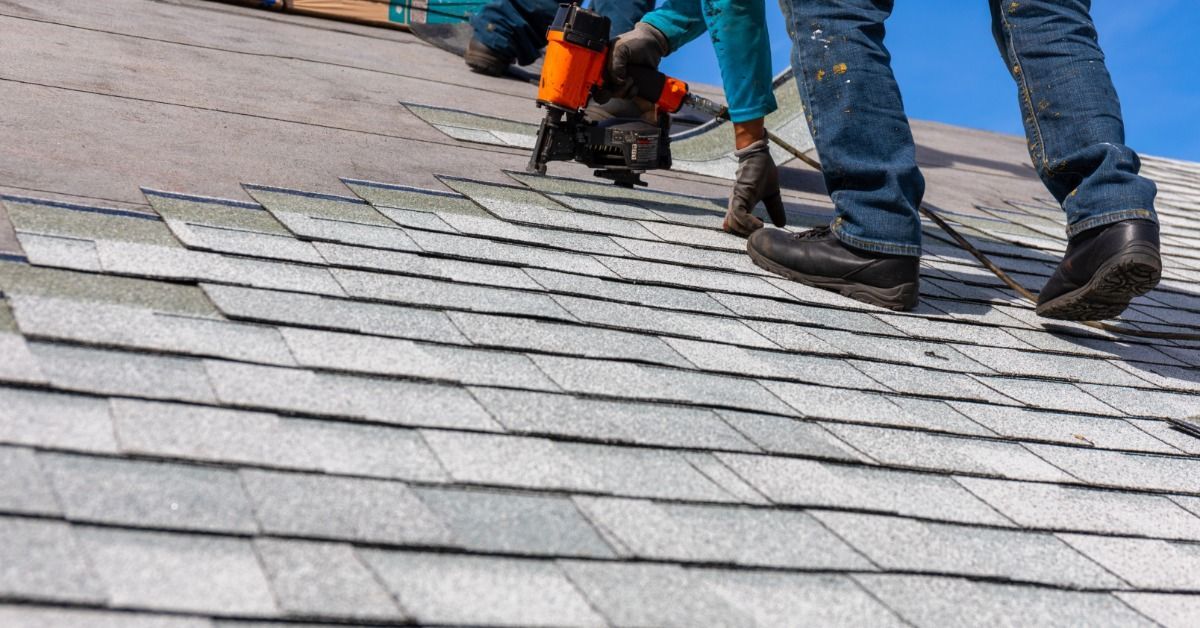
After the preparation work is complete, crews begin installing the new roofing material. This stage is when homeowners start seeing the visible transformation of their property.
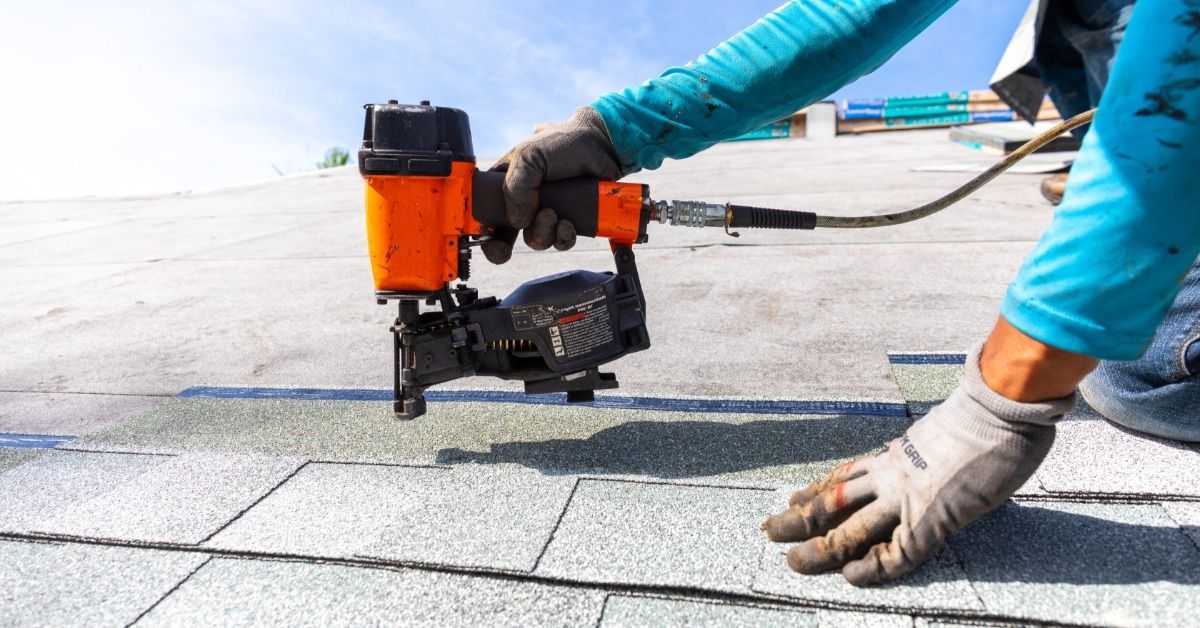
Professional roofers follow manufacturer guidelines and industry best practices throughout the installation. Proper alignment and secure fastening help ensure the roof performs as intended for many years. Attention to detail during this phase contributes directly to the lifespan and reliability of the finished system.
The length of installation depends on several factors, including roof size, weather conditions, and project complexity. Contractors can complete some homes quickly, while larger projects may require additional time.
Managing Daily Construction Activity
Homeowners often wonder how roof installation will affect daily routines. In most cases, families can remain in their homes while work is underway. The primary challenge is managing the noise associated with construction activities.
Contractors typically work during regular daytime hours and communicate scheduling information throughout the project. Maintaining open communication helps homeowners stay informed about progress and any adjustments that may become necessary.
Weather can occasionally affect installation schedules. Roofing contractors closely monitor conditions and may pause work when necessary to protect both workers and the home. While delays can be frustrating, safety and quality remain the top priorities.
Cleanup and Final Quality Checks
Cleanup is an essential part of professional roof installation. Once crews install the roofing materials, they remove debris and organize the work area. Contractors take care to leave the property in good condition after the project is complete.
Many roofing companies use magnetic tools to locate nails and metal debris that may have fallen during construction. This extra attention helps protect homeowners, children, and pets after the project concludes.
A final inspection follows the cleanup process. Contractors verify all roofing components and address any remaining details before they close out the project.
Confidence Through Every Stage
Understanding what to expect during a roof installation helps homeowners approach the project with confidence. Each phase serves an important purpose, from the initial inspection to the final walkthrough. Working with an experienced roofing contractor ensures the process remains organized, efficient, and focused on long-term results.
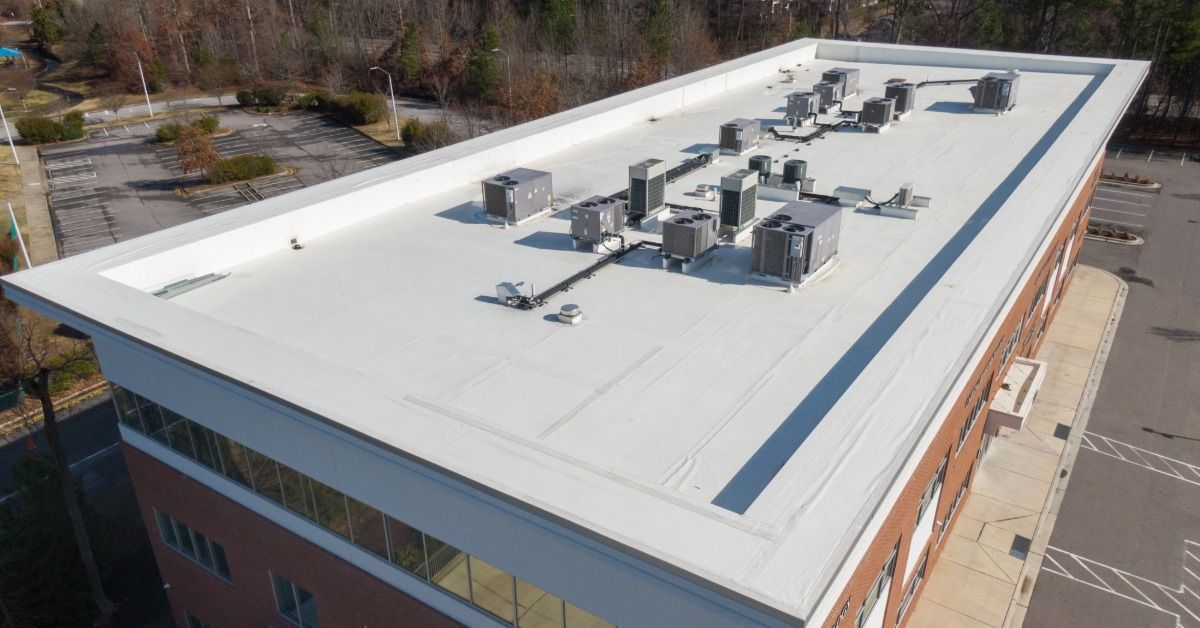
In addition to residential roofing services, Prusak Roofing also provides commercial roof repair in Chicago, helping businesses maintain reliable roofing systems. With decades of industry experience and a commitment to quality service, we provide dependable roofing solutions for both homeowners and business owners. Request a free quote to learn how we can help enhance the safety and efficiency of your property.