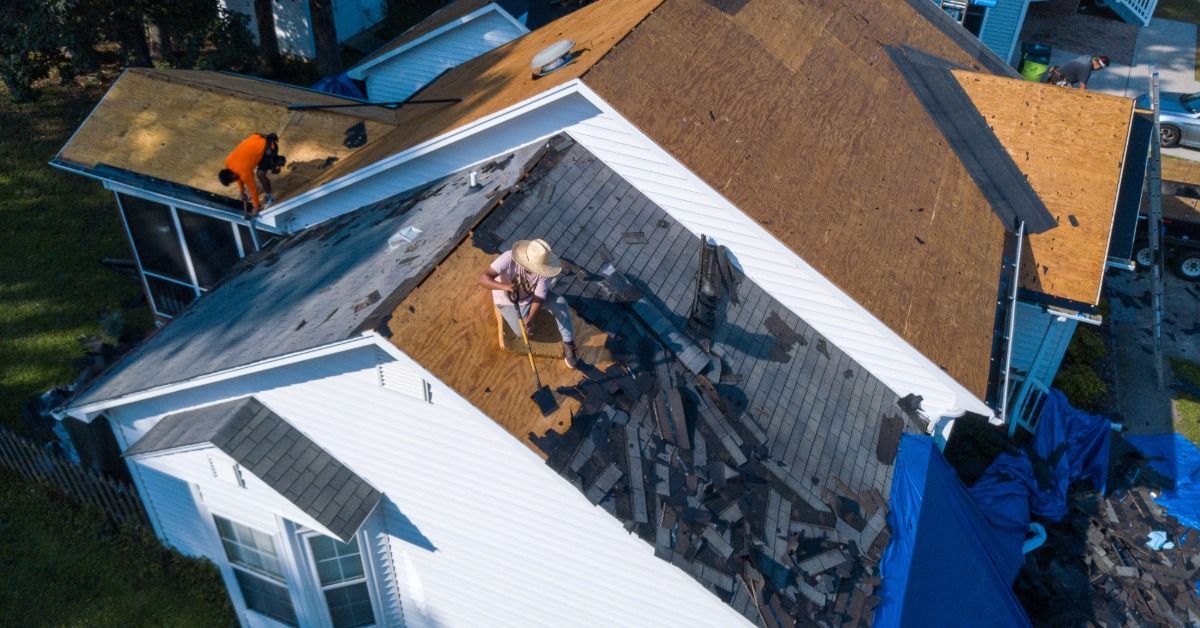
How To Prepare Your Home for a Roof Replacement
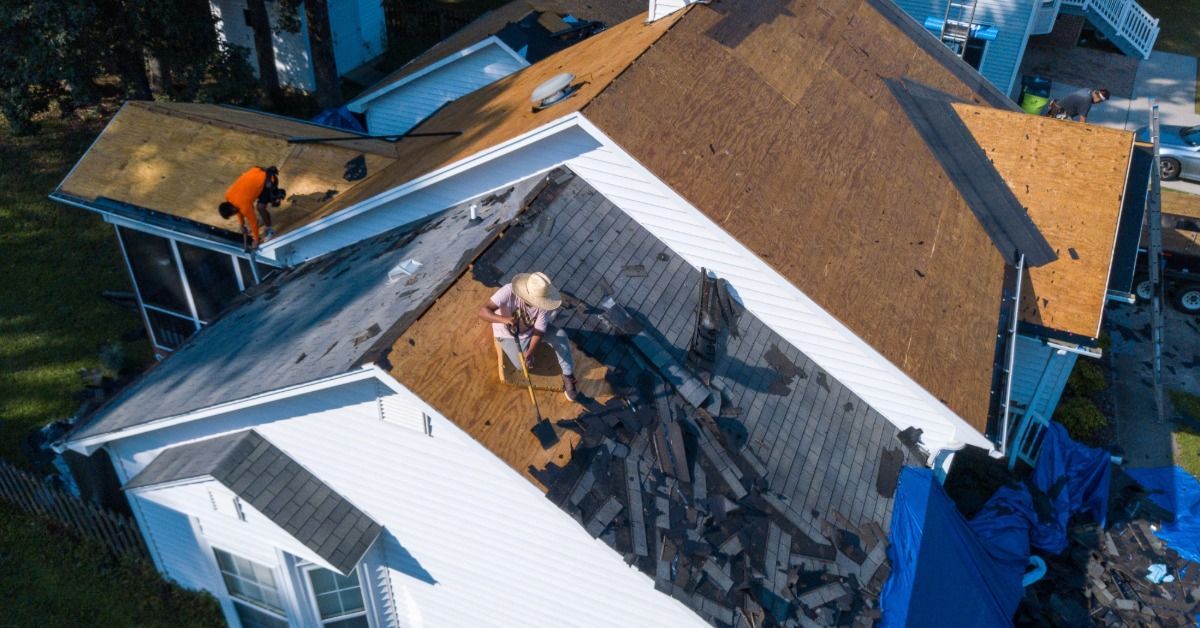
Replacing a roof is one of the most important improvements you can make to your home. A new roofing system protects your property, improves curb appeal, and helps maintain long-term value. While your roofing contractor handles the installation process, homeowners also play an important role in making the project run smoothly. Understanding how to prepare your home for a roof replacement can reduce stress and help the work stay on schedule from start to finish.
Understand What To Expect Before Work Begins
Preparation begins with understanding what will happen during the replacement process. Many homeowners have never experienced a roof replacement before, so it is helpful to discuss the project with your contractor ahead of time. Knowing what to expect allows you to plan around the work and avoid unnecessary surprises.
Ask your contractor about the anticipated schedule and daily work hours. Determine when the contractor plans to deliver materials and identify the location where the crew will store them on your property. Understanding how crews will access the roof can also help you identify areas that may require attention before installation begins.
This conversation creates an opportunity to discuss concerns specific to your property. Every home presents different challenges, and addressing those details in advance helps prevent confusion once work starts.
Clear the Area Around Your Home
Roof replacement requires contractors to access multiple sides of the house safely. Vehicles, trailers, dumpsters, and material deliveries need space near the work area. Removing obstacles before the project begins helps the crew work efficiently.
Move vehicles out of the driveway and away from the house whenever possible. Relocate outdoor furniture, grills, potted plants, and decorative items that sit close to exterior walls. If you have valuable landscaping features near the home, discuss protective measures with your contractor before the project starts. Creating an open workspace reduces the chance of accidental damage and gives roofers better access to the property.
Protect Items Inside Your Home
Many homeowners focus on outdoor preparation and forget that roof replacement can affect the interior of the house. Removing old roofing materials creates vibrations that travel through walls and ceilings. These vibrations may cause items to shift.
Walk through your home and secure fragile belongings before installation day. Remove wall decorations that could move or fall during construction. Check shelves that hold glass items, collectibles, or family heirlooms. Taking a few precautions beforehand can help prevent unnecessary damage while the crew completes the work above.
Prepare Your Attic Space
The attic often receives little attention until a roofing project begins. During roof replacement, small amounts of dust or debris may enter the attic area. Preparing this space helps protect stored belongings and makes cleanup easier afterward.
Cover important items stored in the attic with protective sheets or lightweight tarps. If possible, move sensitive belongings to another location during the project. It is also a good opportunity to check insulation, ventilation components, and other attic conditions that may be visible during the roofing process. Addressing concerns early can improve the overall performance of your new roof.
Consider Children and Pets
Roof replacement creates a busy environment that can feel disruptive to children and pets. Loud sounds from tearing off old roofing materials and installing new products often continue throughout the workday. Some family members may find the noise uncomfortable.
Consider scheduling activities away from home during the loudest phases of the project. If pets become anxious around construction activity, arrange for them to stay in a quieter area of the house or with a trusted friend. Keeping children and pets away from active work zones helps maintain safety for everyone involved.
Give Your Neighbors Advance Notice
Good communication extends beyond your household. Roof replacement projects often generate noise and increased activity that nearby neighbors may notice. Providing advance notice demonstrates courtesy and helps manage expectations.
A simple conversation can go a long way toward maintaining positive relationships. Let neighbors know when the project will begin and approximately how long it may last. This information allows them to plan accordingly and reduces the likelihood of complaints or misunderstandings during construction.
Ensure Easy Access To Power and Entry Points
Roofing contractors occasionally need access to exterior power outlets and certain areas around the property. Preparing these spaces before work begins helps prevent delays during installation.
Unlock gates that provide access to fenced sections of the yard if your contractor requests entry. Make sure exterior outlets remain accessible and free of obstructions. If there are specific concerns regarding property access, discuss them before the project starts. Addressing logistical details ahead of time helps keep the replacement process moving efficiently.
Review Safety Expectations With Your Contractor
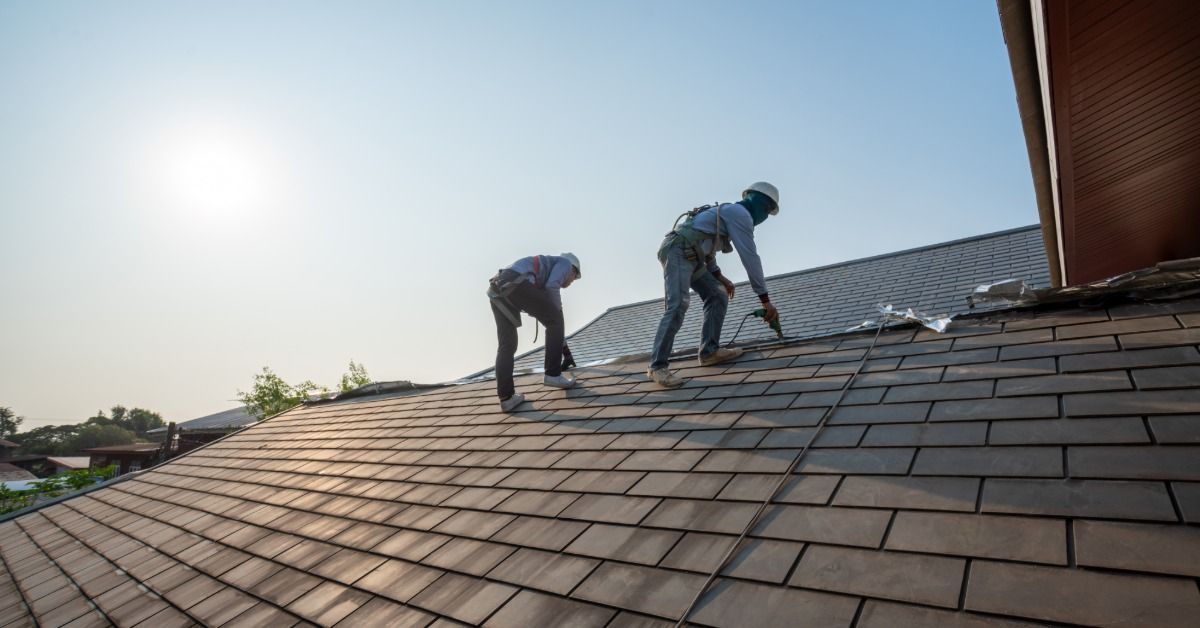
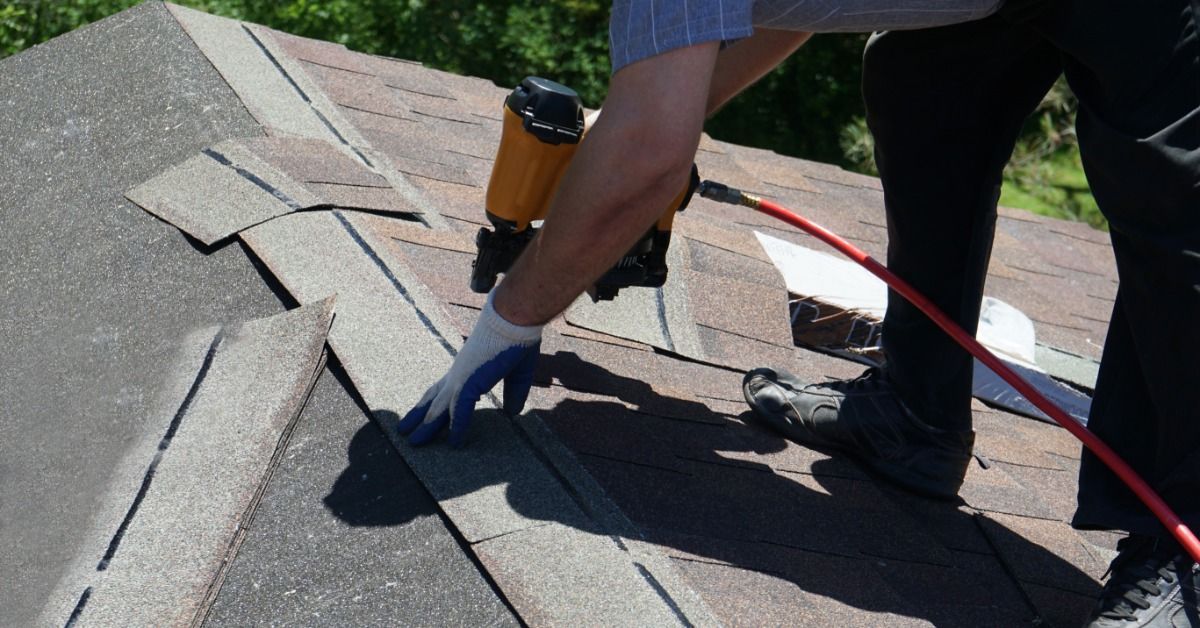
Professional roofing companies prioritize safety throughout every project. Even so, homeowners should understand how safety procedures affect daily activities around the property. Knowing where crews will work and which areas should remain off limits helps prevent accidents.
Ask your contractor about debris collection methods and cleanup procedures. Confirm where the crew will stage materials and whether any areas should remain clear during installation. Following contractor guidance helps protect family members while allowing crews to perform their work without interruption.
Prepare for the Final Cleanup and Inspection
As the project nears completion, the focus shifts toward cleanup and final review. Most professional roofing contractors conduct thorough inspections and remove leftover materials from the property. Homeowners should still take time to walk through the completed project.
Review the finished roof with your contractor and ask any remaining questions. Inspect landscaping, exterior surfaces, and other areas around the home. Understanding warranty information and maintenance recommendations helps you protect your investment long after installation is complete. A final walkthrough provides peace of mind and confirms that the project meets expectations.
Contact Prusak Roofing
Knowing how to prepare your home for a roof replacement helps create a smoother experience before, during, and after installation. By clearing work areas, protecting belongings, and communicating with your contractor, you can support a safe and efficient project while minimizing disruptions to daily life.
If you are planning a roofing project, Prusak Roofing is a residential roofing company in Bridgeview that has served homeowners throughout the greater Chicago area for decades. Our experienced team provides dependable roof replacement services, clear communication, and quality workmanship that homeowners can trust. Request a free quote today!