Roof ponding can be prevented by improving drainage, adding tapered insulation, and keeping gutters clear so water flows off the roof efficiently. Addressing low spots early protects your roofing system from leaks, structural damage, and premature wear.
Do you notice water collecting on your roof after every Illinois downpour? With the state's heavy rains and unpredictable weather, those puddles are more than a minor inconvenience; they're a red flag.
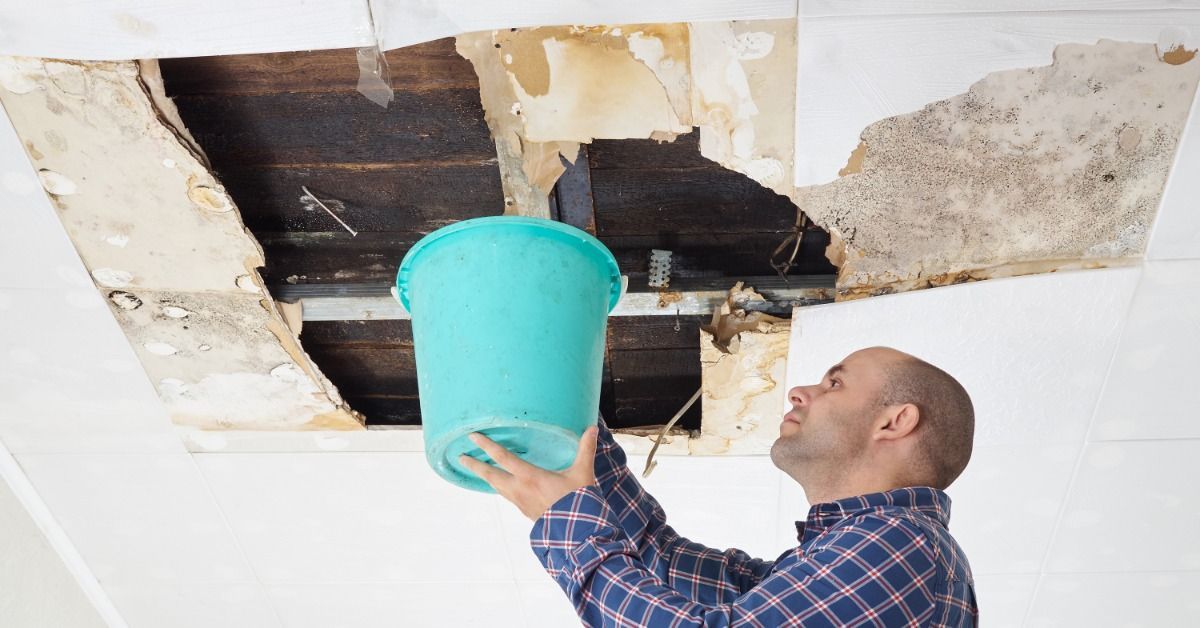
Roof ponding can quietly damage membranes, add weight to your structure, and create the perfect conditions for leaks and premature roof failure. The good news is that with the right prevention strategies, you can protect your Illinois property, improve drainage, and extend your roof's lifespan despite the Midwest weather.
Let's explore the key strategies to stop roof ponding before it becomes an expensive problem.
What Causes Roof Ponding and Is It Always a Problem?
Roof ponding occurs when water can't drain properly, often due to issues like clogged drains, inadequate slope on low-slope roofs, structural settling, or poor roof design. In Illinois, where heavy storms and freeze-thaw cycles are frequent, these factors can create low spots that trap water more easily.
Small, temporary puddles after a rainstorm aren't unusual, but when water consistently collects in the same areas, it becomes a warning sign. Persistent ponding leads to membrane deterioration, increases the load on the roof, and raises the risk of leaks and long-term damage.
How Long Can Water Sit on a Roof Before It's Considered Ponding?
Roofing professionals generally define ponding water as any water that remains on the roof for more than 48 hours after rainfall has ended. This benchmark is important because most roofing materials begin to degrade more quickly when they remain wet for extended periods.
If water lingers beyond this window, it signals poor roof drainage or potential structural issues that need attention. Quick action matters even more due to weather patterns that accelerate wear, such as humidity, temperature swings, and rapid freeze-thaw cycles.
What Are the Best Ways to Prevent Standing Water on a Roof?
Preventing roof ponding starts with improving how water moves across your roofing system and eliminating the low spots where it tends to collect. With Illinois' heavy rains and storm patterns, proactive prevention is essential for keeping your roof strong, dry, and long-lasting.
Improve Roof Drainage
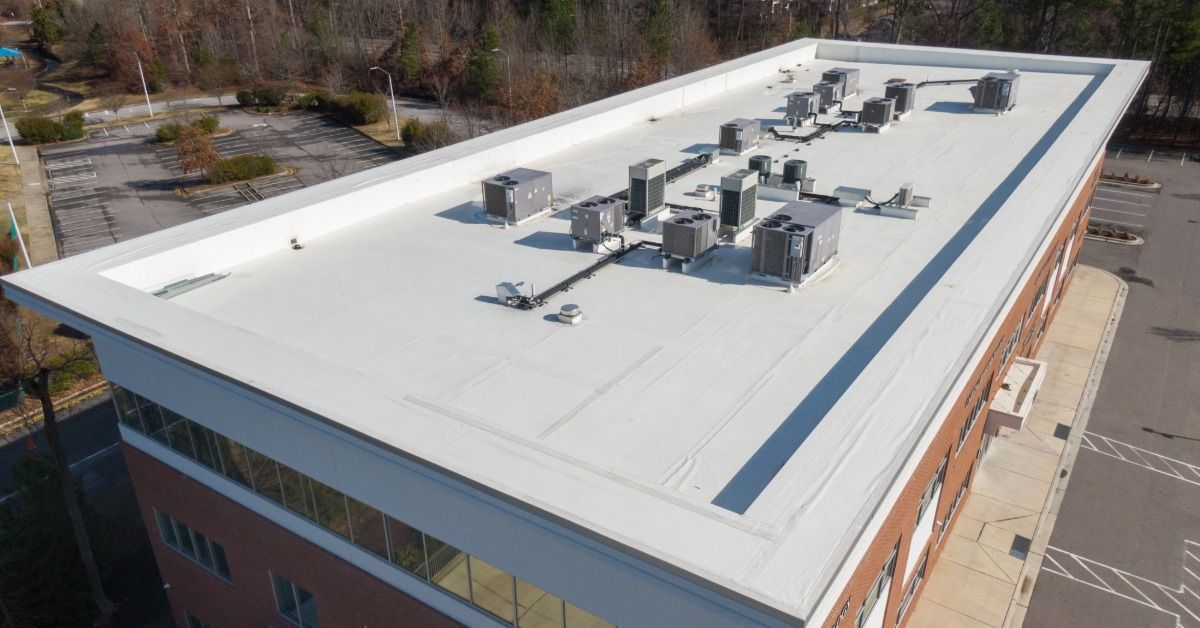
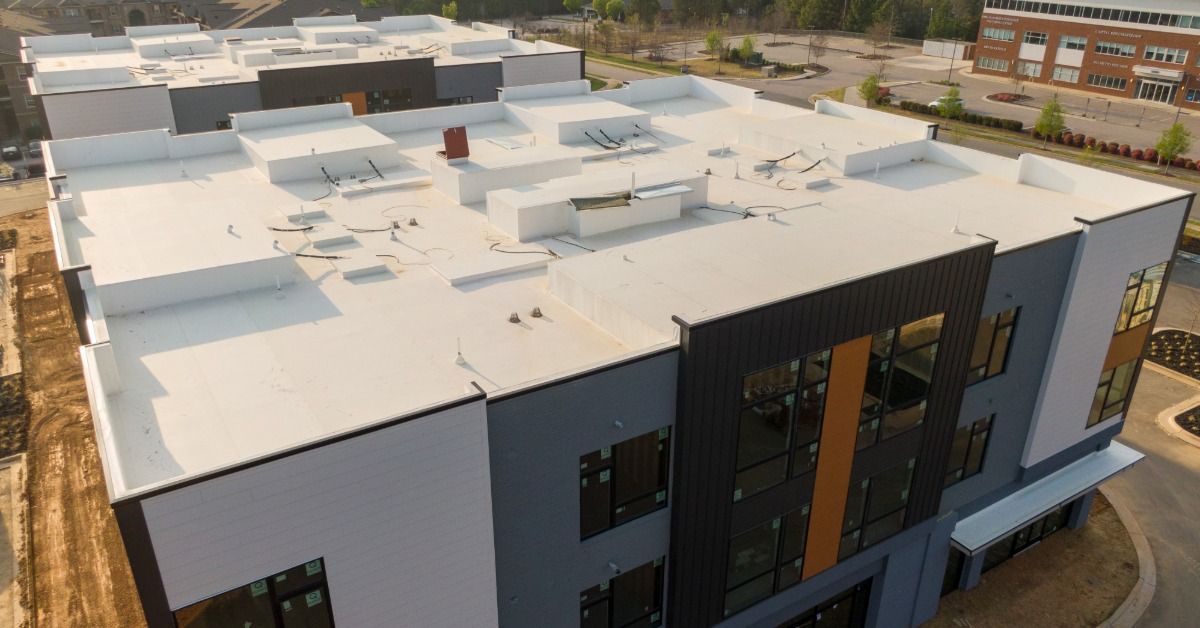
A well-designed drainage system is the foundation of preventing ponding. Flat and low-slope roofs need strategically placed drains, scuppers, or internal drainage channels that guide water toward exit points.
When these elements are missing or poorly positioned, water naturally pools in the lowest areas. Adding new drains or repositioning existing ones ensures water has a clear, unobstructed path off the roof.
Add Tapered Insulation
Tapered insulation creates a gentle but effective slope across sections of a flat roof, guiding water toward drains without altering the entire roof structure. This solution is ideal for older commercial buildings where re-pitching the roof isn't practical. Besides improving drainage, tapered insulation adds energy efficiency and strengthens the roof system, making it a smart long-term investment.
Keep Gutters and Drains Clean
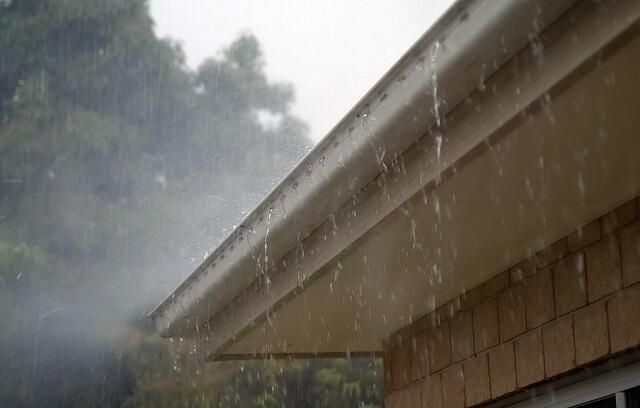
Clogged gutters and drains are one of the most common causes of ponding. Leaves, twigs, and seasonal debris can block water flow and cause backups.
Routine cleaning prevents overflow, protects the roof edge, and keeps water moving freely. Installing gutter guards or drain strainers can further reduce maintenance needs and stop debris before it becomes a problem.
Upgrade to a High-Quality Roofing Membrane
Not all roofing membranes handle standing water the same way. Materials like PVC and TPO are much more resistant to moisture damage compared to older built-up roofing or modified bitumen. Upgrading the membrane provides greater protection if occasional ponding occurs, reducing the risk of blistering, cracking, or seam failure.
Install Additional Scuppers or Overflow Drains
During heavy storms or rapid snowmelt, primary drains can get overwhelmed. Scuppers and overflow drains act as backup pathways that relieve water pressure and keep it from accumulating in vulnerable areas. Adding these improves overall drainage capacity and protects the roof during sudden weather shifts.
Schedule Routine Professional Inspections
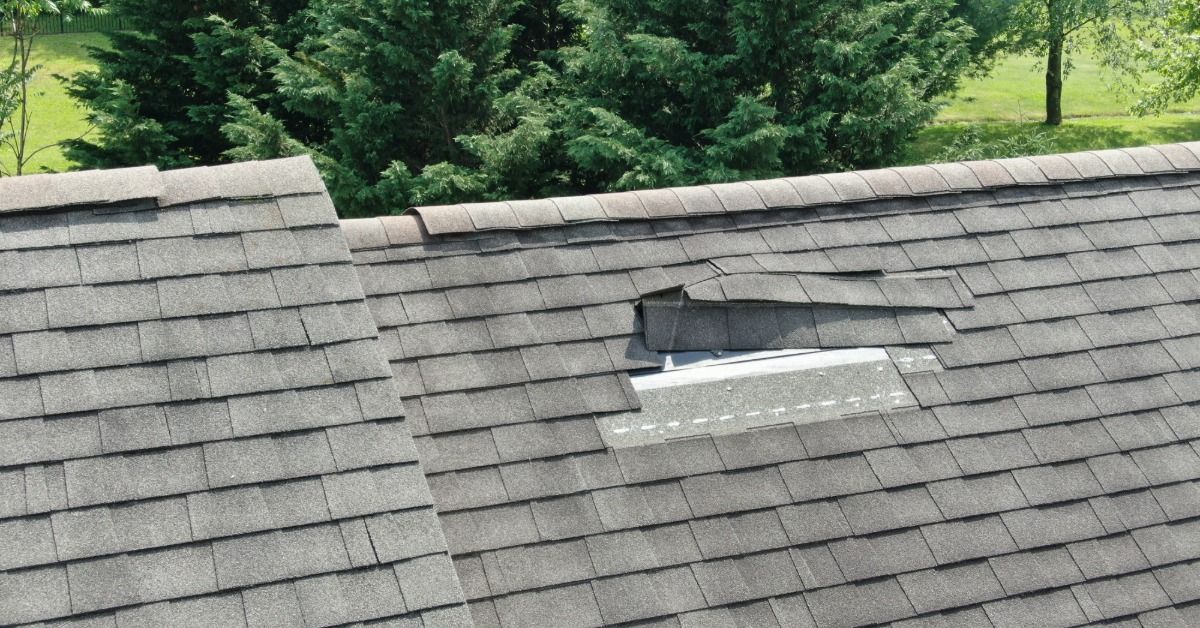
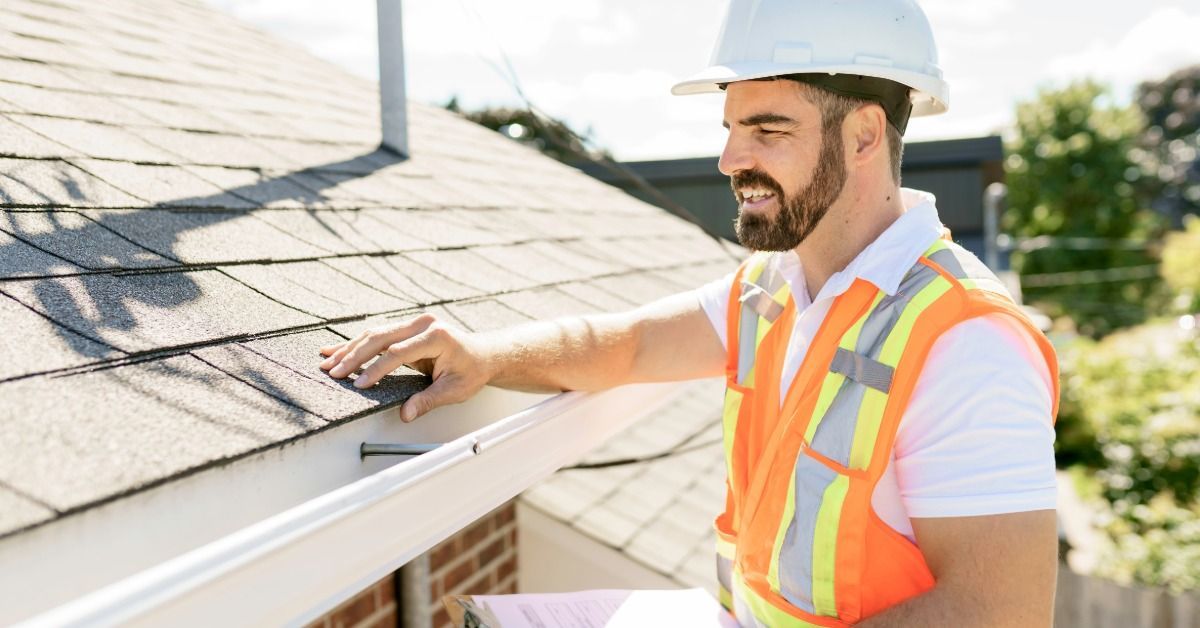
Regular roof inspections help detect early signs of drainage issues, sagging, membrane deterioration, or clogged systems. A roofing professional can spot subtle problems you might miss, such as small dips or slow-moving water. Catching these issues early prevents expensive repairs and keeps your roof performing at its best year-round.
Frequently Asked Questions
Does Roof Ponding Affect Energy Efficiency?
Yes. When water sits on the roof, it increases heat absorption and can make your building warmer in the summer. This forces your HVAC system to work harder, raising energy costs.
Can Ponding Water Void a Roofing Warranty?
Often, yes. Many manufacturers state that long-term ponding -- usually beyond 48 hours -- can void membrane warranties because it accelerates damage. This makes timely maintenance crucial to protecting both your roof and your investment.
Is Roof Ponding More Common on Older Buildings?
Older buildings are more likely to have structural settling, outdated drainage systems, or low spots that have developed over decades. These conditions make them more prone to ponding, especially during Illinois' heavy summer storms and spring rains.
Can Snowmelt Cause Ponding Even If the Roof Drains Are Working?
Absolutely. When snow melts unevenly or freezes again around drains, water can't flow properly. In Illinois, freeze-thaw cycles are one of the most overlooked contributors to ponding during late winter and early spring.
Are There Temporary Fixes for Ponding Before Scheduling Major Repairs?
Quick solutions like clearing debris, using temporary pumps, or applying small-scale leveling compounds can help reduce water buildup. However, these should only be used as stopgaps until a permanent fix is implemented.
Take Control of Your Roof's Health
Preventing roof ponding is one of the smartest ways to protect your building from leaks, structural damage, and costly repairs. By improving drainage, addressing low spots, and staying proactive with maintenance, you can extend your roof's lifespan and ensure it performs reliably year-round.
As a family-owned and operated roofing company with over 55 years of experience, Prusak Roofing brings unmatched expertise in flat and low-slope roofs across the Chicago region. Whether you're dealing with ponding now or want a preventive inspection, our certified team provides dependable work backed by a quality guarantee.
Ready to act? Contact us today for a free estimate and get your roof evaluated by true professionals who understand Illinois' unique weather challenges.