Roof Damaged by Storm? Here's What to Do Immediately
Is your roof damaged by a storm? Act immediately to protect your home. Don't wait for leaks to appear or shingles to fall.
Start by assessing the damage safely, covering exposed areas, and contacting a professional for emergency repairs. You're not alone, as claims for storm-related roof damage have been rising sharply nationwide, according to The Liberty Company Insurance Brokers.
Acting quickly can save you money and simplify the insurance process. This guide walks you through exactly what to do after a storm, with easy-to-follow steps to repair your roof while minimizing stress. Keep reading to learn more.
What Is the Most Common Roof Damage?
Storms can leave your roof with various kinds of damage. This may include:
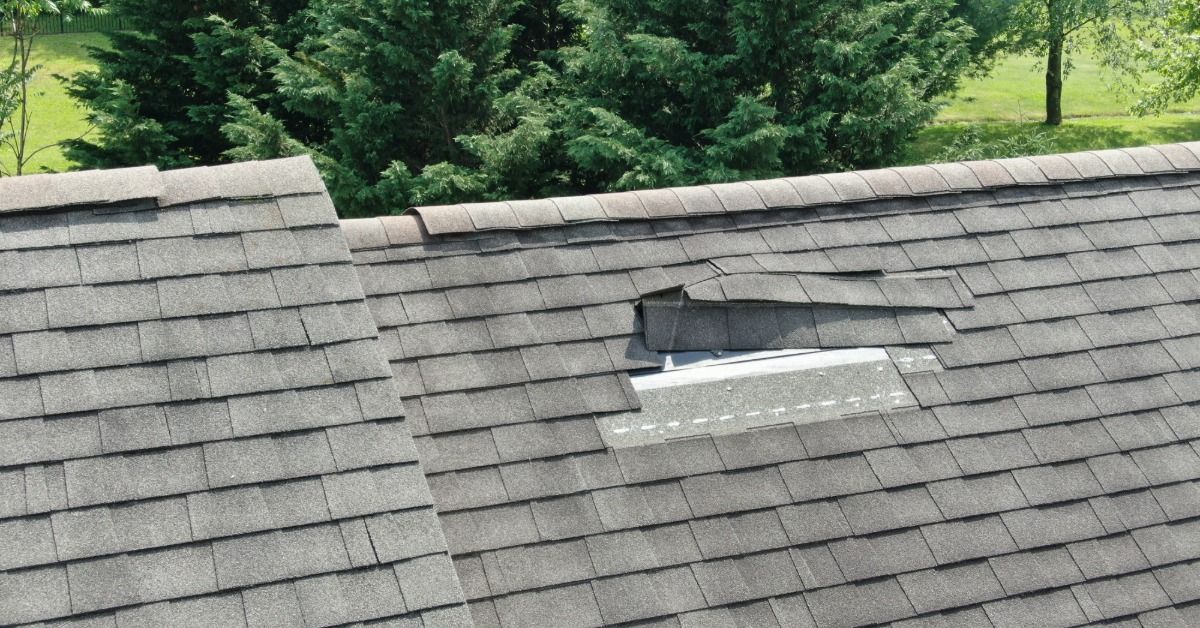
- Missing or damaged shingles: High winds and hail can dislodge or break shingles, compromising the roof's integrity
- Granule loss: Asphalt shingles may lose their protective granules, reducing their effectiveness
- Cracked or dented flashing: Flashing around chimneys and vents can crack or become loose
- Hail damage: Hailstones can cause dents or fractures in shingles and other roofing materials
- Tree damage: Fallen branches or trees can puncture the roof, causing immediate and severe damage
What Are the Immediate Steps to Take After a Storm?
If your roof has been compromised, it's essential to mitigate further damage. Here's what to do:
Ensure Safety First
Before doing anything, make sure the area is safe. Wait until the storm is over and conditions are safe. Avoid any standing water, downed power lines, and loose debris, as they can pose a hazard.
Never climb onto a roof that feels unstable or slippery; safety is more important than a quick inspection.
Conduct a Preliminary Inspection
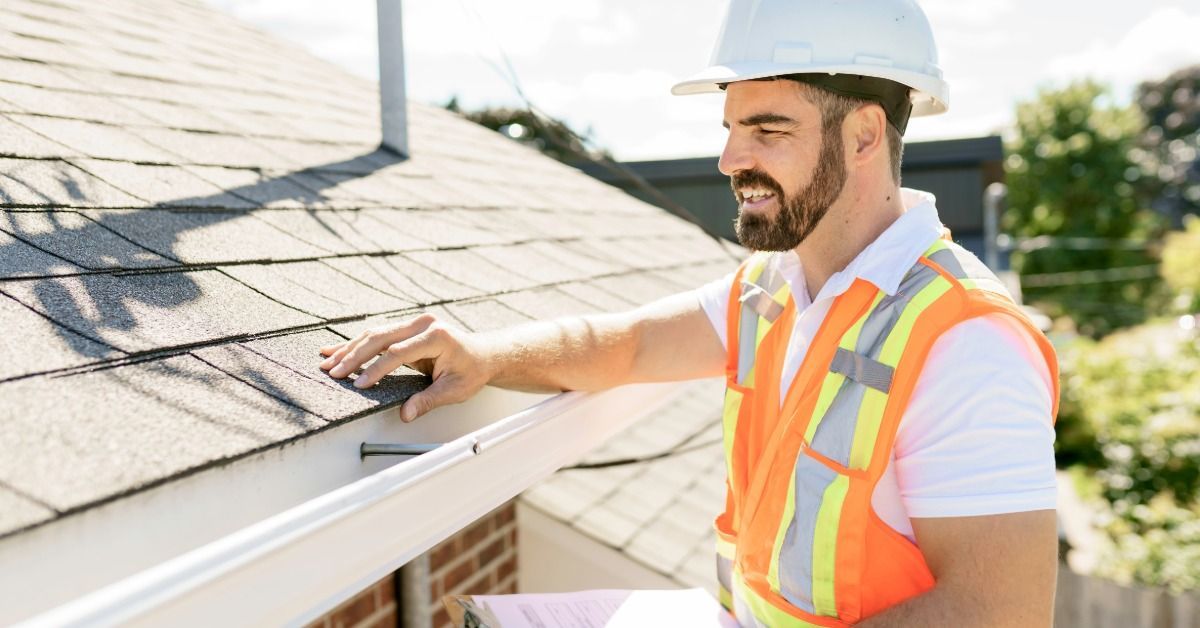
Start your inspection from the ground. Look for noticeable damage, such as missing or broken shingles, cracked flashing, dented vents, or fallen branches and debris. Identifying these issues provides a clearer understanding of the necessary repairs.
Check for Interior Damage
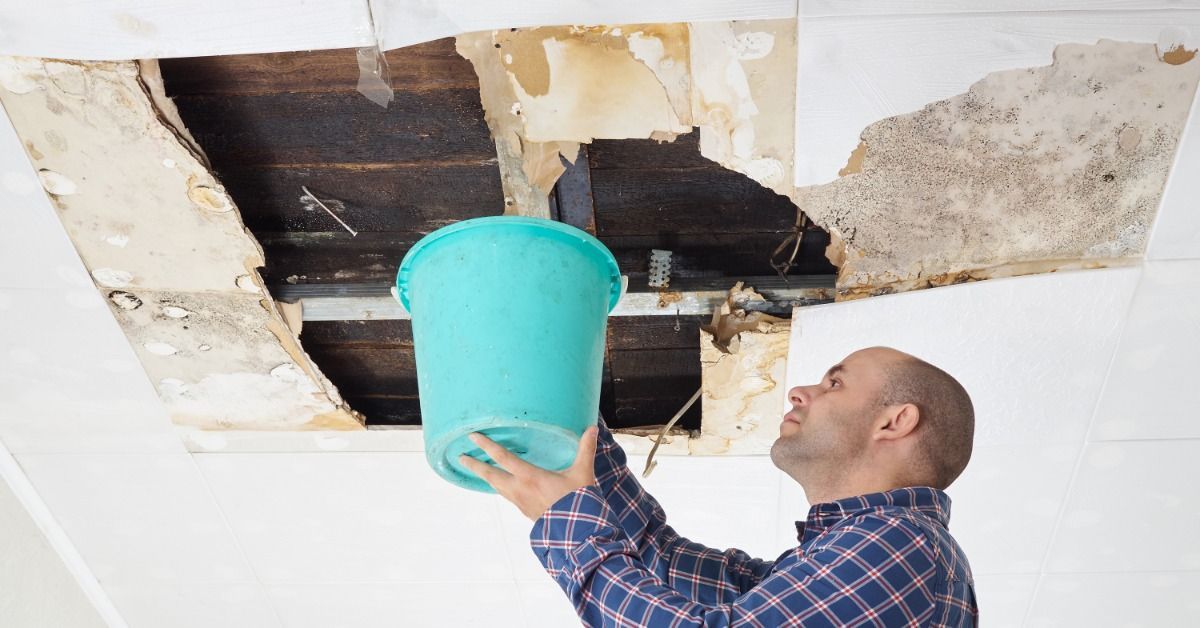
Storm damage isn't always visible from the outside. Inspect your attic, ceilings, and upper walls for water stains, damp spots, or dripping water. Early detection of leaks helps prevent mold growth, wood rot, and damage to insulation or wiring.
Document the Damage
Take clear, detailed photos of every area affected by the storm, both inside and outside your home. Include close-ups of missing shingles, cracked flashing, and water stains.
This documentation is crucial for roof insurance claims, as it ensures that your provider has a clear understanding of the damage and needed repairs.
Make Temporary Repairs
If it's safe to do so, cover exposed areas to prevent rain or moisture from entering your home. Avoid walking on the damaged roof unless necessary.
Call a Professional
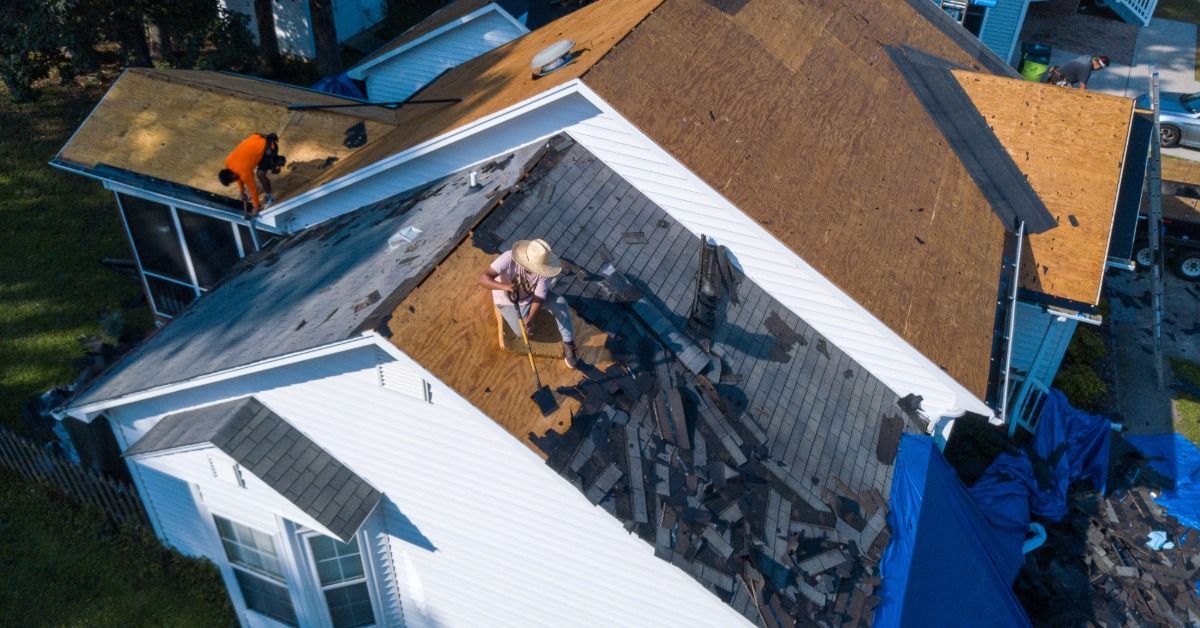
Contact a licensed roofing contractor for a detailed inspection and repair estimate. Professionals can assess hidden damage and guide emergency roofing repairs.
File an Insurance Claim
Report the damage to your homeowners' insurance provider as soon as possible. Provide detailed documentation, including photographs and contractor estimates, to support your claim. Keep a record of all communications with your insurance company to streamline the process.
How to Find the Best Roofing Repair Company in Your Area
While DIY repairs can address minor damage, more severe damage or issues with the roof's structure should always be handled by professionals. Let's help you find the best roof repair services:
Check Credentials and Licensing
Hire a licensed and insured contractor. Licensing ensures local building code compliance, and insurance protects you from accidents or further damage. Look for local contractors experienced in emergency repairs and storm-related damage.
Get Multiple Estimates
Request estimates from at least three companies. Compare costs, materials, and timelines. Avoid choosing solely based on price.
Confirm the contractor provides a warranty on both materials and workmanship. This protects you in case issues arise after the repairs are made.
Insurance Experience
If filing a roof insurance claim, select a contractor familiar with insurance documentation. Some work directly with insurance providers to streamline the process.
Frequently Asked Questions
Do I Need a Roof Inspection Even if There's No Visible Damage?
Yes. Hidden leaks, flashing failures, or insulation damage can go unnoticed until they cause serious problems.
Should I Hire a Roofer or Contact My Insurance First?
Have a professional roofer inspect the damage first. Their storm damage assessment can provide a clear understanding of the issues before contacting your insurance provider.
Will My Homeowners' Insurance Cover Roof Damage from a Storm?
Coverage depends on your policy and the cause of damage. Typically, sudden events like storms are covered, but wear and tear or pre-existing conditions may not be. Review your policy to understand your coverage and deductible.
How Can I Prevent Future Roof Damage?
Regular maintenance, such as trimming overhanging branches, cleaning gutters, and conducting annual inspections, can help prevent damage.
What Can I Use to Patch My Roof?
For a short-term fix, tar paper or heavy-duty plastic sheeting can cover damaged areas and keep water out. Roofing cement can be used for small holes until professional repairs are made.
What Is the Best Roof for Storms?
The best ones are those that combine durability, wind resistance, and impact resistance. Metal roofs, clay or concrete tiles, and high-quality asphalt shingles rated for high winds are well-suited for severe weather conditions. However, proper installation and maintenance are just as critical as the materials.
Can Roof Damage From a Storm Affect My Home's Resale Value?
Yes. Visible or hidden damage can lower offers, hurt curb appeal, and raise inspection concerns. Fixing it fast protects your home's value.
Expert Advice for a Roof Damaged by a Storm
Is your roof damaged by a storm? Storms may be unpredictable, but your response doesn't have to be. Assess the damage carefully, document it, and work with licensed professionals.
Trust Prusak Roofing, a family-owned and operated company for expert roofing, siding, and gutter services across the Chicago area. Our professional teams provide personalized service, honest estimates, and guarantee every job is done right the first time. Contact us today for a free estimate and experience roofing installations done the right way.