When Is It Time to Call for Emergency Roofing Services?
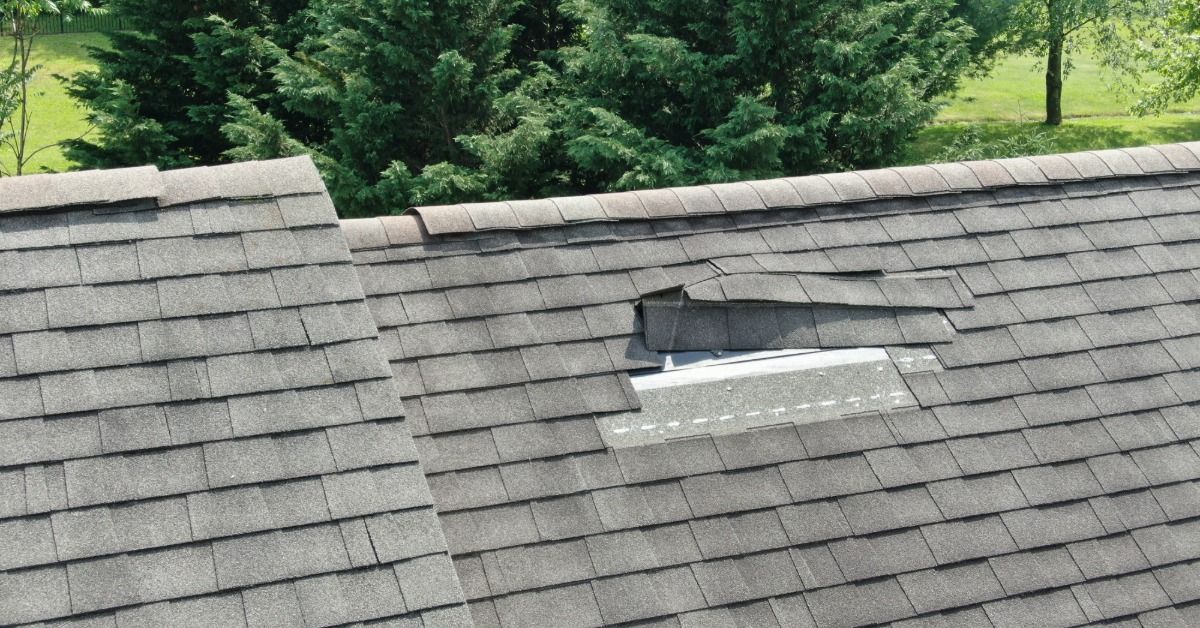
It might be time to call for emergency roofing services if your home is suffering from leaks or has sustained damage from a heavy storm. Something like missing shingles or torn flashing can expose your home to pests, water damage, and other potential risks.
You can usually tell there's damage if you have patches of missing or torn-off shingles. However, not every problem presents itself the same way or is as obvious to the naked eye.
Read on to learn more about emergency roofing repair and when you should call for a professional.
What Is a Roofing Emergency?
A roofing emergency refers to sudden damage or deterioration that compromises the safety, structural integrity, or weatherproofing of your home. Minor leaks or missing shingles can usually wait for scheduled repairs. Emergencies need immediate attention to prevent further harm.
Some common examples include:
- Storm damage roofing issues
- Severe roof leaks
- Structural sagging
- Fire or impact damage
The defining factor is urgency. If the damage allows water intrusion, compromises safety, or threatens collapse, it qualifies as an emergency.
Signs You Need Emergency Roof Repair
Knowing the warning signs can help you act quickly and lower risks. Call for emergency repair if you notice any of the following:
- Rapid or worsening leaks
- Exposed underlayment or interior
- Water stains growing quickly
- Debris impact
- Unstable roof decking
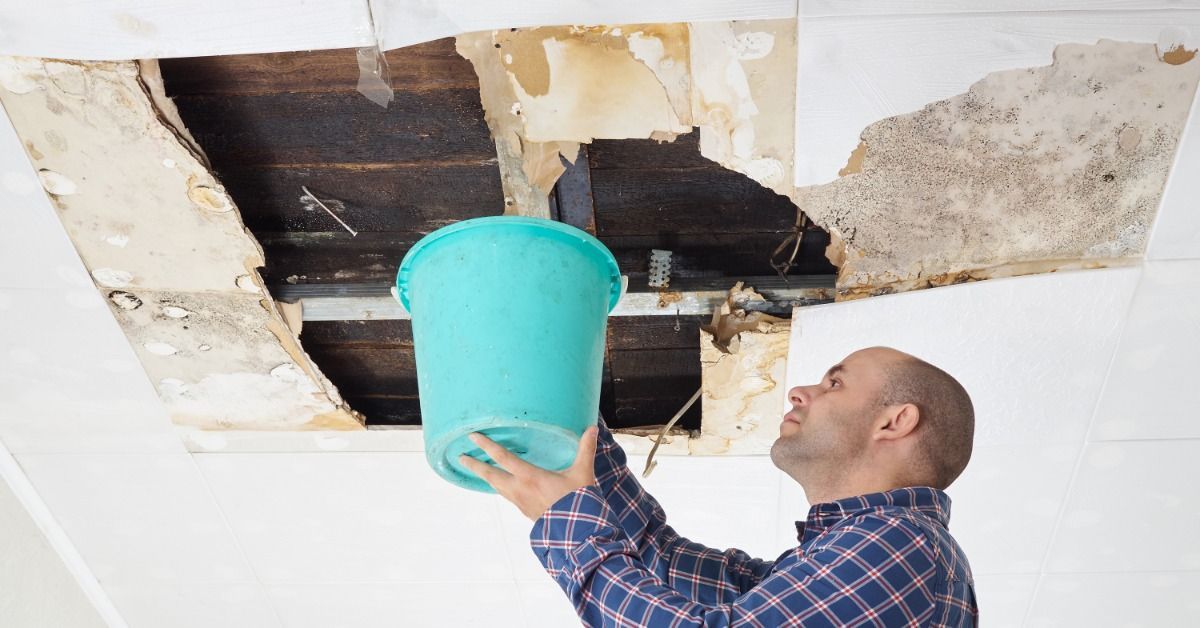
Leaks and water stains need urgent intervention. Expanding stains on ceilings or walls often point to active leaks spreading across your home. They can cause both structural and electrical damage.
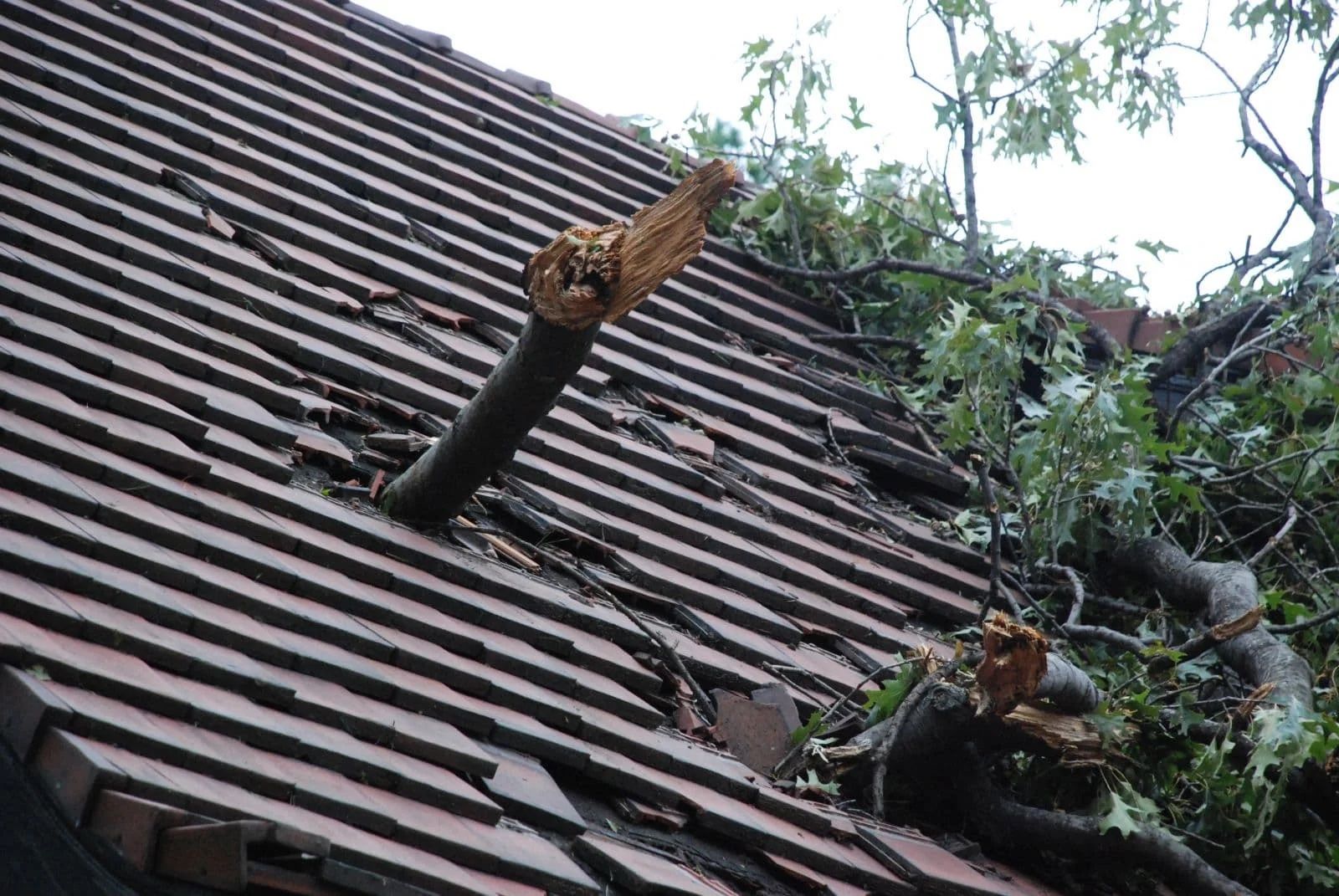
A fallen tree branch or heavy debris that punctures or cracks the roof needs professional assessment right away. The same goes for any noticeable sagging in your attic.
Common Causes of Roofing Emergencies
Roofs can fail for many reasons, but certain events are more likely to require immediate action.
Severe weather events like hurricanes and blizzards create some of the most frequent emergencies. These often require immediate attention.
Pests can burrow into roofs, causing unexpected structural damage. This can also happen if you neglect your roof or install it poorly.
Older roof systems have materials that deteriorate over time. They're more susceptible to failure and may require a full replacement.
What to Do While Waiting for Roof Repair?
When a roofing emergency strikes, professional help may not arrive immediately. Taking quick, temporary steps can help protect your property and reduce long-term costs. These include:
- Ensure safety first
- Contain the water
- Move valuables out of danger
- Minimize the leak
- Document the damage
- Call an emergency roofing contractor
Documenting the damage is especially important, as it helps when filing insurance claims.
Why Prompt Emergency Roofing Services Matter
Delayed action after a roofing emergency can have severe consequences.
Water damage escalates if leaks are not addressed. They can lead to mold, rot, and interior destruction. In a worst-case scenario, you may even suffer structural damage.
Many policies require homeowners to take reasonable steps to prevent worsening damage. Ignoring the problem could jeopardize claims.
If the structure is damaged, it presents a risk to the well-being of any occupants. Repairs to both the home and roof can become much greater than more minor repairs.
Roof Leak Solutions and Preventing Future Emergencies
When homeowners notice a leak, they can use quick fixes until the roofer comes to make more permanent repairs.
Tarps, sealant patches, and plastic coverings can prevent immediate water damage. However, you'll need the roof to replace missing shingles or rebuild sections of decking to restore full integrity.
Taking proactive measures can help reduce risks. Homeowners should:
- Schedule annual roof inspections
- Clean gutters to prevent water backup
- Trim overhanging branches that could fall during storms
- Replace missing or damaged shingles promptly
- Invest in quality installation and durable roofing materials
Preventive care extends the life of your roof and minimizes unexpected emergencies.
Frequently Asked Questions
How Do I Know if My Roofing Problem Is Truly an Emergency?
If the issue threatens your home's structure or allows significant water entry, then it qualifies as an emergency. Damage to your roof may also introduce safety hazards, such as exposure to the elements or structural damage.
Minor cosmetic damage can usually wait for scheduled repairs. That's why it's important to get routine maintenance so you can establish what kind of damage you're dealing with.
Are Emergency Roofing Services Available 24/7?
Many reputable roofing companies offer 24/7 emergency assistance, especially in areas prone to storms. Always verify availability when choosing a contractor.
Keep in mind that these companies often get busy right after a storm has hit your area. It's important to set up tarps to keep water out and move your valuables to dry areas if you need to wait a little longer.
How Quickly Can a Roofer Respond During an Emergency?
Response times vary based on demand and weather conditions. In major storms, contractors may prioritize the most severe cases first. Contacting them promptly helps secure a place in line.
When it comes to repair times, it also depends on the weather and the extent of the damage. Water restoration specialists will first work to restore the interior and remove excess water, if necessary. The roofers can get to work when they're done.
Will My Insurance Cover Emergency Roof Repair?
Most homeowners' policies cover sudden damage from storms, fire, or falling objects. They typically exclude damage caused by neglect or poor maintenance. Even waiting too long for repairs after a storm may count as neglect.
Always check your policy for specifics on what it covers.
Hire the Right Emergency Roofing Expert
An emergency roofing situation can feel overwhelming, but knowing when to call for help makes all the difference. Severe leaks, storm impacts, or structural instability demand immediate professional attention. While waiting for help, homeowners can take steps to protect their property and document damage for insurance.
Prusak Roofing has over 55 years of experience providing roofing services in the Chicagoland area. Our team offers home roof repair, commercial roofing, and storm services. Send a message online with your questions and information about your upcoming project and other roofing needs.