How To Know When Your Roof Needs Replacement
Your roof protects everything beneath it, but it rarely announces when it’s nearing the end of its lifespan. Knowing how to know when your roof needs replacement can save you from unexpected leaks, structural damage, and costly repairs that spiral out of control. Most homeowners wait too long because they either misunderstand or ignore the warning signs. Your roof gives clear signals when it’s time to act. You just need to recognize them.
The Age of Your Roof Matters More Than You Think
One of the most reliable indicators of roof replacement is age. Roofing materials last for a set number of years, and once that timeframe passes, they begin to lose performance even if the roof still looks acceptable from the ground.
As shingles age, they lose their protective granules, become brittle, and struggle to withstand harsh weather. Even without visible damage, an older roof becomes more vulnerable to leaks and structural issues. If your roof is approaching or has surpassed its expected lifespan, replacement often makes more financial sense than continued repairs.
Curling, Cracking, and Missing Shingles
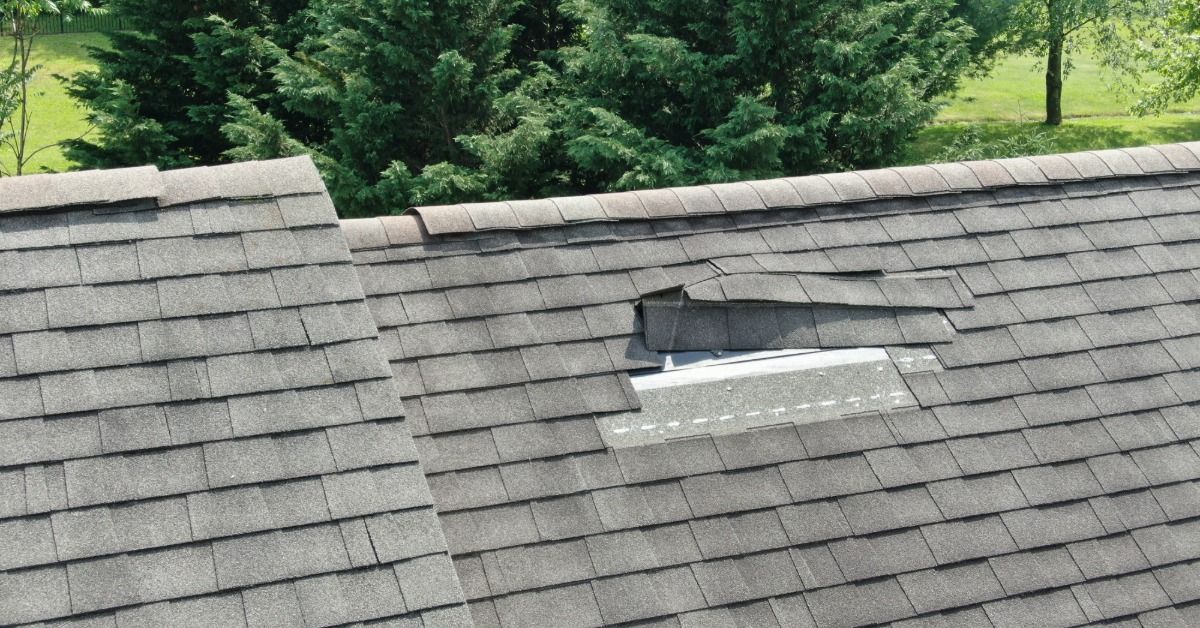
Shingles serve as your roof’s first line of defense. When they begin to deteriorate, your entire roofing system becomes compromised. Curling edges, cracked surfaces, or missing sections are all strong indicators that your roof is no longer performing as it should.
Curling shingles often signal prolonged exposure to heat and moisture, which causes them to warp and lose their seal. Cracked shingles usually result from weather stress, especially in climates with temperature swings. Missing shingles leave exposed areas that allow water to penetrate directly into the underlayment.
If these issues appear in isolated spots, repairs may still be an option. When they show up across large portions of the roof, replacement becomes the smarter long-term solution.
Persistent Leaks and Interior Water Damage
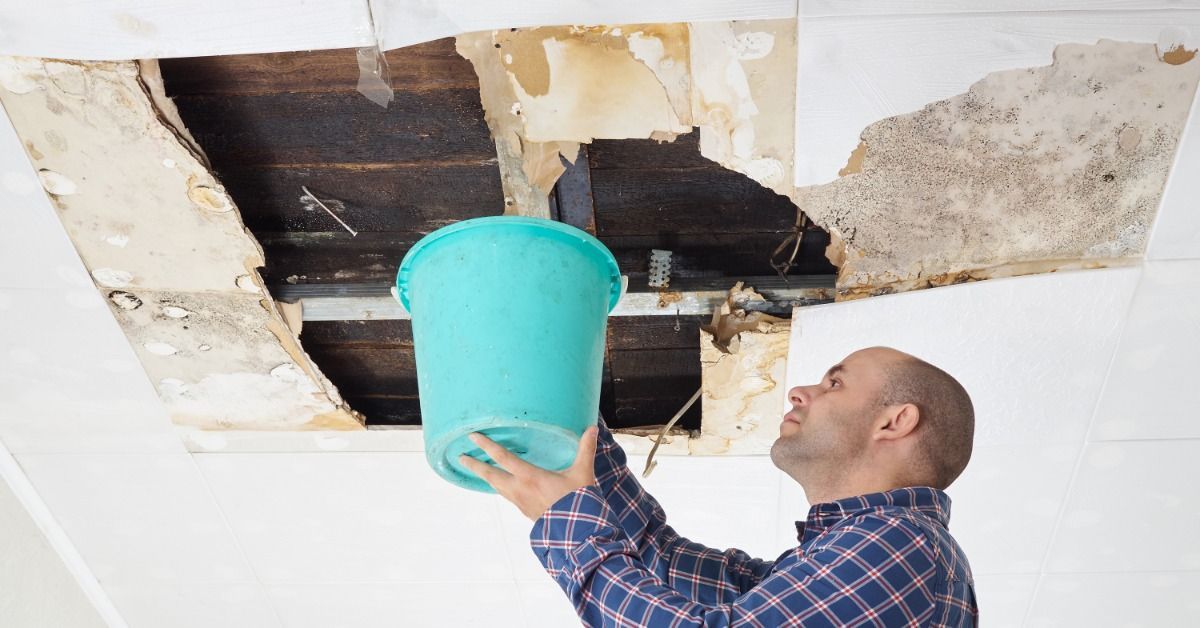
Water intrusion is one of the clearest signs your roof has reached a critical point. Stains on ceilings, peeling paint, or damp attic insulation all indicate that moisture is getting through the roofing system.
A single leak might be repairable, but recurring leaks in different areas suggest widespread failure. At that point, patching one section only delays the inevitable and can increase total costs over time.
Pay attention to subtle warning signs inside your home. A musty smell in the attic or slight discoloration on walls may indicate hidden moisture problems that originate from roof deterioration.
Granules in Gutters and Downspouts
Asphalt shingles shed granules over time, but excessive accumulation in gutters is a red flag. These granules protect shingles from UV rays and add durability. When they wash away in large quantities, shingles weaken rapidly.
You may notice dark, sand-like debris collecting in your gutters after heavy rain. This is often one of the earliest visible indicators that your roof is aging and losing its protective layer. Once granule loss reaches a certain point, shingles cannot effectively shield your home, and replacement becomes necessary to restore full protection.
Sagging Rooflines and Structural Concerns
A sagging roof is never something to ignore. It often points to underlying structural damage caused by prolonged moisture exposure or weakened decking.
From the ground, your roofline should appear straight and even. Any noticeable dips or uneven sections indicate that moisture or structural stress has weakened the internal support system. This type of issue goes beyond surface-level repairs and typically requires a full roof replacement along with structural reinforcement. Addressing sagging early prevents further damage to your home’s framework and reduces safety risks.
Increased Energy Bills Without Explanation
Your roof plays a major role in regulating indoor temperature. When it begins to fail, your home’s insulation and ventilation systems suffer.
If you notice rising energy bills despite consistent usage, your roof could be part of the problem. Worn roofing materials let heat leak out during winter and allow excess heat in during summer, which makes your HVAC system work harder to maintain a consistent indoor temperature. A new roof improves energy efficiency by restoring proper insulation and ventilation, which can help stabilize indoor comfort and reduce long-term utility costs.
Moss, Algae, and Surface Growth
While moss or algae might seem like a cosmetic issue, it can indicate deeper problems. These growths retain moisture against the roof surface, accelerating deterioration.
Moss tends to grow in shaded or damp areas and can lift shingles over time. This creates openings where water can seep in, leading to rot and structural damage. If growth spreads across large areas and continues returning after cleaning, it often means the roof has reached a stage where replacement is more effective than repeated maintenance.
Storm Damage That Compromises Integrity
Severe weather can significantly shorten the lifespan of a roof. High winds, hail, and heavy storms can loosen shingles, cause impact damage, and expose vulnerable areas.
After a major storm, it’s important to assess your roof for visible damage. Even if issues are not immediately obvious, hidden damage can worsen over time.
In many cases, storm-related damage qualifies for insurance coverage, making replacement a practical and cost-effective option. Acting quickly ensures you don’t miss the opportunity to address damage before it leads to more serious problems.
Frequent Repairs That Add Up
If you find yourself calling for roof repairs regularly, it’s time to take a step back and evaluate the bigger picture. Constant fixes often indicate that the roof system is failing rather than experiencing isolated issues.
While repairs may seem more affordable in the short term, they can quickly become more expensive than a full replacement. Investing in a new roof eliminates recurring problems and provides long-term peace of mind. A professional inspection can help determine whether continued repairs are worthwhile or if replacement is the smarter investment.
When Professional Inspection Confirms It
Sometimes, the signs are not obvious to the untrained eye. That’s where a professional roofing inspection becomes essential.
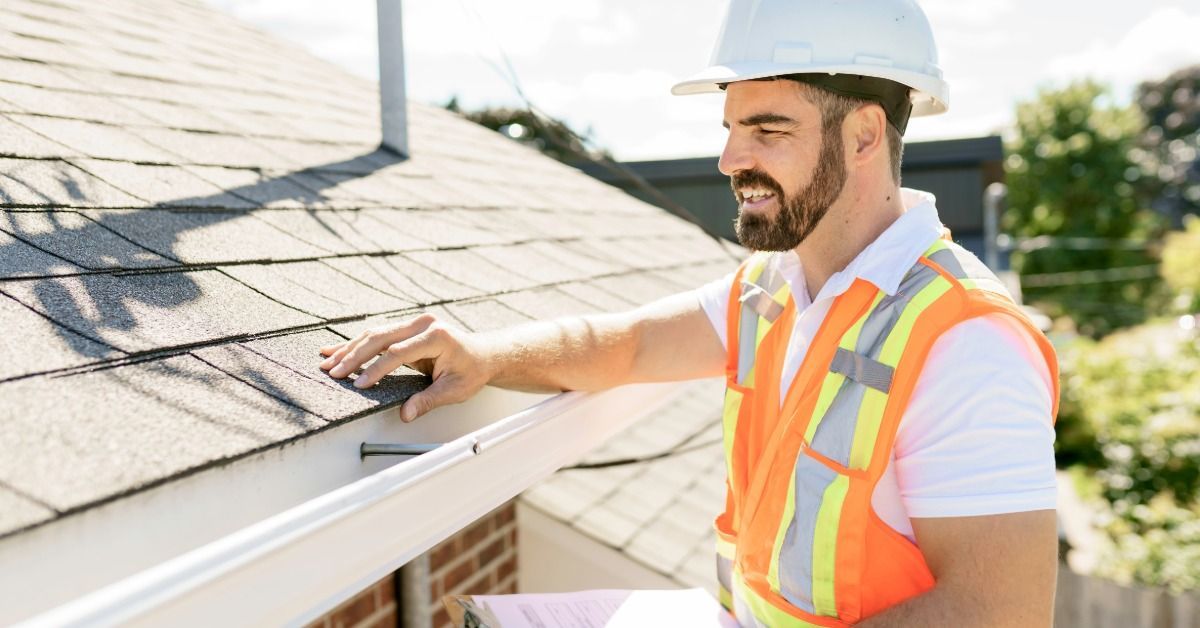
An experienced contractor can assess underlying issues, evaluate material condition, and identify risks that homeowners might overlook. They can also provide honest guidance on whether repairs will extend the roof’s life or if replacement is the more practical solution. Working with a knowledgeable roofing team ensures you make an informed decision based on the actual condition of your roof rather than guesswork.
Trust Experience When It Matters Most
Understanding how to know when your roof needs replacement allows you to take control before small issues turn into major expenses. From aging materials to persistent leaks and structural concerns, the warning signs are there if you know where to look. Acting at the right time protects your home, preserves its value, and prevents unnecessary stress.
Prusak Roofing has built a reputation as a trusted commercial and residential roofing company by delivering dependable results backed by decades of experience. As a third-generation, family-owned contractor serving the greater Chicago area, we focus on quality workmanship, honest assessments, and customer-first service. When it’s time to replace your roof, choose a proven team to get the job done right from start to finish. Contact us today for a free estimate!