Roof Repair vs. Replacement: What Homeowners Should Choose
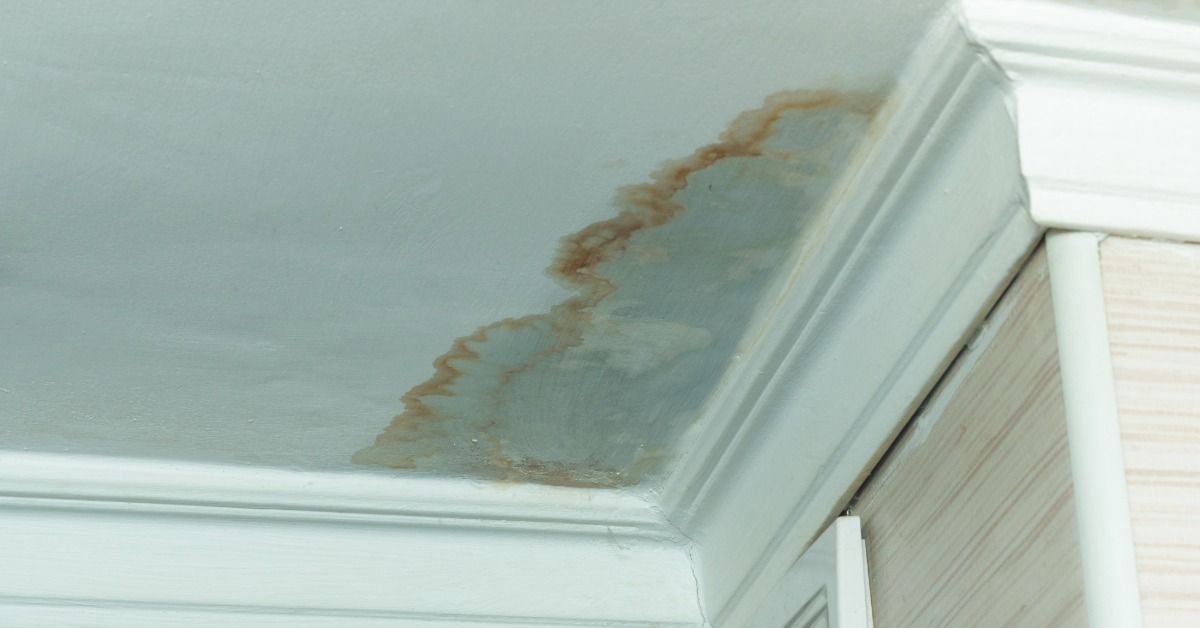
Deciding what to do about a damaged or aging roof can feel overwhelming, especially when the stakes involve protecting your home and investment. Many homeowners struggle to determine whether roof repair vs. replacement is the smarter long-term move, which is why understanding the key differences matters. The right decision always comes down to a careful evaluation rather than a one-size-fits-all answer.
Understanding the Purpose of Roof Repair
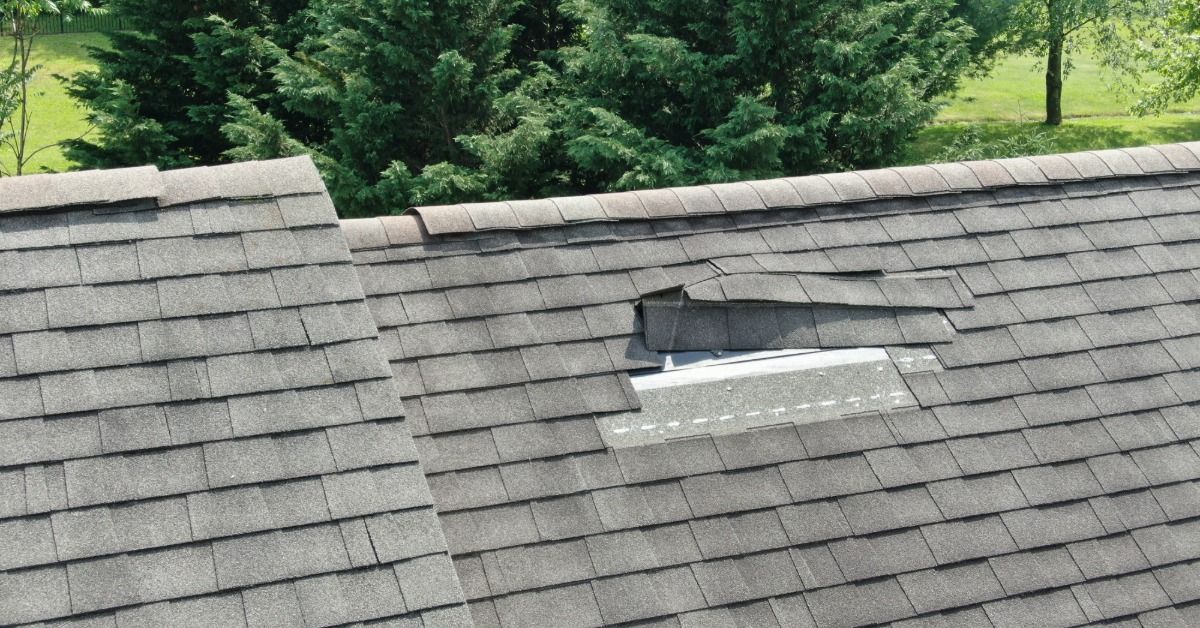
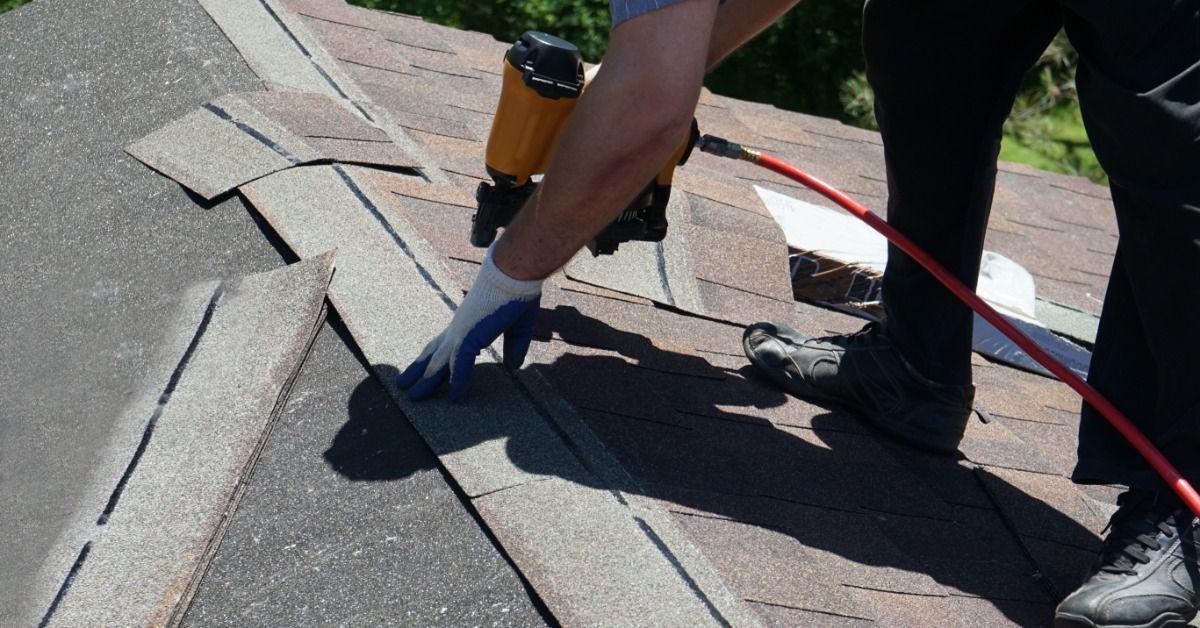
Roof repair focuses on addressing specific issues without replacing the entire system. It works best when the roof remains structurally sound and the damage stays isolated rather than spreading. Homeowners often turn to repairs after storms, minor leaks, or when a few shingles become damaged or dislodged.
A well-executed repair can extend the life of your roof and restore its ability to protect your home. It also offers a faster and more cost-conscious solution compared to replacement. However, repairs only make sense when the underlying structure remains in good condition. If deeper issues exist beneath the surface, repairs may only delay the inevitable.
Another important point to consider is consistency. Matching new materials to older roofing can sometimes create visual differences, especially if the roof has aged or faded over time. While this does not affect performance, it can impact curb appeal depending on the homeowner’s priorities.
When Roof Replacement Becomes the Better Option
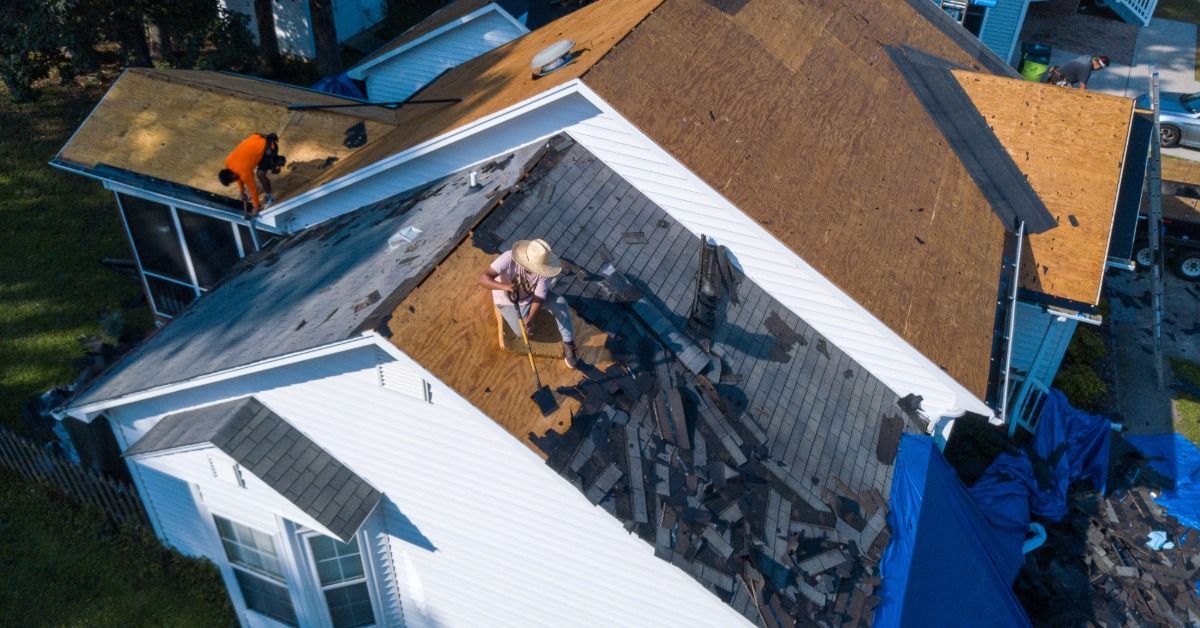
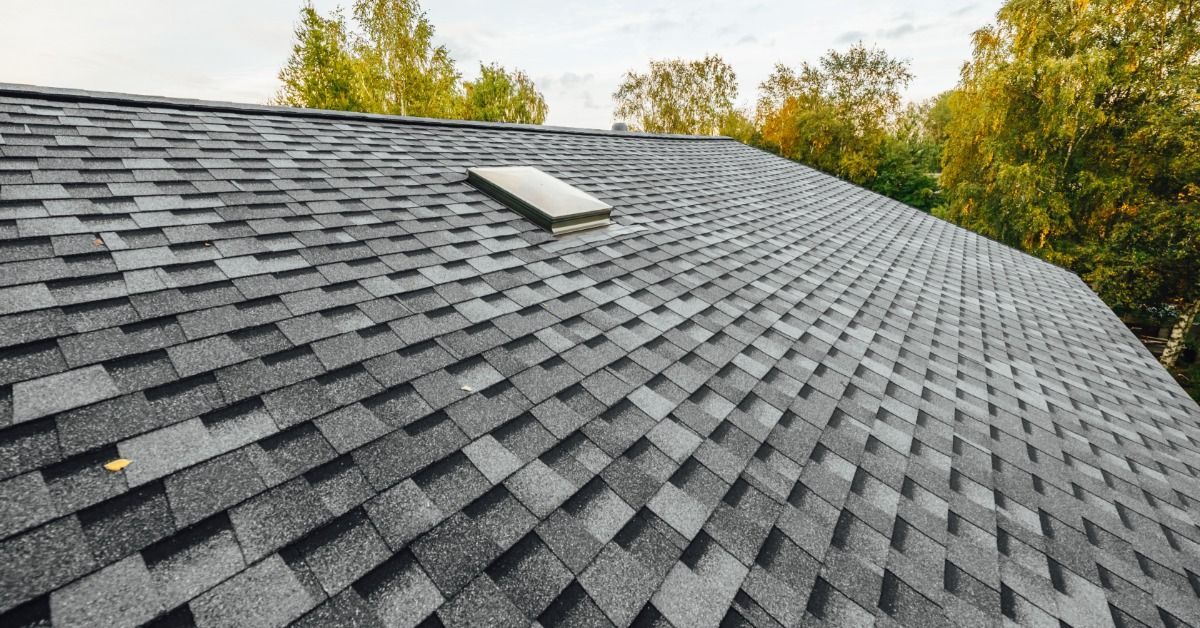
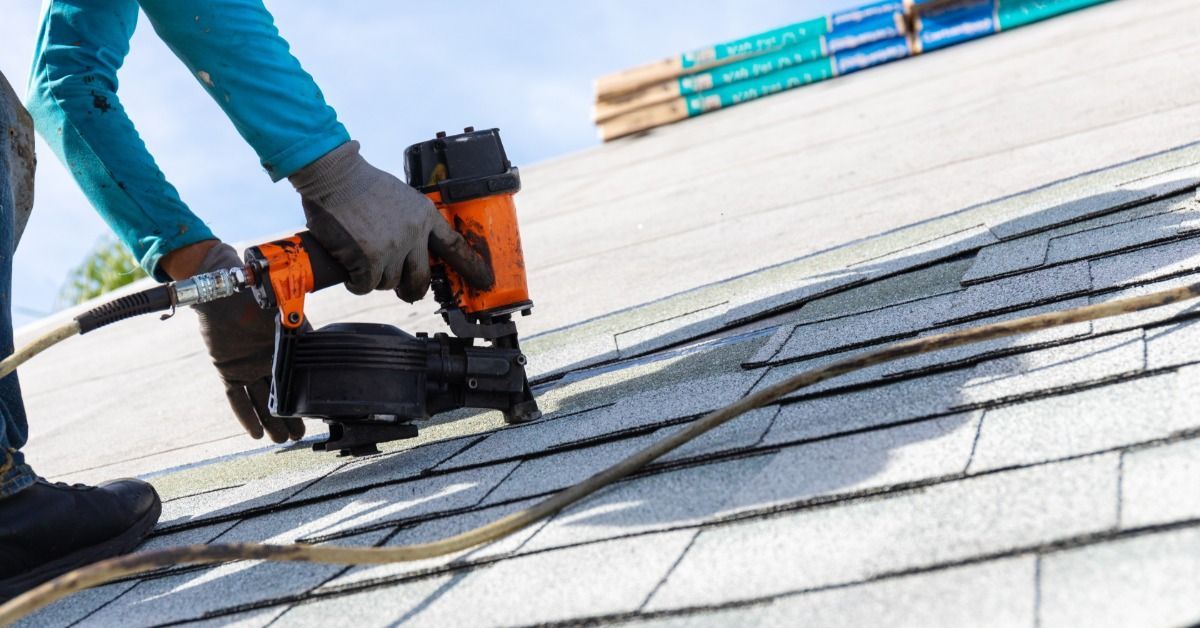
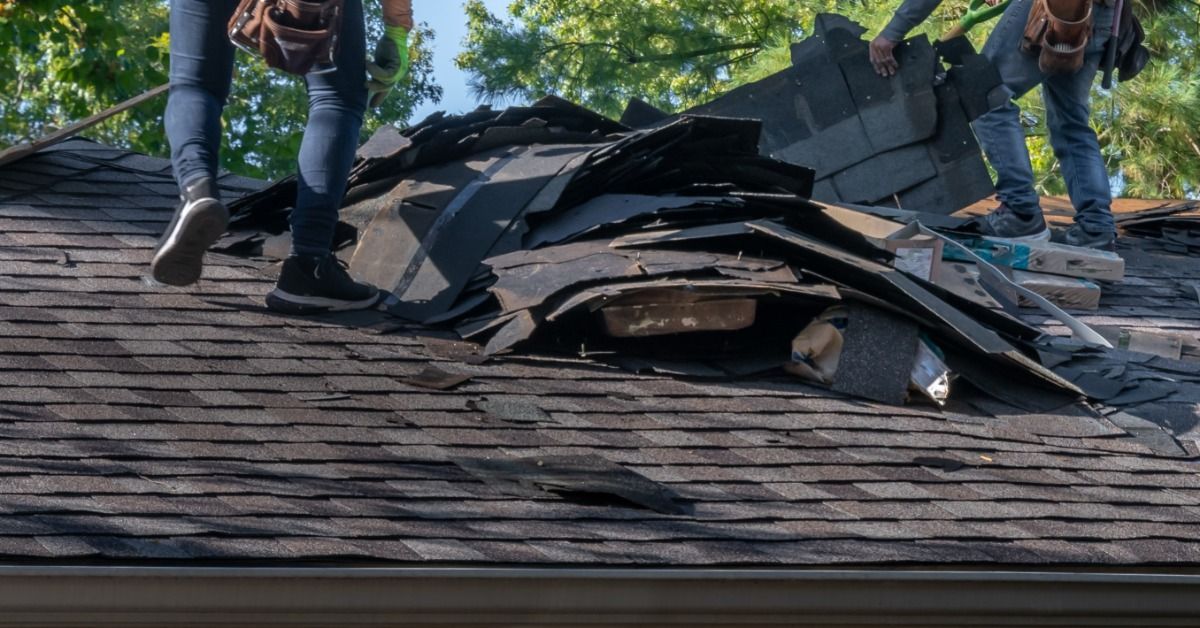
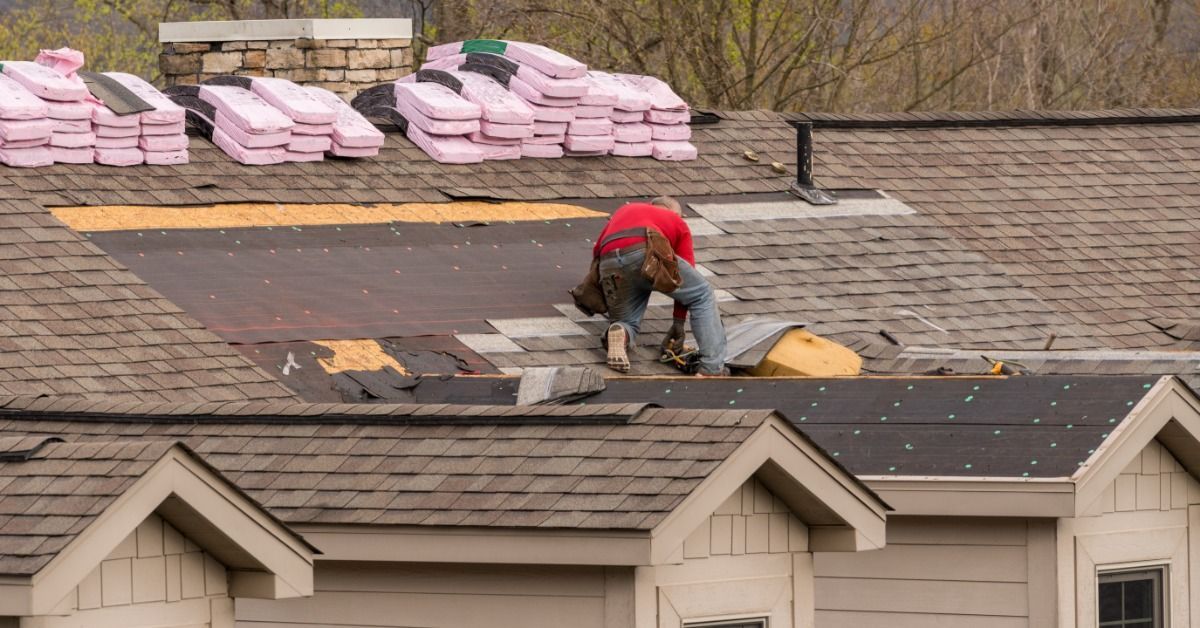
Roof replacement involves removing the existing system and installing a completely new one. This option provides a fresh start and ensures that every component of the roof works together as intended. It is often the better choice when damage extends beyond a small area or when the roof has reached the end of its lifespan.
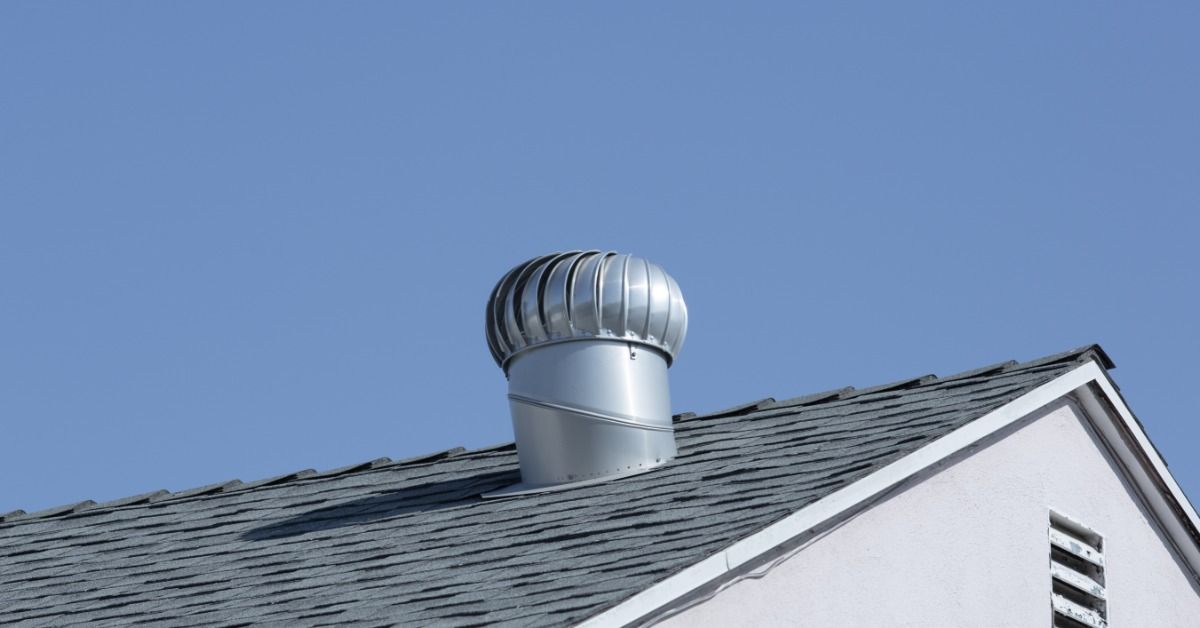
Older roofs tend to develop hidden problems such as weakened decking, poor ventilation, or moisture buildup. These issues may not always be visible from the outside, but they can compromise the entire structure. In these cases, replacing the roof eliminates underlying concerns rather than repeatedly addressing symptoms.
A new roof also improves energy efficiency and enhances the overall appearance of the home. For homeowners planning to stay long-term, replacement offers peace of mind and reduces the likelihood of ongoing maintenance issues.
Key Factors That Influence the Decision
Age of the Roof
The age of your roof plays a major role in determining whether repair or replacement makes sense. A relatively new roof with minor damage usually qualifies for repair. On the other hand, an older roof that has already experienced wear may not benefit much from patchwork solutions.
Even if repairs seem effective in the short term, older roofs often develop additional issues shortly after. In those cases, investing in a replacement can prevent repeated expenses and frustration.
Extent of Damage
The scope of the problem also guides the decision. Roofers can successfully repair small, localized damage such as a single leak or missing shingles. Widespread damage, especially after severe weather, may indicate a compromised roof system.
When multiple areas show signs of failure, repairs become less reliable. At that point, replacing the roof addresses all damaged sections at once instead of relying on temporary fixes.
Long-Term Cost Considerations
While repairs usually cost less upfront, they can add up over time if problems continue to occur. Homeowners should think beyond immediate expenses and consider how often they might need repairs in the future.
Replacement requires a larger initial investment, but it often delivers better long-term value. A new roof reduces maintenance needs and provides consistent performance for years to come.
Plans for the Home
Your long-term plans also matter. If you intend to sell your home soon, a replacement can increase appeal and attract buyers. A newer roof signals a well-maintained property and reduces concerns during inspections.
If you plan to stay in your home for many years, replacement offers lasting protection and eliminates uncertainty. Repairs may still be appropriate if the roof remains in good condition and you are managing a short-term issue.
Signs That Point Toward Repair
Certain situations clearly indicate that repair is a practical solution. Minor leaks that have not spread, limited shingle damage, and issues caused by isolated weather events often fall into this category.
If the rest of the roof shows no signs of aging or deterioration, targeted repairs can restore performance effectively. Homeowners should act quickly in these cases, since delaying repairs can allow small problems to grow into larger ones.
Regular inspections also help identify these issues early. Catching damage before it spreads keeps repair options on the table and prevents unnecessary replacement.
Signs That Indicate Replacement
There are also clear warning signs that suggest replacement is the smarter choice. Persistent leaks, widespread shingle deterioration, and visible sagging all point to deeper structural concerns.
Another common indicator is repeated repair history. If you find yourself calling for repairs frequently, it often means the roof has reached a point where fixes no longer provide lasting results.
Inconsistent appearance across the roof can also signal aging materials. When large sections begin to look worn or uneven, replacing the entire system ensures uniform performance and appearance.
The Role of Professional Inspection
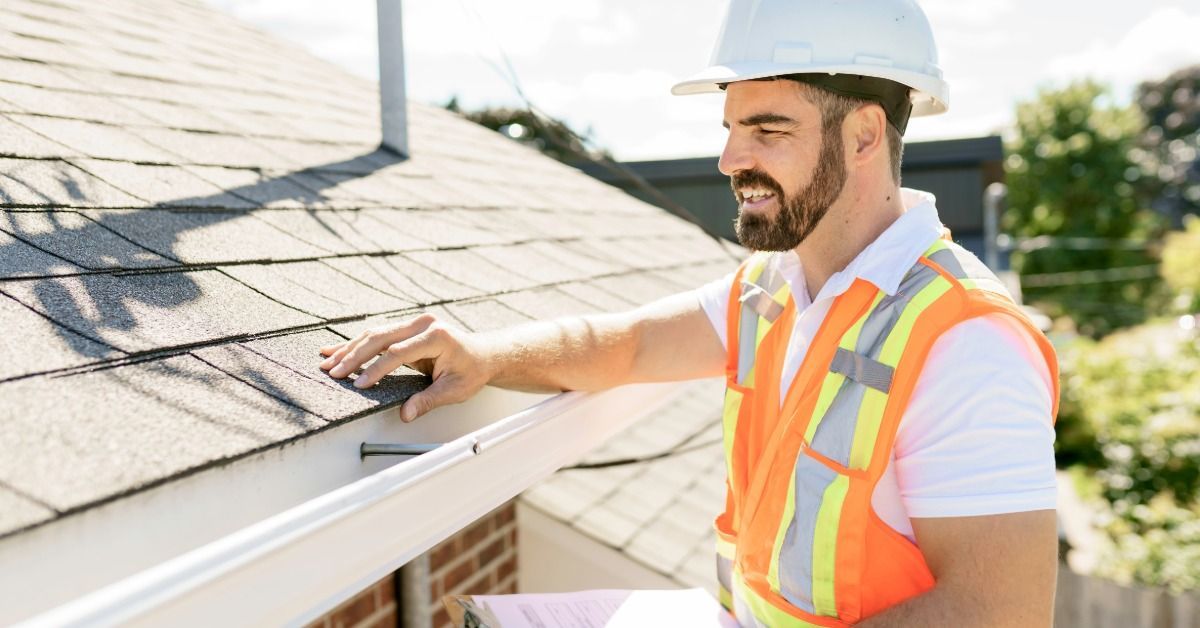
A professional inspection remains one of the most important steps in making the right decision. Roofing experts understand how to evaluate both visible and hidden damage, providing a complete picture of the roof’s condition.
During an inspection, contractors assess structural integrity, ventilation, and material wear. This comprehensive approach ensures that homeowners receive accurate recommendations based on facts rather than guesswork.
Working with an experienced company also helps avoid unnecessary expenses. A trustworthy contractor will recommend repair when appropriate and replacement only when truly needed.
Making the Right Roofing Decision With Confidence
Deciding between roof repair vs. replacement requires looking beyond surface-level damage and considering the full picture of your roof’s condition. Each home presents a unique situation, and the right solution depends on factors such as age, extent of damage, and long-term plans. While repairs can address minor issues and extend the life of a roof, replacement offers a more permanent solution when problems become widespread or recurring.
Prusak Roofing brings decades of hands-on experience helping homeowners throughout the greater Chicago area make informed roofing decisions. Our team specializes in residential roof replacement, completing every project with precision, durability, and attention to detail. When your roof reaches the point where replacement is the best path forward, working with a trusted, family-owned company ensures your home stays protected for years to come. Request a free quote today!