8 Common Roofing Problems Homeowners Face
Homeowners often overlook roof issues until water stains, missing shingles, or sudden leaks appear inside the house. The longer these concerns remain untreated, the more expensive the repairs can become. Understanding the common roofing problems homeowners face can help protect your home, preserve property value, and prevent structural damage from spreading.
Roof Leaks That Spread Quickly
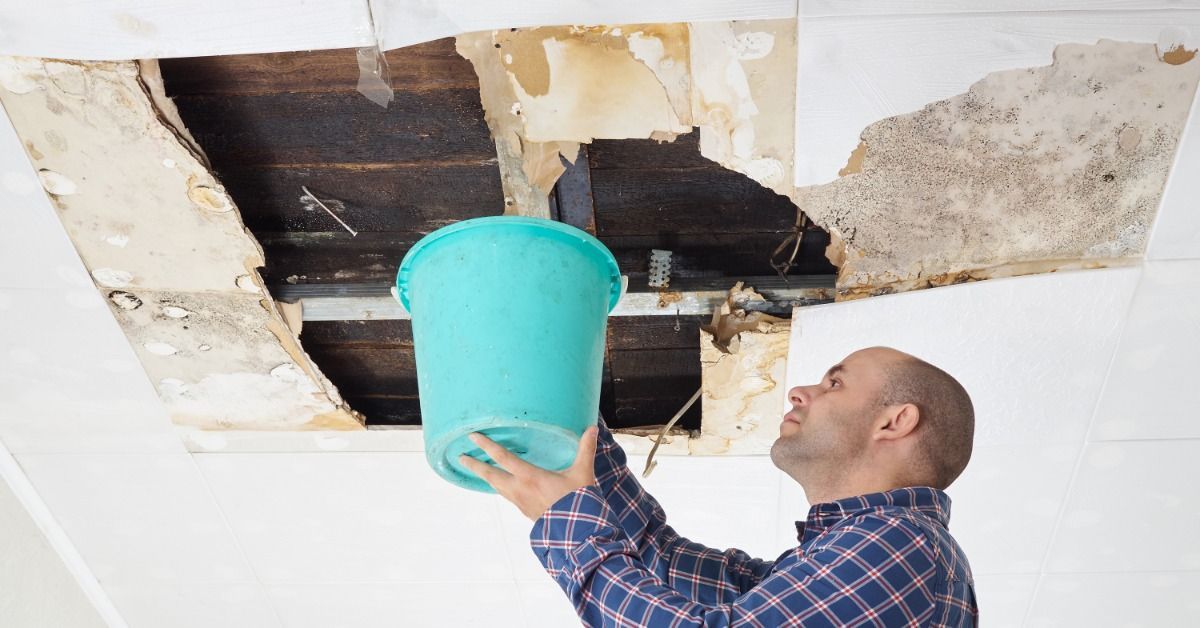
Roof leaks remain one of the most frustrating problems homeowners encounter because water can travel far from the original entry point. A small opening near damaged flashing or worn shingles may allow moisture to move through the attic before appearing on ceilings or walls. By the time visible damage appears indoors, moisture may have already damaged insulation, wood decking, and drywall.
Leaks often develop around chimneys, skylights, roof vents, and valleys where water naturally flows during storms. Aging materials can weaken over time, especially after repeated exposure to freezing temperatures and summer heat. In some cases, clogged gutters force water backward beneath shingles, which creates hidden moisture damage along roof edges.
Homeowners should pay close attention to musty smells, peeling paint, or dark spots near ceilings because these signs may point to a developing leak. Prompt roof repair can stop water intrusion before it creates mold growth or structural concerns inside the home.
Missing or Damaged Shingles
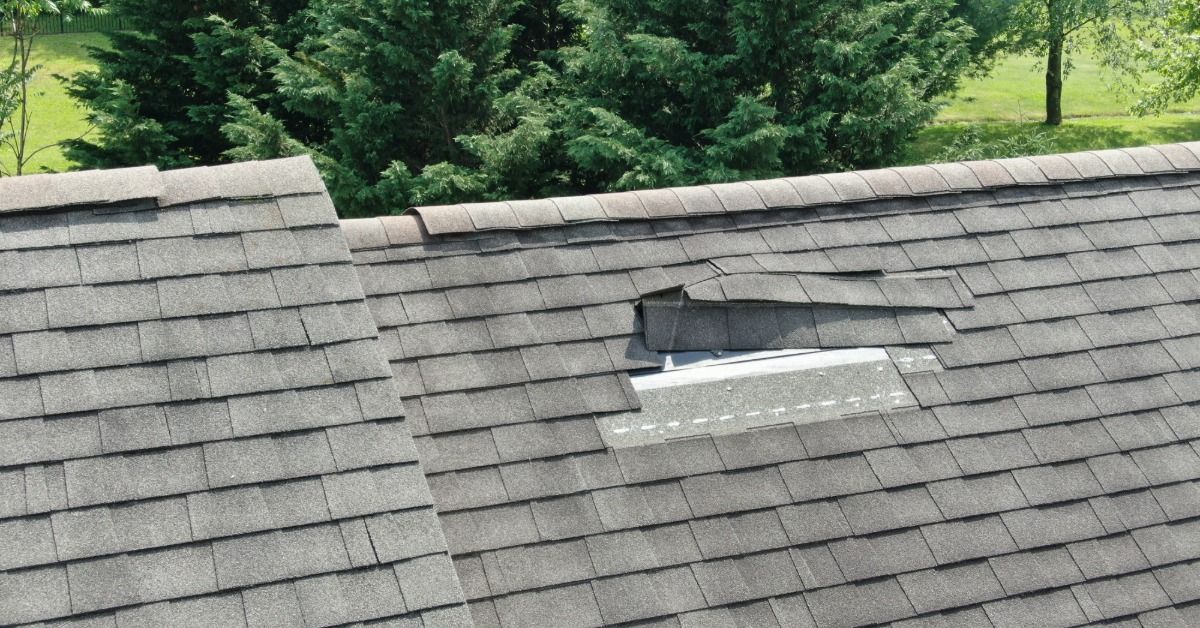
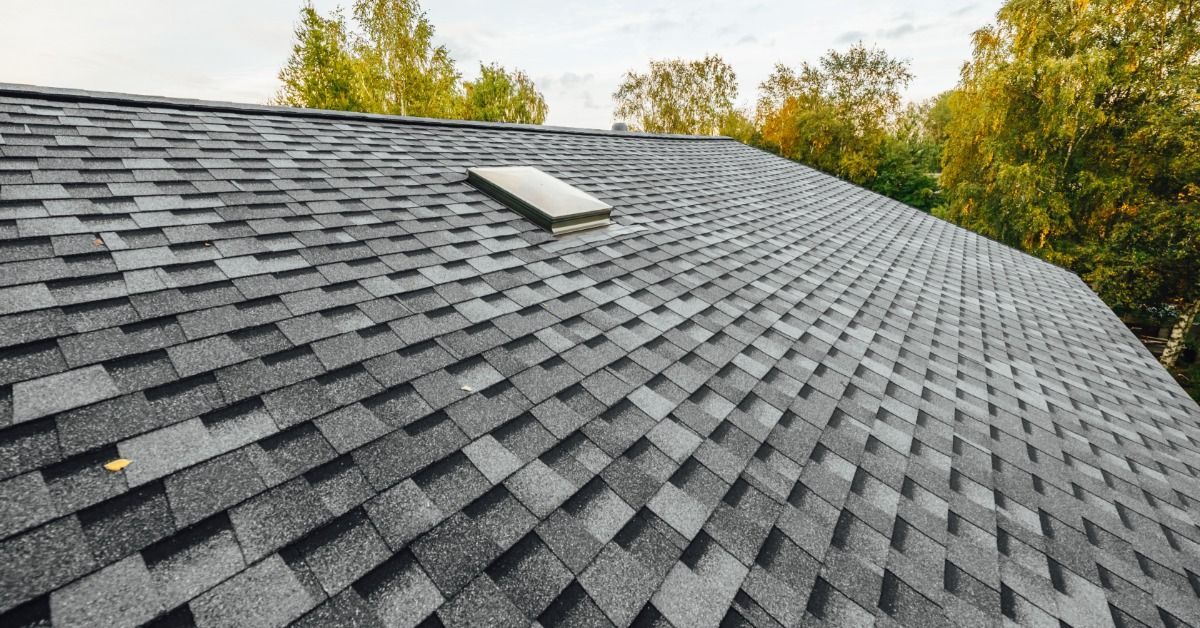
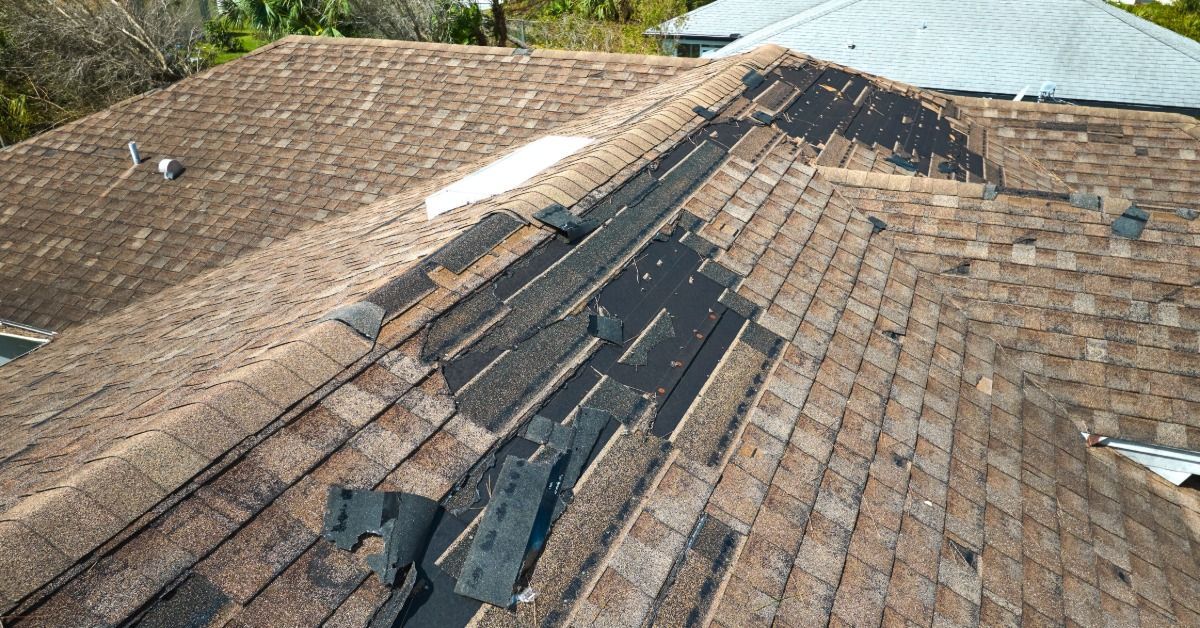
Shingles protect the roof from moisture, wind, and direct sunlight, so homeowners should never ignore damage. High winds frequently loosen shingles during storms, especially on older roofs that have already experienced years of weather exposure. Once shingles crack, curl, or detach completely, the underlying roofing system becomes vulnerable.
Damaged shingles may appear discolored, warped, or uneven from the ground. Granule loss is another warning sign because asphalt shingles rely on protective granules to resist sunlight and moisture. Homeowners may notice these granules collecting inside gutters after heavy rain.
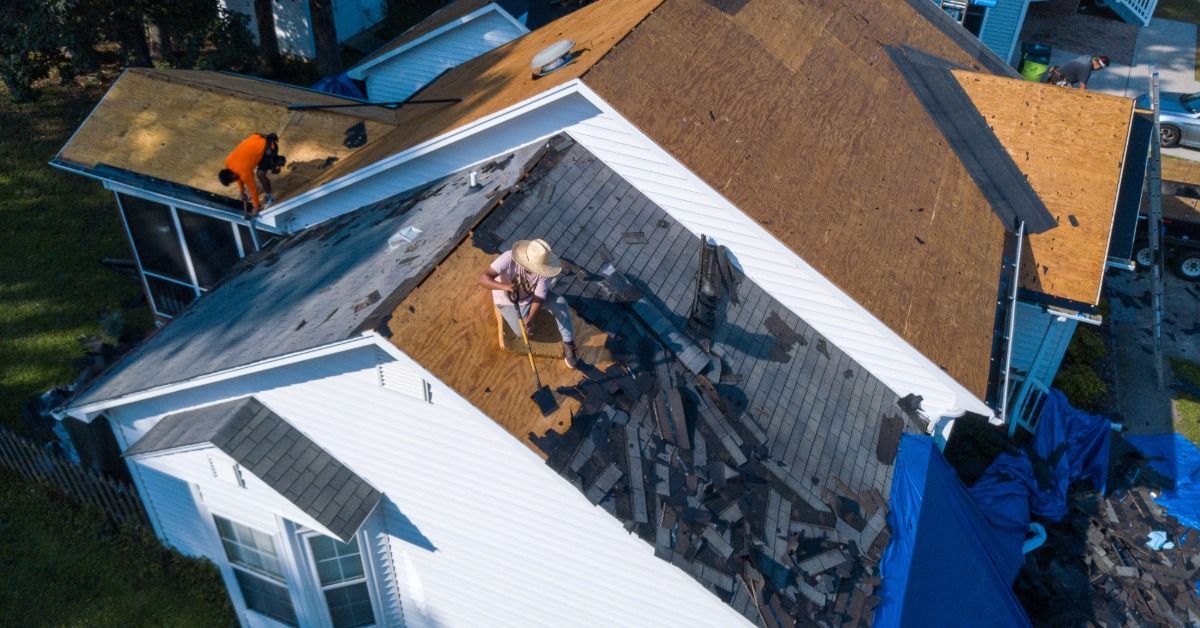
When shingles deteriorate, the roof loses its ability to shed water properly. This often leads to leaks, wood rot, and interior damage that become more difficult to repair over time. Replacing damaged sections quickly can extend the life of the roof and help homeowners avoid larger restoration projects.
Flashing Failures Around Roof Openings
Flashing plays a major role in preventing water from entering vulnerable areas of the roof. Metal flashing surrounds roof penetrations such as chimneys, vents, skylights, and wall intersections. When flashing loosens, rusts, or separates from the roofing materials, water can slip underneath and create serious damage.
Older flashing materials often weaken due to constant expansion and contraction caused by changing temperatures. Improper installation can also create gaps that allow moisture into the roofing system. During severe storms, strong winds may lift flashing sections or pull fasteners loose.
Many homeowners assume shingles are always responsible for leaks, yet flashing failures are a common source of recurring water intrusion. Professional inspections can identify weak areas before moisture reaches attic spaces or interior walls.
Poor Attic Ventilation
Roof performance depends heavily on attic ventilation, although many homeowners never think about airflow until problems develop. A poorly ventilated attic traps heat and moisture inside the home, which can shorten the lifespan of roofing materials and increase energy costs.
Hot attic temperatures during the summer can wear down shingles sooner and reduce the roof’s overall lifespan. In winter, trapped moisture may lead to condensation, mold growth, and wood rot beneath the roof deck. Poor ventilation can also contribute to ice dams when warm attic air melts snow unevenly across the roof surface.
Signs of ventilation issues include unusually high utility bills, excessive attic humidity, or uneven temperatures throughout the home. Roofing professionals often inspect intake and exhaust ventilation systems to determine whether airflow supports the roof properly.
Ice Dams During Winter Weather
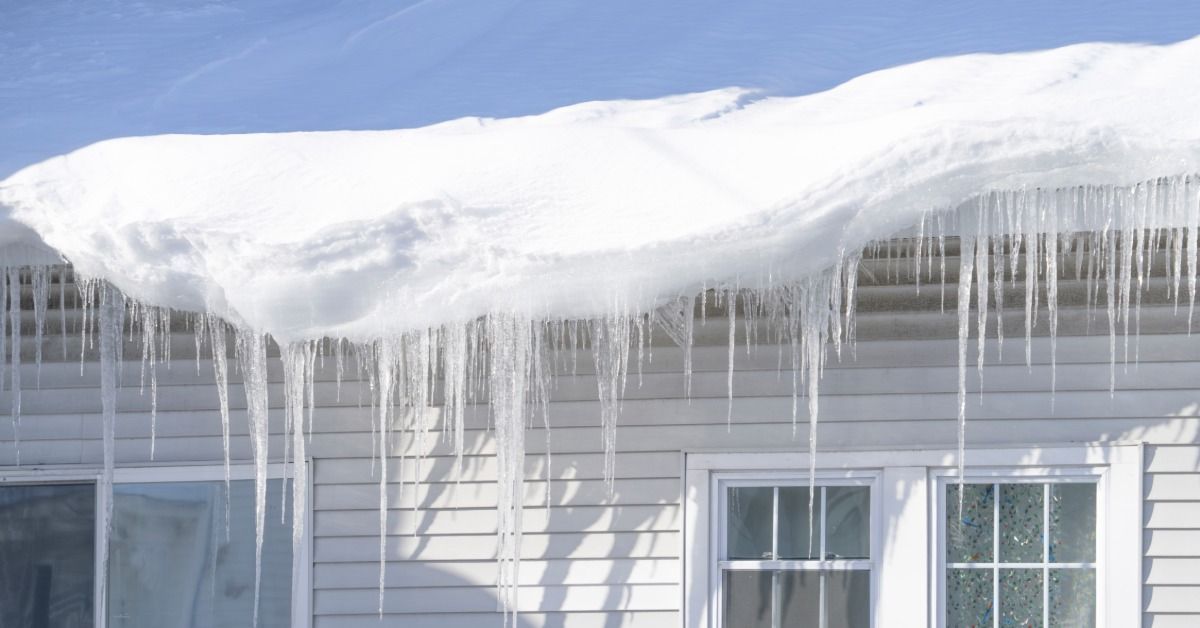
Ice dams frequently affect homes in colder climates where snow accumulation remains on the roof for extended periods. These thick ridges of ice usually form along roof edges when heat escapes from the attic and melts snow above. As melted water reaches colder edges, it refreezes and creates a barrier that traps additional water.
Once water becomes trapped behind the ice dam, it may seep beneath shingles and leak into the home. This process can damage ceilings, insulation, and exterior walls. Repeated freeze-thaw cycles place even more stress on roofing materials.
Proper attic insulation and ventilation help reduce the risk of ice dams by maintaining more consistent roof temperatures. Homeowners should also remove heavy snow buildup carefully after major winter storms to minimize excess strain on the roof.
Clogged Gutters and Drainage Problems
Gutters play an important role in protecting the roof and foundation by directing water away from the home. When gutters become clogged with leaves, branches, and debris, rainwater cannot drain properly. Overflowing water may collect beneath shingles, soak fascia boards, or pool near the foundation.
Standing water along roof edges often leads to wood rot and mold growth over time. In colder weather, clogged gutters can freeze and create heavy ice buildup that damages gutter systems and roof edges. Sagging gutters may also pull away from the home if debris becomes too heavy.
Routine gutter cleaning helps maintain proper drainage throughout the year. Homeowners should inspect downspouts regularly to confirm water flows away from the home instead of collecting near the foundation.
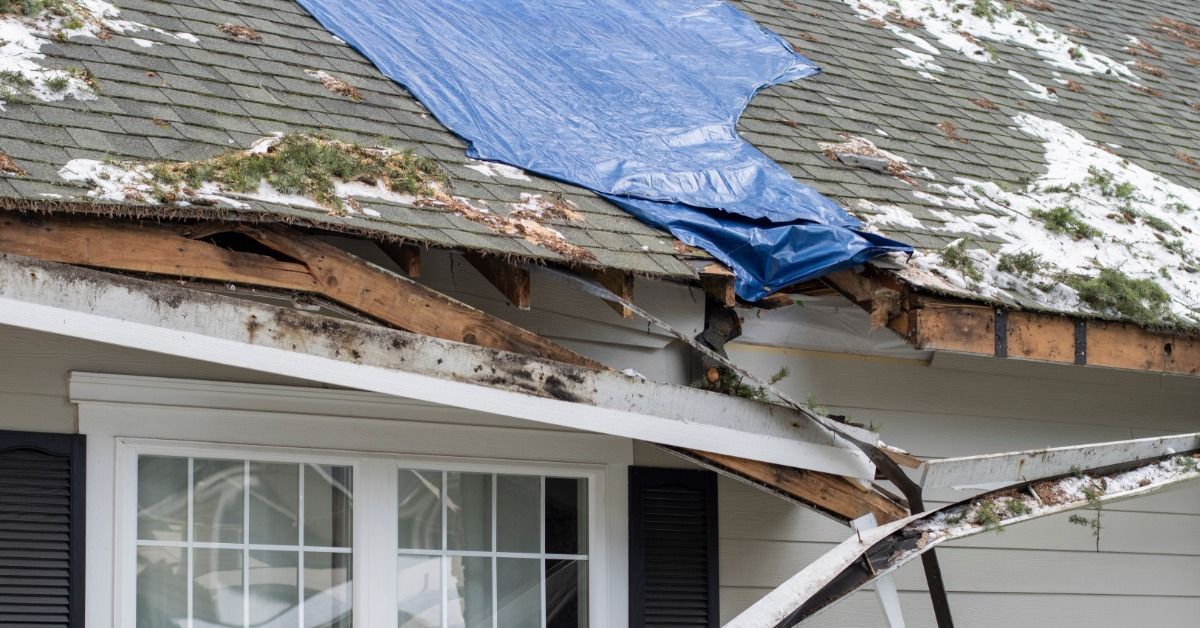
Storm Damage That Requires Immediate Attention
Strong storms can create sudden roofing damage that homeowners may not notice right away. High winds can lift shingles, hail can weaken roofing materials, and fallen branches may puncture sections of the roof. Even minor storm damage can lead to long-term moisture problems if homeowners delay repairs.
After severe weather passes, homeowners should inspect the property carefully for signs of damage. Loose materials, dented flashing, and debris accumulation may indicate the roof experienced impact during the storm. Water stains that appear days later often signal hidden roof damage that requires professional inspection.
Storm-related roofing issues sometimes worsen gradually, especially when moisture enters small openings that remain undetected. Early repairs help prevent larger structural problems while protecting the home from future weather exposure.
Aging Roof Materials
Every roof eventually reaches the end of its service life. Over time, constant exposure to sunlight, rain, snow, and temperature changes causes roofing materials to weaken naturally. Older roofs often experience recurring leaks, cracked shingles, and reduced weather resistance.
Homeowners with aging roofs may notice recurring repair needs appearing more frequently. Sagging sections, discoloration, or visible wear near roof valleys often indicate that the roofing system no longer performs effectively. Waiting too long to address aging materials can increase the risk of interior water damage.
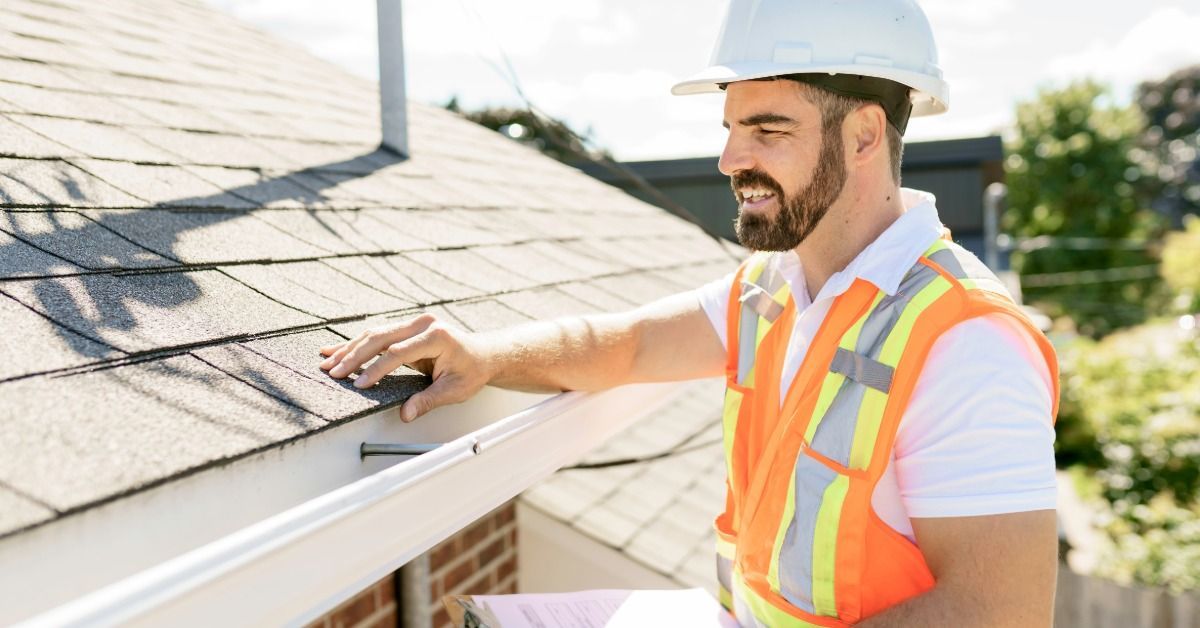
Regular inspections become especially important as roofs age because small concerns can escalate quickly. Professional roofing contractors can determine whether repairs remain practical or if replacement provides a better long-term solution.
Protect Your Home With Prompt Roof Repairs
Protecting your home starts with recognizing the common roofing problems homeowners face before they become major structural concerns. Roof leaks, damaged shingles, poor ventilation, and storm-related damage can all lead to costly repairs when left untreated.
Prusak Roofing provides residential roof repair services throughout the greater Chicago area, helping homeowners address roofing issues quickly with dependable workmanship and experienced service. With more than 60 years of experience serving local communities, our team understands how to protect homes from changing weather conditions while keeping roofing systems strong and reliable. Contact us today to learn more.