What Is EPDM Roofing and Why Businesses Use It
Commercial buildings need roofing systems that can handle changing weather, daily wear, and long-term exposure without frequent repairs. Many business owners choose flat roofing systems because they work well on larger structures and allow easier maintenance access. One of the most common materials used on these roofs is EPDM roofing. Understanding what EPDM roofing is and why businesses use it helps property owners make informed decisions when planning a commercial roof installation or replacement.
Understanding EPDM Roofing
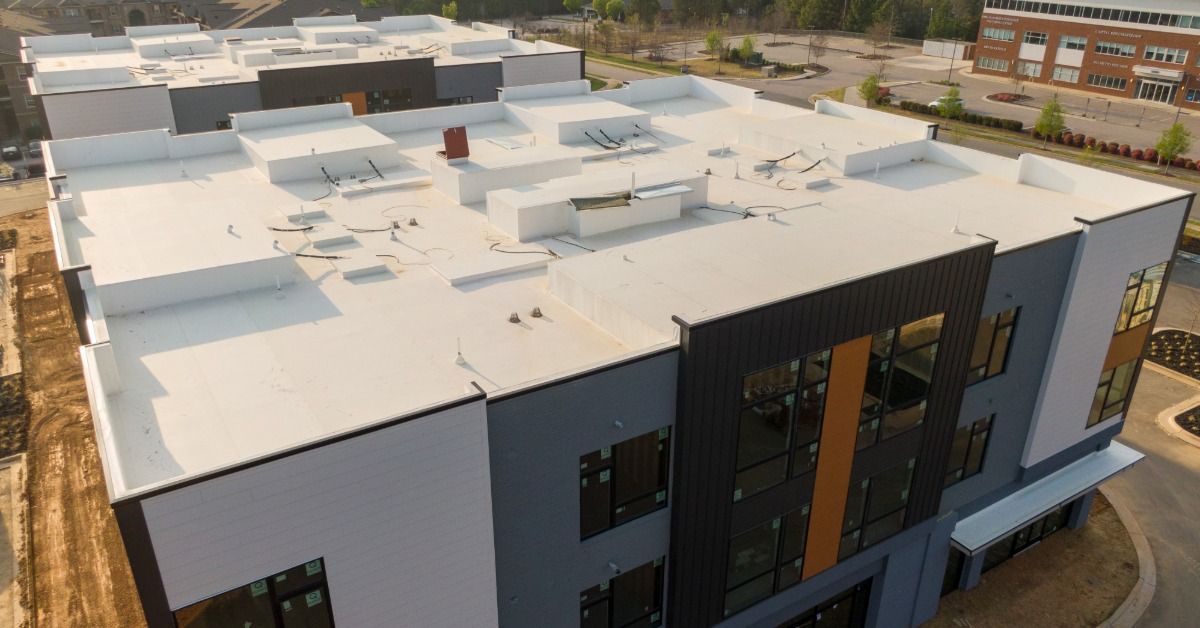
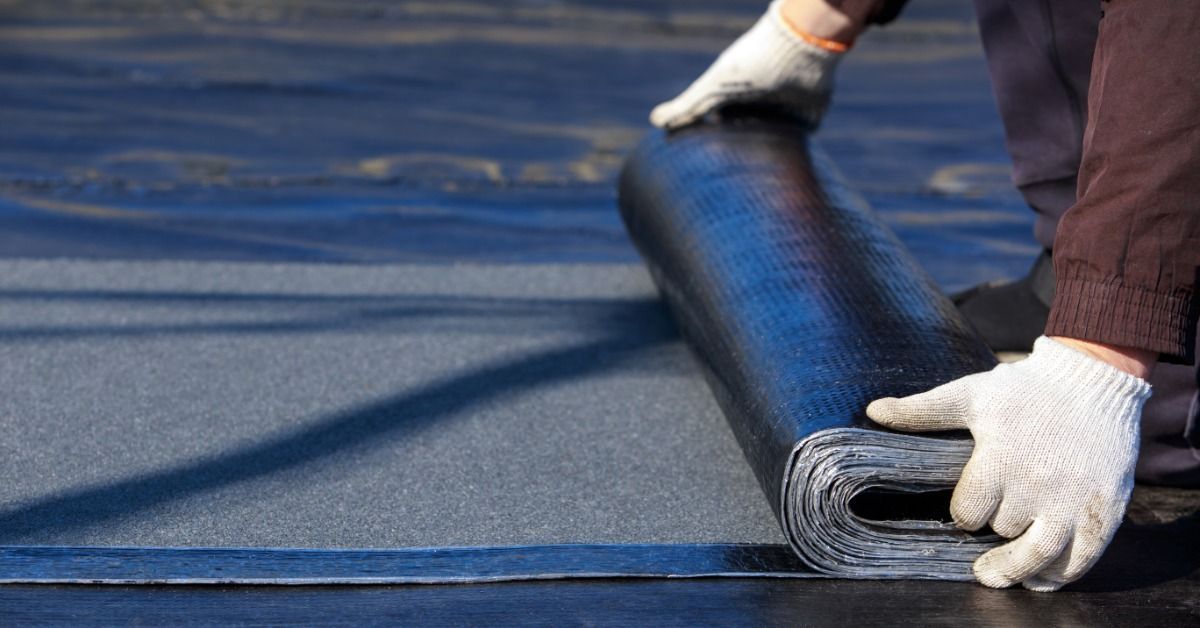
EPDM stands for ethylene propylene diene monomer, which is a rubber-based membrane system commonly installed on commercial flat roofs. Contractors install EPDM in large sheets that help reduce the number of seams across the roof surface. Fewer seams lower the risk of leaks and moisture problems over time.
Most EPDM roofing systems come in black or white membrane options. Black EPDM absorbs heat, which can help during colder months. White EPDM reflects sunlight and may help reduce indoor heat buildup during summer. Business owners often choose the membrane color based on the building’s insulation needs and energy goals.
EPDM has remained popular for decades because it performs reliably in many climates. Property managers value its durability and relatively simple maintenance requirements. When installed properly, EPDM roofing can provide long-lasting protection for commercial buildings.
Why Commercial Buildings Use Flat Roofing
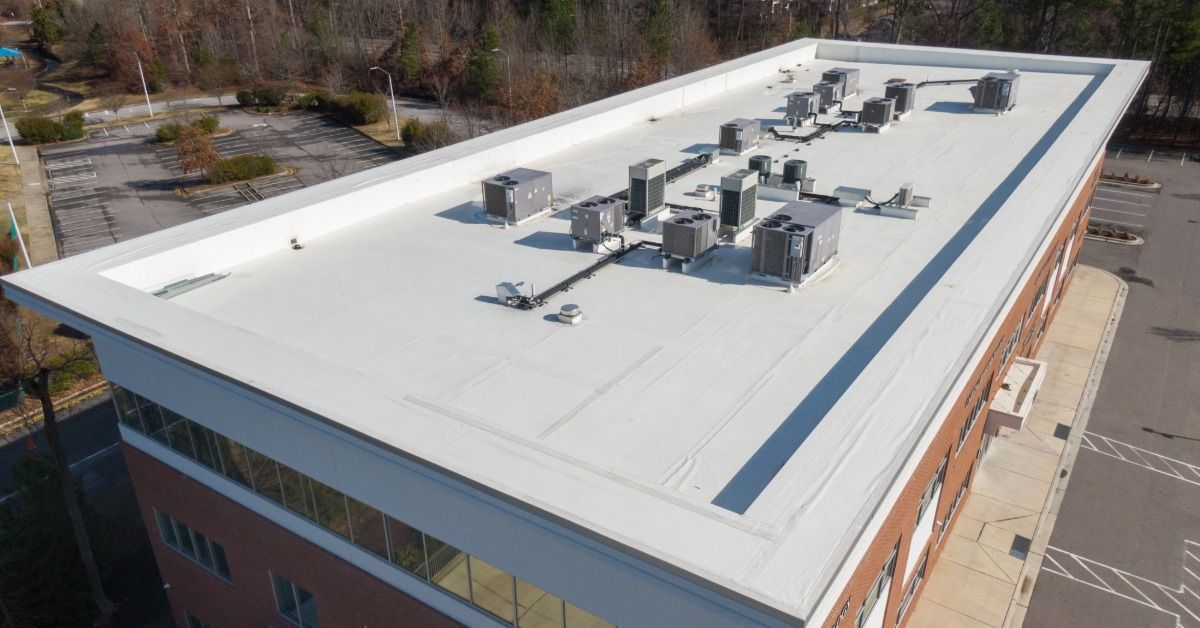
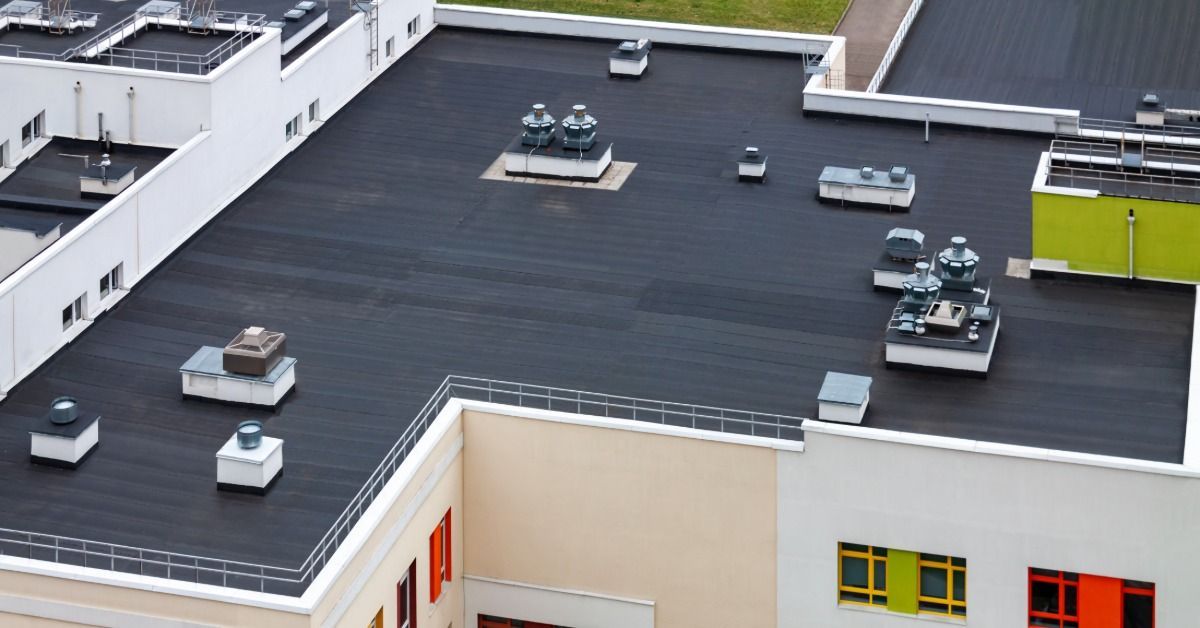
Many commercial properties use flat or low-slope roofing because the design works efficiently for large buildings. Warehouses, office buildings, retail stores, and industrial facilities often benefit from flat roof systems. These roofs also make it easier to install HVAC equipment and ventilation systems.
Flat roofing systems require materials that can resist standing water and changing temperatures. EPDM roofing works well in these conditions because the rubber membrane remains flexible throughout the year. This flexibility helps the roofing material expand and contract without cracking during seasonal temperature changes.
Business owners also appreciate easier roof access for inspections and maintenance. Roofing contractors can move across flat roof surfaces more safely than steep residential roofs. This helps make repairs and inspections more manageable.
EPDM Roofing Handles Harsh Weather
Commercial roofs in the Chicago area face heavy rain, snow, ice, wind, and summer heat throughout the year. Roofing systems must hold up under these changing conditions without failing prematurely. EPDM roofing performs well because it resists moisture and remains flexible in colder temperatures.
Water resistance plays a major role in commercial roofing performance. Flat roofs drain more slowly than sloped residential roofs, so strong waterproofing protection is essential. EPDM membranes create a durable barrier that helps prevent leaks and water damage.
The material also handles ultraviolet exposure effectively. Constant sunlight can weaken some roofing products over time, but EPDM remains durable under long-term sun exposure. This helps extend the life of the roof and reduce early deterioration.
Storm resistance also matters for commercial buildings with large roof surfaces. Properly installed EPDM roofing systems can withstand severe weather conditions while continuing to protect the building underneath.
Energy Efficiency Benefits
Business owners often look for ways to improve energy efficiency and manage operating costs. Roofing materials affect indoor temperatures and can influence heating and cooling performance throughout the year. EPDM roofing can support energy efficiency when combined with proper insulation.
White EPDM membranes reflect sunlight away from the roof surface. This reflective quality may help reduce heat buildup inside the building during warmer months. Lower indoor temperatures can reduce strain on HVAC systems.
Black EPDM membranes offer different advantages during colder weather. Dark surfaces absorb heat from sunlight, which may help buildings retain warmth during winter. Contractors often recommend membrane colors based on local climate conditions and building performance goals.
Insulation beneath the membrane also affects overall efficiency. A properly installed commercial roofing system helps maintain stable indoor temperatures while reducing unnecessary energy loss.
Low Maintenance Requirements
Commercial property owners usually prefer roofing systems that do not require constant upkeep. Frequent repairs can interrupt operations and increase long-term expenses. EPDM roofing remains popular because it generally requires less maintenance than many other commercial roofing systems.
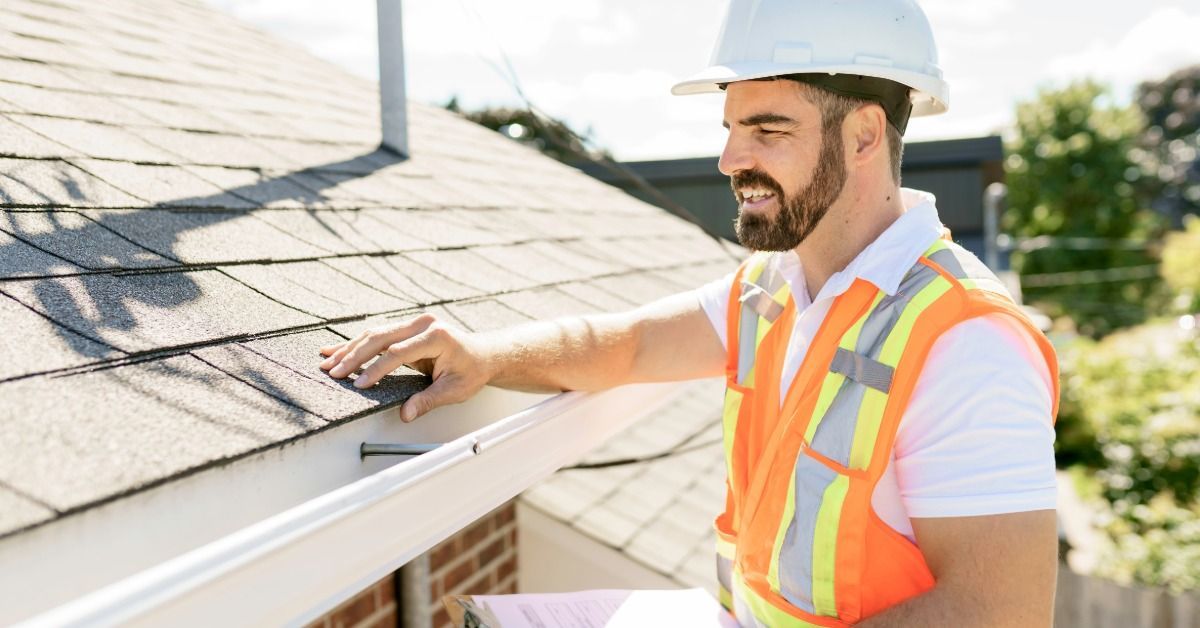
Routine roof inspections help identify small concerns before they become major problems. Contractors typically inspect seams, flashing, drainage areas, and rooftop equipment connections during maintenance visits. Addressing minor issues early can help extend the roof’s lifespan.
Roof drainage also plays an important role in maintenance. Debris such as leaves and dirt can block drains and create standing water on flat roofs. Regular cleaning helps water move off the roof properly and supports long-term performance.
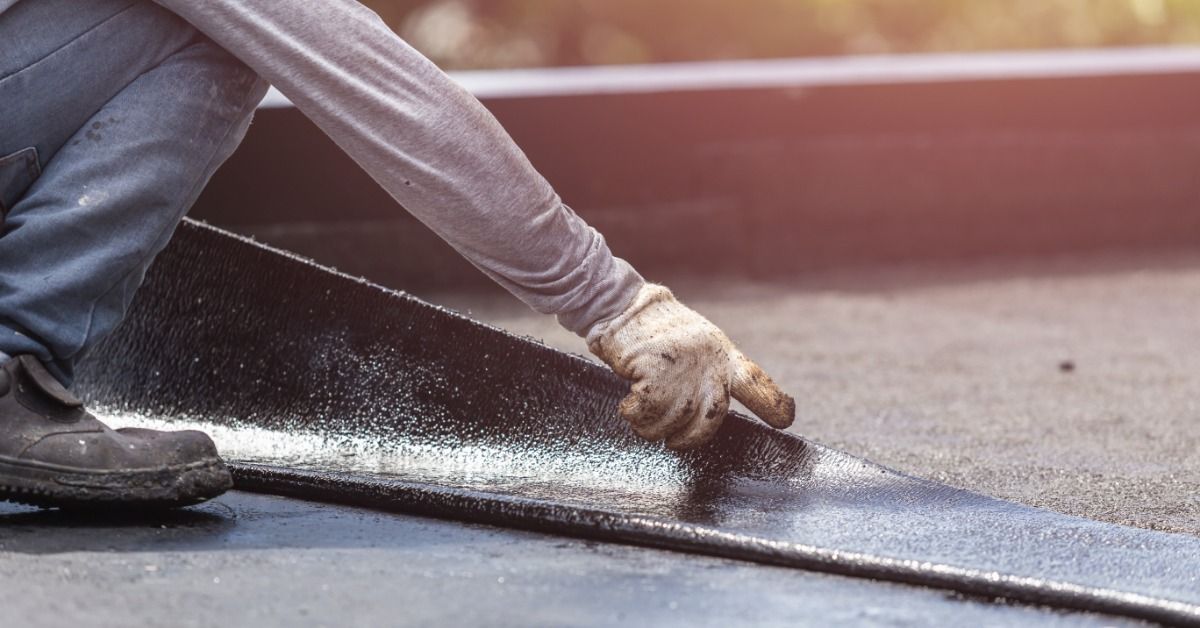
Repairs are often straightforward when damage occurs. Contractors can patch certain sections of EPDM roofing without replacing large areas of the roof. This helps business owners control repair costs more effectively.
Long-Term Value for Businesses
Commercial roof replacements represent a major investment, so durability matters to property owners. Many businesses choose EPDM roofing because it provides dependable long-term value. When installed and maintained correctly, EPDM roofing can last for many years.
Lower maintenance demands also help reduce ownership costs over time. Businesses benefit from roofing systems that require fewer emergency repairs and less unexpected downtime. Reliable roofing performance allows property owners to focus more on daily operations.
EPDM roofing also works well across many building types and roof layouts. Contractors can install the material on office buildings, warehouses, retail centers, and industrial properties. This flexibility makes EPDM one of the most widely used flat roofing systems in commercial construction.
Why Professional Installation Matters
Even high-quality roofing materials depend on proper installation. Commercial roofing systems require careful preparation and experienced workmanship to perform correctly. Poor installation can shorten the roof’s lifespan and increase the risk of leaks.
Experienced roofing contractors evaluate drainage, insulation, flashing details, and rooftop equipment before installation begins. Proper seam sealing and membrane attachment play major roles in long-term roof performance.
Commercial roofing projects also require careful planning to minimize disruptions to business operations. Skilled contractors understand how to complete projects safely while keeping the property functional during construction.
Business owners should work with roofing professionals who understand commercial flat roofing systems and local weather conditions. Experienced installation helps ensure the roof performs reliably for years.
Why Businesses Continue Choosing EPDM Roofing
Many commercial property owners continue choosing EPDM roofing because it offers dependable protection, durability, and long-term value. The material handles harsh weather, supports energy efficiency, and performs well on flat and low-slope roofs. Its flexibility and moisture resistance make it one of the most trusted commercial roofing systems available.
Understanding what EPDM roofing is and why businesses use it helps property owners choose a roofing system that supports long-term building protection. For businesses throughout the Chicago area, Prusak Roofing provides experienced commercial roofing services backed by decades of industry knowledge. As flat roof specialists, the team at Prusak Roofing helps business owners protect their properties with dependable EPDM roofing installation, repair, and replacement services. Request a free quote today!