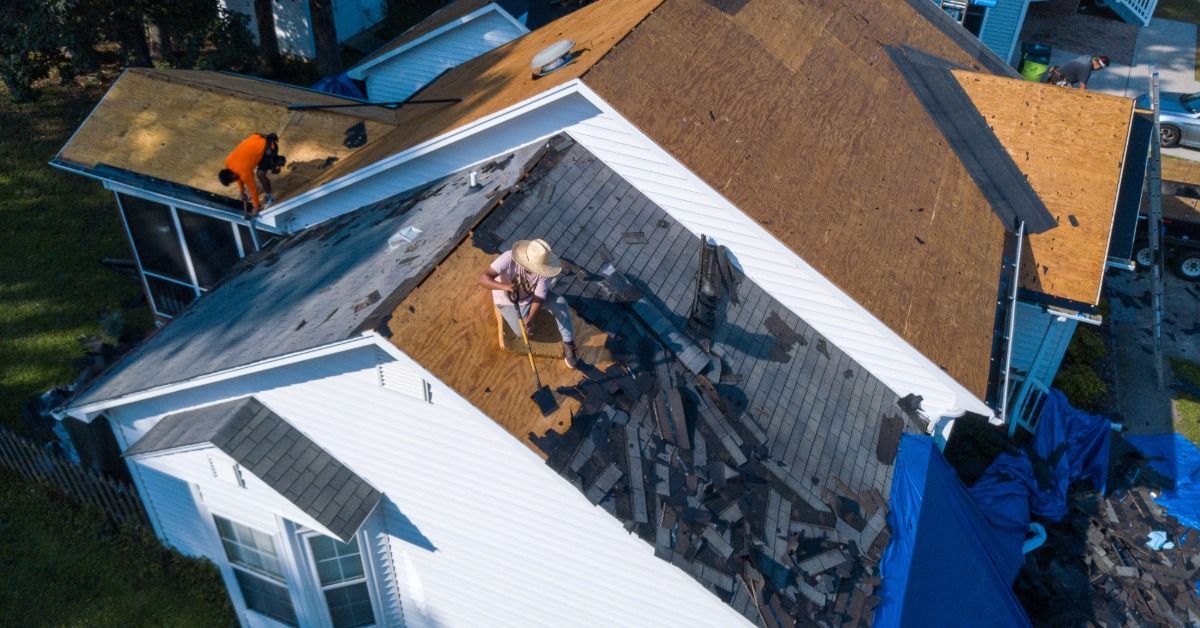
How Long Does a Normal Shingled Roof Typically Last?
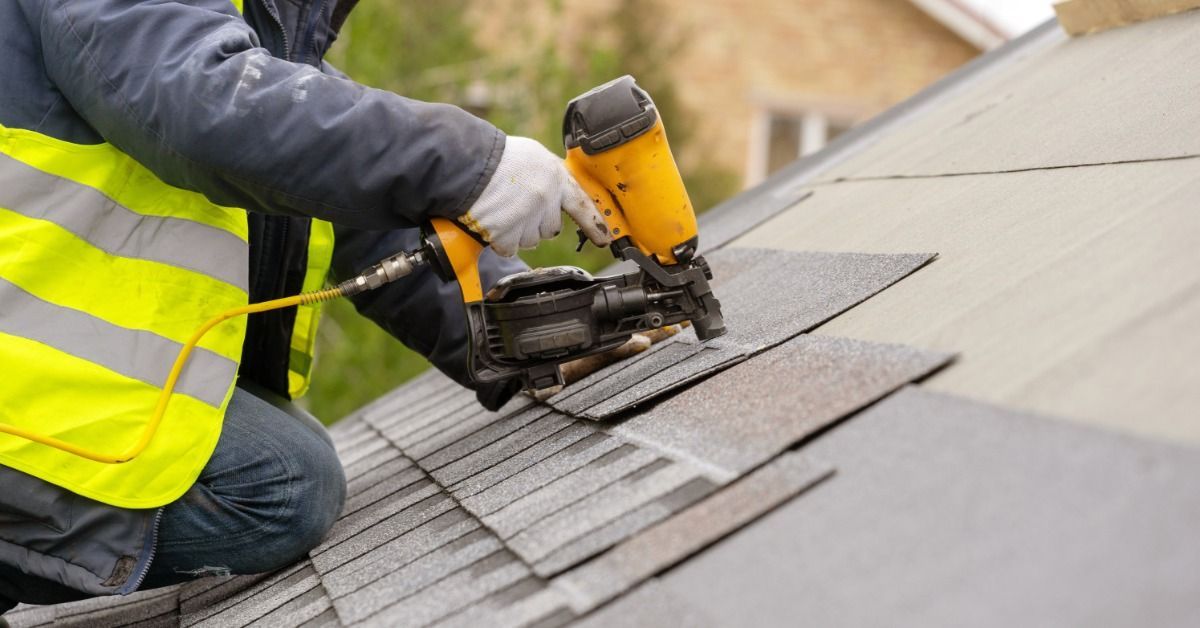
Many homeowners wonder how long a normal shingled roof typically lasts , especially once signs of aging begin appearing around the home. Asphalt shingles remain one of the most popular roofing materials because they provide dependable protection and long-term value for residential properties.
However, even well-installed roofs gradually wear down from constant exposure to changing weather conditions. Proper maintenance, attic ventilation, and installation quality all affect how long a shingled roof continues performing effectively. Understanding the expected lifespan of a roof helps homeowners prepare for future repairs and avoid serious structural damage before it develops.
Average Lifespan of Asphalt Shingle Roofs
Most asphalt shingle roofs last between 20 and 30 years under normal conditions. Some roofs remain in good condition beyond that range when homeowners stay proactive with inspections and maintenance. Others begin deteriorating sooner because of severe weather exposure or underlying roofing issues.
The type of shingles installed affects lifespan significantly. Traditional three-tab shingles generally have a shorter life expectancy because they are thinner and lighter. Architectural shingles are thicker and more durable, allowing them to withstand stronger winds and changing temperatures more effectively.
Installation quality also plays a major role in roof longevity. Even premium shingles may fail early if installation methods were incorrect or rushed. Proper underlayment placement, flashing installation, and ventilation setup all contribute to how well a roofing system performs over time.
Climate conditions in the Chicago area also place considerable stress on asphalt shingles. Roofs experience snow accumulation, freezing temperatures, heavy rain, strong winds, and intense summer heat throughout the year. These changing conditions gradually weaken roofing materials and contribute to natural aging.
How Weather Impacts Roof Lifespan
Weather remains one of the biggest factors affecting how long a shingled roof lasts. Constant exposure to moisture, sunlight, and temperature swings slowly breaks down roofing materials over time.
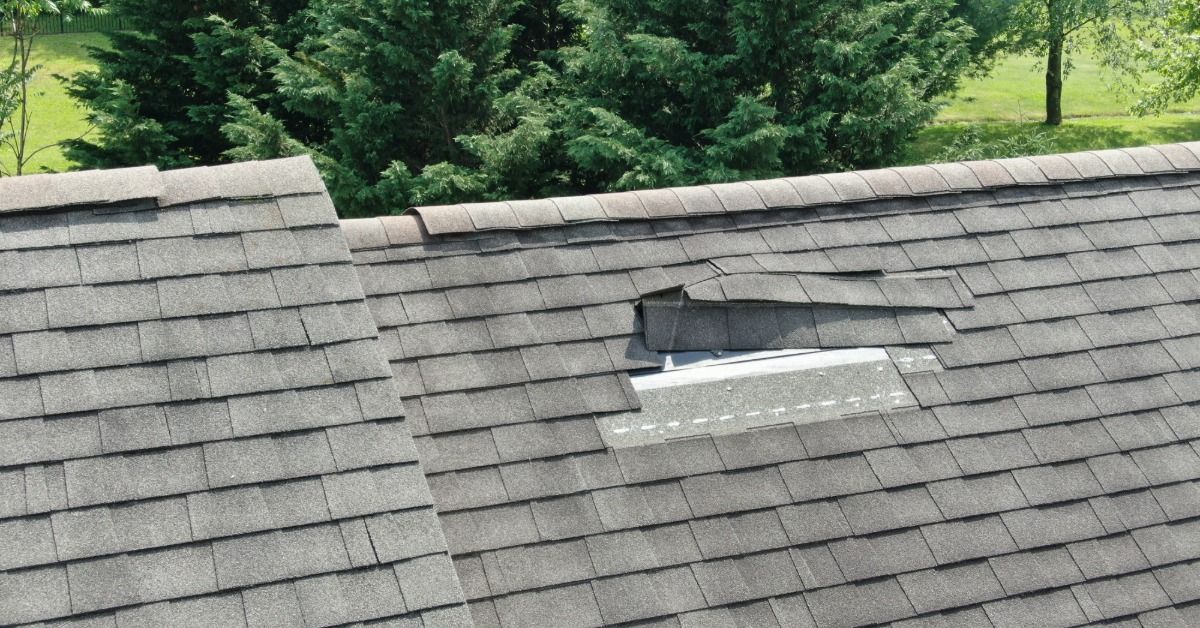
Strong winds can loosen shingles or lift edges enough to allow water underneath the roofing system. Once moisture enters beneath shingles, leaks and hidden water damage become more likely. Heavy rain can also create problems around roof penetrations, flashing, and valleys where water naturally collects.
Winter weather creates additional roofing stress. Snow and ice place extra weight on roofing systems, while repeated freezing and thawing causes expansion and contraction within roofing materials. Ice dams often develop when heat escapes through the attic and melts snow unevenly across the roof surface. Water trapped behind ice dams may eventually seep beneath shingles and damage the roof deck.
Summer heat also affects roof performance. Prolonged UV exposure dries out asphalt shingles and causes them to lose flexibility. Brittle shingles become more vulnerable to cracking during storms or sudden temperature changes.
Severe storms may shorten roof lifespan considerably. Hail impacts can strip protective granules from shingles even when damage appears minor from the ground. Small areas of storm damage often worsen over time if homeowners delay repairs.
Why Proper Ventilation Matters
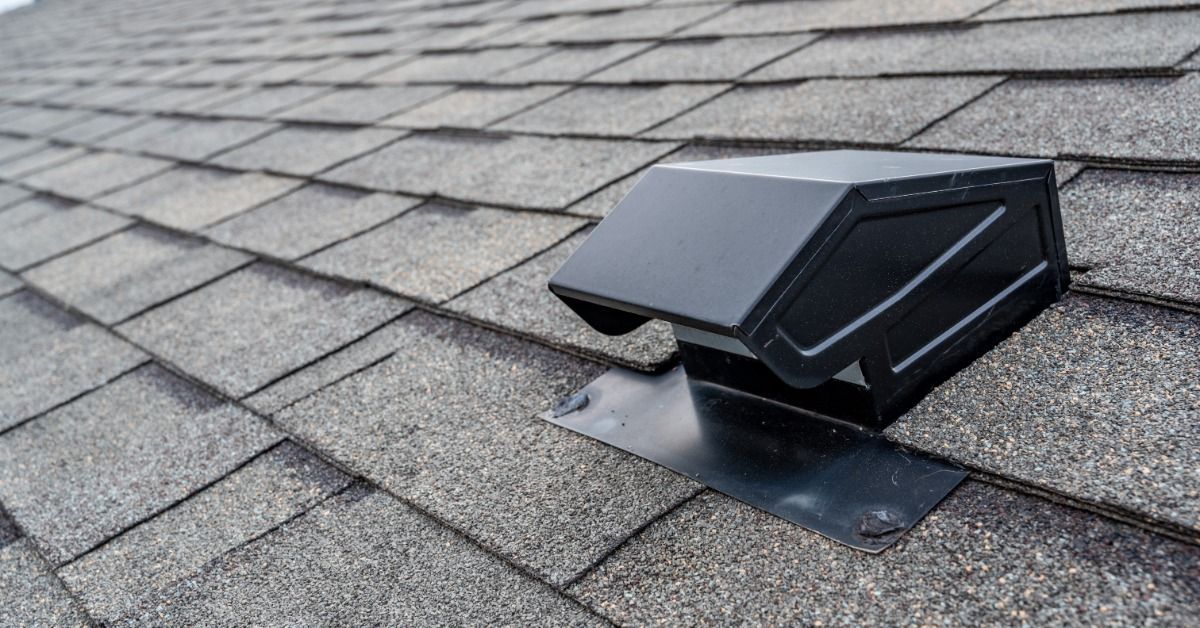
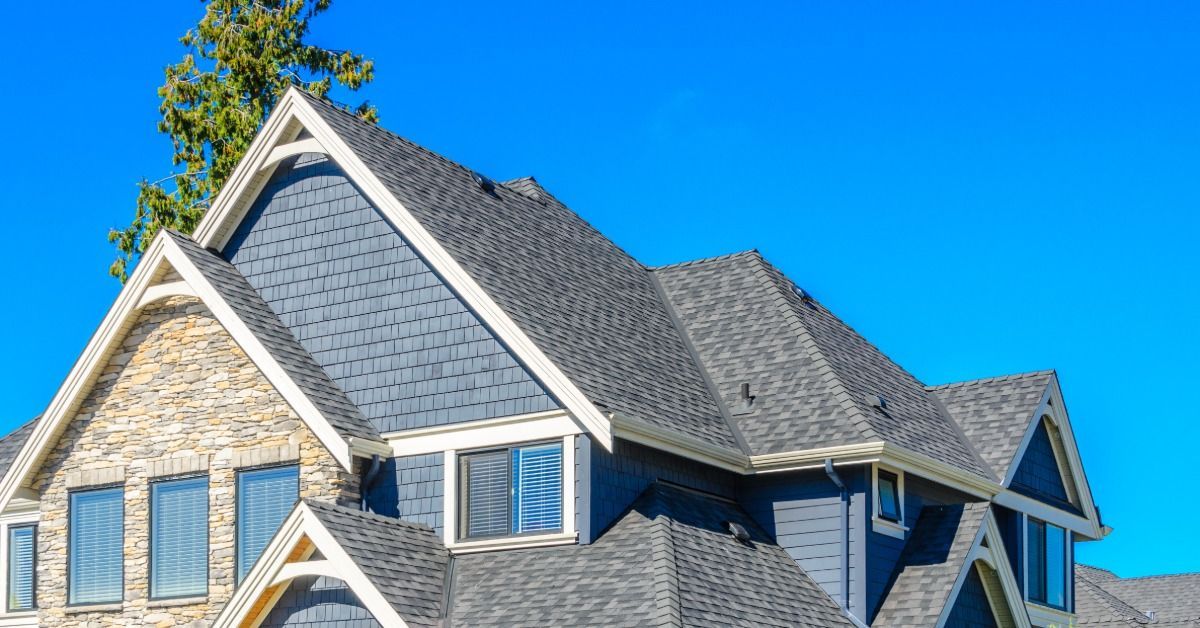
Attic ventilation plays a larger role in roof lifespan than many homeowners realize. Poor ventilation creates excessive heat and moisture buildup beneath the roof, which accelerates roofing deterioration.
During summer months, trapped attic heat can cause shingles to age faster than expected. Roofing materials exposed to excessive temperatures for long periods may warp, crack, or weaken prematurely. Moisture buildup inside the attic can also damage insulation, decking, and wooden structural components.
Ventilation problems create additional concerns during winter. Uneven roof temperatures contribute to ice dam formation along roof edges. Ice dams increase the risk of water intrusion beneath shingles and may eventually cause interior water damage.
Balanced attic ventilation allows air to circulate properly through intake and exhaust vents. Consistent airflow helps regulate attic temperatures and reduce moisture accumulation throughout the year. Roofing contractors often inspect ventilation systems when evaluating older roofs because poor airflow frequently contributes to premature aging.
Signs a Shingled Roof Is Wearing Out
Asphalt shingle roofs usually show visible warning signs as they approach the end of their useful life. Recognizing these issues early allows homeowners to address roofing problems before structural damage develops.
Curling shingles are one of the most common signs of roof aging. Shingle edges may begin lifting or warping after years of weather exposure. Cracked shingles also indicate that roofing materials have become brittle over time.
Granule loss is another important warning sign. Homeowners may notice dark spots on the roof surface or granules collecting inside gutters and downspouts. Since granules protect shingles from UV exposure, losing them accelerates deterioration.
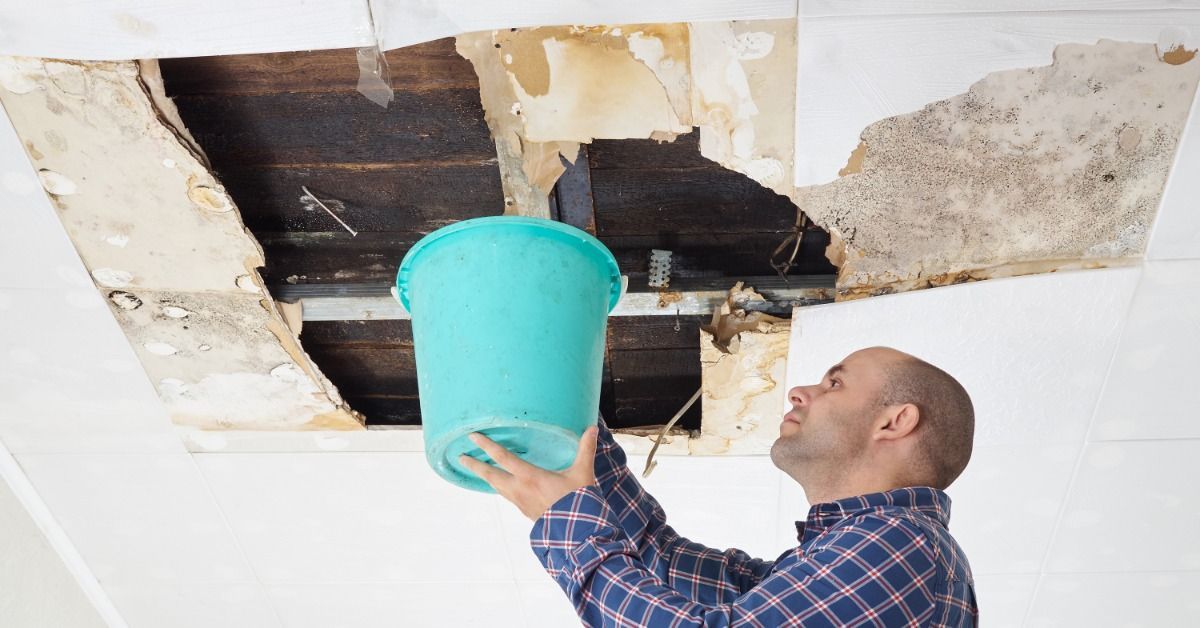
Water stains on ceilings or attic surfaces often indicate roof leaks. Homeowners should address even minor leaks quickly because moisture damages drywall, insulation, and wood framing inside the home.
Sagging roof sections may point to deeper structural concerns beneath the shingles. Prolonged moisture exposure can weaken roof decking and compromise the structural integrity of the roofing system.
Moss or algae growth may also indicate trapped moisture on the roof surface. While discoloration alone does not always mean replacement is necessary, excess moisture can contribute to shingle deterioration over time.
The Importance of Routine Roof Maintenance
Routine maintenance helps homeowners maximize the lifespan of their asphalt shingle roof. Many roofing problems begin as small issues that become more expensive when left untreated.
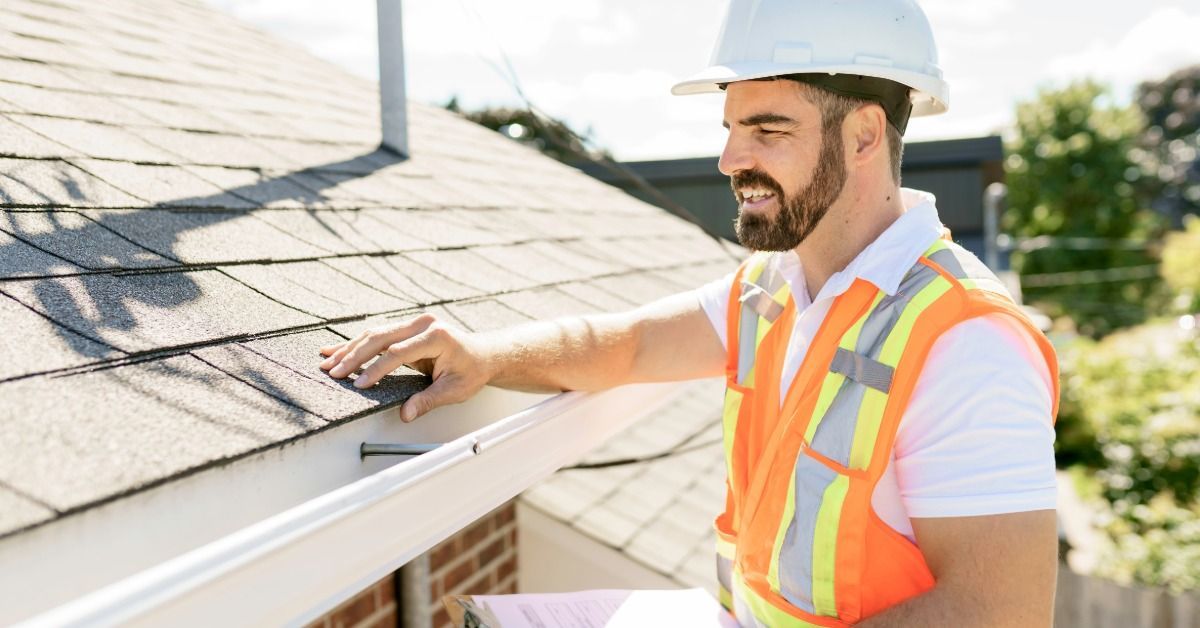
Annual roof inspections help identify damaged shingles, flashing issues, and drainage concerns before major leaks develop. Many roofing professionals also recommend inspections after severe storms to check for hidden damage caused by wind or hail.
Keeping gutters clean helps water drain properly away from the roofline. Clogged gutters can force water underneath shingles and increase moisture exposure around roof edges.
Trim tree branches hanging over the roof regularly. Branches may scrape shingles during windy conditions or drop debris that traps moisture against roofing materials.
Homeowners should also pay attention to attic conditions. Excess humidity, poor airflow, or visible moisture inside the attic often indicate roofing or ventilation problems that require professional attention.
Consistent maintenance cannot stop roof aging completely. However, it can help extend roof performance and reduce the likelihood of unexpected repairs.
When Roof Repair Makes Sense
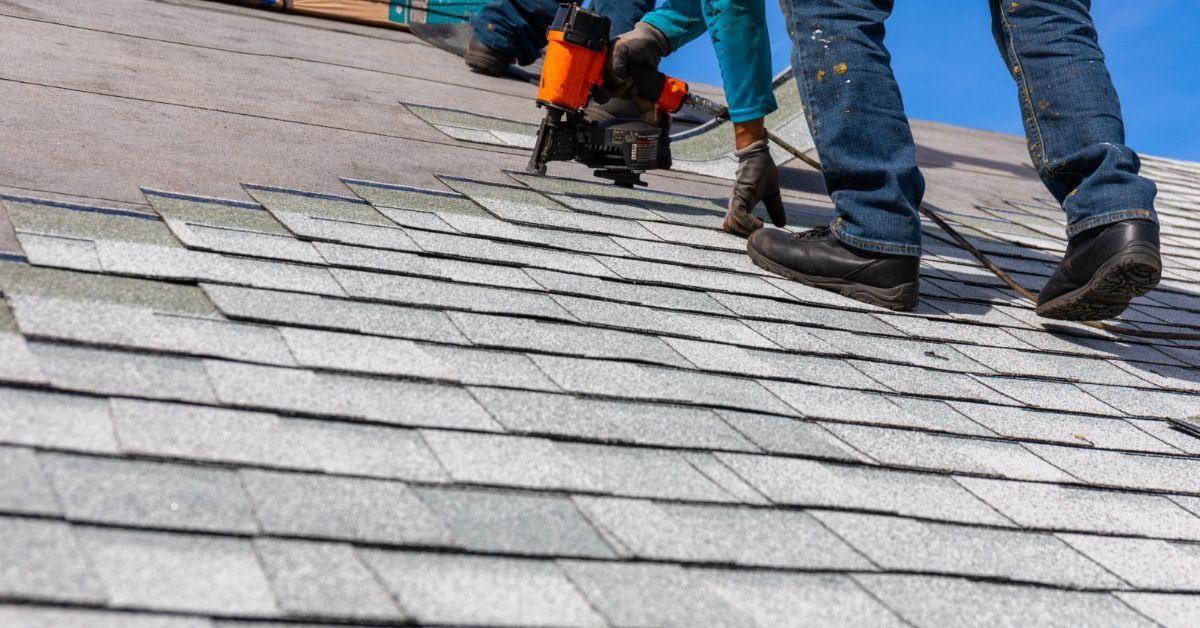
Not every roofing issue requires full replacement. In many situations, targeted repairs successfully restore roof performance when the overall roofing system remains structurally sound.
Missing shingles, isolated leaks, and flashing damage are often repairable when addressed quickly. Prompt repairs prevent water intrusion from spreading into surrounding roofing materials and interior areas of the home.
Roof age also matters when deciding between repair and replacement. A relatively newer roof with localized storm damage may still have many years of reliable protection after repairs.
However, repeated repair needs often signal that a roof is nearing the end of its lifespan. When roofing problems become widespread, replacement may provide better long-term value and reliability.
Trusted Shingle Roofing Services From Prusak Roofing
Understanding how long a normal shingled roof typically lasts allows homeowners to protect their investment and prepare for future roofing needs before serious damage occurs. While asphalt shingles often provide decades of dependable performance, weather conditions, ventilation problems, and aging materials eventually affect every roofing system. Regular inspections and timely repairs help extend roof life and reduce the risk of costly structural issues.
Prusak Roofing has provided trusted roofing services throughout the greater Chicago area for decades. As a family-owned company, our team understands how local weather impacts asphalt shingles and residential roofing systems. Whether your home requires shingle repairs or replacement, Prusak Roofing provides dependable workmanship year-round. Request a free quote today!