The 3 Best Roofing Materials for Midwest Weather
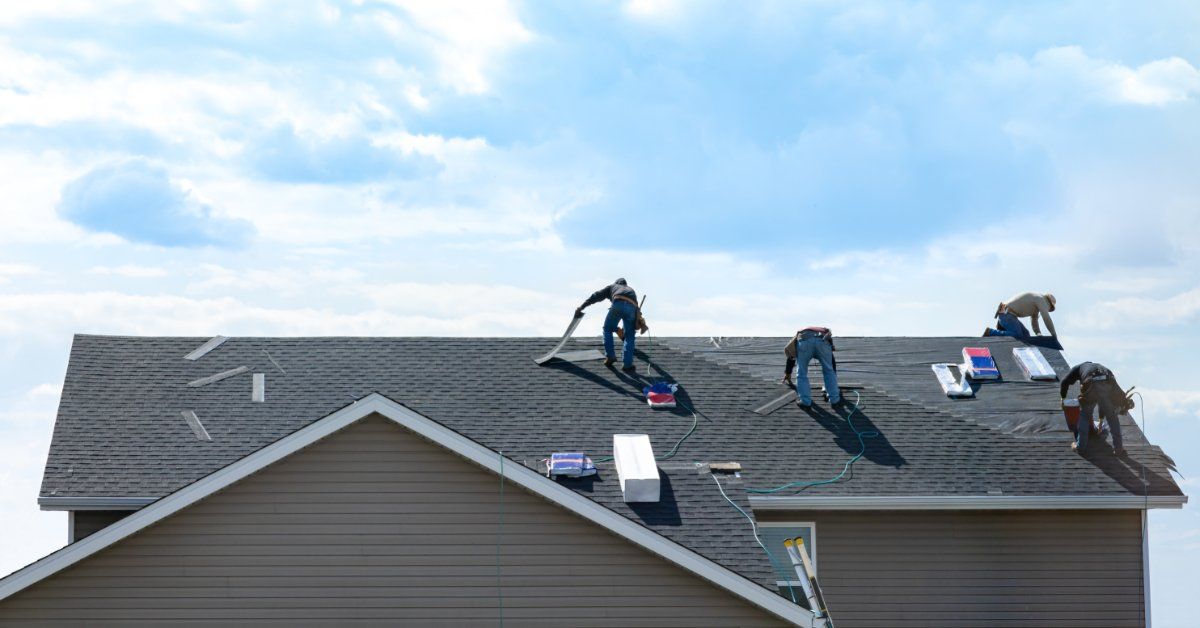
Midwest weather puts every roofing system to the test. Homeowners face freezing winters, heavy snow, strong winds, intense summer heat, and sudden storms throughout the year. These changing conditions place constant stress on roofing materials and can shorten the life of an improperly selected roof. Choosing the best roofing materials for Midwest weather starts with understanding which products can handle seasonal extremes while delivering reliable protection and long-term value.
Why Midwest Weather Is Tough on Roofs
The Midwest experiences dramatic weather changes from season to season. A roof may endure below-freezing temperatures during winter and intense heat during summer. These shifts cause roofing materials to expand and contract repeatedly over time.
Snow accumulation can add significant weight to a roof. Ice dams may form along roof edges and create moisture concerns if water cannot drain properly. Wind-driven rain and powerful storms add another layer of stress that roofing systems must withstand.
Because of these conditions, homeowners should prioritize durability when evaluating roofing materials. A roof that performs well in Midwest weather can help reduce repairs, improve efficiency, and provide dependable protection year after year.
Asphalt Shingles Continue To Deliver Reliable Performance
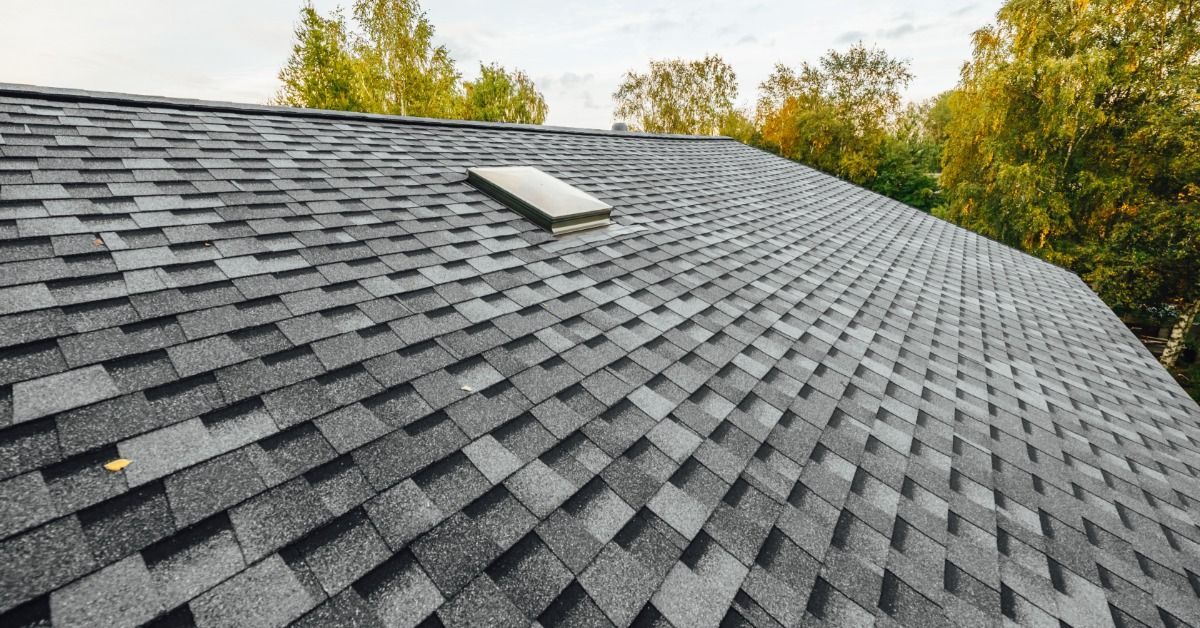
Asphalt shingles remain one of the most popular roofing materials across the Midwest. Their combination of affordability, appearance, and durability makes them a practical option for many homeowners.
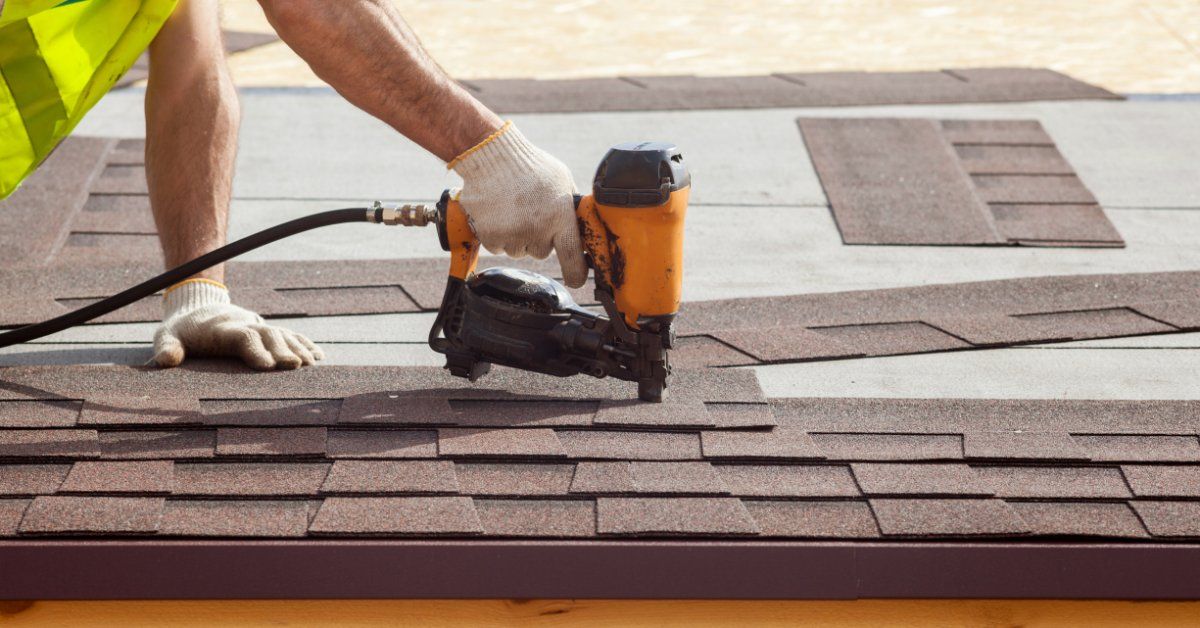
Modern architectural shingles offer greater strength than older shingle designs. Their thicker construction helps them resist wind and weather-related wear more effectively. Many homeowners also appreciate the variety of styles available, making it easier to complement different home designs.
When installed correctly, quality asphalt shingles perform well through changing Midwest seasons. They provide dependable protection from rain, snow, and temperature fluctuations while offering a cost-effective roofing solution.
Metal Roofing Handles Severe Weather Exceptionally Well
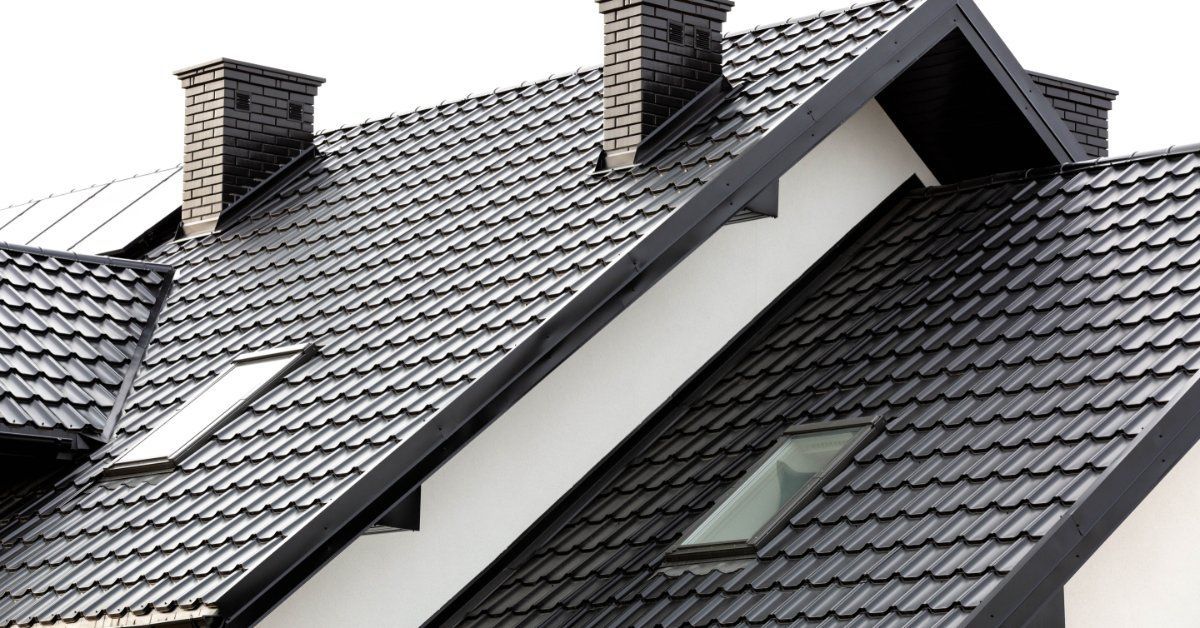
Metal roofing has become increasingly popular among Midwest homeowners because of its ability to withstand challenging weather conditions. Its durability makes it particularly attractive in regions that experience frequent storms and heavy snowfall.
Snow tends to slide off metal roofing more easily than many other roofing materials. This feature can help reduce excessive snow accumulation during winter months. Metal roofing systems also perform well during high-wind events when installed according to manufacturer specifications.
Another benefit involves energy efficiency. Metal roofing reflects a portion of the sun’s heat, helping reduce heat transfer into the home during warmer weather. Homeowners looking for a long-lasting roofing system often view metal roofing as a valuable investment.
Synthetic Roofing Materials Offer Modern Advantages
Synthetic roofing materials continue to gain popularity among homeowners who want durability and visual appeal. Manufacturers design these products to resemble traditional roofing materials while enhancing weather resistance.
Many synthetic roofing systems resist cracking, moisture absorption, and impact damage. These characteristics can be especially beneficial in areas where hail, snow, and rapid temperature changes occur throughout the year.
Another advantage is their lighter weight. Synthetic materials can provide excellent protection without placing unnecessary stress on a home's structure. As roofing technology continues to evolve, these products are becoming an increasingly attractive option for Midwest homes.
Wind Resistance Matters More Than Many Homeowners Realize
Strong winds accompany many Midwest storms. Even a well-maintained roof can suffer damage if roofing materials lack adequate wind resistance.
Architectural asphalt shingles often provide stronger wind performance than basic shingle products. Metal roofing systems also perform exceptionally well because many designs use secure fastening methods intended for demanding environments. Synthetic materials frequently include enhanced wind-resistance features that support long-term durability.
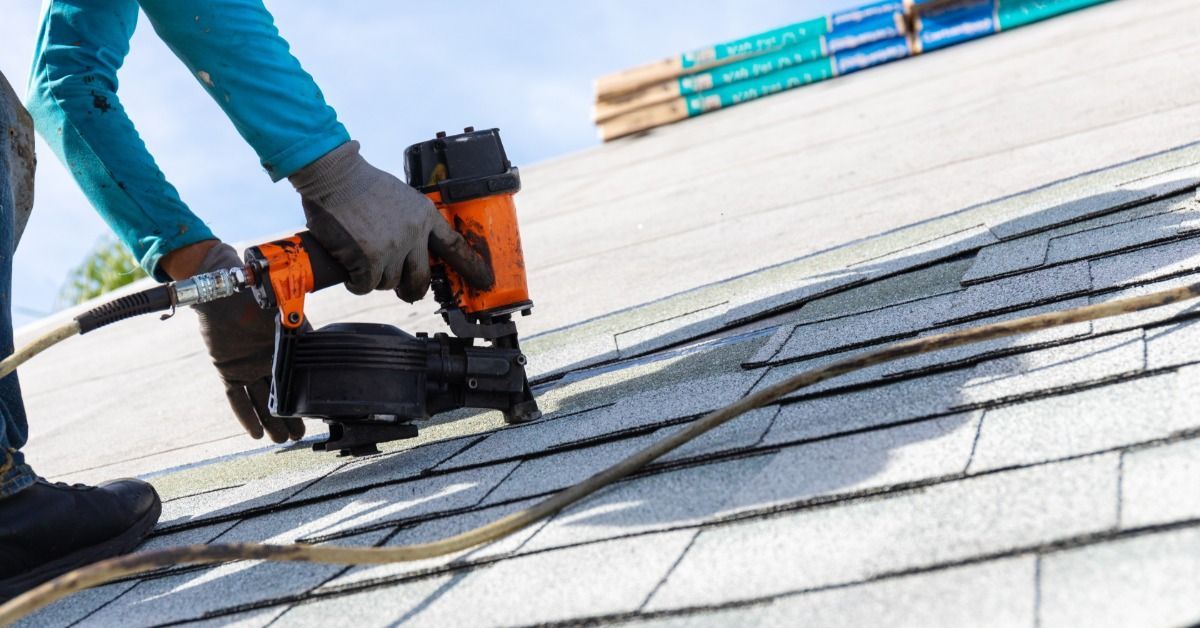
While material selection is important, installation quality also plays a major role. Proper installation helps ensure roofing materials remain secure during severe weather and perform as intended for years.
Moisture Protection Is Essential
Moisture represents one of the greatest threats to any roofing system. Rain, snow, ice, and humidity can gradually create problems if a roof does not provide effective protection.
Asphalt shingles offer reliable water-shedding performance when paired with proper underlayment and flashing components. Metal roofing systems create strong barriers against moisture intrusion and perform well in areas that receive significant precipitation.
Synthetic roofing materials also provide impressive moisture resistance because they absorb very little water. Regardless of the material selected, regular inspections help identify potential concerns before they become larger issues.
Energy Efficiency Can Influence Material Selection
Many homeowners consider energy efficiency when choosing a roofing system. Midwest homes require heating during winter and cooling during summer, making roof performance an important factor in overall comfort.
Certain roofing materials help regulate attic temperatures more effectively than others. Metal roofing is especially known for its reflective qualities, which can help reduce heat buildup during warmer months.
Roof color can also affect energy performance. Lighter colors generally reflect more sunlight than darker options. Evaluating both material and color can help homeowners choose a roofing system that supports efficiency throughout the year.
Longevity Adds Value Over Time
Roof replacement is a major investment, so longevity often influences purchasing decisions. Homeowners want materials capable of standing up to Midwest weather without requiring excessive maintenance.
High-quality asphalt shingles can provide many years of dependable service when properly maintained. Metal roofing systems often offer even greater longevity, making them attractive for homeowners seeking long-term performance. Synthetic roofing materials also continue to build a strong reputation for durability.
Long-term value extends beyond lifespan alone. Roofing systems that resist weather-related damage and require fewer repairs can help homeowners avoid unexpected expenses while protecting their property.
Selecting the Right Roofing Material for Your Home
Every home has unique needs. Architectural style, budget, roof design, and local weather patterns all influence which roofing material may be the best fit.
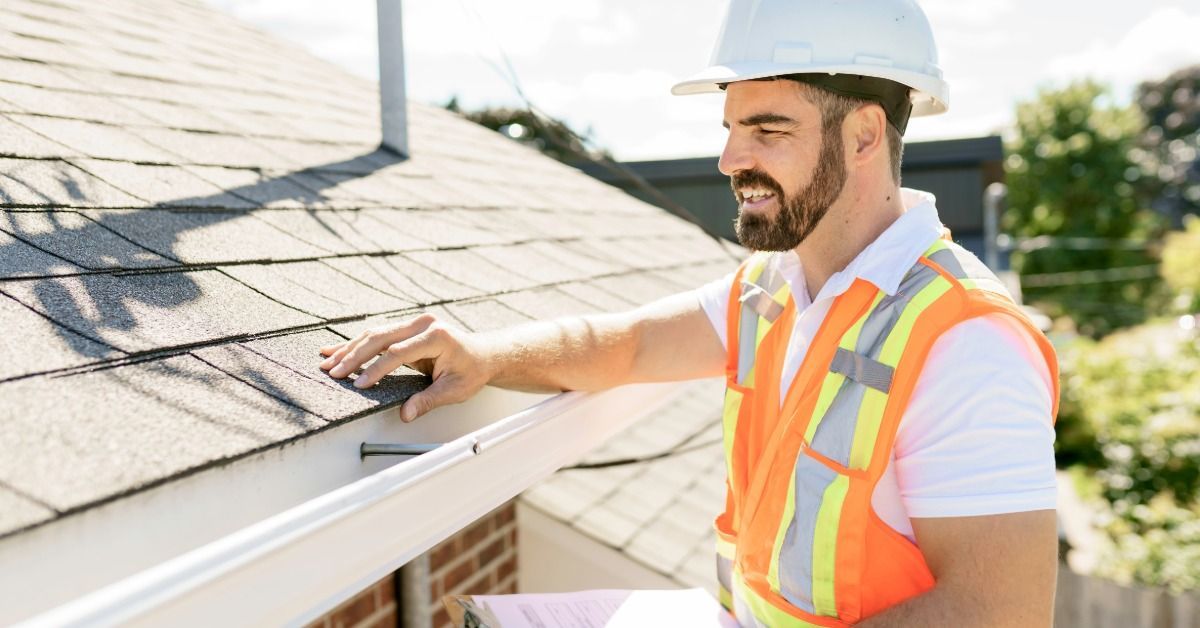
Homeowners should carefully compare roofing options based on durability, maintenance requirements, appearance, and performance in Midwest conditions. Working with experienced roofing professionals can provide valuable insight during the decision-making process.
A thoughtful evaluation helps ensure the selected roofing system delivers lasting protection while complementing the home's overall design.
Protect Your Home With the Right Roofing System
Selecting the best roofing materials for Midwest weather requires careful consideration of durability, moisture resistance, wind performance, energy efficiency, and long-term value. Whether you choose asphalt shingles, metal roofing, or a modern synthetic roofing system, the goal remains the same: dependable protection against challenging seasonal conditions.
Prusak Roofing has served homeowners throughout the Chicago area for decades with expert roofing solutions tailored to local weather demands. In addition to roof replacement and repair services, we offer solar attic fan installation to improve attic ventilation, support energy efficiency, and help create a healthier roofing system. Partnering with an experienced roofing contractor can help ensure your investment performs reliably through every Midwest season. Request a free quote today.