Do Solar Roof Features Really Save Money?
Homeowners often ask whether adding solar technology to a roofing system is worth the investment. The answer depends on the condition of the roof, local energy costs, long-term ownership plans, and the quality of the installation. Many people focus only on the upfront price and overlook the years of savings that can follow. When evaluating whether solar roof features really save money, it is important to look at both immediate costs and long-term value.
How Solar Roof Features Work
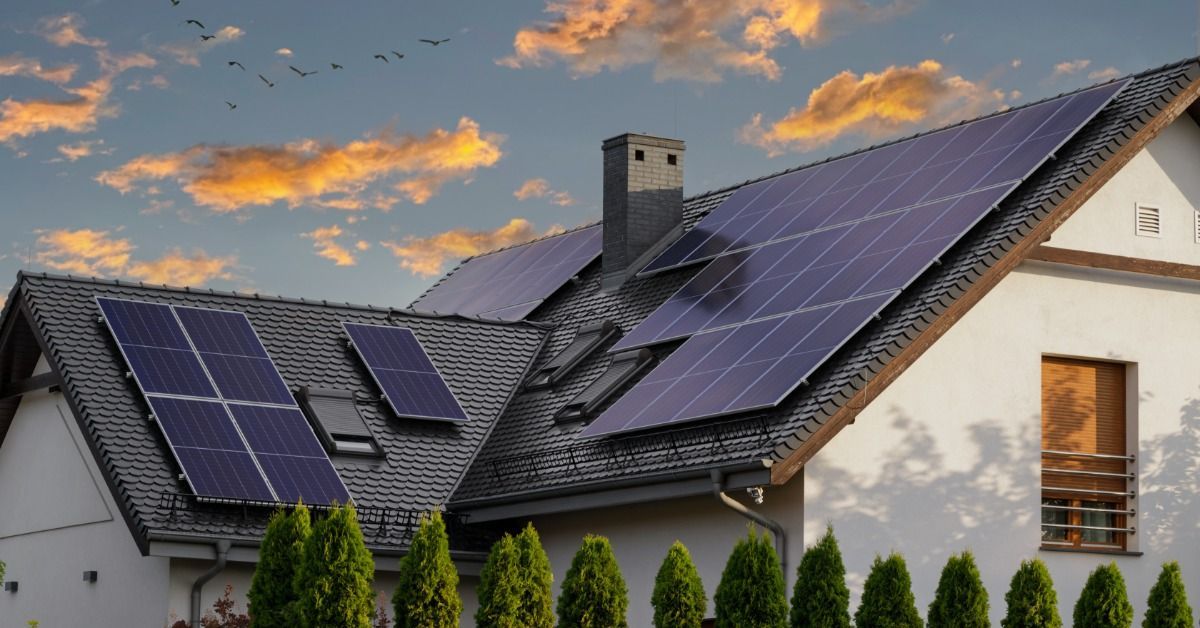
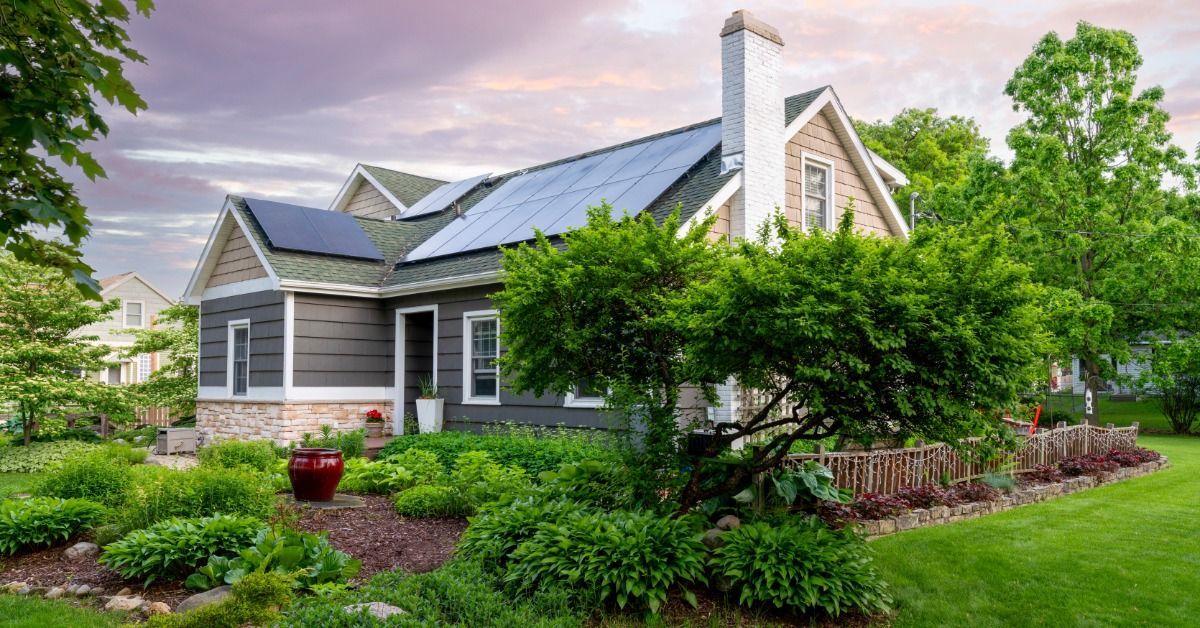
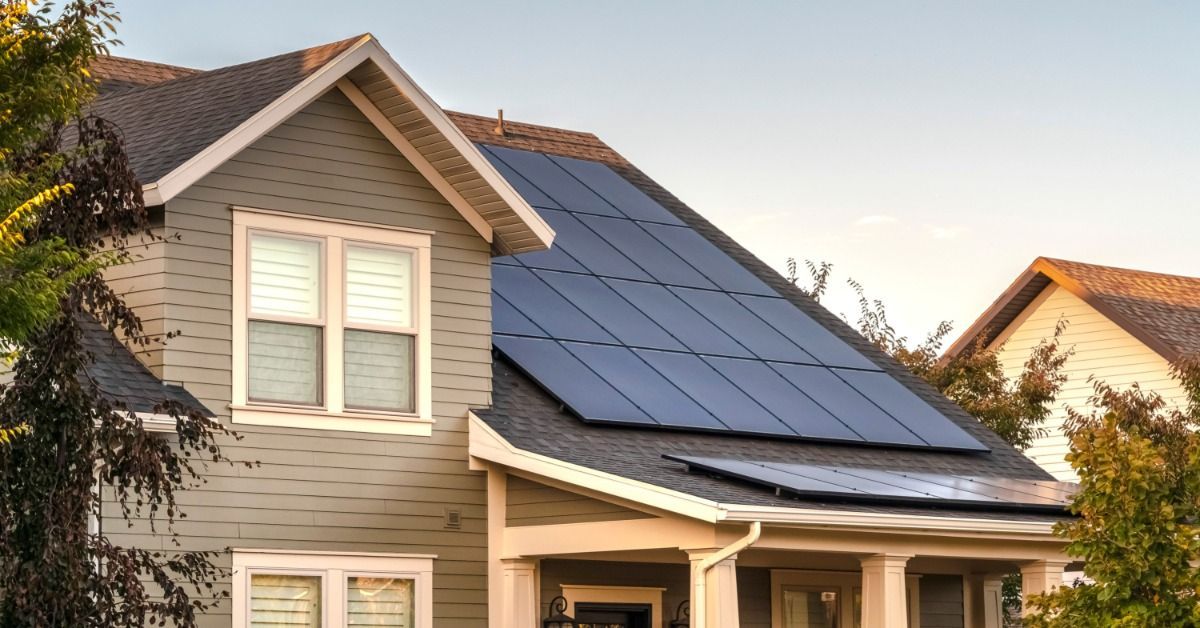
Solar roof features convert sunlight into usable electricity for a home. Some systems use traditional solar panels mounted above the roofing surface, while others incorporate solar components directly into the roof design. Both options aim to reduce dependence on utility providers by generating power on-site.
The amount of electricity produced varies throughout the year. Seasonal weather patterns, roof orientation, and shading all affect performance. A properly designed system accounts for these factors and maximizes energy production whenever possible.
Reducing Monthly Energy Bills
The most obvious financial benefit comes from lower electricity costs. When solar roof features generate power during daylight hours, homeowners purchase less energy from the grid. Over time, these reductions can add up to meaningful savings.
The exact amount saved depends on household energy usage. Larger homes often consume more electricity, creating greater opportunities for savings. Homeowners who use significant energy during the day may notice the greatest impact on monthly utility expenses.
The Importance of Roof Condition
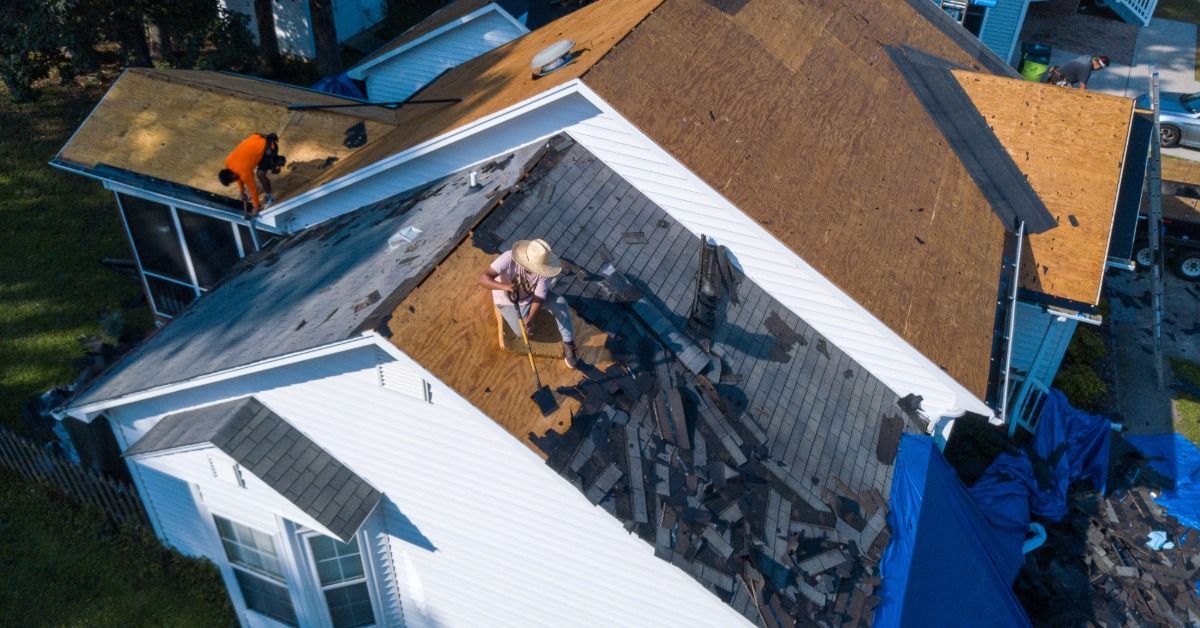
Installing solar features on an aging roof can create unnecessary expenses. If homeowners replace a roof shortly after installing solar features, contractors often must remove and reinstall the system. That additional work increases costs and complicates future roofing projects.
For this reason, roofing professionals often recommend evaluating roof condition before adding solar components. Combining a roof replacement with solar installation can create a more efficient project timeline and help homeowners avoid future disruptions.
Long-Term Return on Investment
Solar roof features typically provide value over many years rather than delivering immediate financial gains. Homeowners make an upfront investment and gradually recover costs through lower energy bills. The longer someone remains in the home, the greater the opportunity to realize those savings.
A long-term perspective is essential when evaluating financial benefits. While some homeowners focus on short-term costs, solar systems often perform for decades when installed correctly and maintained appropriately. Consistent performance supports continued energy savings year after year.
Maintenance and Operating Costs
One common misconception is that solar roof features require constant attention. Most modern systems need relatively little maintenance. Routine inspections help identify issues before they affect performance, and occasional cleaning may improve energy production.
Because maintenance requirements are generally limited, ongoing operating expenses remain manageable. Homeowners should still budget for inspections and potential repairs, but those costs are often modest compared to the value generated over time.
Impact on Home Value
Many buyers view energy-efficient homes as attractive investments. Solar roof features can increase market appeal by offering future utility savings to prospective owners. As energy efficiency becomes a larger priority, properties with solar technology may stand out in competitive markets.
The effect on resale value varies by location and buyer preferences. However, many homeowners appreciate the possibility of recovering part of their investment through a stronger selling position. A well-maintained roof paired with solar technology can become a compelling feature during the sales process.
Weather Considerations in Chicagoland
Some homeowners assume solar technology only performs well in consistently sunny climates. While sunshine supports energy production, solar systems can still generate electricity in regions that experience seasonal weather changes. Modern technology captures available sunlight even during less predictable conditions.
Chicagoland homeowners experience a wide range of weather throughout the year. Professional system design helps account for local climate patterns and positions solar components for optimal performance. Proper planning plays a significant role in achieving meaningful financial results.
Energy Independence and Predictability
Utility rates can fluctuate over time. Rising energy costs make monthly budgeting more difficult for many households. Solar roof features help offset part of that uncertainty by allowing homeowners to generate a portion of their own electricity.
Greater energy independence creates financial predictability. While utility bills may not disappear completely, homeowners often gain more control over long-term energy expenses. This stability becomes increasingly valuable when energy prices increase over time.
Common Factors That Affect Savings
Not every solar installation produces identical results. Roof size, available sunlight, household energy habits, and system design all influence financial outcomes. A customized approach helps ensure the system aligns with a homeowner’s goals and property characteristics.
Installation quality also matters. Poor workmanship can reduce efficiency and create future repair concerns. Working with experienced roofing and solar professionals helps maximize performance and protect the overall investment.
Making the Right Financial Decision
Determining whether solar roof features make financial sense requires careful evaluation. Homeowners should consider roof age, expected length of ownership, energy consumption patterns, and budget. Looking at the complete picture provides a more accurate understanding of potential savings.
Professional assessments help identify opportunities and limitations before installation begins. By reviewing roofing conditions and energy goals together, homeowners can make informed decisions that support long-term value rather than focusing solely on initial costs.
Another consideration involves financing options available to homeowners today. Some people pay upfront, while others choose financing programs that spread costs over time. Comparing payment structures carefully helps determine how quickly savings may offset expenses. A detailed financial review can clarify expectations, reduce uncertainty, and support confident decision making. It also helps homeowners understand ownership costs throughout the system's expected lifespan.
Why Professional Roofing Guidance Matters
Solar technology becomes part of the overall roofing system. Because of this connection, roofing expertise remains essential throughout the planning process. A roof must provide lasting protection while supporting any added solar components.
Experienced roofing contractors understand how installation decisions affect ventilation, drainage, structural performance, and long-term durability. Their guidance helps homeowners avoid costly mistakes and ensures the roof continues performing as intended for years to come.
Understanding the Long-Term Benefits
Solar roof features often save money when the system is properly designed, installed on a suitable roof, and viewed as a long-term investment. Lower utility costs, potential property value benefits, and greater energy predictability can create meaningful financial advantages over time. Because every property presents unique considerations, a professional assessment can provide valuable insight before moving forward with any solar project.
Prusak Roofing has built a strong reputation for providing dependable roofing in Chicagoland, helping homeowners make informed decisions about roof replacements, repairs, and long-term roofing performance. Our experienced team understands how roof condition affects the success of solar installations and can evaluate whether a home is a good candidate for solar-ready roofing solutions. By combining roofing expertise with a commitment to quality workmanship, Prusak Roofing helps homeowners protect their investment while planning for future energy-saving opportunities.