How Roofing Impacts Energy Costs for Commercial Buildings
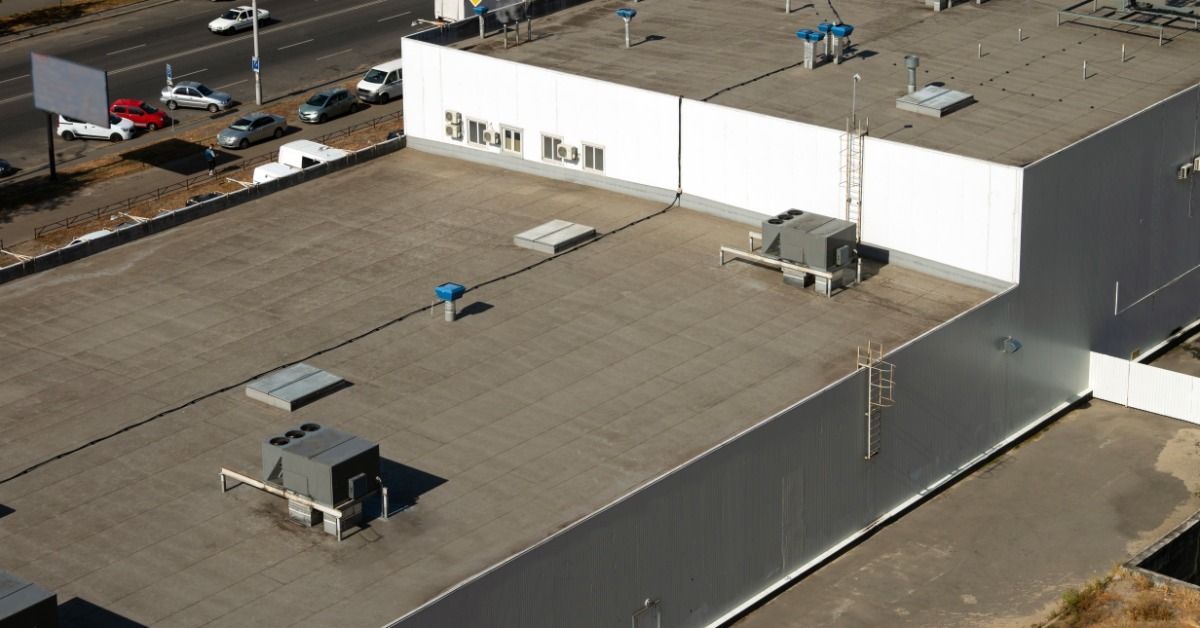
Business owners often overlook how roofing impacts energy costs for commercial buildings, yet the roof plays a major role in daily efficiency. A commercial roof does more than shield a structure from weather. It influences temperature control, HVAC performance, and long-term operating expenses. When roofing systems fail to perform, energy use rises and costs follow. Understanding how roofing decisions affect energy consumption helps property owners protect their investments and reduce waste.
The Roof as a Thermal Barrier
A commercial roof acts as the first line of defense against outdoor temperatures. It controls how much heat enters or escapes a building throughout the year. When a roof lacks proper insulation or reflects too little sunlight, indoor temperatures fluctuate more than they should. HVAC systems then work harder to maintain consistent comfort.
In warmer months, poorly designed roofs absorb heat and transfer it into the building. This raises indoor temperatures and forces cooling systems to run longer. During colder seasons, weak insulation allows heat to escape, increasing heating demands. These inefficiencies create a cycle where energy systems compensate for roofing shortcomings.
A well-constructed roofing system reduces this burden. It stabilizes interior conditions and allows HVAC equipment to operate more efficiently. Over time, this leads to lower energy consumption and more predictable utility costs.
The Role of Roofing Materials
Roofing materials directly affect how a building manages heat. Some materials absorb significant solar energy, while others reflect it away from the structure. The difference between these behaviors can have a noticeable impact on energy bills.
Reflective roofing systems, often referred to as “cool roofs,” reduce heat absorption. They keep rooftop surfaces cooler and limit heat transfer into the building. This lowers the need for air conditioning during hot months. Dark or traditional materials tend to absorb more heat, which increases cooling demands.
Material selection should match the building’s environment and usage. Commercial properties with large roof surfaces benefit greatly from reflective options. The right choice supports energy efficiency without compromising durability or performance.
Insulation and Energy Efficiency
Insulation plays a central role in how roofing impacts energy costs for commercial buildings. It acts as a buffer that slows the movement of heat between the interior and exterior. Without sufficient insulation, even the best roofing materials cannot perform effectively.
High-quality insulation helps maintain consistent indoor temperatures. It reduces the strain on heating and cooling systems by limiting energy loss. This not only lowers utility bills but also extends the lifespan of HVAC equipment.
Poor insulation creates uneven temperature zones within a building. Some areas may feel too hot while others remain cold. These inconsistencies lead to increased energy usage as systems try to balance the environment. Upgrading insulation improves comfort and reduces unnecessary energy waste.
Roof Design and Ventilation
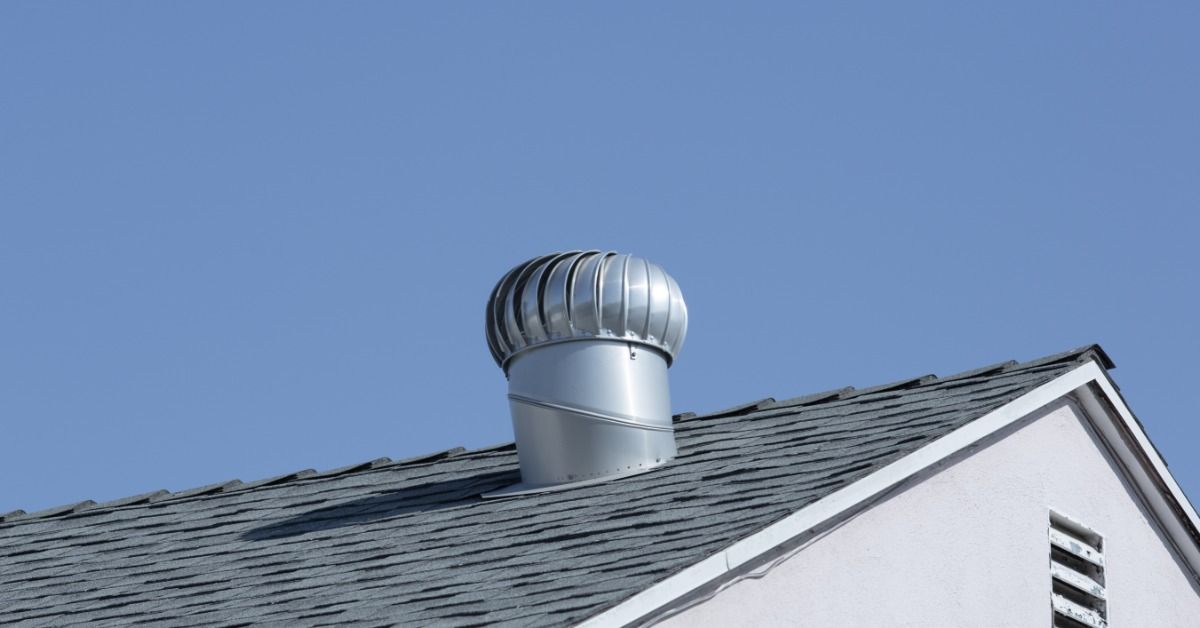
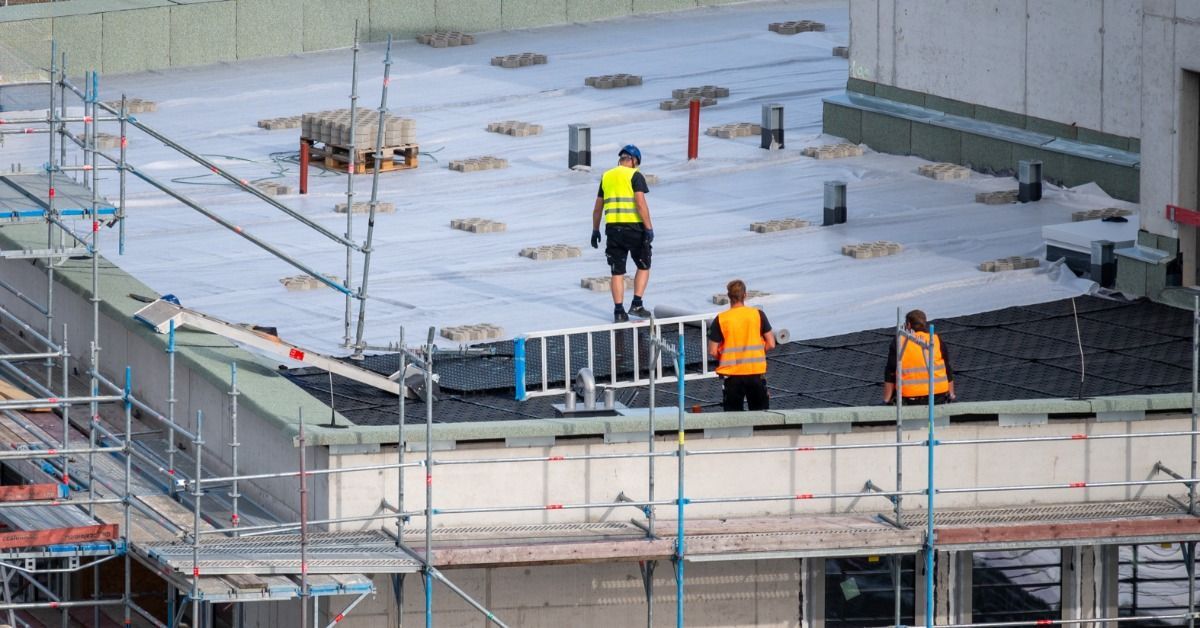
Roof design influences airflow and heat management. Proper ventilation allows heat and moisture to escape, preventing buildup that can affect indoor conditions. Without adequate ventilation, heat becomes trapped, raising internal temperatures and increasing cooling costs.
Ventilation systems work alongside insulation to regulate temperature. They help maintain a balanced environment that supports energy efficiency. In commercial buildings, where equipment and occupancy generate additional heat, ventilation becomes even more important.
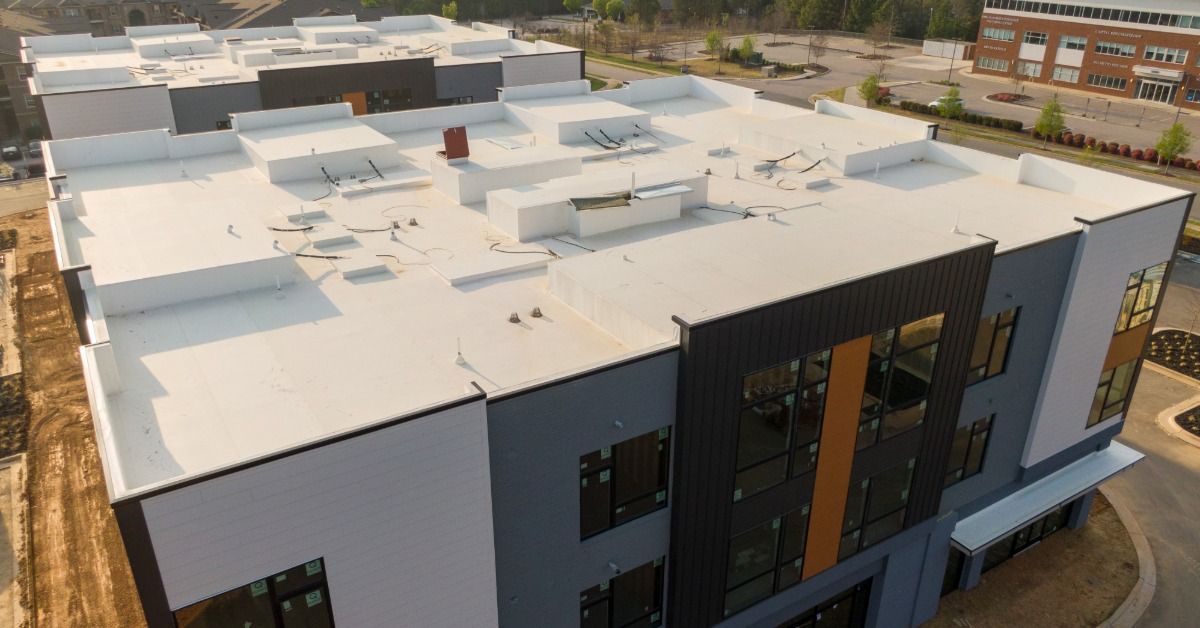
Flat roofs, which are common in commercial construction, require careful design to ensure proper drainage and airflow. When these systems function correctly, they prevent heat accumulation and reduce stress on cooling systems.
The Impact of Roof Condition
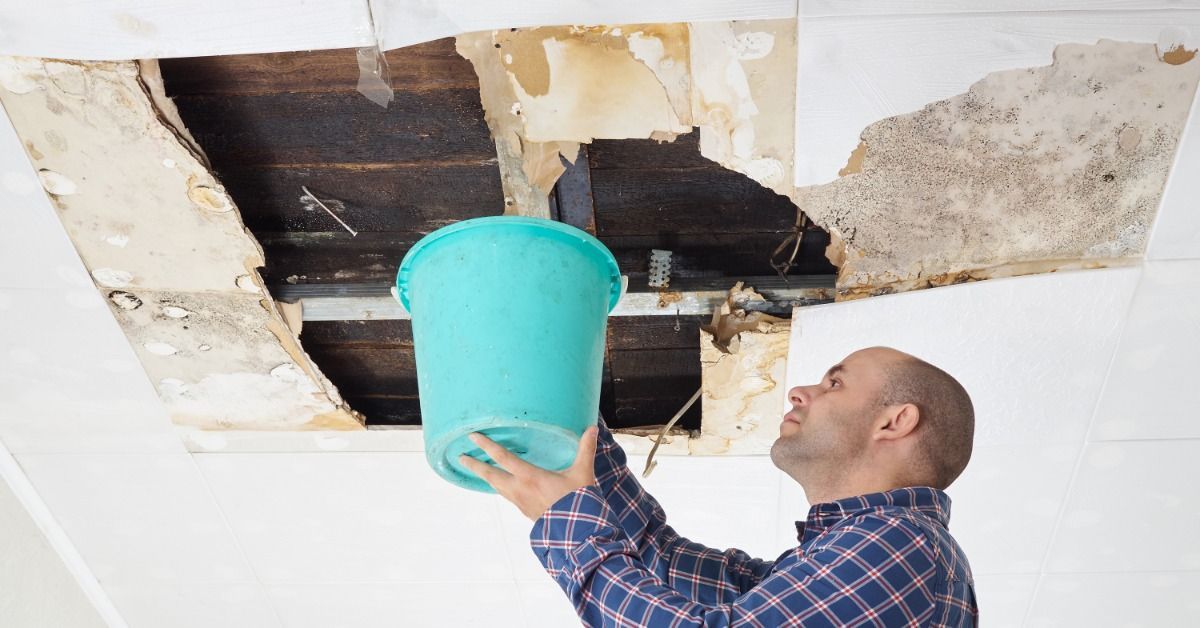
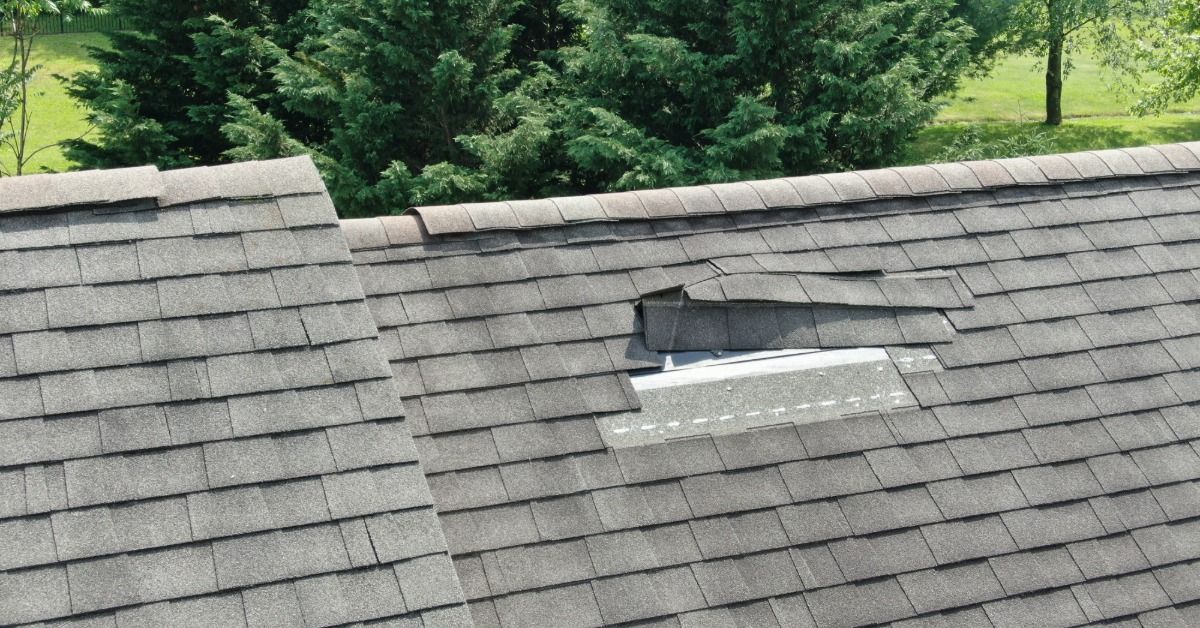
A roof’s condition directly affects its energy performance. Damage, aging materials, and poor installation all contribute to inefficiencies. Small issues such as cracks or leaks can allow air to escape or enter the building, disrupting temperature control.
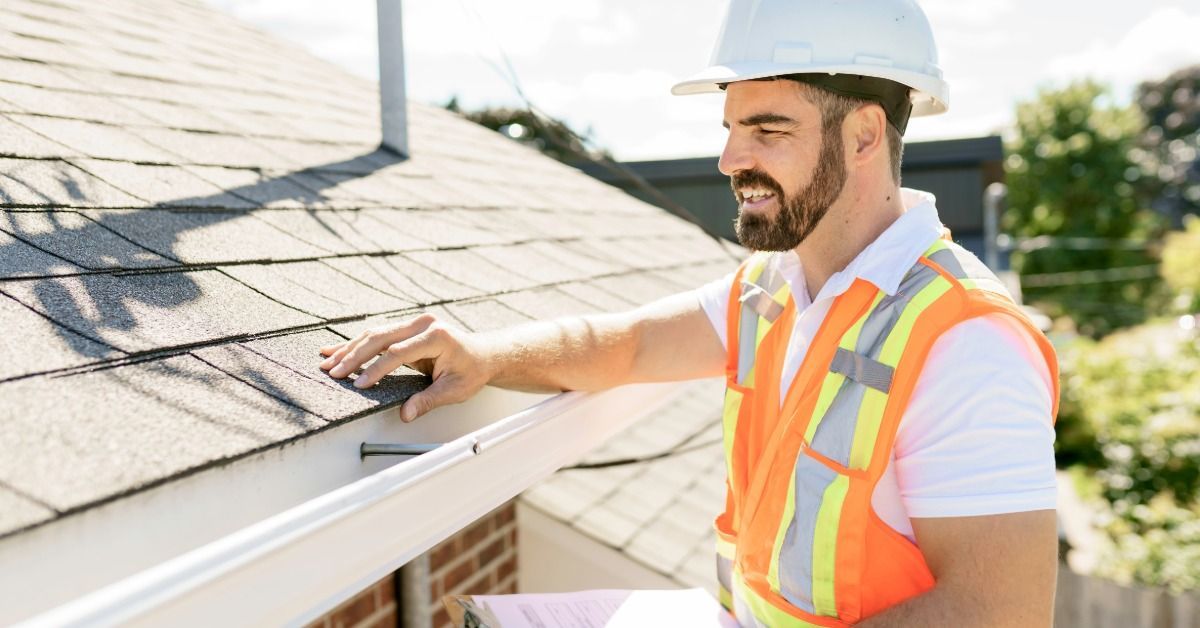
Over time, wear and tear reduce a roof’s ability to insulate and reflect heat. This gradual decline often goes unnoticed until energy bills increase. Regular inspections help identify these problems before they escalate.
Maintenance plays a key role in preserving energy efficiency. Addressing minor repairs early prevents larger issues that could lead to higher energy costs. A well-maintained roof continues to perform as intended and supports overall building efficiency.
Seasonal Energy Challenges
Commercial roofs face different challenges throughout the year. In summer, heat gain becomes the primary concern. Roofs that absorb too much sunlight force cooling systems to work harder. This increases electricity usage during peak demand periods.
In winter, heat retention becomes the focus. Poor insulation allows warm air to escape, making heating systems run longer. Snow and ice can also affect roofing performance by adding weight and trapping moisture.
Each season places unique demands on a roofing system. A properly designed roof accounts for these changes and adapts to maintain efficiency. This year-round performance helps stabilize energy costs and improves building comfort.
Long-Term Cost Benefits of Energy-Efficient Roofing
Investing in an energy-efficient roof delivers long-term financial benefits. While upfront costs may be higher, the reduction in energy expenses often offsets the initial investment. Businesses also benefit from fewer repairs and extended roof lifespan.
Energy-efficient roofing systems reduce strain on HVAC equipment. This leads to fewer breakdowns and lower maintenance costs. Over time, these savings contribute to a stronger return on investment.
Property owners also enhance the value of their buildings. Energy efficiency appeals to tenants and buyers who prioritize lower operating costs. A well-performing roof becomes an asset that supports both functionality and marketability.
How Commercial Roofing Choices Affect Operations
Roofing decisions influence daily business operations more than many realize. Temperature inconsistencies can affect employee comfort and productivity. Equipment may also perform differently depending on indoor conditions.
High energy costs reduce operational efficiency. Businesses must allocate more resources to utilities instead of growth or improvements. By addressing roofing performance, owners can create a more stable and cost-effective environment.
A reliable roofing system supports consistent operations. It minimizes disruptions caused by temperature fluctuations or system failures. This stability allows businesses to focus on their core activities without unnecessary challenges.
Choosing the Right Roofing Partner
Selecting the right contractor plays a critical role in achieving energy efficiency. Experienced professionals understand how roofing systems interact with building performance. They recommend solutions that align with both structural needs and energy goals.
A knowledgeable contractor evaluates insulation, materials, and ventilation as part of a complete system. This approach ensures that every component works together effectively. It also prevents common issues that arise from poor installation or design.
Working with a trusted provider gives business owners confidence in their investment. It ensures that roofing projects deliver lasting results and measurable energy savings.
How Prusak Roofing Supports Commercial Efficiency
Understanding how roofing impacts energy costs for commercial buildings helps property owners make informed decisions that reduce expenses and improve performance. A well-designed roof supports temperature control, reduces strain on HVAC systems, and creates a more efficient building overall. These benefits extend beyond energy savings and contribute to long-term operational success.
Prusak Roofing brings decades of experience to commercial roofing projects throughout the greater Chicago area. As a third-generation, family-owned company, we focus on delivering dependable solutions tailored to each building’s needs. Our team evaluates every aspect of the roofing system, from insulation to materials, to ensure optimal performance. By combining expert installation with a commitment to quality, Prusak Roofing helps businesses reduce energy costs and maintain durable, efficient roofing systems for years to come.