7 Ways Severe Storm Damage Impacts Your Roof
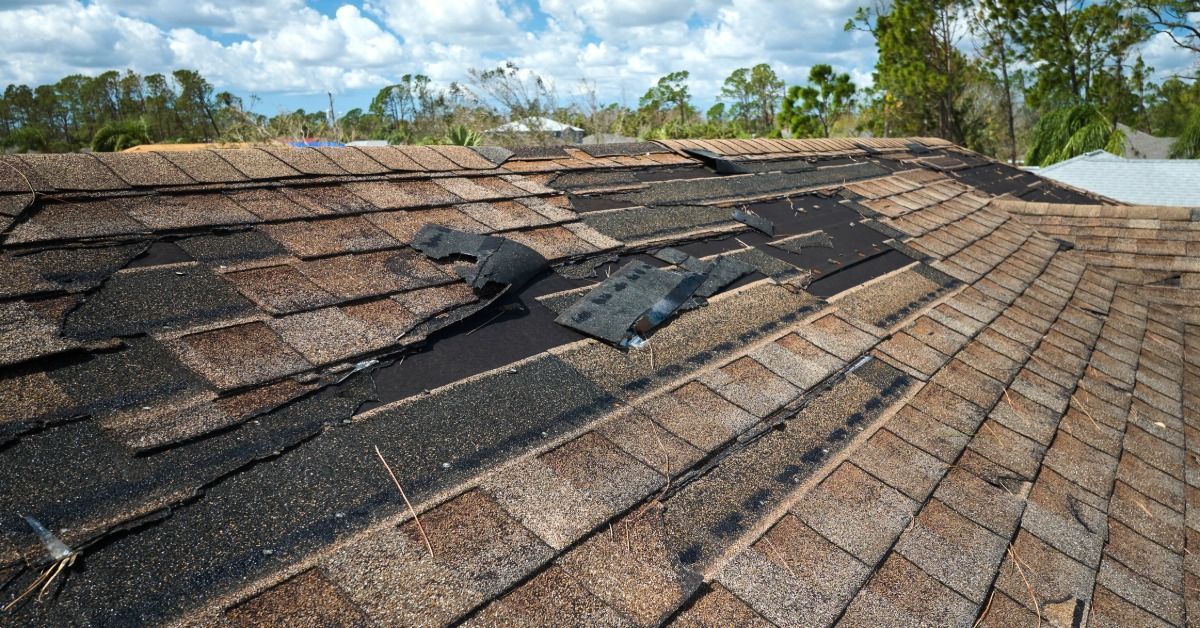
Severe weather can change the condition of your roof in a matter of minutes, often leaving behind damage that is not immediately obvious from the ground. Understanding the ways severe storm damage impacts your roof helps homeowners recognize early warning signs and act before small issues turn into costly repairs.
Storms affect roofing systems in both visible and hidden ways. From high winds to heavy rain and hail, each element of a storm places stress on different parts of your roof. When that stress exceeds what your roofing materials can handle, problems begin to develop. Knowing what to look for can make the difference between a simple repair and a full replacement.
Wind Damage Weakens Structural Integrity
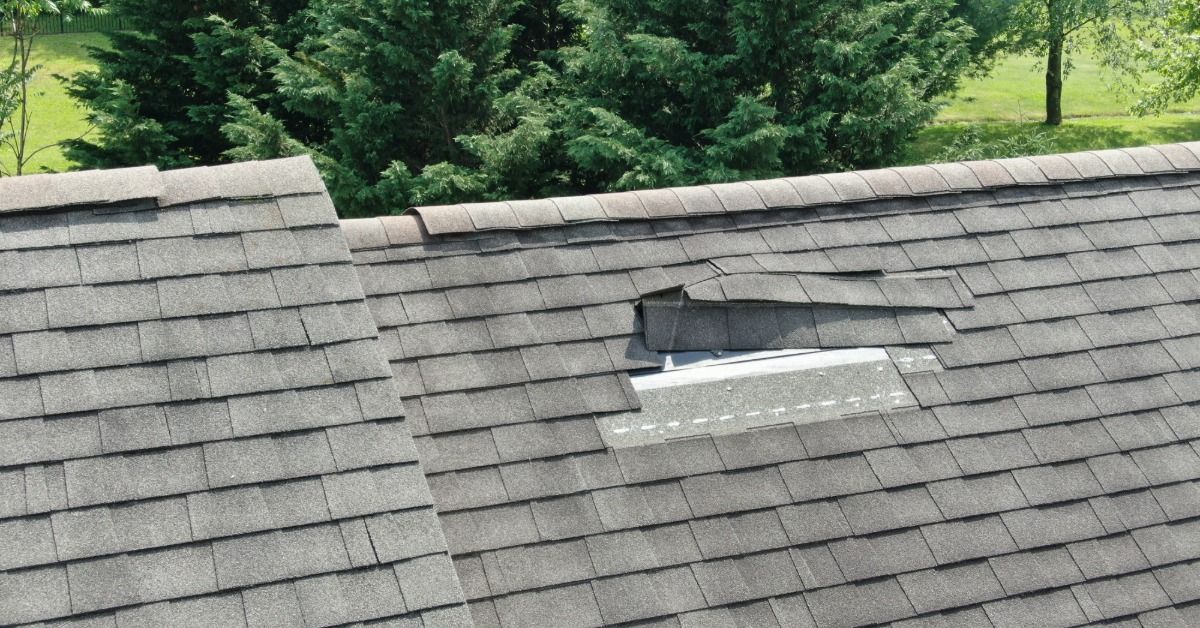
High winds are one of the most common causes of storm-related roof damage, and they can impact even newer roofing systems. Strong gusts create uplift pressure that pulls shingles away from the roof deck. Once shingles loosen or detach, the protective barrier of your roof becomes compromised.
When shingles lift, they often break their seal and no longer sit flat. This creates openings where water can enter during future storms or even normal rainfall. Over time, repeated exposure to wind can worsen these gaps and lead to more widespread deterioration.
Wind damage also affects flashing, which protects vulnerable areas like chimneys and vents. If flashing shifts or bends, water can bypass these protective layers and seep into your home. This type of damage often goes unnoticed until leaks appear inside.
Hail Impact Causes Surface and Hidden Damage
Hailstorms can be especially destructive because they strike your roof with force and consistency. Each hailstone acts like a small projectile, hitting shingles and other roofing materials repeatedly. The size and speed of the hail determine how severe the damage becomes.
When hail hits asphalt shingles, it can dislodge protective granules. These granules shield the underlying material from UV exposure and weathering. Once hail removes granules, shingles age faster and lose their ability to protect your home effectively.
In more severe cases, hail can create cracks or punctures in shingles. These openings may not cause immediate leaks, but they weaken the roof’s ability to repel water. Over time, moisture can penetrate these areas and lead to rot or mold beneath the surface.
Heavy Rain Leads To Water Intrusion
Rain alone may not seem as damaging as wind or hail, but it becomes a major issue when combined with existing vulnerabilities. Once your roof has even minor damage, heavy rain can exploit those weak points.
Water intrusion often begins at small openings where shingles have lifted or flashing has failed. From there, moisture travels beneath the roofing materials and into the underlayment. This hidden movement allows water to spread across a larger area than expected.
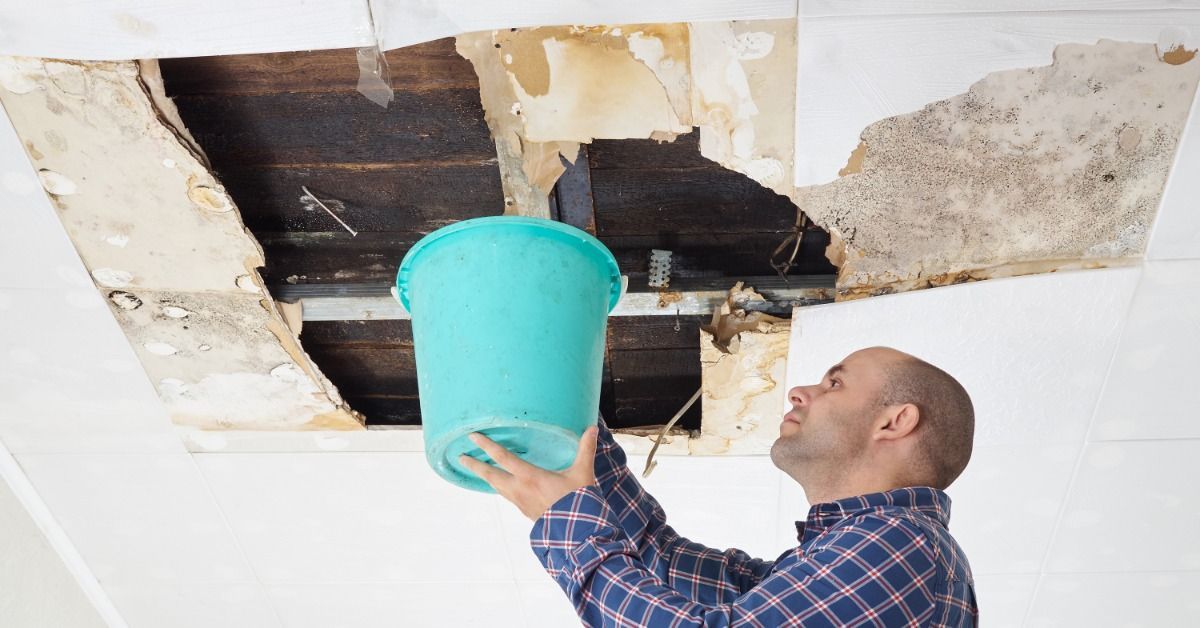
As moisture accumulates, it can soak into the roof deck and insulation. This not only weakens structural components but also creates conditions for mold growth. By the time signs appear inside your home, the damage may already be extensive.
Debris Causes Physical Damage and Blockages
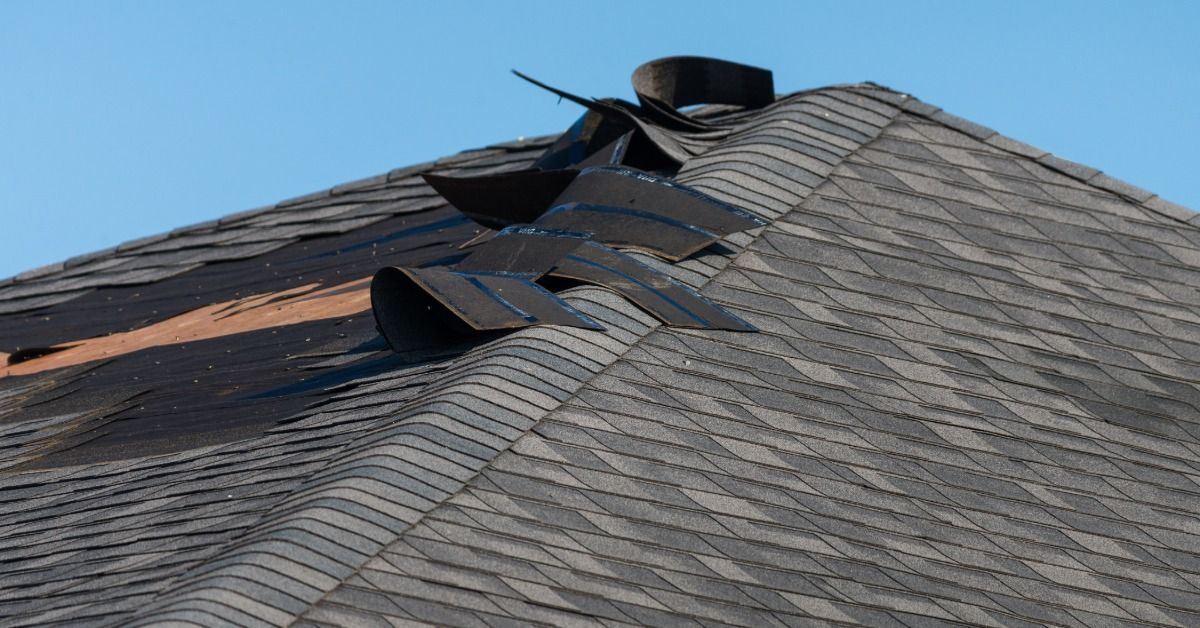
Storms frequently carry debris such as tree branches, leaves, and airborne objects. When these items land on your roof, they can cause immediate and long-term problems.
Large branches can break shingles or even puncture the roof surface. Even smaller debris can scrape against shingles and remove protective layers. Over time, this wear reduces the lifespan of your roofing system.
Debris also tends to collect in valleys and gutters. When these areas become clogged, water cannot drain properly. Standing water increases the risk of leaks and accelerates the deterioration of roofing materials.
Ice and Temperature Changes Create Stress
Severe storms often bring rapid temperature changes, especially in regions like the Chicago area. These fluctuations cause roofing materials to expand and contract, which places stress on the entire system.
When temperatures drop quickly after a storm, trapped moisture can freeze. As water turns to ice, it expands and widens small cracks or gaps in the roof. This process can worsen minor damage and create new vulnerabilities.
Repeated cycles of freezing and thawing weaken shingles and underlayment over time. This type of damage may not be immediately visible, but it gradually reduces the effectiveness of your roof.
Flashing and Seals Become Compromised
Flashing plays a critical role in protecting areas where the roof meets other structures. Storm conditions often target these areas because they are naturally more exposed.
Strong winds can loosen flashing, while heavy rain can wear down sealants. Once these components fail, water can easily enter around chimneys, skylights, and vents. These leaks often develop slowly, making them harder to detect early.
Sealants around roof penetrations also degrade under harsh weather conditions. When they crack or pull away, they leave small openings that allow moisture to enter. Addressing these issues quickly helps prevent more extensive damage.
Gutter Systems Affect Roof Performance
Your gutter system works alongside your roof to direct water away from your home. During severe storms, gutters can become overwhelmed or damaged, which impacts how your roof handles water.
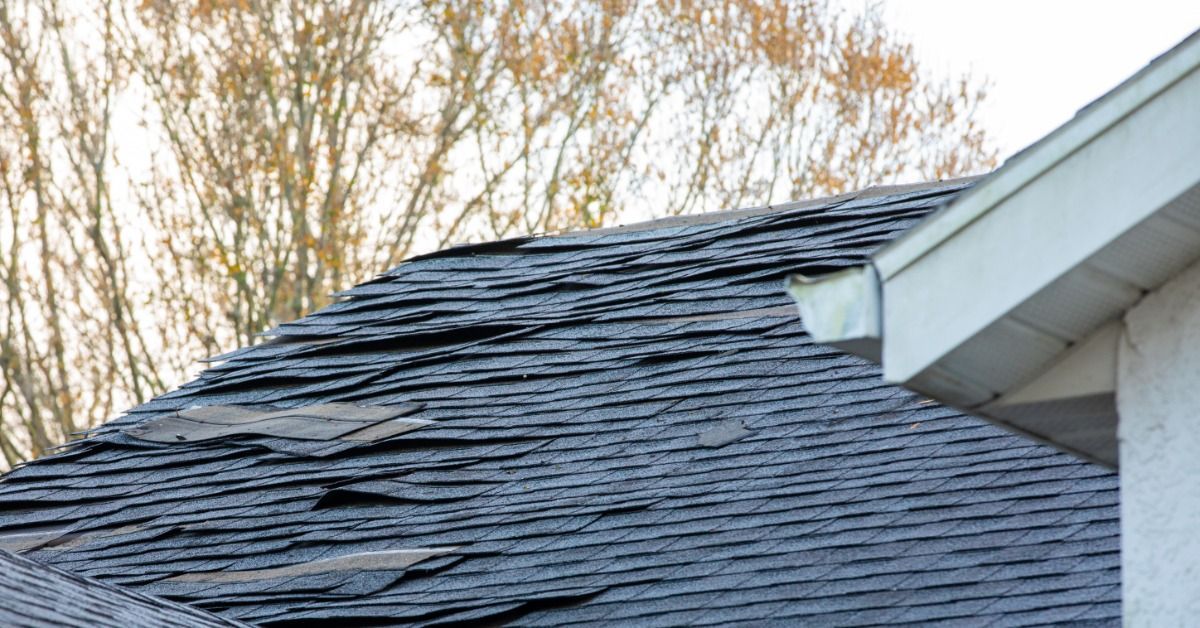
Clogged gutters cause water to back up onto the roof surface. This standing water increases the likelihood of leaks and accelerates material wear. Over time, it can also lead to sagging or structural damage.
Storm debris can also detach gutters or pull them away from the roofline. When gutters fail, water spills over the edges and may seep into areas it should not reach. This can damage both the roof and the foundation of your home.
Why Professional Inspections Matter
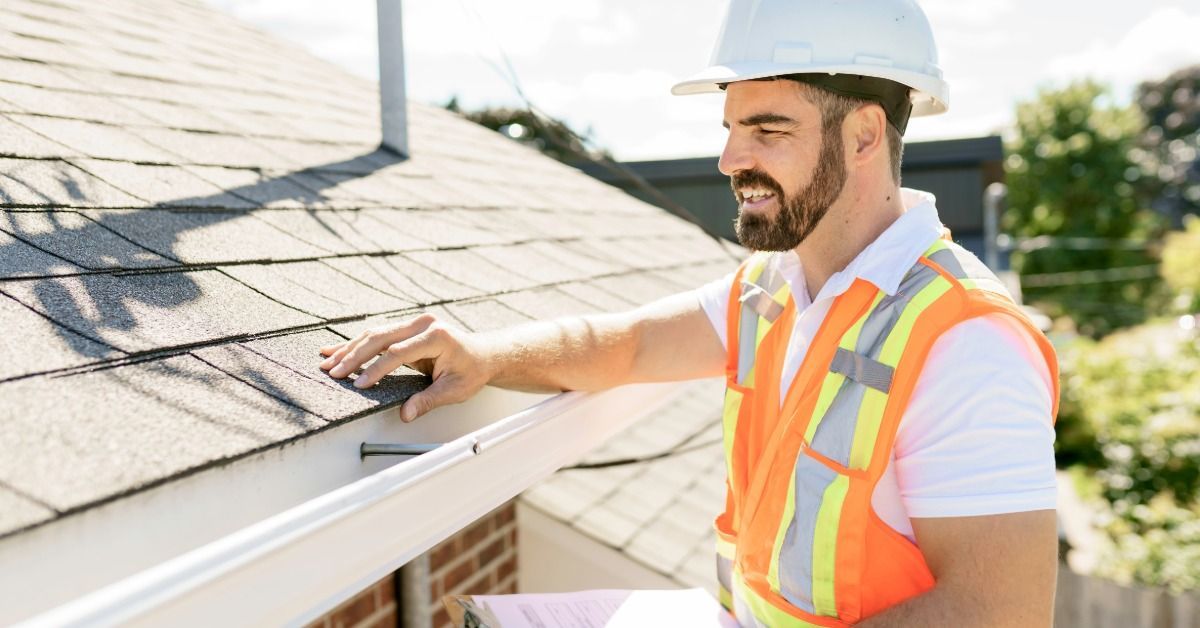
After a severe storm, it is not always possible to identify damage from the ground. Many issues develop beneath the surface or in areas that are difficult to see without proper training.
A professional inspection provides a thorough evaluation of your roof’s condition. Experienced contractors know where to look for both obvious and hidden damage. They can identify problems early and recommend the right course of action.
Regular inspections also help document storm damage for insurance purposes. This can make the claims process smoother and ensure you receive the coverage you need for repairs.
Protect Your Home After Storm Damage
Understanding the ways severe storm damage impacts your roof gives you the knowledge to act quickly and protect your investment. Storms can weaken your roof in multiple ways, often without immediate signs of trouble. Addressing damage early helps prevent more serious issues and extends the life of your roofing system.
Prusak Roofing brings over 55 years of experience serving homeowners throughout the greater Chicago area. Our team understands how local weather conditions affect roofing systems and responds quickly after severe storms. From detailed inspections to complete storm damage roof repair, we provide dependable solutions tailored to your home’s needs. Request a free quote today.