Roofing is a crucial home component, providing protection against environmental conditions. Some homeowners opt for DIY roofing projects despite its importance, often underestimating the hazards. This comprehensive guide sheds light on potential dangers associated with DIY roofing and emphasises the importance of professional roofing services.
The High Stakes of DIY Roofing
Roofing is not a task for the faint-hearted. It demands a balance of skill, experience, and caution. The high stakes in DIY roofing projects stem from the financial, functional, and personal safety risks.
Financial Risks
Contrary to popular belief, DIY roofing can be more costly than hiring professionals. This is primarily due to the potential for mistakes that could lead to further damage and the subsequent need for professional intervention. Moreover, the costs of materials, tools, and lost wages for the time spent on the project can add up quickly.
Functional Risks
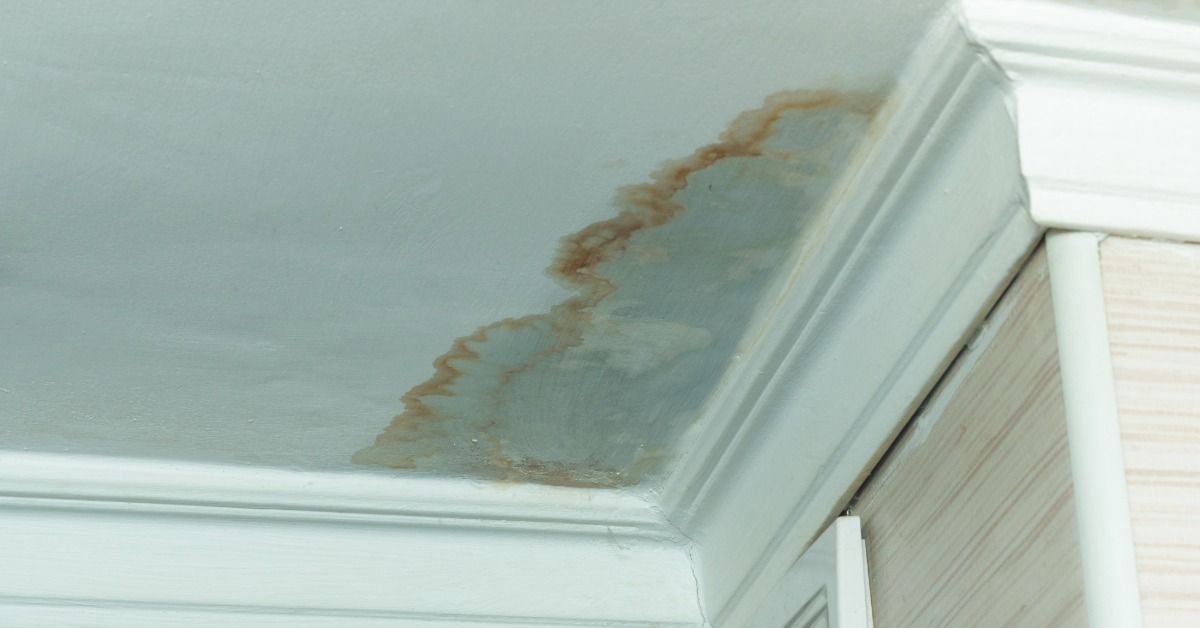
Roofs serve a vital function in preserving the structural integrity of a home, protecting it from external elements. A poorly executed DIY roofing project can lead to functional impairments such as leaks, structural damage, and poor insulation, resulting in costly repairs.
Personal Safety Risks
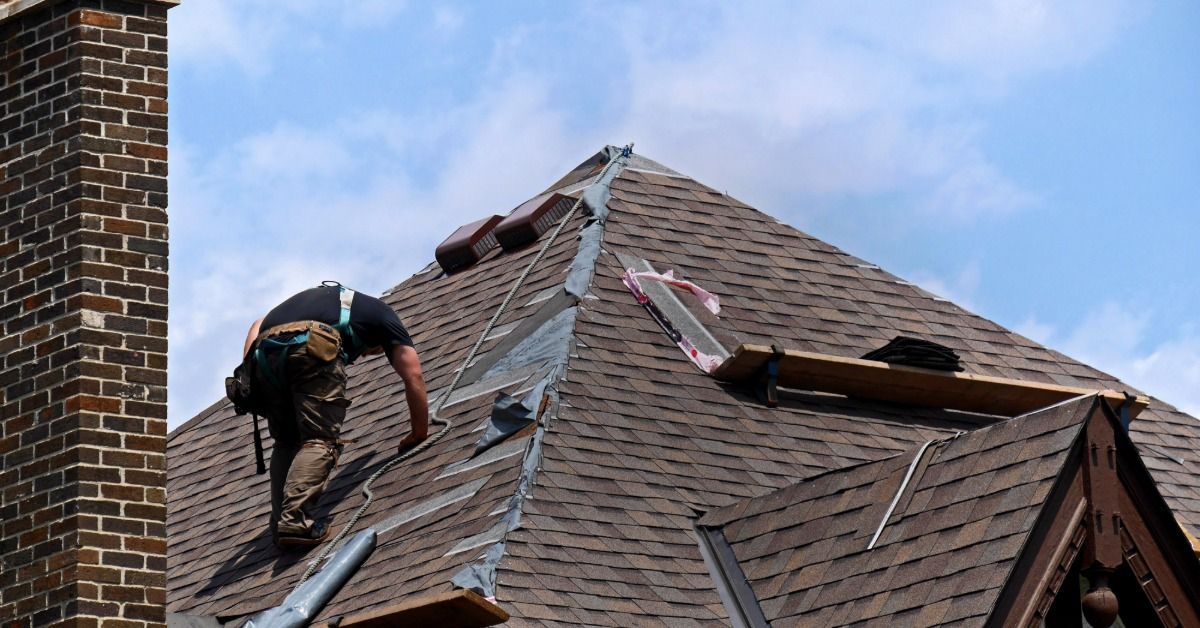
The most significant risk associated with DIY roofing is personal injury. Working at heights, using tools without proper training, and the potential for slips and falls make roofing hazardous for inexperienced individuals.
Injuries: The Most Immediate Hazard
Injuries are the most immediate and evident hazards in DIY roofing. The risk of bodily harm is high, from minor cuts and bruises to severe accidents such as falling off the roof.
Incorrect Use of Tools
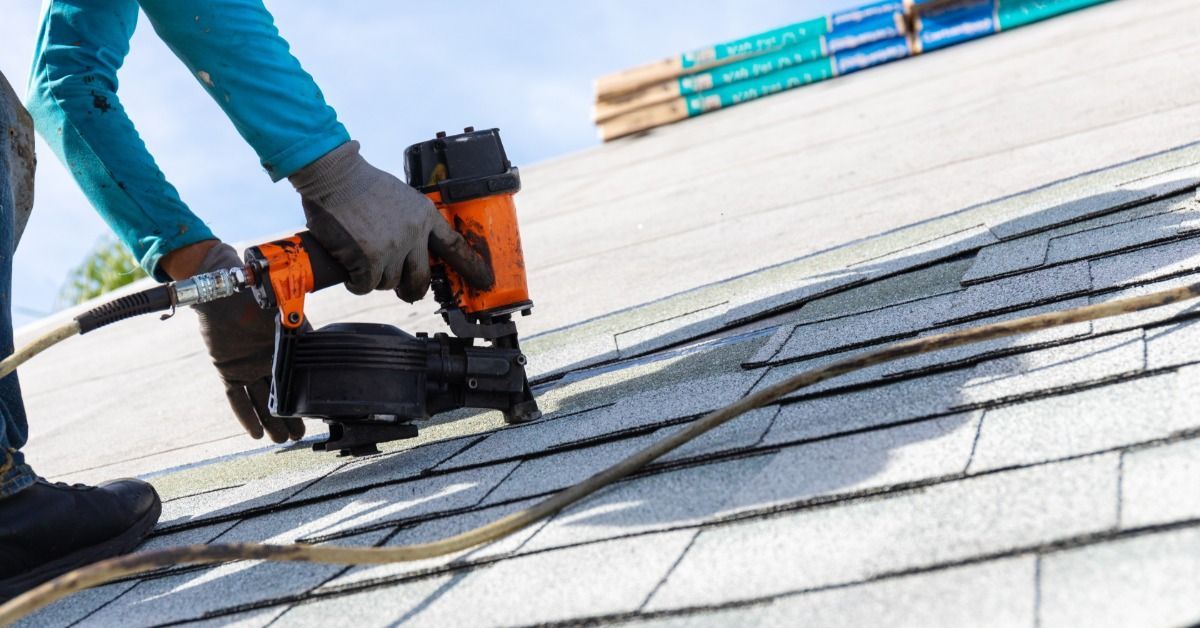
Roofing projects require specialised tools. Improper use of these tools can lead to injuries. For instance, using a roofing nailer incorrectly can result in severe wounds.
Falling Through the Roof
Old or poorly maintained roofs may have weak spots. These dangerous areas can go unnoticed without a professional inspection, leading to potential falls through the roof.
Falling Off the Roof
The most significant risk in DIY roofing is falling off the roof. Steep roof pitches and slippery surfaces increase the potential for losing footing and falling from a significant height.
The Pitfalls of Incorrect Diagnosis
A common mistake in DIY roofing is incorrect diagnosis of the issue. Without professional training and experience, it's challenging to accurately assess the extent of damage or identify potential problems. This can result in ineffective solutions and further damage.
Substandard Materials: A Hidden Danger
The use of substandard materials is another common pitfall in DIY roofing. Professional roofing contractors have access to high-quality materials and the knowledge to choose the right ones for specific roof types and conditions. Lower-quality materials may not withstand harsh weather conditions, leading to leaks, mould, and structural damage.
Voiding Your Roof Warranty
Many homeowners are unaware that DIY roofing projects can void their roof warranty. Professional roofing contractors offer warranties due to their use of high-quality materials and proper installation methods. Undertaking the work yourself can invalidate this warranty, leaving you to cover any damage repair costs.
The Strain of DIY Roofing
DIY roofing doesn't only pose financial and safety risks; it can also put considerable physical strain on individuals. Lifting heavy materials, climbing ladders, and maintaining balance on a steep roof can be strenuous and exhausting. Overexertion can lead to various injuries, from back pain and muscle strain to more serious conditions like "roofer's knee" or "roofer's elbow".
The Pitfall of Inexperience
Roofing is a complex task that requires specific skills and knowledge. Inexperience can lead to overlooked crucial steps in roofing, resulting in a poorly installed roof. This compromises the structural integrity of your home and can lead to significant repair costs.
The Importance of Hiring Professional Roofers
Given the risks and potential hazards involved in DIY roofing, hiring professional roofing contractors is advisable. They are trained and experienced in handling various roofing projects and have the necessary safety equipment and knowledge to avoid common roofing hazards.
Safety First
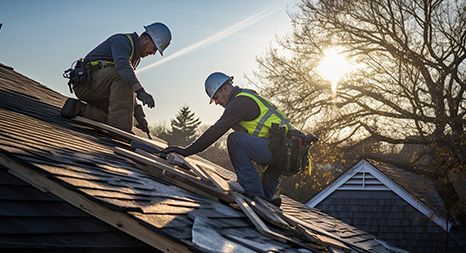
Professional roofers prioritise safety in all their projects. They are trained to handle heights, use tools correctly, and identify potential dangers on a roof. They also have the necessary safety gear to protect themselves during the job.
Quality Materials and Workmanship
Professional roofers have access to high-quality materials and are knowledgeable about the best ones for different roofing needs. They also guarantee quality workmanship, ensuring your roof is installed correctly and efficiently.
Warranty Protection
Professional roofing services often come with warranties, ensuring your roof is covered for any damage within a specific timeframe. This provides peace of mind and can save you significant repair costs.
Insurance Liaison
Professional roofers can liaise with your insurance company to ensure coverage of all relevant damages and guarantee payment of standard regional pricing.
Cost-Effective
While hiring professional roofers may seem more expensive upfront, it can be more cost-effective in the long run. Professional roofers get it right first, saving you from the additional costs of fixing mistakes or repairing damage caused by DIY attempts.
While DIY projects can be rewarding, roofing is a task best left to professionals. The risks far outweigh the potential benefits, with the potential for serious injuries and significant financial repercussions. If you need roofing services in the Chicagoland area, look no further than
Prusak Roofing. With over 55 years of experience, we guarantee top-quality service and workmanship.
Contact us today for a free, no-obligation estimate and let us take care of your roofing needs safely and efficiently.