How to Deal with Common Winter Roofing Issues in Orland Park, IL
More than 60% of people spend less than 15 minutes outside each day during the winter months. It's simply too cold to do anything other than walk to their cars and back.
It's easy to see how the exteriors of homes can get a little neglected during this season. But that doesn't mean winter roofing issues aren't happening all around. There are many problems that homeowners aren't preparing for, which can lead to a serious disaster.
Knowing the potential dangers can help homeowners prepare their roofs for a safe winter season. Check out these common issues and winter roof maintenance tips to avoid them!
Ignoring Signs Before the Cold Weather
Many of the common roof problems in winter actually start long before the weather turns. Too often, small damage is left unattended, and then the cold weather makes it ten times worse.
Until finally, you don't have a functioning roof anymore.
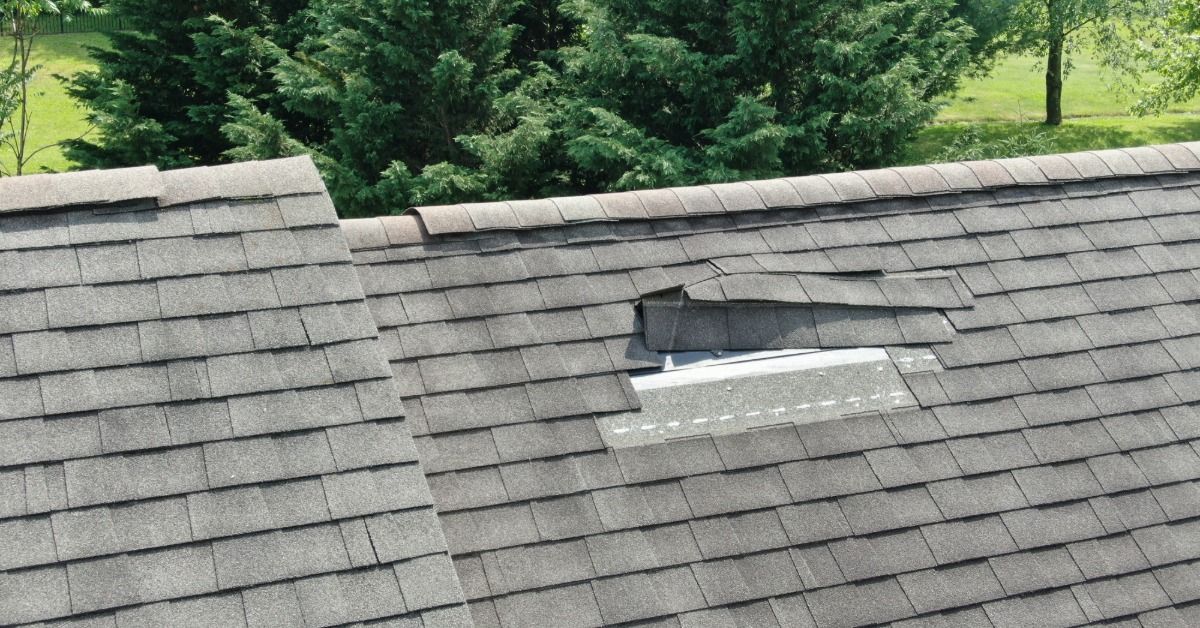
It's important to watch for signs that your roof is having issues all year round. The most common being:
- shingle damage
- sagging areas
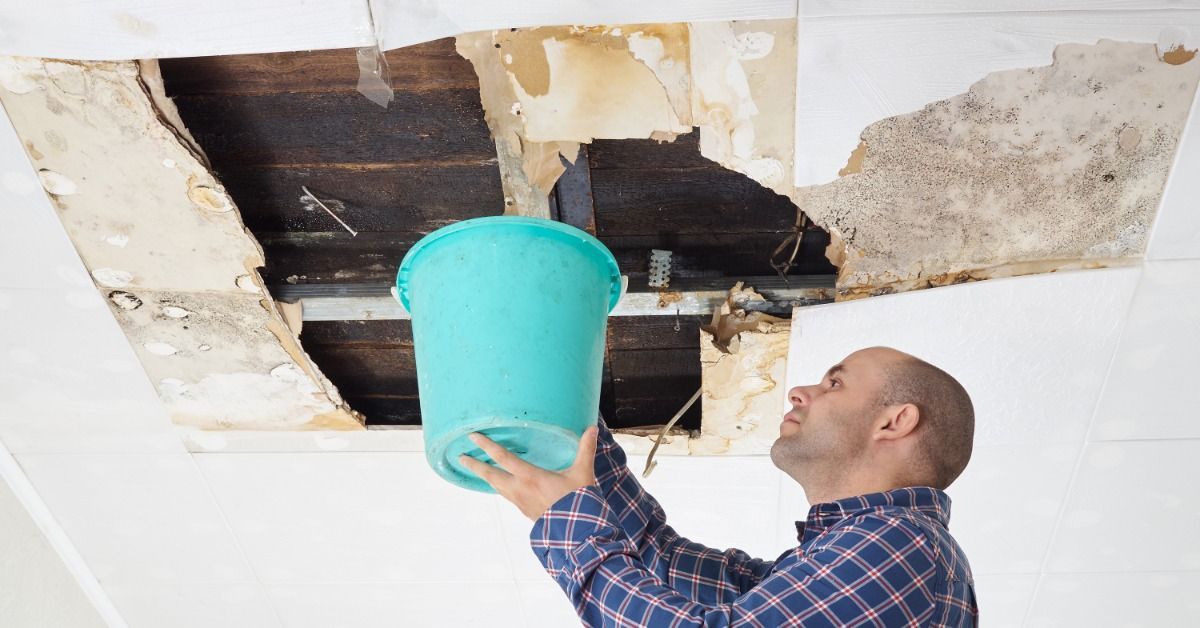
- standing water inside
- water stains on the ceiling
- high energy bills
These are tell-tale signs that something is going on and needs to be addressed quickly, especially before you add a lot of extra moisture.
Never Checking the Attic
While it is definitely important to pay close attention to your roof and how it looks, it's equally important to keep an eye on things inside as well.
In particular, it's a good idea to regularly inspect your attic to maintain roof health. A damaged roof often leads to more moisture inside the space underneath, and that doesn't always mean large puddles pooling all around.
Condensation can be a clear sign that you've got a roof issue. Repairing those areas will help you avoid lasting damage.
Failing to Remove Snow Accumulation
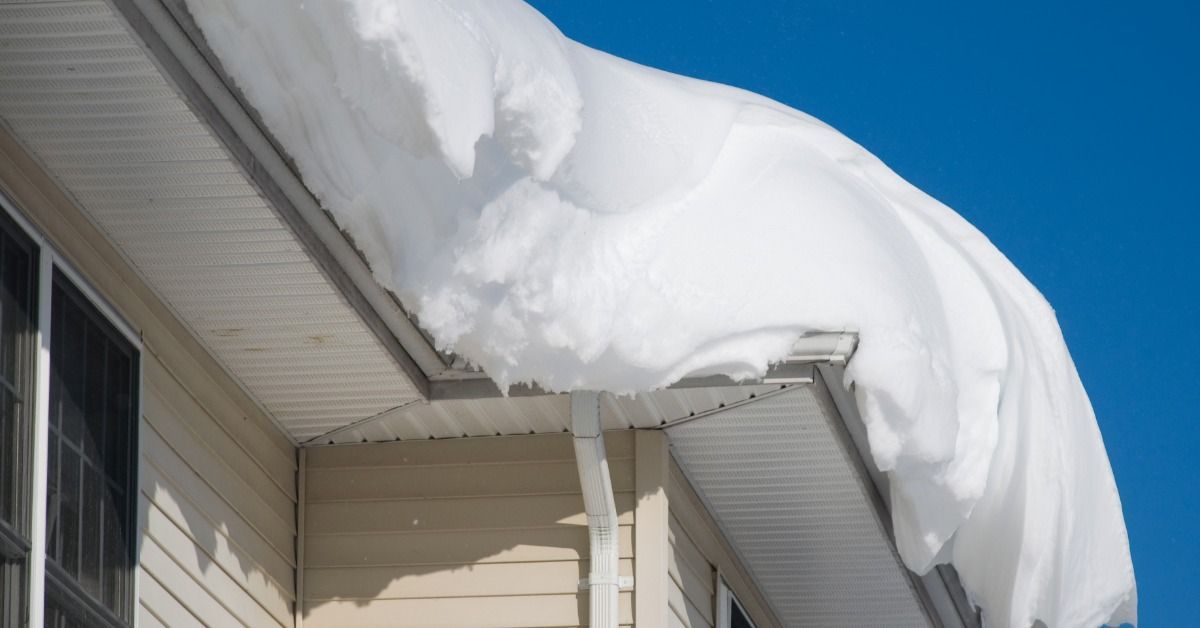
The worst part about a winter snowstorm is having to shovel afterward. That white blanket can be beautiful and make you feel cozy inside. But letting it stay too long will always lead to problems, especially for your roof.
One of the biggest problems is that snow is often very heavy. That extra weight can strain the structure, making it sag or even buckle under the pressure.
To alleviate the pressure, it's important to remove as much of the snow as possible. If you can't get to the whole roof, focus on the biggest drifts to even things out.
Leaving Ice Dams In-Tact
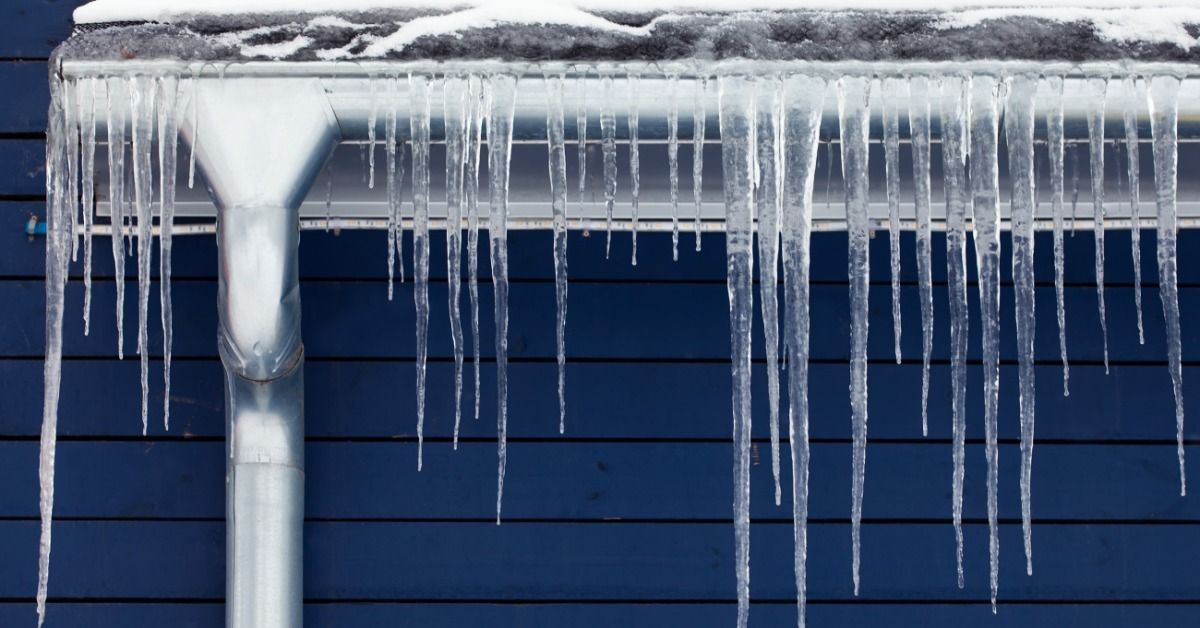
Another issue with large snow accumulation is when it starts to melt. That water has to go somewhere, and if something is blocking it, it's going to go down into your house. This isn't generally a problem homeowners have to deal with if the temperatures haven't been exceptionally cold.
But when it has been cold, you need to watch out for ice dams. Ice dams form when a layer of ice forms around the edge of the roof. They typically happen when the temperature fluctuates from day to night.
Take a look at your roof after a cold spell to spot any ice dams. If you see them, break them up so melting snow can pass off your roof!
Focusing on the Home Exterior
It may sound counter-intuitive, but to protect your roof during winter, you have to look beyond the roof itself.
The surrounding landscaping poses a major potential threat to your roof. Before the snow and cold start, take a look at what may need trimming for a clear path. You want to eliminate anything that could fall on your roof during a storm.
Waiting for Warm Weather to Make Repairs
There's really never a good time for home repairs, and no one wants to work on their exterior in the cold weather.
But putting off repairs until the weather gets better is a risky gamble. Chances are the extra time and exposure to the elements is going to make the problem much worse.
The best thing you can do is contact a professional as soon as you notice a problem. They can assess the situation and determine what needs to be done now or what can wait. They can also help you through the entire repair process.
The Role of Insurance in Roof Repairs
Your homeowner's insurance policy can sometimes cover roof repairs, especially when caused by storms or other covered perils. To make the most of your coverage:
- Document damage immediately: Take photos of visible damage to provide evidence for your claim
- Work with a trusted contractor: Professionals like Prusak Roofing can help you navigate the claims process
- Review your policy: Understand what your insurance covers and whether you're responsible for deductibles
Proactive maintenance and timely repairs can lower your insurance premiums, as insurers favor well-maintained properties.
Protect Your Home With Proactive Roof Repair
Your roof is more than a structure. It's your home's shield. Staying proactive with maintenance and repairs ensures your roof lasts longer and performs better.
Oak Lawn homeowners should prioritize routine inspections, prompt repairs, and preventive measures to avoid pricey surprises.
Don't wait for roof issues to escalate. Ensure your home's protection and value with expert roof repair services. Contact Prusak Roofing, the trusted name in Oak Lawn, for a free estimate.