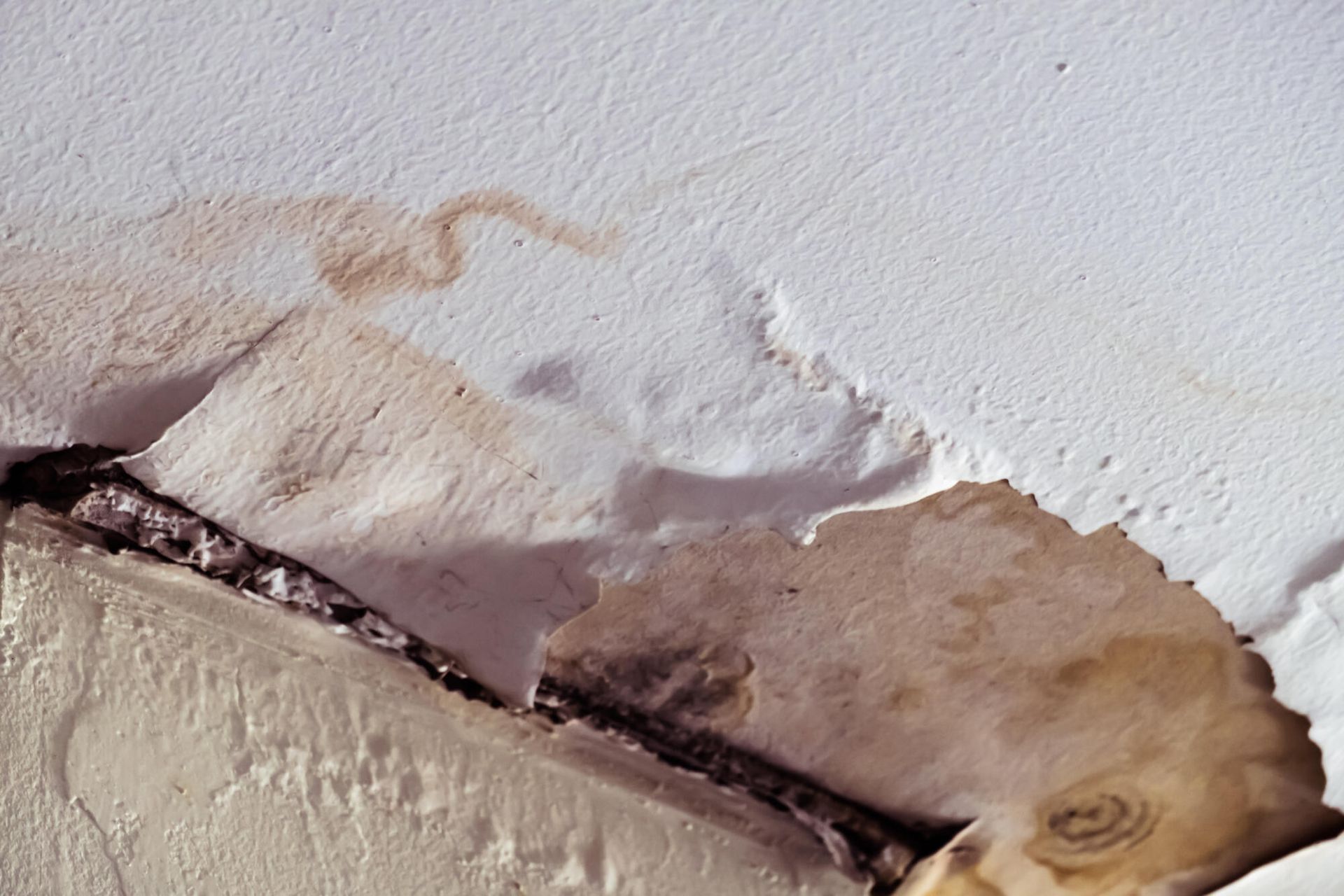
Approximately 11.7 million U.S. homes experience water leakage from outside each year, according to the U.S. Census Bureau. That's a staggering number of households left vulnerable to deeper structural damage.
Even the smallest roof leak can weaken framing, ruin insulation, and lead to costly mold growth. That's why every homeowner needs a sharp action plan.
The good news? We're diving into smart, immediate steps that make a difference. You'll learn what to look for, what to avoid, and how to protect your home efficiently.
If you're serious about roofing leak repair, now's the time to take action. Read on and take the steps that keep your home safe, dry, and worry-free.
Find the Source Fast
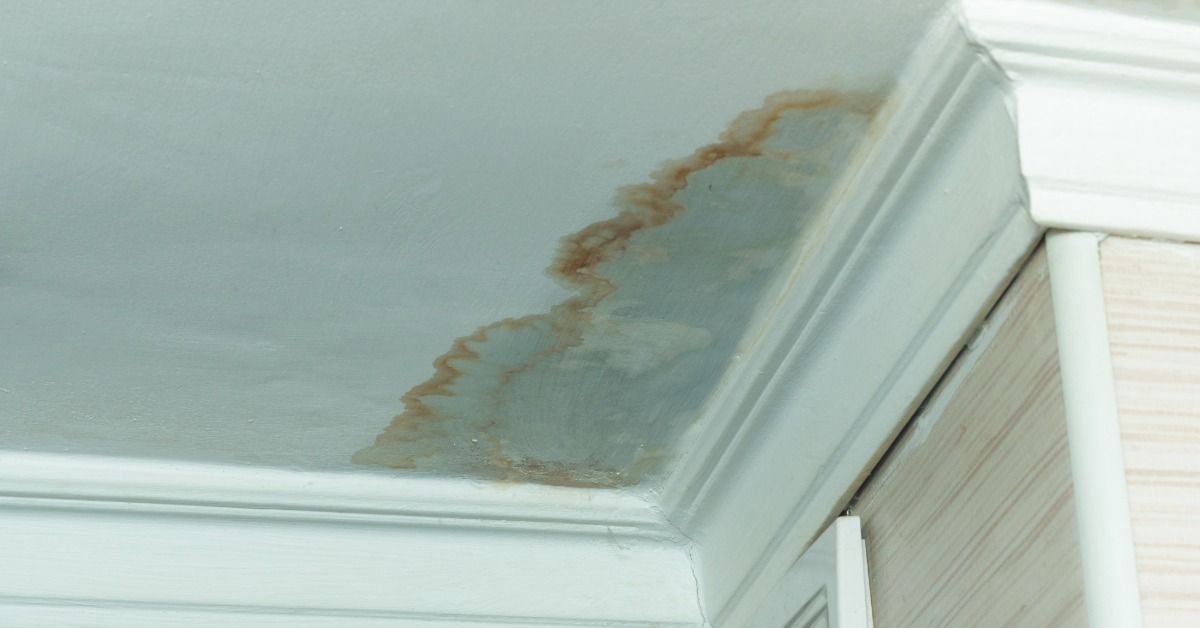
Finding the leak's origin is the hardest part. Water doesn't drip straight down; it often travels along rafters or beams first. That's why interior signs like ceiling stains or bubbling paint don't always point to the real issue.
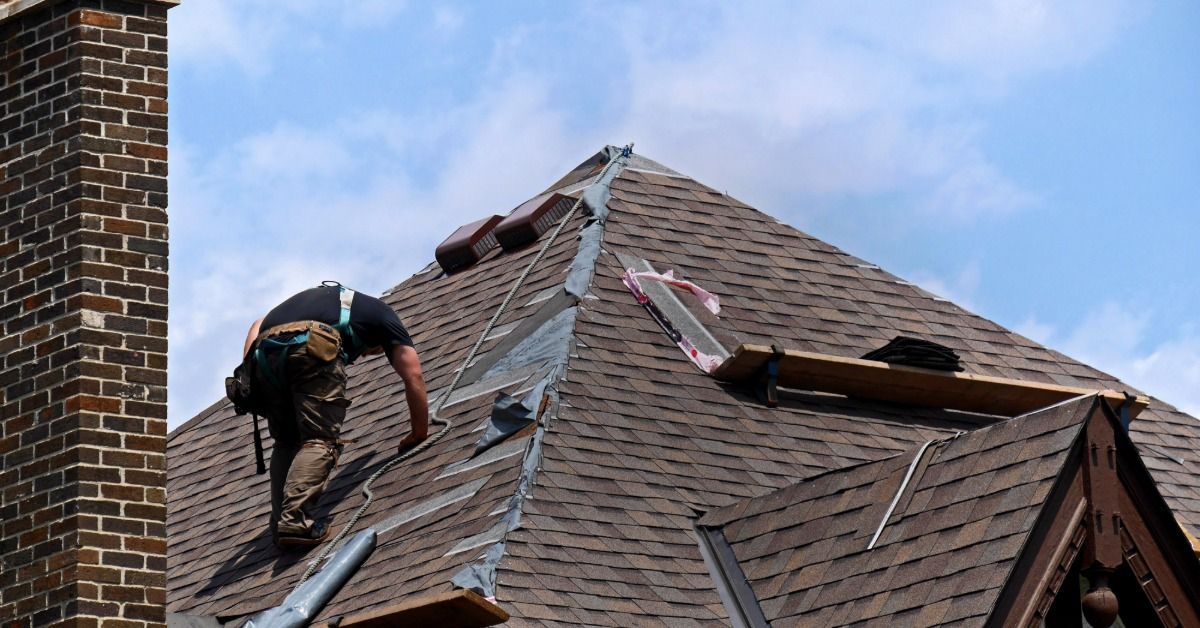
Start by checking the attic during daylight. Look for sunlight coming through the roof boards. Then inspect the roof surface.
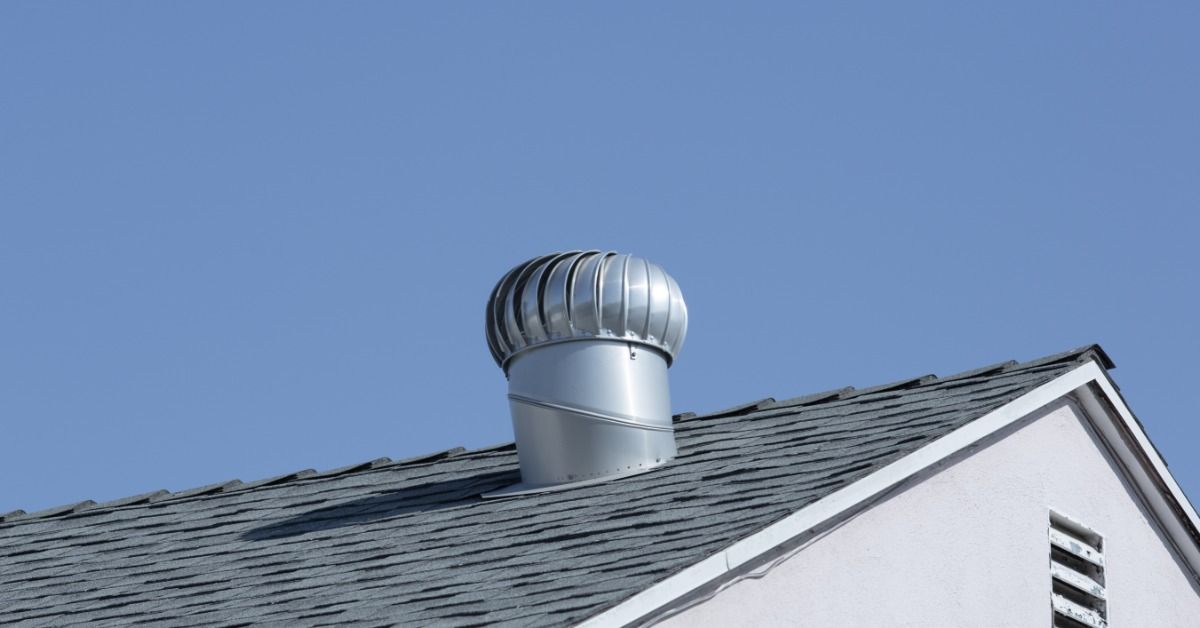
Focus on vents, flashing, and valleys; common weak spots. Wet insulation or water trails are red flags. Don't rely only on what you can see; water hides.
Use a hose if you must simulate rainfall. Have someone watch inside while you soak one section at a time.
To help locate leaks, check these common problem areas:
- Check attic seams
- Look for wet trails
- Examine flashing edges
- Inspect valleys carefully
Identifying early water damage can save thousands in repairs later. A rushed guess often leads to missed spots and repeated leaks. Take your time; it pays off.
Act Quickly with Temporary Fixes
Once you spot the leak, don't wait. Even a brief storm can cause major damage if water's already seeping in. Your first job is containment.
Use a tarp to cover the roof externally. Fasten it tight with 2x4s or weighted objects. Inside, catch the drip in a bucket. If the ceiling bulges with water, poke a hole and drain it to prevent collapse.
Temporary fixes are critical in emergency roof repair situations. Think of it as damage control until pros arrive.
Here's what you can do immediately to reduce water entry:
- Use a waterproof tarp
- Plug ceiling bulges
- Contain drips fast
- Weigh tarp corners
Quick patch jobs save interiors from disaster. Don't ignore even a minor leak; rain will find a way. Temporary fixes buy you time and prevent cascading damage while you wait for expert repair.
Schedule a Professional Inspection
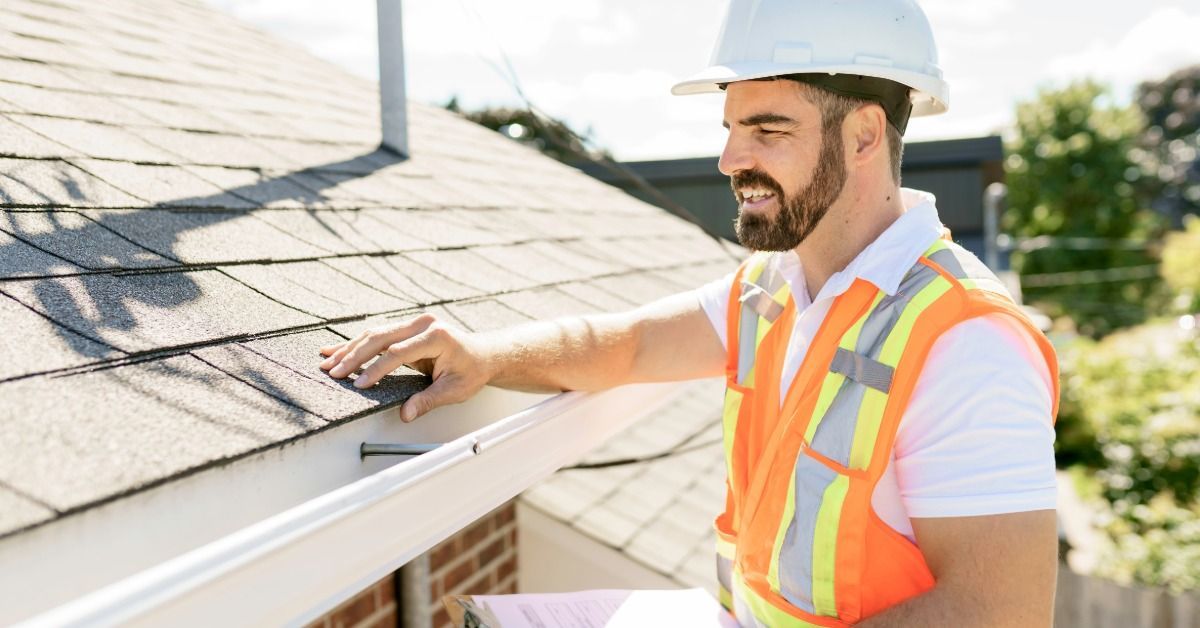
DIY steps are helpful, but roof issues often run deeper. Once things are contained, book a professional inspection. A certified roofer brings tools, training, and a second set of eyes.
Roofers will check everything: flashing, underlayment, shingles, and potential structural issues. You'll get a full report of what's wrong and how to fix it.
An inspection also identifies other weak spots. You might think one leak's the problem, but water may have been seeping in from multiple areas.
Professionals focus on these critical inspection points:
- Evaluating flashing seals
- Checking for hidden rot
- Testing the underlayment's health
- Reviewing the roof slope
A full roof inspection prevents bigger bills later. Don't settle for guesswork; expert input means fewer surprises and smarter decisions.
Make Targeted Repairs
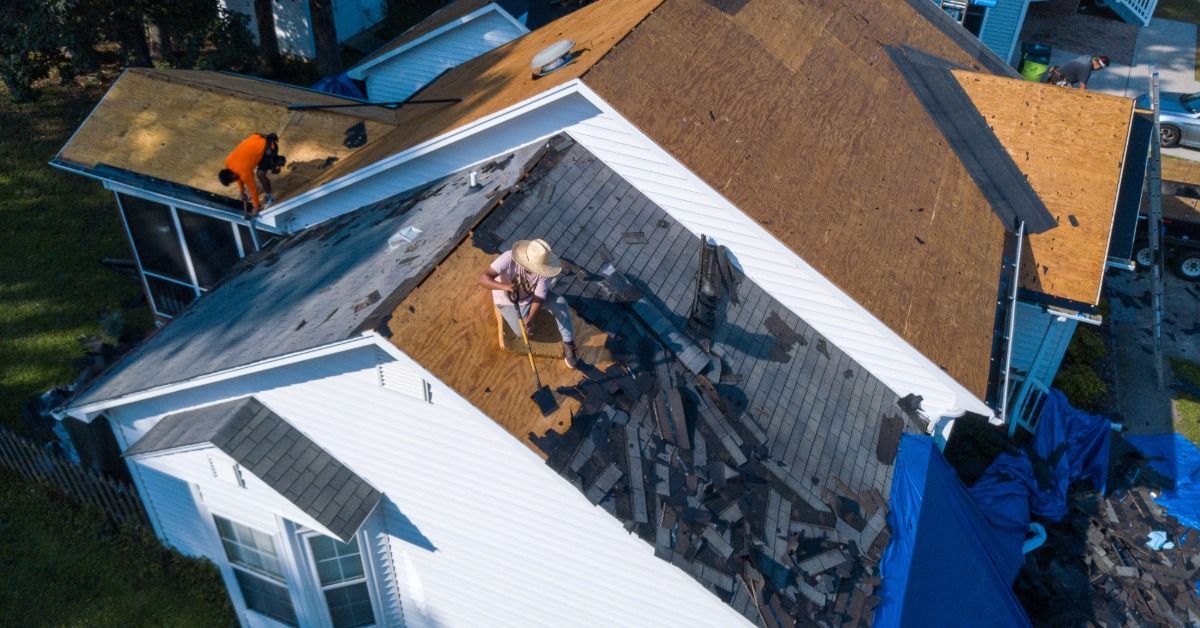
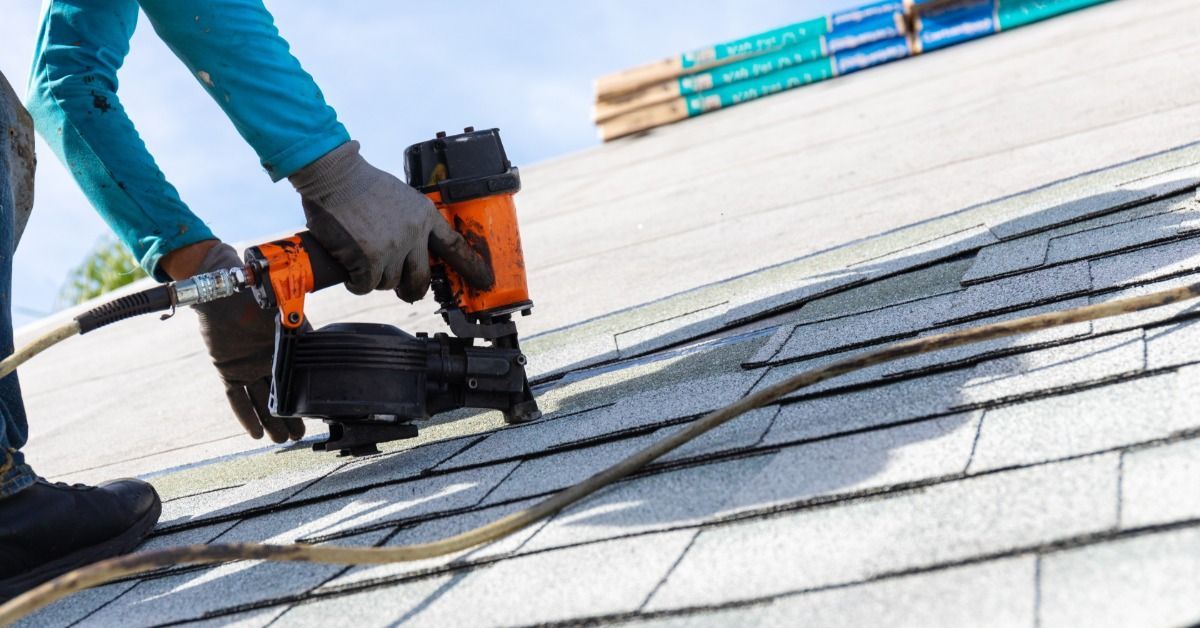
Once you know what's wrong, repair the leak the right way. Replacing a few shingles might do the trick, or you might need deeper work.
Avoid patchy fixes unless they're part of a plan.
Focus on quality materials and proper sealing. If flashing's rusted or curled, replace it. Any softwood should go. Reinforce vulnerable areas even if they aren't leaking; next time, they might.
Don't ignore ventilation. Poor airflow traps moisture inside the attic, turning small leaks into bigger messes.
When making repairs, focus on these key areas:
- Replace damaged shingles
- Fix warped flashing
- Remove soft decking
- Improve attic airflow
Quality repairs extend roof life and reduce repeat problems. Fixing the surface without addressing what's underneath won't last long. Spend smart now and save later.
Keep Up with Routine Maintenance
One repair isn't enough, the majority of the time. Roofing problems come back if you don't stay alert. Build a seasonal routine that protects your investment long-term.
Start with gutter cleaning; backed-up water causes pooling. Trim nearby trees that could drop branches. Scan for cracked caulking, loose flashing, or missing shingles.
A good roof maintenance routine includes:
- Cleaning out gutters
- Trimming hanging limbs
- Resealing flashing seams
- Checking attic airflow
Consistent roof maintenance protects your home through every season. A few hours each year could mean thousands saved and a safer, drier home for your family.
Don't Underestimate Small Signs
Small clues often point to big problems. A single drip, a faint stain, or a loose shingle might seem harmless, but they're often early warnings. Ignoring them leads to costly repairs.
Water moves quietly. What starts as a small mark on the ceiling can soon turn into major water damage inside your walls or insulation.
Mold may follow, bringing health risks and bigger bills.
Stay alert and act quickly when something seems off. Even if it feels minor, take it seriously. Use a flashlight to check dark corners of the attic and corners where the roof meets the walls. Look for peeling paint or warped wood.
Pay attention to these warning signs:
- Small ceiling stains
- Loose shingles
- Soft spots on walls
- Discolored insulation
Minor signs mean something's already gone wrong. Catching it early puts you in control before the damage spreads or worsens.
Smart Roofing Leak Repair Prevents Bigger Trouble
Roofing leak repair isn't optional; it's your best defense against silent damage that spreads fast. Letting leaks linger risks structural rot, ruined insulation, and mold behind your walls. Stop the drip now and protect the home you've worked so hard to build.
Let craftsmanship passed down through generations restore your peace of mind. Prusak Roofing blends family tradition with precision techniques, using premium Owens Corning materials for repairs that last.
Let your roof tell a story of resilience; start that chapter with Prusak Roofing.