How Wind Uplift Can Damage Your Roofing System
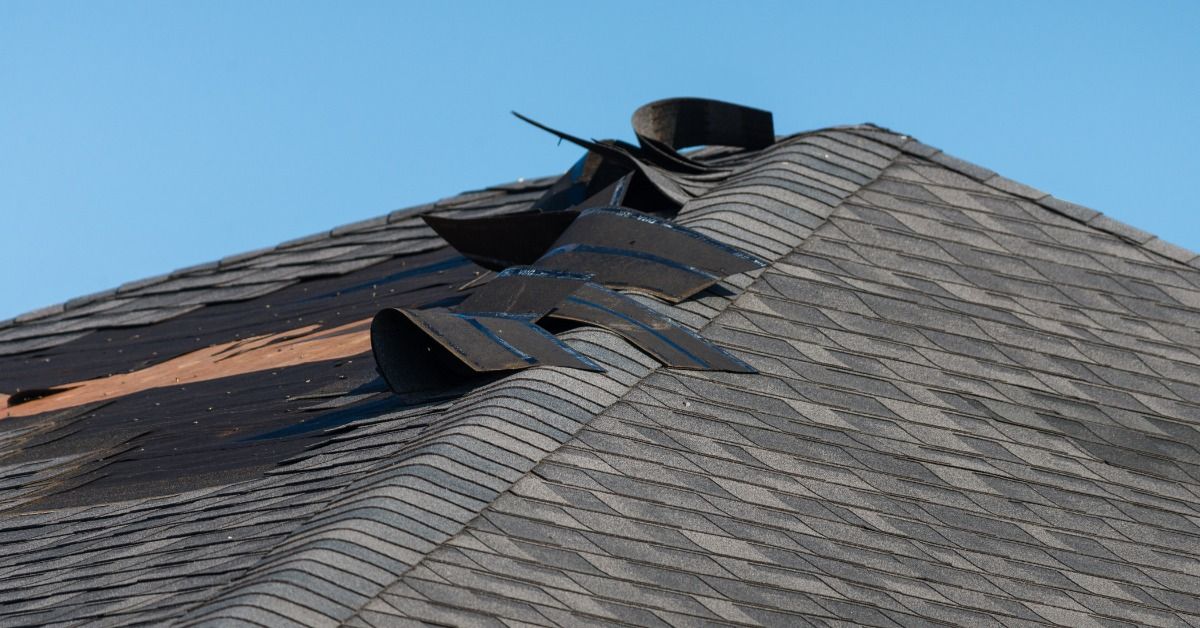
Strong winds can threaten a roof even when a storm brings little rain. As air moves across your home, changing pressure can pull upward on roofing materials and weaken their attachment to the structure. Understanding how wind uplift can damage your roofing system helps you recognize problems before another storm makes them worse. Chicago area homeowners should pay particular attention after gusty weather, especially when their roofs already show signs of wear.
What Causes Wind Uplift on a Roof?
Wind uplift develops when moving air creates a pressure difference around your roof. Wind flowing over the surface can lower pressure above it, while air entering through openings may increase pressure beneath the roof assembly. Together, these forces push roofing components upward rather than simply pressing against them. The effect can become especially strong near roof edges and corners, where airflow changes direction.
A roof should resist these forces through properly installed materials and secure connections. However, aging fasteners or deteriorating sealant can reduce that resistance. Once wind finds a loose section, repeated gusts may lift it farther. What begins as a small opening can eventually expose the materials underneath.
Why Roof Edges Face Greater Risk
Roof edges often experience concentrated uplift because wind accelerates as it passes around the building. The first row of shingles and the perimeter details must withstand this pressure while keeping water out. If an edge starts lifting, the wind can reach underneath nearby materials. That extra exposure makes additional movement more likely during the same storm.
Fascia and drip edge details also influence how well the perimeter holds together. Loose metal edging can rattle or pull away, leaving vulnerable areas exposed. Homeowners may notice bent trim or displaced shingles after severe gusts. A roofing professional can determine whether the damage affects only the visible edge or extends farther across the roof.
How Wind Uplift Affects Asphalt Shingles
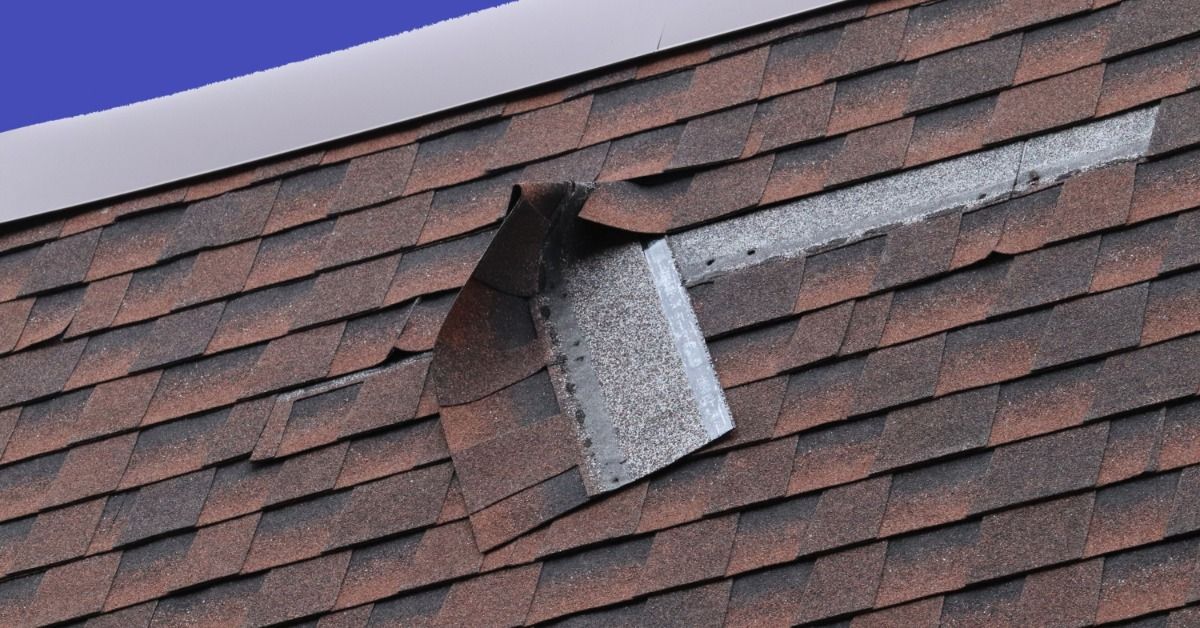
Asphalt shingles depend on proper fastening and adhesive bonding to remain secure. Strong gusts can lift shingle tabs when their seal strips have not bonded adequately or have weakened over time. Repeated bending may crease the shingle surface and damage its protective layers. Even if the tab settles back into place, the shingle may no longer resist future winds as intended.
Missing shingles create a more obvious concern. Their absence exposes underlayment and increases the chance that rain will reach vulnerable seams. Surrounding shingles may also lose support along their edges. Prompt repairs can limit the area that needs attention before another weather event arrives.
Why Small Openings Become Larger Problems
A lifted shingle can act like a flap when gusts repeatedly catch its exposed edge. Each movement puts more stress on the attachment points and may disturb adjacent shingles. Rain can then reach surfaces that the roof normally shields. Because these changes may happen gradually, homeowners overlook early warning signs until a later storm causes visible damage.
Damage To Flashing and Roof Penetrations
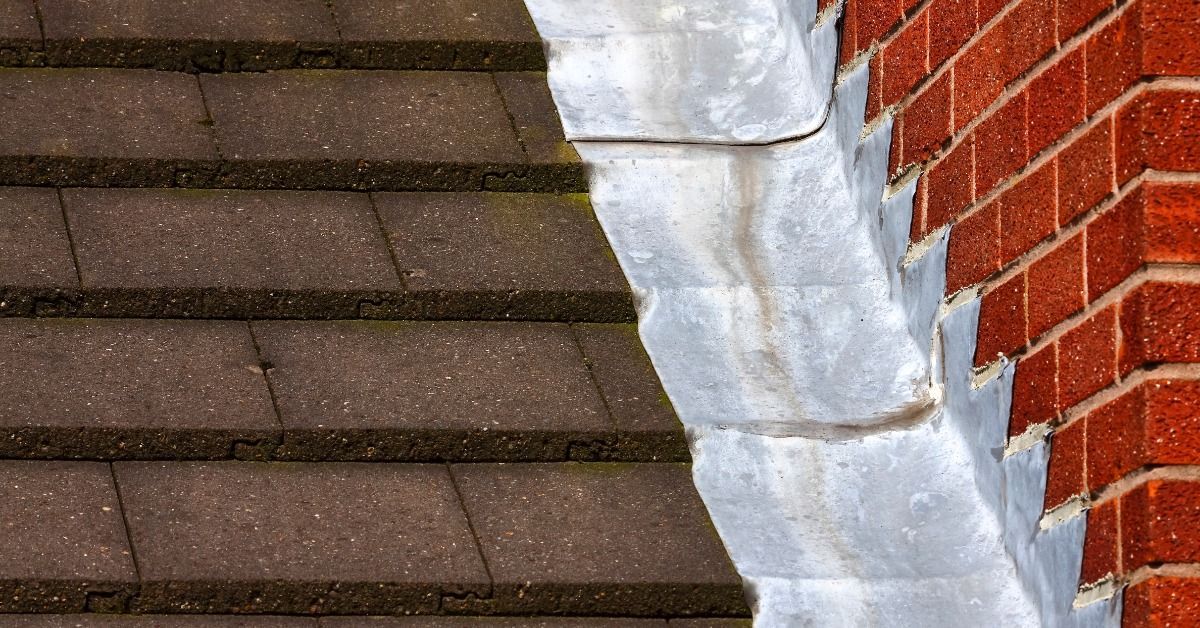
Flashing directs water away from transitions around chimneys and other roof openings. Wind uplift can loosen flashing when fasteners fail or surrounding materials pull away. Once gaps develop, wind driven rain can enter places that normally remain protected. These leaks may appear far from the original opening because water can travel along framing.
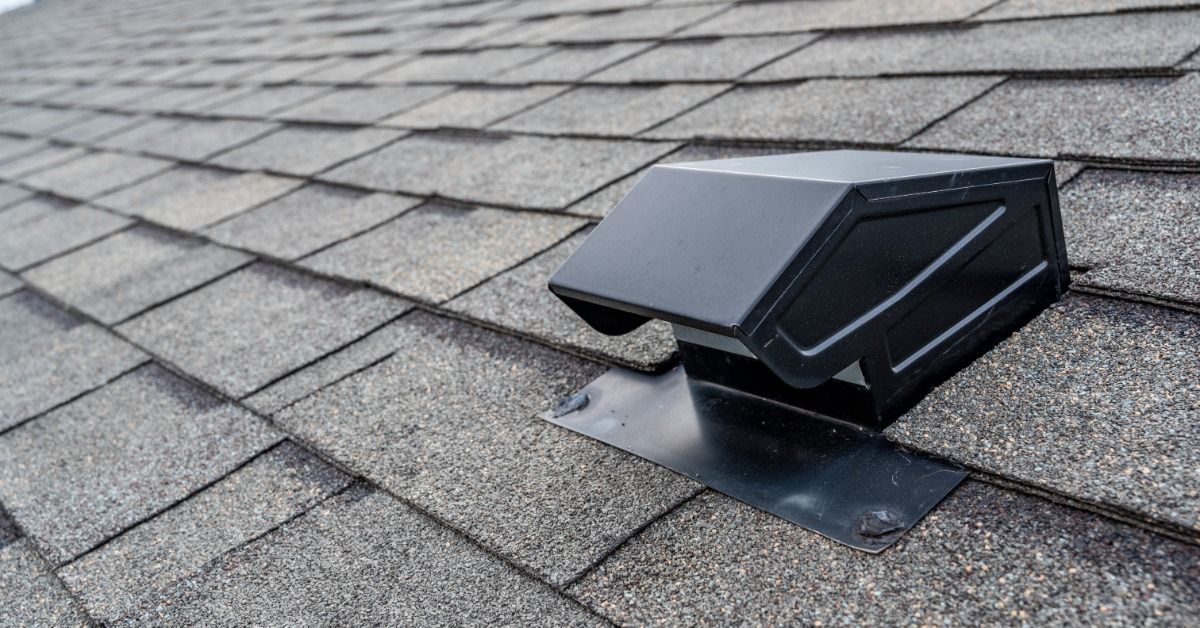
Vent pipes and roof vents deserve attention after a windy storm. Their seals can crack with age, and displaced roofing materials can expose the surrounding connections. A visual inspection from the ground may reveal an obvious problem, but smaller gaps often require closer professional evaluation. Avoid climbing onto a storm-damaged roof to investigate.
Hidden Problems Beneath the Roofing Surface
Wind damage does not always leave shingles scattered across the yard. Uplift can strain fasteners or separate sections of roofing material without completely removing them. This movement may weaken the roof assembly and create pathways for moisture. A homeowner might see a roof that looks intact while hidden areas need repair.
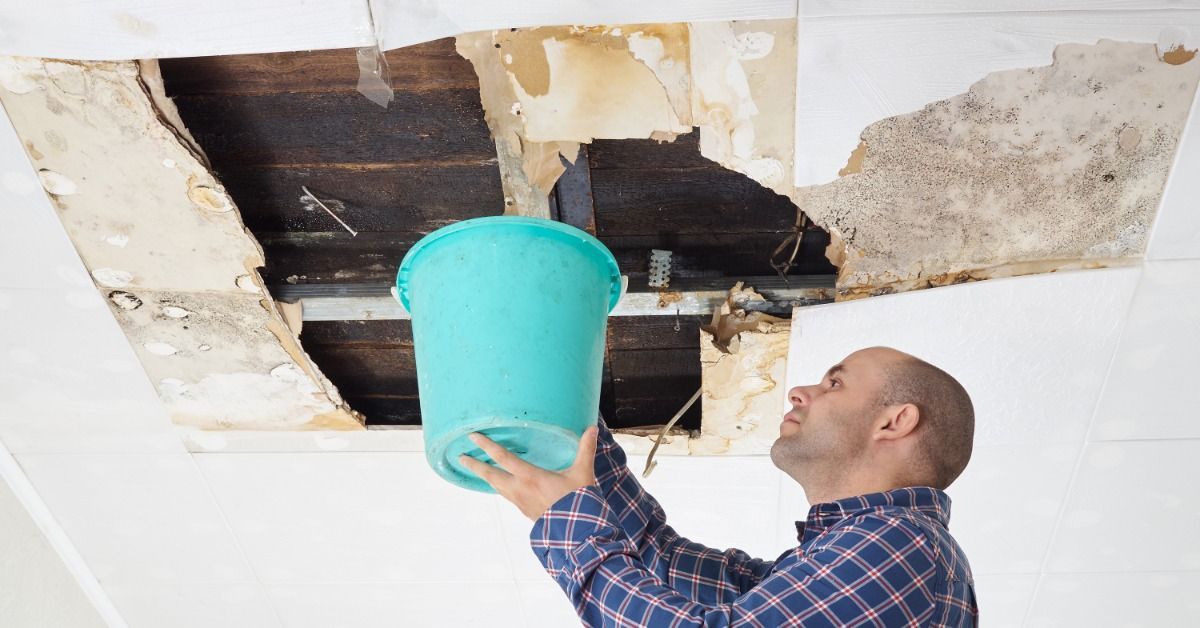
Moisture intrusion can gradually affect roof decking when openings remain unaddressed. Damp wood may lose strength over time, making future repairs more involved. Interior ceiling stains sometimes provide the first clue that water has entered. However, a stain alone cannot identify the exact location or cause of a roofing leak.
How Roof Age and Installation Affect Wind Resistance
Older roofing systems often face greater challenges during strong winds because their components have endured years of weather exposure. Shingle adhesives can weaken, and previous repairs may not match the surrounding materials. These conditions do not automatically mean a roof needs replacement. They do make a careful assessment worthwhile after a significant storm.
Installation quality matters just as much as material condition. Incorrect nail placement can leave shingles vulnerable to lifting, even when they look secure from the ground. Poorly attached perimeter components can also become failure points. A qualified contractor can assess visible damage and identify installation concerns that deserve attention.
Signs of Wind Uplift Homeowners Can Recognize
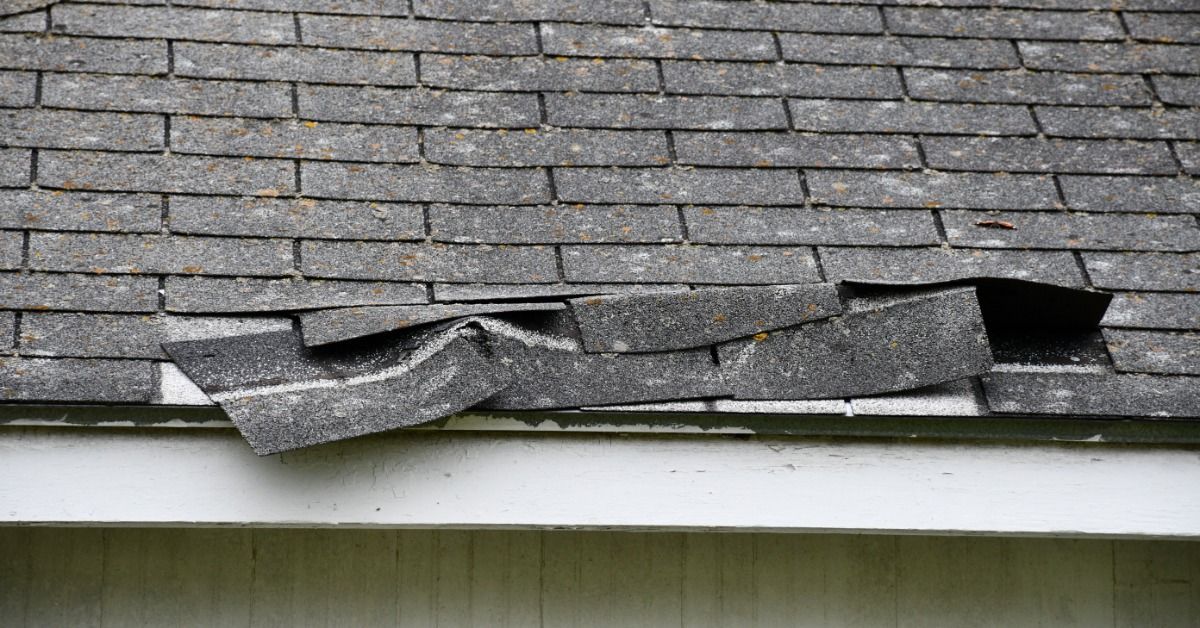
After a storm, walk around your property and look at the roof from a safe location. Watch for shingles that appear raised or out of alignment. Pieces of roofing material on the lawn may indicate that the wind loosened something above. You might also notice metal trim hanging away from the roofline.
Inside your home, check ceilings near exterior walls for new discoloration. Pay attention to dripping during rain that follows a windy day. Not every leak results from uplift, so avoid assuming the cause based on one symptom. A professional inspection can connect visible clues with the actual condition of the roofing system.
What To Do After Strong Winds
Start by documenting damage you can safely see from the ground. Take photographs of fallen materials and visible changes along the roofline. Keep people away from loose debris or hanging components. If water enters the home, protect belongings where possible without approaching electrical hazards.
Contact a roofing contractor before attempting temporary repairs yourself. Walking on a compromised roof can worsen damage and create serious fall risks. A professional can evaluate the affected area and recommend repairs suited to the roofing materials. Addressing problems promptly helps reduce exposure during the next storm.
Protect Your Home With Residential Roof Repair
Knowing how wind uplift can damage your roofing system makes it easier to respond when severe weather leaves your home vulnerable. Prusak Roofing provides residential roof repair for homeowners throughout Chicago and the surrounding suburbs. Our experienced team can inspect wind-related damage, explain the condition of your roof, and recommend appropriate repairs. Contact Prusak Roofing to request a free quote and help restore your roof's protection.