Extreme weather in the Midwest can wreak havoc on the roofs of homes and businesses. From heavy snowfall to relentless wind, the Midwest can be an unforgiving place for roofs.
When your roof takes on damage, it’s important to act fast to avoid further issues. To that end, this roof repair contractor in Burr Ridge, Illinois is going to review the steps homeowners should take to address roof damage caused by extreme weather.
Inspect Your Roof
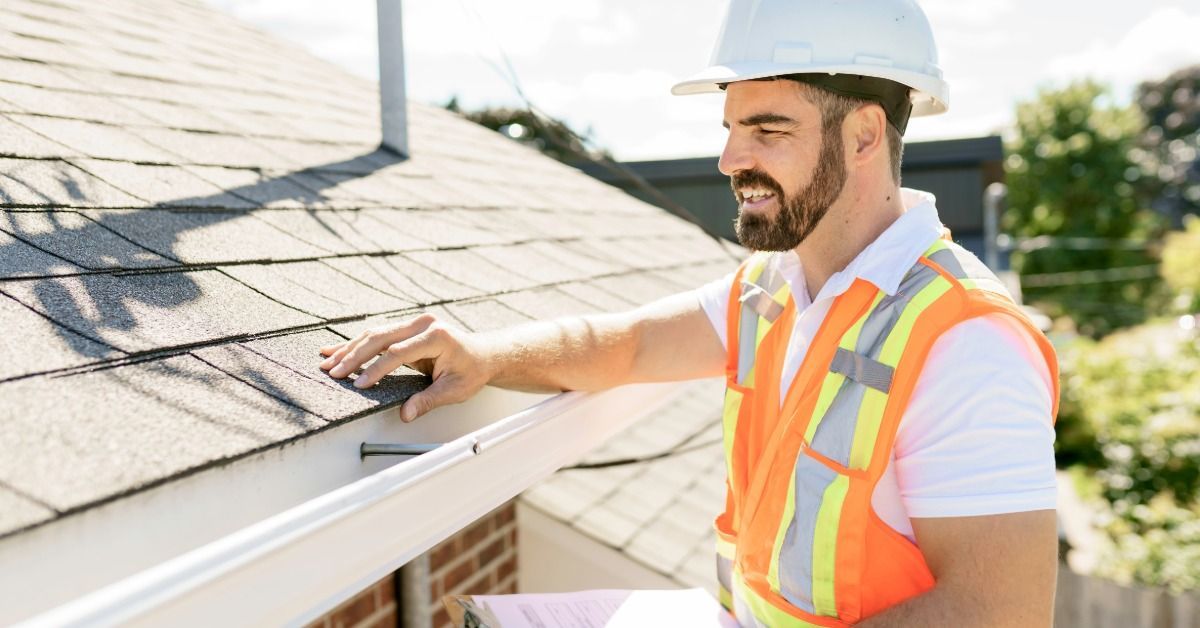
When extreme weather strikes, your roof can be especially vulnerable to damage. To prevent further damage and costly repairs, inspecting your roof and identifying any existing or potential problems is vital.
Here are some things to look out for during an inspection:
- Physical signs of damage, such as missing, cracked, buckled or broken shingles, gaps in flashing, and cracked or missing tiles
- Clogging and pooling water in gutters and downspouts
- Vegetation growing on the roof, such as moss, lichen, and weeds
- Signs of animal activity, such as droppings, nests, and tracks
- Signs of mold, mildew, and algae growth
- Structural damage, such as sagging roofs, bowed rafters or damaged flashing around chimneys and vents
Inspecting your roof regularly is essential for preserving its integrity and preventing future damage from extreme weather events. If you are unable to inspect your roof yourself properly, it is always best to contact a professional roof repair contractor in Burr Ridge, Illinois who can accurately diagnose any issues and recommend a plan of action.
Check for Leaks
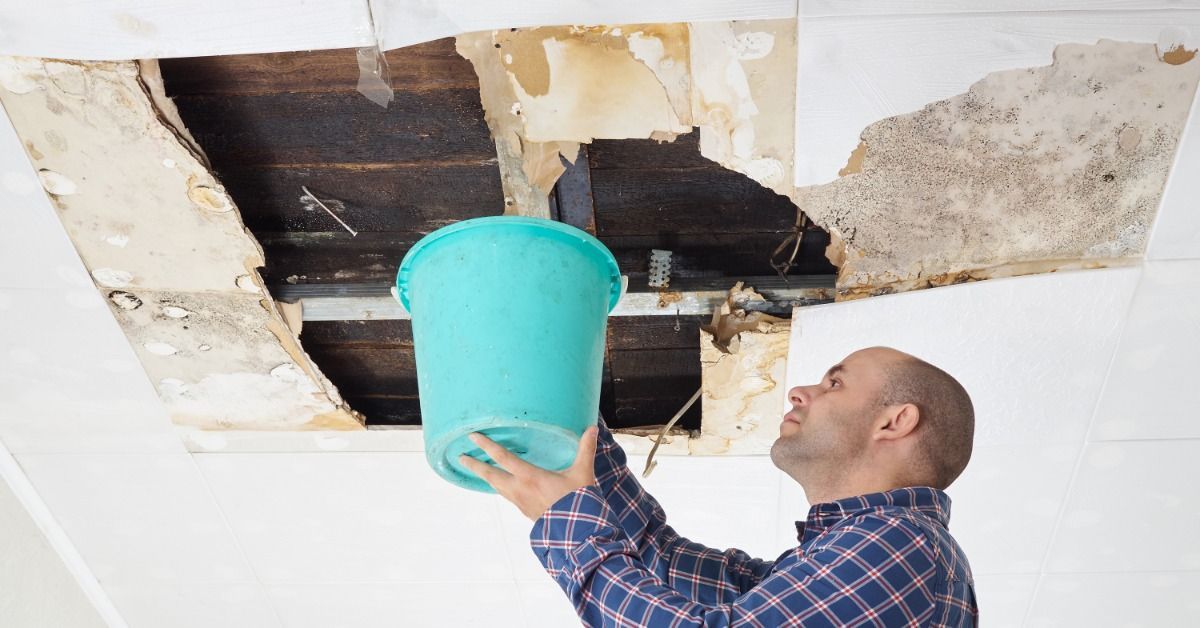
Leakage is one of the biggest concerns when it comes to roof damage caused by extreme weather. To check for any possible leaks, start at the highest point of your roof and look for signs of water damage. This could include wet spots on ceilings and walls, mold, discoloration, or water stains. Additionally, use a hose to simulate a heavy rainstorm and inspect your roof for visible water seepage.
If you do find any leaky areas, you can mark the spots with a piece of chalk, then get in touch with your local roof repair contractor in Burr Ridge, Illinois as soon as possible.
Clear Debris
Removing debris from your roof is an important step in addressing damage caused by extreme weather. Debris can include anything from tree branches to fallen leaves and dirt. If these are left on the roof, they can cause additional damage over time.
Inspect your roof for any debris that may have been left behind during the storm. Clear off any debris that you find as soon as possible. This will help prevent further damage from occurring.
When clearing debris from your roof, it’s important to use the proper safety precautions. If you’re not sure what to do, you can always reach out to your local roof repair contractor in Burr Ridge, Illinois for assistance.
Repair Damaged Shingles
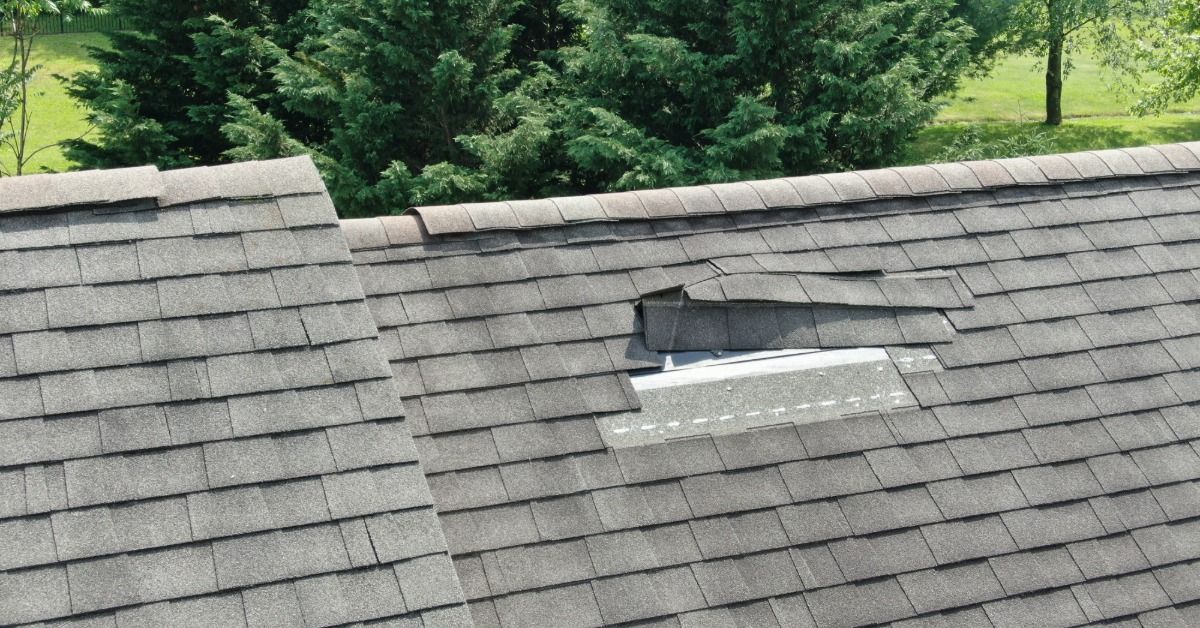
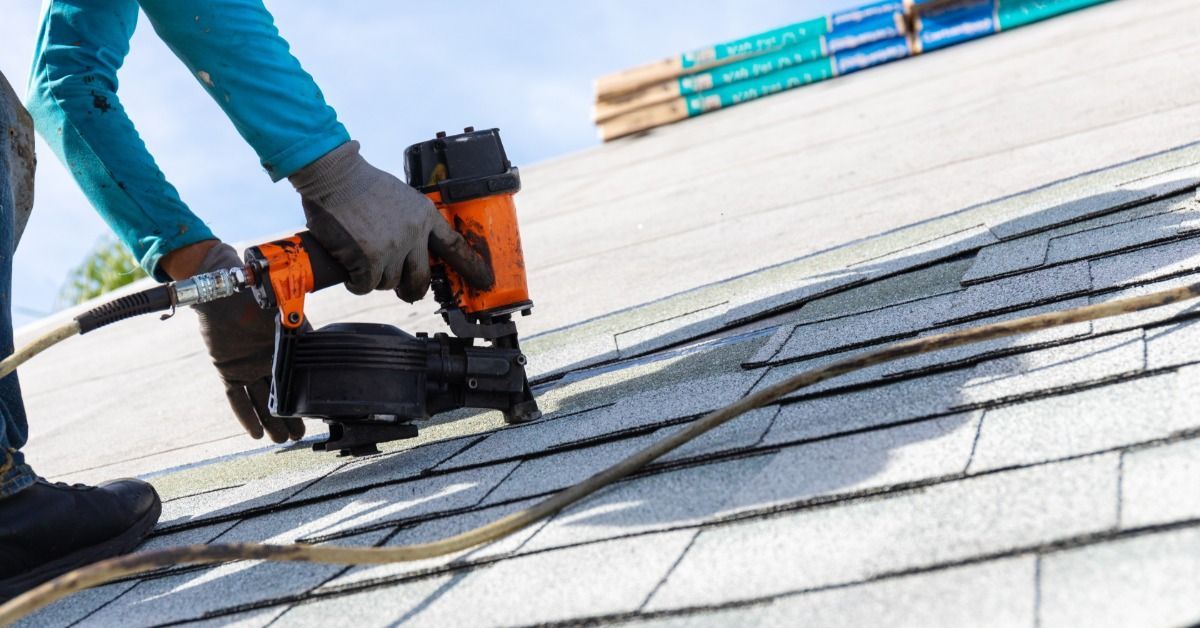
When dealing with roof damage caused by extreme weather, one of the most important things to do is to repair damaged shingles. If a shingle has cracked or broken, it can lead to further damage, as water can seep through and cause mold growth.
To repair damaged shingles, start by removing any debris from around them. Then, use roofing cement or tar to fill any gaps. If a shingle is too far gone and must be replaced, you will need to find one of the same size and shape to ensure a proper fit. Additionally, you will need to remove the old shingle and replace it with the new one. Finally, ensure that all shingles are secure and properly sealed against moisture.
Looking for a Roof Repair Contractor in Burr Ridge, Illinois?
Do you need help addressing roof damage caused by extreme weather? If so, Prusak Roofing Inc. is here to help. As the most trusted roof repair contractor in Burr Ridge, Illinois, we have more than 55 years of experience providing quality roofing services for home and business owners throughout the area. Contact us today at (708) 422-2624 to schedule an appointment.
Extreme weather in the Midwest can wreak havoc on the roofs of homes and businesses. From heavy snowfall to relentless wind, the Midwest can be an unforgiving place for roofs.
When your roof takes on damage, it’s important to act fast to avoid further issues. To that end, this roof repair contractor in Burr Ridge, Illinois is going to review the steps homeowners should take to address roof damage caused by extreme weather.
Inspect Your Roof
When extreme weather strikes, your roof can be especially vulnerable to damage. To prevent further damage and costly repairs, inspecting your roof and identifying any existing or potential problems is vital.
Here are some things to look out for during an inspection:
- Physical signs of damage, such as missing, cracked, buckled or broken shingles, gaps in flashing, and cracked or missing tiles
- Clogging and pooling water in gutters and downspouts
- Vegetation growing on the roof, such as moss, lichen, and weeds
- Signs of animal activity, such as droppings, nests, and tracks
- Signs of mold, mildew, and algae growth
- Structural damage, such as sagging roofs, bowed rafters or damaged flashing around chimneys and vents
Inspecting your roof regularly is essential for preserving its integrity and preventing future damage from extreme weather events. If you are unable to inspect your roof yourself properly, it is always best to contact a professional roof repair contractor in Burr Ridge, Illinois who can accurately diagnose any issues and recommend a plan of action.
Check for Leaks
Leakage is one of the biggest concerns when it comes to roof damage caused by extreme weather. To check for any possible leaks, start at the highest point of your roof and look for signs of water damage. This could include wet spots on ceilings and walls, mold, discoloration, or water stains. Additionally, use a hose to simulate a heavy rainstorm and inspect your roof for visible water seepage.
If you do find any leaky areas, you can mark the spots with a piece of chalk, then get in touch with your local roof repair contractor in Burr Ridge, Illinois as soon as possible.
Clear Debris
Removing debris from your roof is an important step in addressing damage caused by extreme weather. Debris can include anything from tree branches to fallen leaves and dirt. If these are left on the roof, they can cause additional damage over time.
Inspect your roof for any debris that may have been left behind during the storm. Clear off any debris that you find as soon as possible. This will help prevent further damage from occurring.
When clearing debris from your roof, it’s important to use the proper safety precautions. If you’re not sure what to do, you can always reach out to your local roof repair contractor in Burr Ridge, Illinois for assistance.
Repair Damaged Shingles
When dealing with roof damage caused by extreme weather, one of the most important things to do is to repair damaged shingles. If a shingle has cracked or broken, it can lead to further damage, as water can seep through and cause mold growth.
To repair damaged shingles, start by removing any debris from around them. Then, use roofing cement or tar to fill any gaps. If a shingle is too far gone and must be replaced, you will need to find one of the same size and shape to ensure a proper fit. Additionally, you will need to remove the old shingle and replace it with the new one. Finally, ensure that all shingles are secure and properly sealed against moisture.
Looking for a Roof Repair Contractor in Burr Ridge, Illinois?
Do you need help addressing roof damage caused by extreme weather? If so, Prusak Roofing Inc. is here to help. As the most trusted roof repair contractor in Burr Ridge, Illinois, we have more than 55 years of experience providing quality roofing services for home and business owners throughout the area. Contact us today at (708) 422-2624 to schedule an appointment.
LATEST POSTS